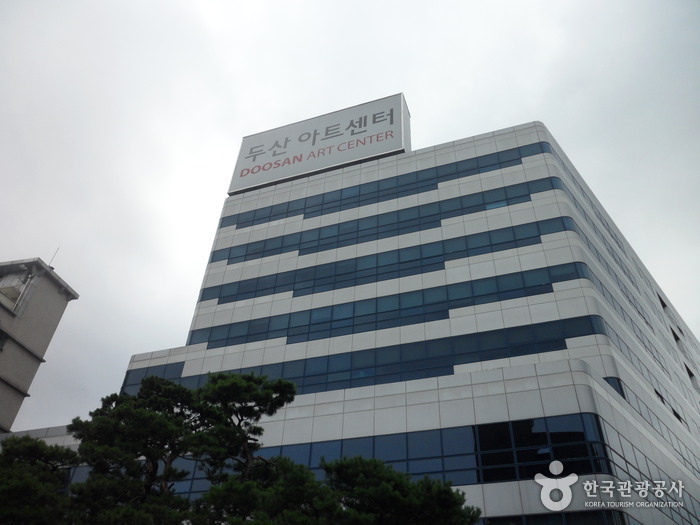
Doosan Art Center (두산아트센터)
6.3Km 2021-11-01
15, Jong-ro 33-gil, Jongno-gu, Seoul
Doosan Art Center, which opened on October 1, 2007, is structured around three different spaces: The Yonkang Hall, exclusively designed for musical performances, Space 111, a “space for art incubation,” and the Doosan Gallery, built for installations.
The Yongang Hall, a theater with 620-person seating capacity, has specially designed lightings and a world-class audio-visual system to provide a second-to-none sensory experience.
Space 111 can accommodate a broad range of performing arts, from theater and dance to film and music concerts. The Doosan Gallery is open to the public, and art exhibitions and performances here can be enjoyed free of charge.
All three theaters include spacious lobbies with handicapped access, designated seating for parents with infants, and meeting areas. Rest rooms are also available nearby, in order to avoid long queues and long walks during intermission.
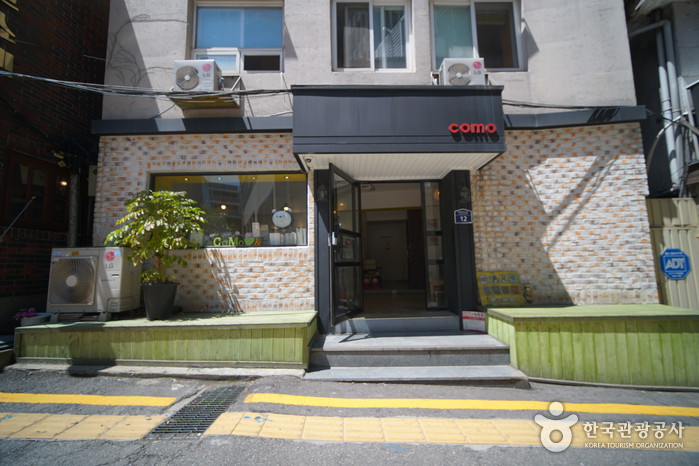
Myeongdong Guesthouse Como (명동게스트하우스 꼬모)
6.3Km 2024-12-23
12 , Toegye-ro 24-gil, Jung-gu, Seoul
Como is a guesthouse in Jongno-gu, Seoul, just 3-minute’s walk away from Myeongdong Station on Line 4. Como is particularly popular with foreign travelers: staff are fluent in English and Chinese, and luggage storage is free of charge. Rooms come in different sizes to cater from single travelers to family groups, and all have a separate bathroom and toilet. Must-see local sights such as Namsan Seoul Tower, Sungnyemun Gate, and Namdaemun Market are easily reached by car or bus.
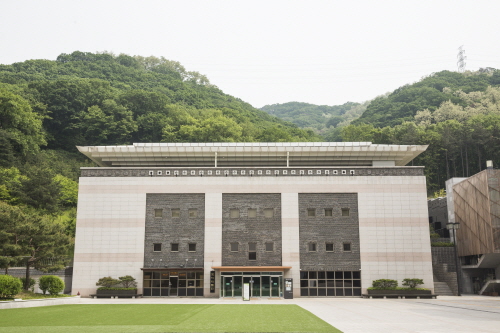
National Gugak Museum (국립국악박물관)
6.3Km 2021-08-13
2364, Nambusunhwan-ro, Seocho-gu, Seoul
The National Gugak Museum opened on February 23, 1995 as the first gugak museum in Korea, featuring approximately 6,000 pieces of gugak-related materials and relics which have both historical and cultural value. It is comprised of seven themed permanent exhibition halls that present 250 pieces of audio and video clips regarding gugak. In the 3D room, visitors can enjoy 3D animation at all times. The museum also hosts special exhibitions in unique and interesting themes.

National Gugak Center (국립국악원)
6.3Km 2025-01-17
2364 Nambusunhwan-ro, Seocho-gu, Seoul
The National Gugak Center is the governing body established to preserve and promote traditional Korean performing arts. The center can accommodate every type of traditional performing arts, such as palace music, court music, and all other genres including major productions of changgeuk (Korean musical drama). Originally opened in Busan in 1951, the center moved to its current location in Seoul in 1987. The center also opened branch locations in Namwon, Jindo, and Busan in 1992, 2004, and 2008 respectively.
Namsan Cable Car (남산 케이블카)
6.3Km 2024-10-25
83 Sopa-ro, Jung-gu, Seoul
Namsan Cable Car provides a panoramic view of downtown Seoul. The cable car has been in operation for over 40 years, taking tourists and residents alike to Namsan Seoul Tower, one of the most representative tourist attractions in the city.
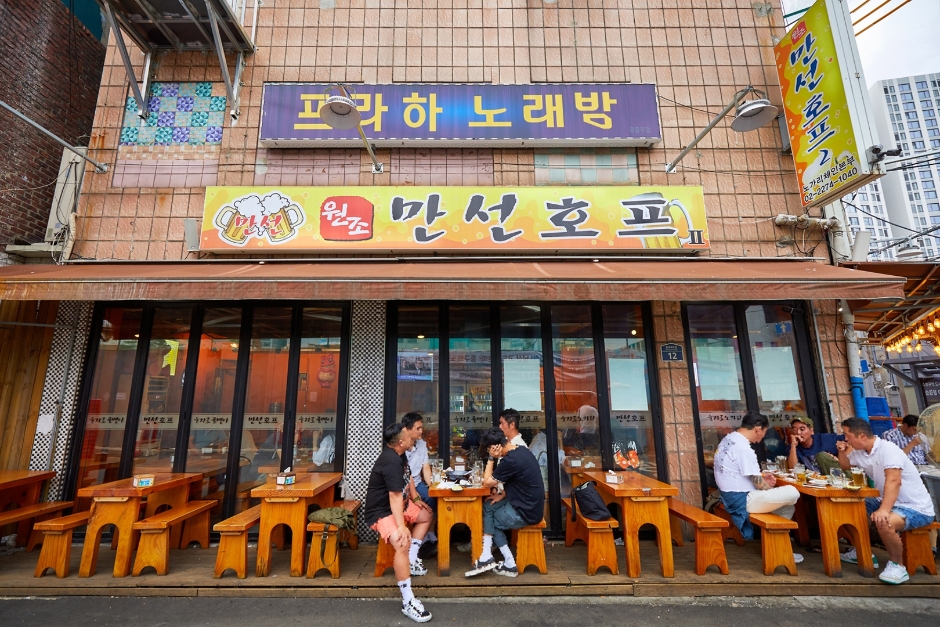
Euljiro Nogari Alley (을지로 노가리골목)
6.4Km 2025-11-06
Eulji-ro 129, Jung-gu, Seoul
Going out of Exit 3 of Euljiro 3-ga Station on Seoul Metro Line 3 and turning to the alley, you will find many pubs selling Nogari/Dried Young Pollack (Korean people grill and dip it in red pepper paste to eat as a side dish with alcohol) and restaurants specializing in Golbaengi/Sea Snails (It is a kind of conch shell, and Korea people made it a seasoned dish and enjoy it with Somyeon/Thin Noodles or use it as a bar sack). People gather in small groups at every outdoor table and sit in every alley to enjoy beer and snacks on weekday evenings and weekends, so it isn't easy to find a seat.
Originally, this area was lined with various company buildings and shops selling tools. However, in 1980, the pub 'Eulji OB Bear' opened, and as similar pubs opened nearby, it naturally came to be called 'Euljiro Nogari Alley.' As the affordable prices of snacks and beer attracted nearby office workers and college students, it has become increasingly popular, leading to its current status.
Here, along with a cold draft beer, let's try the K-snacks only available in Korea, such as Nogari/Dried Young Pollack and Golbaengi/Sea Snails. In addition, snacks such as chicken and fried dishes are also available, so try various snacks.
Myeong-dong Ttungttungi Jokbal (명동뚱뚱이족발)
6.4Km 2024-10-15
9, Toegye-ro, 20-gil, Jung-gu, Seoul
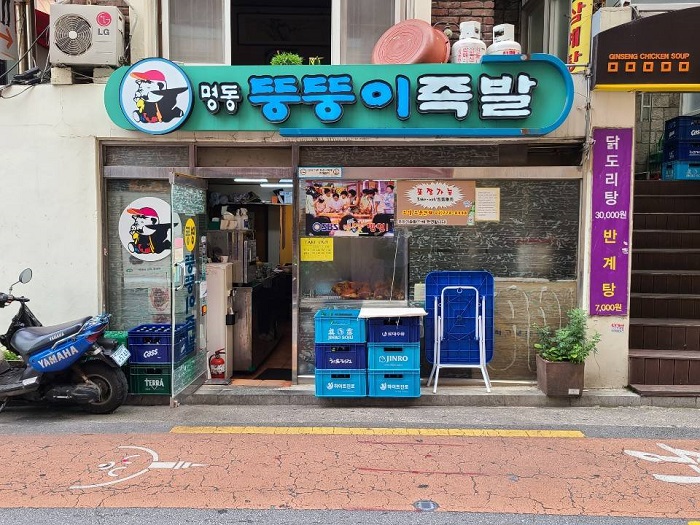
One of the old restaurants in Myeong-dong featured in Korean gourmet programs. This Korean dishes restaurant is located in Jung-gu, Seoul. The most famous menu is braised pigs' feet.
Chojun Textile & Quilt Art Museum (초전섬유ㆍ퀼트박물관)
6.4Km 2024-03-06
29, Toegye-ro 16-gil, Jung-gu, Seoul
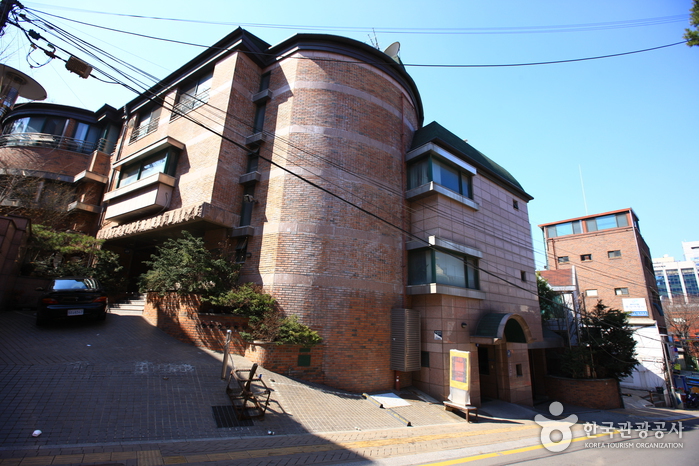
Opened in 1998, Chojun Textile & Quilt Art Museum is the only textile art museum in Korea. Visiotrs can learn about the excellence and tradition of Korean textiles by observing a wide range of domestic and international textile artworks. In addition to exhibiting its collection, the museum also holds special exhibitions as well as textile and quilt competitions, giving visitors the opportunity to get up close and personal with textile artworks.
Sewoon Plaza (세운상가)
6.4Km 2025-12-16
159 Cheonggyecheon-ro, Jongno-gu, Seoul
Makercity Sewoon is Korea's first comprehensive electronics market, established in 1968 and has a 40-year history. As a mecca in the urban electronics industry area located in Jongno, the center of Seoul, you can purchase various electronic products here.
Since 2014, Seoul's urban regeneration project has been underway, and a pedestrian overpass, rooftop observatory, plaza, and Makers Cube, where you can experience the 4th industrial revolution, have been created to provide unique attractions.
◎ Travel Information to Discover Hallyu’s Charm - K-Drama "Vincenzo (2021)"
"Vincenzo" depicts the story of Vincenzo (Song Joong-ki), an Italian mafia lawyer who teams up with the tenants of “Geumga Plaza” to protect a hidden stash of gold in the building from a powerful force. The building appearing as “Geumga Plaza” in the drama is none other than Seoul's Sewoon Plaza. Its retro-style aesthetic adds a unique ambience to the show and makes its scenes even more memorable.
Ahn Junggeun Memorial Museum (안중근의사기념관)
6.5Km 2024-03-06
91, Sowol-ro, Jung-gu, Seoul
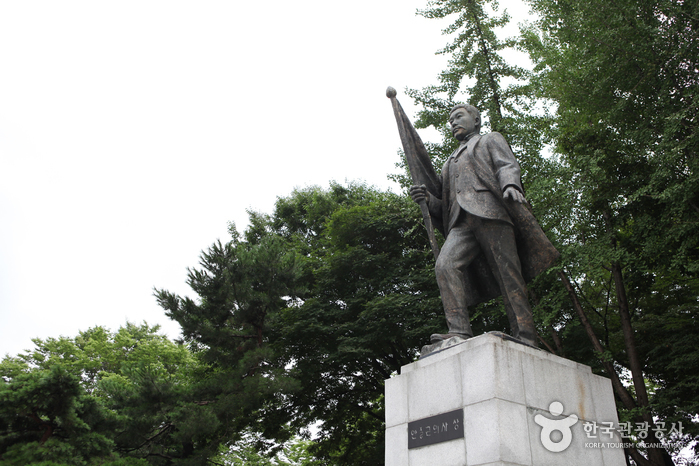
The Ahn Junggeun Memorial Museum honors the memory of Ahn Junggeun (1879-1910), an independence activist and soldier who advocated for Korean independence and peace in Asia. He fought against the Japanese to defend the Korean Empire (1897-1910). He was executed in 1910 for assassinating Hirobumi Ito, the Japanese who led the invasion of Korea in 1909, in Harbin, China.
 English
 한국어
한국어 日本語
日本語 中文(简体)
 Deutsch
 Français
 Español
 Русский


