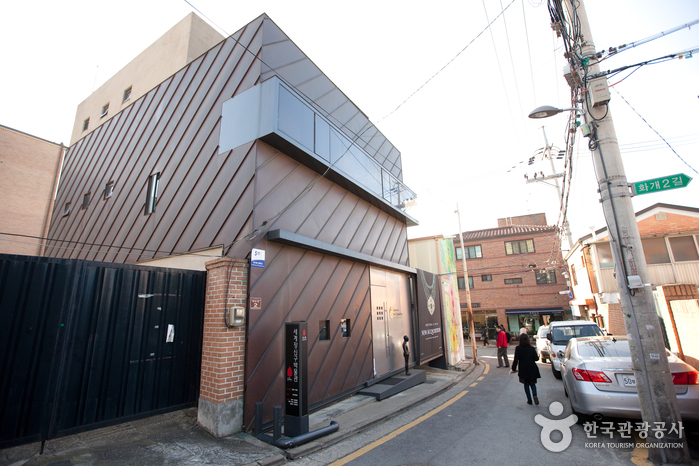
World Jewellery Museum (세계장신구박물관)
7.9Km 2023-09-21
2, Bukchon-ro 5na-gil, Jongno-gu, Seoul
+82-2-730-1610
Situated in the gallery district in the back alley of Samcheong-dong (east of Gyeongbokgung Palace), the World Jewellery Museum houses 3,000 jewelry pieces from 60 countries, which have been collected over 30 years. Of which, 1,000 have been selected for display. The first floor contains an Amber Wall that goes back as far as 50 million years, the Golden Hall (El Dorado), the Necklace Hall, and the solemn Alter of the Cross. The second floor holds a mask wall, rings, beads and ivory as well as modern jewelry.
![Lunette Eyewear - Mapo Branch [Tax Refund Shop] (루네뜨안경 마포)](http://tong.visitkorea.or.kr/cms/resource/84/2878384_image2_1.jpg)
Lunette Eyewear - Mapo Branch [Tax Refund Shop] (루네뜨안경 마포)
7.9Km 2024-04-17
1F, 24, Dohwa-gil, Mapo-gu, Seoul
-

Gwacheon Chusa Museum (추사박물관(과천))
7.9Km 2023-07-14
78, Chusa-ro, Gwacheon-si, Gyeonggi-do
+82-2-2150-3650
Gwacheon was where Chusa Gim Jeong-hui immersed himself in studies and arts to ignite his final artistic spirit in the twilight of his life. The city of Gwacheon opened Chusa Museum in order to promulgate the essence of the learning and arts that Chusa flowered. The museum features the life exhibit of Chusa, an art and science exhibit, a planned exhibit hall, an experience room, lounges, a museum shop and an education room for thoroughly researching, exhibiting and experiencing Chusa.
We Trip Korea ((주)우리클럽관광개발)
7.9Km 2025-10-23
(101-1204, Lotte Castle President), 467 Gongdeok-dong, Mapo-gu, Seoul
We Trip Korea was established in 2011 and has been successfully attracting international travelers for 13 years. Our company is dedicated to promoting and showcasing our travel products through extensive overseas sales efforts. We actively collaborate with various online travel agencies (OTA) to offer a wide range of travel products that align with current trends. As a professional and customized travel agency, we cater to all types of events, from standard packages to incentive trips, Meetings, Incentives, Conferences, Exhibitions (MICE), medical tourism, VIP services, and personal travels. When you choose our company, you can expect prompt and accurate tailored bookings to meet your specific needs.
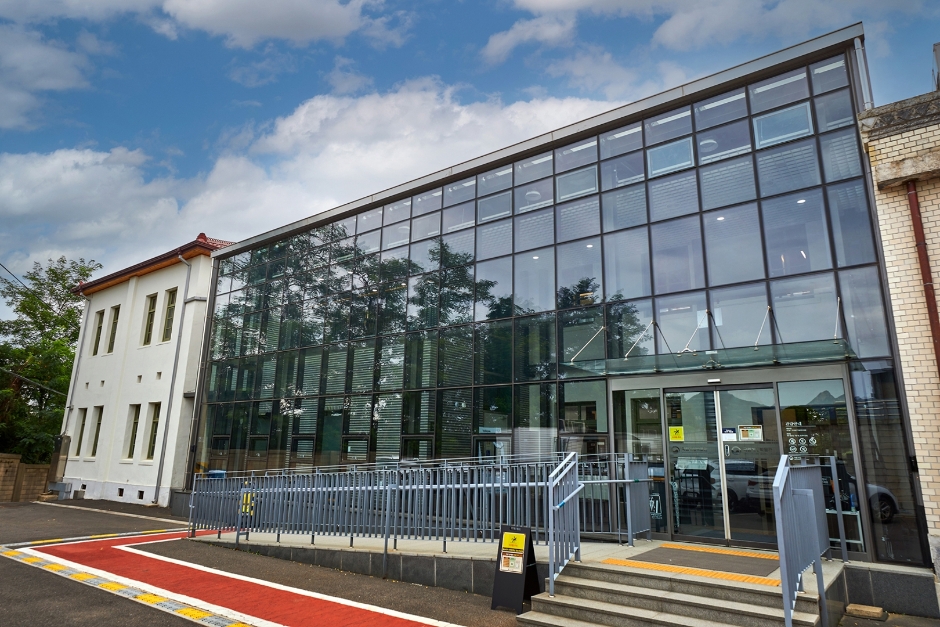
National Meteorological Museum of Korea (국립기상박물관)
8.0Km 2024-03-26
52 Songwol-gil, Jongno-gu, Seoul
A museum where one can look at Korea's meteorological observation history and technological development through exhibitions. The museum has the world's first rain gauge, invented in 1441, in the early Joseon dynasty. The museum operates approximately 350 meteorological observatories across Korea and focuses on promoting the uniqueness and excellence of Korea's meteorological science. There are permanent collections and special exhibitions. The permanent collections focus on the history of meteorological science in Korea. At the same time, the special exhibitions take a closer look at the history and information about meteorological science and natural disasters (e.g., earthquakes) that occurred in various regions of Korea. There are experience programs related to meteorological science, such as making a rain gauge or learning about rain gauges.
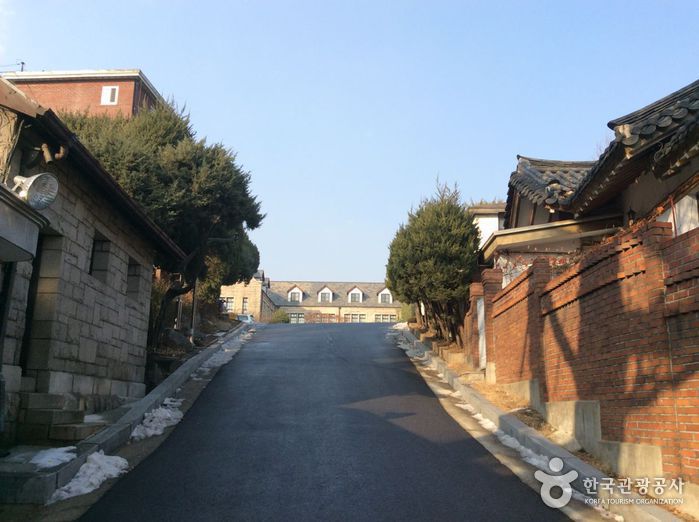
Choong Ang High School (중앙고등학교)
8.0Km 2025-10-23
164 Changdeokgung-gil, Jongno-gu, Seoul
+82-2-742-1321
Choong Ang High School is located in Jong-ro near Samcheongdong-gil. It was built to educate the public at the beginning of the 20th century. The school’s main building was reconstructed in 1937 after the original two-story brick house was destroyed in 1934. The main building situated in front of the main gate is a two-story H-shaped granite stone building in Gothic style, with a four-story tower in the middle.
The school holds historical significance because it was designed by Park Dong Jin, one of Korea's first modern architects and the designer of Korea University’s main building, library, and the Chosun Ilbo Newspaper Company building. The main building of Choong Ang High School is designated as Historic Site No. 281. Many national leaders were educated at the gothic building during the grim period when Korea was trying to escape Japanese colonial rule.
Beodeul Maru - Korea Cultural Heritage Foundation Branch [Tax Refund Shop] (한국문화재재단 버들마루)
8.0Km 2024-10-15
37, Samcheong-ro, Jongno-gu, Seoul
-
Enter 6 - Cheonho Station Branch [Tax Refund Shop] (㈜엔터식스패션쇼핑몰 천호역점)
8.0Km 2024-04-19
B1, Cheonho Station of Subway Line 5, 8, 997, Cheonho-daero, Gangdong-gu, Seoul
-
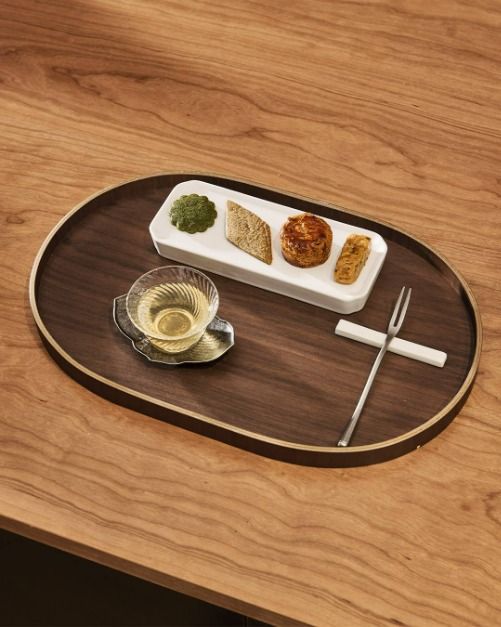
Pyunkang Yul Flagship & Tea house (편강 율 플래그십&티하우스)
8.0Km 2025-12-10
35-4 Bukchon-ro 5ga-gil, Jongno-gu, Seoul
Pyunkang Yul Flagship & Tea house is a cafe in Bukchon Hanok Village near Gyeongbokgung Palace. The first floor is a teahouse where one can enjoy Korean tea infused with traditional ingredients and delightful desserts with a view of the cafe's serene garden, and the second floor is a flagship store of Pyeongang Yul, a K-beauty brand known for integrating hanbang (traditional Korean medicine) in their skincare products. The third floor features a rooftop that offers a sweeping view of the Bukchon Hanok Village and Gyeongbokgung Palace.
I'mdr. LLC. (아임닥터 유한책임회사)
8.0Km 2025-10-23
3F, 6-3 Bugahyeon-ro 2-gil, Seodaemun-gu, Seoul
I'mdr. LLC., leads the global medical tourism market with Korea's cutting-edge medical technology and world-class medical services.
With I'mdr, a health and beauty trip to Korea will be safer and more comfortable. It provides both aesthetic medical services and treatment for severely ill patients. Enjoy innovative, patient-centered medical tourism experience through I'mdr.'s customized medical concierge services.
 English
 한국어
한국어 日本語
日本語 中文(简体)
 Deutsch
 Français
 Español
 Русский


