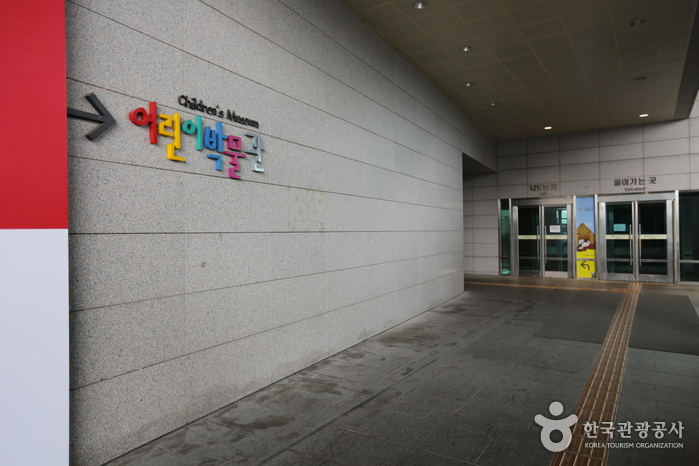
Childrens Museum of the National Museum of Korea (국립중앙박물관 어린이박물관)
4.9Km 2021-09-15
137, Seobinggo-ro, Yongsan-gu, Seoul
+82-2-2077-9000
The Children’s Museum of the National Museum of Korea is an experience-oriented museum where children can see, touch, and feel history through hands-on programs and games. The permanent exhibition hall displays replicas of historical items so children can learn about Korea’s cultural heritage in a fun and interactive way. Children can also experience the lifestyle and wisdom of the past through experience programs.
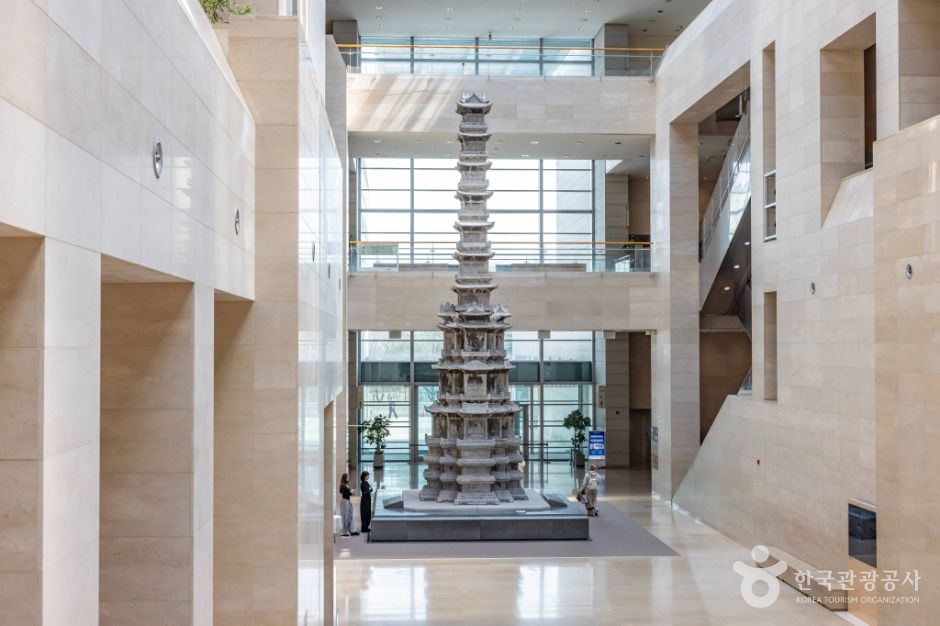
National Museum of Korea (국립중앙박물관)
4.9Km 2025-11-21
137 Seobinggo-ro, Yongsan-gu, Seoul
The National Museum of Korea houses a vast collection of artifacts from ancient times to the modern era in a wide range of topics, including art and culture. The museum houses a Children's Museum, where visitors can learn more about the nation's history through educational programs and experiences. The outdoor grounds feature pagodas and other stone artworks too large to be on display inside.
In addition to galleries with a wide array of national and international pieces, the National Museum of Korea is a stage for a number of cultural activities related to collection, preservation, research and analysis, social training, academic publications, intercultural exchange programs, concerts, and more.

21 Century Hospital (서울21세기병원)
4.9Km 2026-01-02
39 Seochojungang-ro, Seocho-gu, Seoul
Opened in 1999, 21st Century Hospital has a long-standing medical staff, most of whom have worked for the hospital for many years.
This safety has attracted many patients to our hospital.
National Hangeul Museum (국립한글박물관)
4.9Km 2022-12-15
139, Seobinggo-ro, Yongsan-gu, Seoul
+82-2-2124-6200
The National Hangeul Museum was established to preserve, spread, and develop the Korean alphabet, Hangeul. The museum showcases the history and value of Korean orthography, Korean’s most-valued cultural asset, through exhibitions, activities, and education. Occupying over 11,322 ㎡, the museum has one basement level and three ground levels, along with an outdoor grass field and rest area perfect for cultural events, exhibits, and education.
The museum is comprised of the Hangeul library on the first floor, a permanent exhibition hall, ㅎ Café, and cultural product shop on the second floor, and a planned exhibition hall and Hangeul playground for children and foreigners on the third floor.
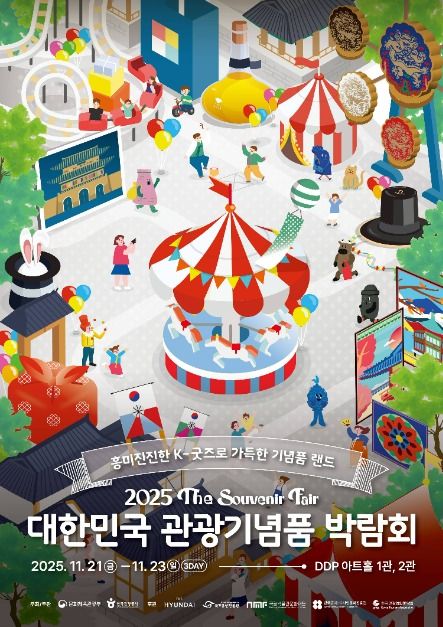
The Souvenir Fair (2025 대한민국 관광기념품 박람회)
4.9Km 2025-10-27
281 Eulji-ro, Jung-gu, Seoul
+82-10-8315-5434
The Souvenir Fair brings together various companies and local governments to showcase a variety of souvenirs, both traditional and trendy. Visitors can freely explore the exhibition space, enjoy souvenir shopping, and take part in various programs. Highlights of the fair include an exhibition of competition-winning works, a zone featuring outstanding local souvenirs, and a special exhibition of overseas souvenirs.
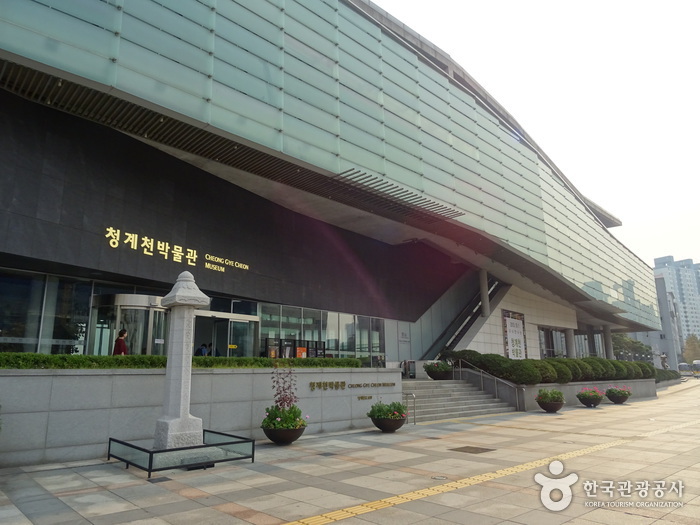
Cheonggyecheon Museum (청계천박물관)
5.0Km 2021-11-02
530, Cheonggyecheon-ro, Seongdong-gu, Seoul
+82-2-2286-3410
Cheonggyecheon Museum officially opened in October 2005. The museum’s long, glass exterior represents the flowing waters of Cheonggyecheon Stream, which runs through the heart of Seoul. The museum has a permanent exhibition hall, special exhibition hall, educational hall, and an auditorium. The museum contains visual representations of Seoul before and after the transition of Cheonggyecheon Stream. The permanent exhibition hall was remodeled in October 2015, and now offers even more ways to view the history of Seoul as shaped by Cheonggyecheon Stream.
![Olive Young - Nambu Bus Terminal Branch [Tax Refund Shop] (올리브영 남부터미널)](http://tong.visitkorea.or.kr/cms/resource/42/2888942_image2_1.jpg)
Olive Young - Nambu Bus Terminal Branch [Tax Refund Shop] (올리브영 남부터미널)
5.0Km 2024-04-18
283, Hyoryeong-ro, Seocho-gu, Seoul
-
Hwanghak-dong Flea Market (Dokkaebi Market / Manmul Market) (황학동 벼룩시장 (도깨비시장/만물시장))
5.0Km 2025-04-11
11-7 Majang-ro 5-gil, Jung-gu, Seoul
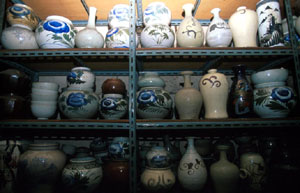
Hwanghak-dong Flea Market was named after the way how merchants travel from one place to another all over the country, as if like fleas hopping around from one spot to another, to collect rare and valuable items. This market was once a haven of antiques and collectibles, but with the formation of old-fashioned art street in 1983 in Janganpyeong, many classic art shops had moved out, leaving only used item and general goods stores. Now, visitors can find stores selling antiques, used furniture, electronics, clocks, jewelry, musical instruments, camera, and machinery – pretty much anything one can name. Hwanghak-dong Flea Market is also referred to as Dokkaebbi Market, to describe how even the most rundown items become just like new, as if like the work of a dokkaebi (Korean folk goblin).
![Olive Mart [Tax Refund Shop] (올리브마트)](http://tong.visitkorea.or.kr/cms/resource/76/2878676_image2_1.jpg)
 English
 한국어
한국어 日本語
日本語 中文(简体)
 Deutsch
 Français
 Español
 Русский


