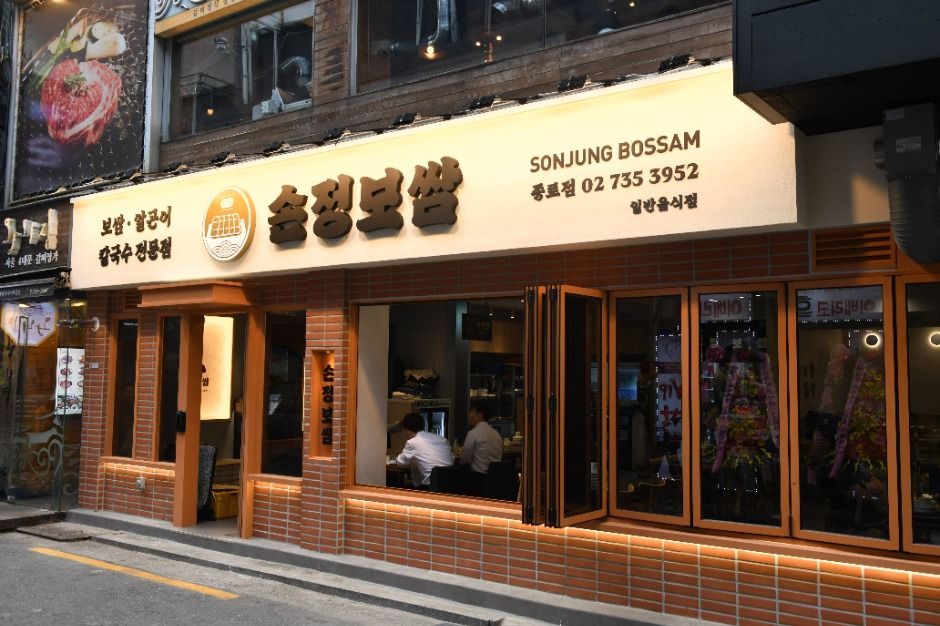
Sonjung Bossam (손정보쌈)
6.0Km 2025-07-25
24 Samil-daero 15-gil, Jongno-gu, Seoul
Sonjung Bossam offers dishes with a modern touch by reinterpreting traditional meals. Passed down for three generations, this restaurant values sincerity and careful attention in food making in order to serve every customer a heartwarming meal. Sonjung Bossam's signature dish Premium Gabri Bossam takes only the rarest pork cut, the blade-end fatback called "gabri" in Korean, and boils the meat using the restaurant's secret recipe for tender, juicy meat. The restaurant also serves their own special version of spicy stir-fried fish roe and intestines and haemultang (spicy seafood stew), boasting a generous amount of various seafood and rich broth. All meals are prepared wholeheartedly as if they are being served to a family.
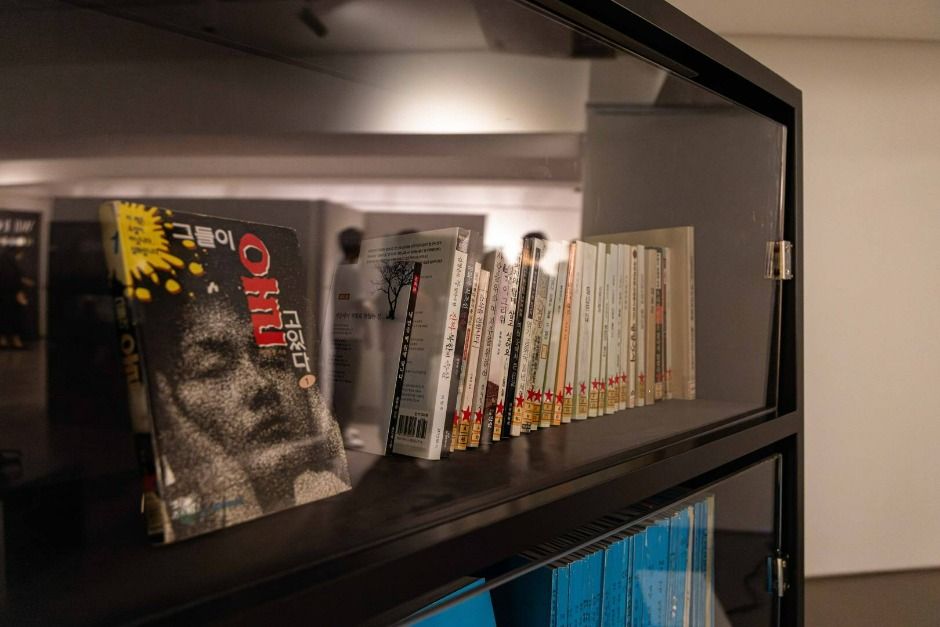
NKDB North Korean Human Rights Exhibition Hall (북한인권전시실)
6.0Km 2025-11-13
393 Samil-daero, Jongno-gu, Seoul
The NKDB North Korean Human Rights Exhibition Hall is a permanent exhibition space dedicated to North Korean human rights. Although it is a small space, it resonates deeply and serves as a "dark tourism" site that records and testifies to the ongoing reality of human rights violations in North Korea. The North Korean Human Rights Information Center (NKDB), which operates this exhibition hall, is the organization that collects and archives the most extensive records of human rights concerning North Korean residents in the world. The testimonies and records presented here represent a living history, a story unfolding in the present, unavailable elsewhere. Through donated North Korean artifacts, including these records, visitors can glimpse the present-day North Korea and encounter artwork by North Korean defectors.

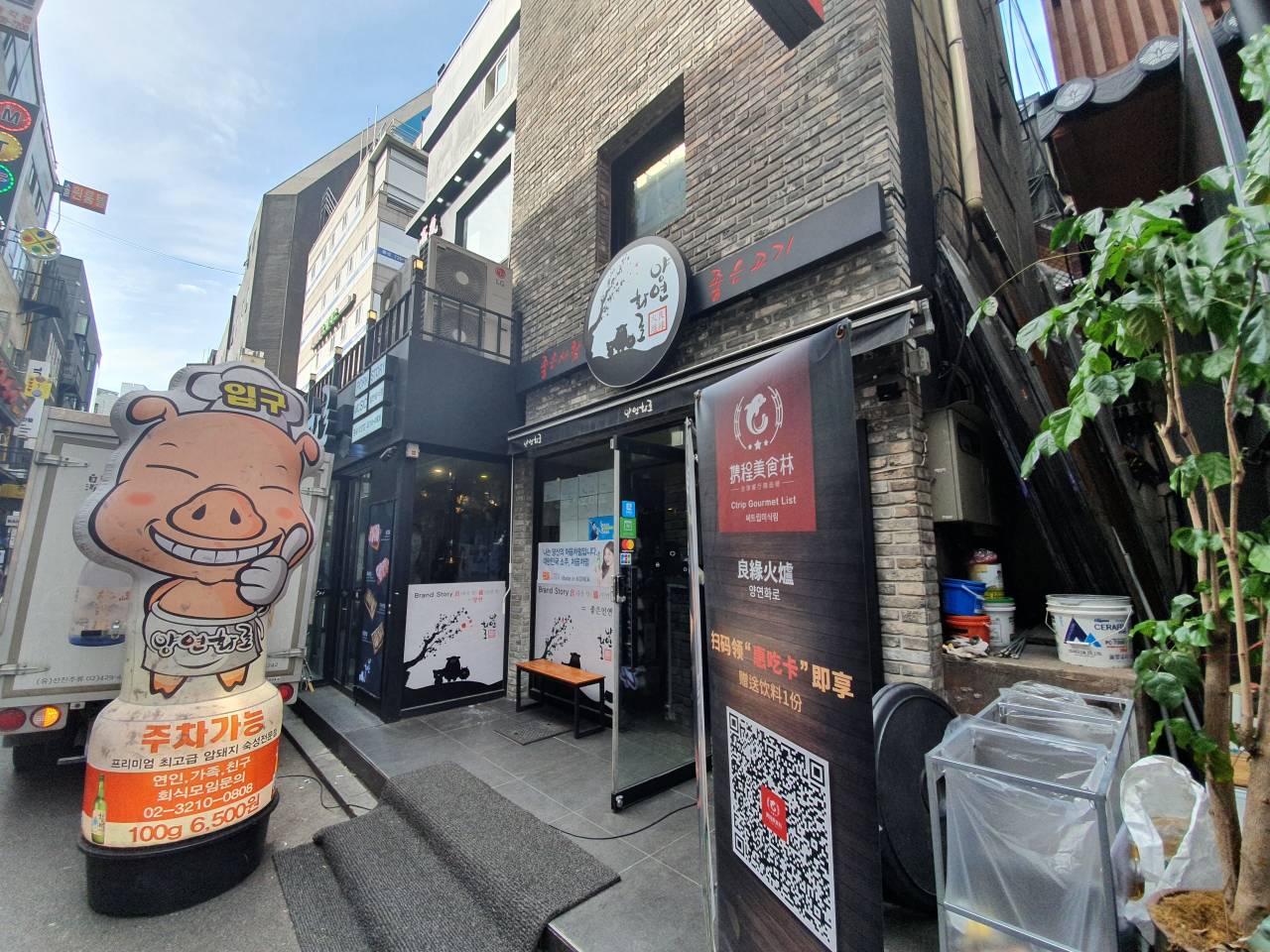
Yangyeon Hwaro (양연화로)
6.0Km 2024-03-05
18 Samil-daero 17-gil, Jongno-gu, Seoul
+82-2-3210-0808
Yangyeon Hwaro is located in Jongno and is renowned for offering the essence of Korean-style barbecue. Its signature dish is the aged pork belly, grilled over charcoal, bursting with charcoal aroma and juiciness. Additionally, the menu includes various cuts of pork such as shoulder, thin skirt, and pork neck, as well as beef options like boneless short ribs and beef tartare. The staff personally grill the meat for the customers.
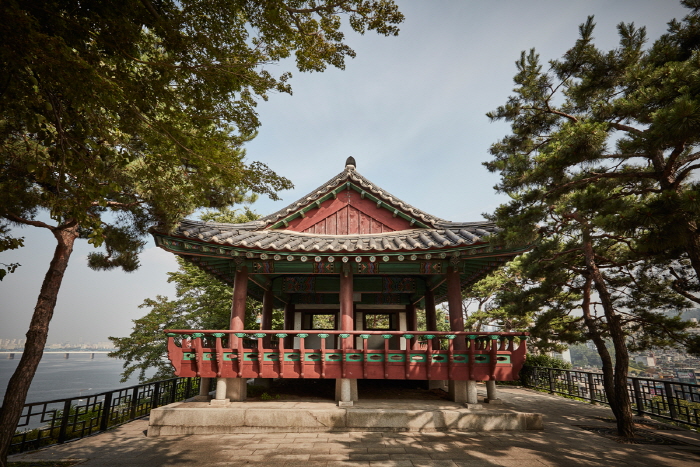
Hyosajeong Pavilion (효사정)
6.0Km 2025-01-13
55, Hyeonchung-ro, Dongjak-gu, Seoul
+82-2-820-9848
Hyosajeong Pavilion is where Nohan, the second vice premier of the Joseon dynasty during King Sejong and King Sejo’s reign, stayed. After he lost his mother, he built the pavilion to mourn at her grave while still being able to see his father’s grave in Gaeseong to the North. His brother-in-law, then Minister of the Interior, Gang Sa-deok named the pavilion “Hyosajeong,” which means pavilion of filial piety.
In order to find the original location of the pavilion, poems by Jeong Inji and Seo Geojeong and an old map of Korea were referenced, but the pavilion was not found because the surrounding landscape had changed too much. As a result, a location was selected and the pavilion was reconstructed at its current location. The house is 3 kan* in the front and 2 kan* on the side. The roof is a hip-and-gable roof. The pavilion has one room with under floor heating and a railing around the pavilion
(* kan: a traditional measurement that corresponds to the space between two columns)
Sulla-gil Yeah Café & Bibi (순라길 예 & 비비)
6.0Km 2025-01-23
55 Seosulla-gil, Jongno-gu, Seoul
02-3672-1599
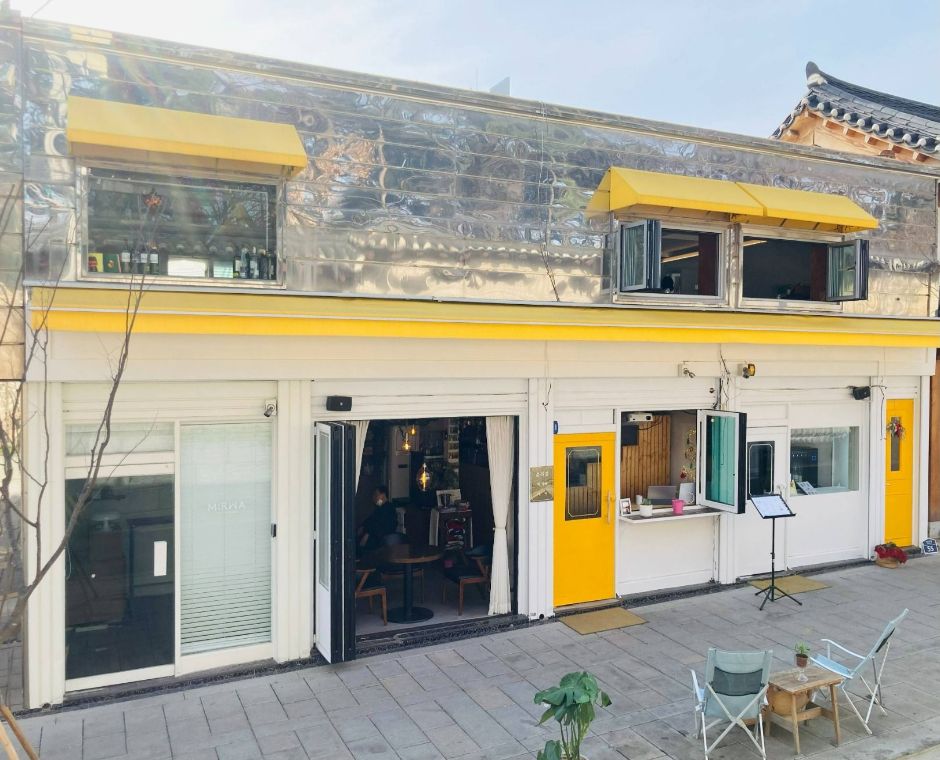
Situated in Sulla-gil, the Sulla-gil Yeah Café & Bibi is a roaster café where each bean is handpicked. It also offers a range of wine selections. The café is a perfect place to relax after exploring downtown Seoul. The cozy atmosphere of the café with the added charm of the stone wall visible from café, makes visitors feel at ease and relaxed. The evenings here turn into a music and movie session, adding a lively atmosphere to the space.
![Olive Young - Hongdae Daehangno Branch [Tax Refund Shop] (올리브영 홍대대학로)](http://tong.visitkorea.or.kr/cms/resource/86/2878186_image2_1.jpg)
Olive Young - Hongdae Daehangno Branch [Tax Refund Shop] (올리브영 홍대대학로)
6.0Km 2024-04-16
57, Daehak-ro, Jongno-gu, Seoul
-
Korea Art Festival (대한민국 미술축제)
6.0Km 2025-07-31
57 Daehak-ro, Jongno-gu, Seoul
+82-70-7575-0980
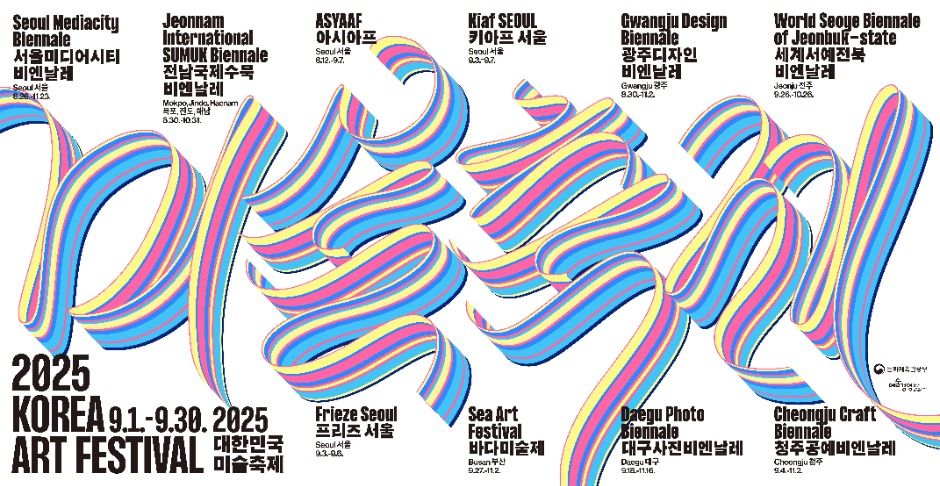
Korea Art Festival is the nation's largest art festival that connects the 12 major art fairs and biennales taking place nationwide. The 2025 festival takes place in September, inviting visitors to enjoy the world of art.
Seoul Hyochang Park (서울 효창공원)
6.1Km 2024-07-09
177-18 Hyochangwon-ro, Yongsan-gu, Seoul
+82-2-2199-7608
Hyochang Park covers 122,245 square meters spanning across Hyochang-dong and Cheongpa 2-dong. It is a historic landmark that once contained several royal tombs, and was known at that time as Hyochangwon. The cemeteries that were originally located in Hyochangwon belonged to Crown Prince Munhyo, King Jeongjo’s first son who died at the age of five; Royal Noble Consort Uibin of the Seong Clan, King Jeongjo’s royal concubine and Crown Prince Munhyo’s mother; Royal Noble Consort Sugui of the Park Clan, King Sunjo’s royal concubine; and her daughter Princess Yeongon. The royal tombs were moved to Seooreung Tombs in the waning months of the Japanese colonial period. The Japanese empire began the development of Hyochangwon into a park in 1924, and the Japanese governor-general officially assigned the site as a park in 1940.
Presently, several of Korea’s greatest leaders are buried in Hyochang Park. The remains mostly belong to independence activists including Yoon Bong-gil, Lee Bong-chang, and Baek Jeong-gi, whose graves are collectively known as Samuisa Tomb. A statue of Lee Bong-chang has been built in the graveyard. Among the other patriotic martyrs who are interred in the park are Kim Gu and some of the key figures of the provisional government such as Lee Dong-nyeong, Cha I-seok, and Cho Seong-hwan. An ancestral shrine named Uiyeolsa has been built along the main gate and holds the portraits of the deceased independence activists.
 English
 한국어
한국어 日本語
日本語 中文(简体)
 Deutsch
 Français
 Español
 Русский


