Damdaheon / 담다헌 체험교육관
19.2Km 2023-10-26
98, Songsan-ro 939beon-gil, Uijeongbu-si, Gyeonggi-do
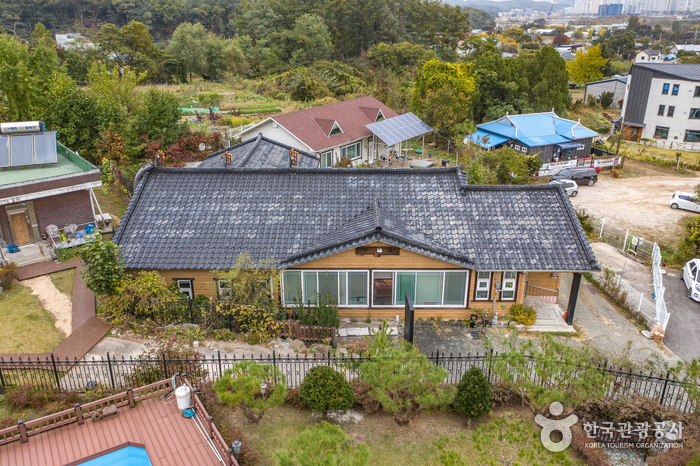
Damdaheon is an experience center dedicated to the art of making rice cakes, situated in Geomundol (black stone) Village in Sangok-dong, Uijeongbu. It was opened on October 23, 2009, under Park Gyeong-ae, recognized as a master artisan by Gyeonggi-do. The center offers experience programs like rice cake-making, sweet red bean jelly-making, fermented soybean and sauce-making, kimchi-making, and bean curd-making, as well as weekend farms (offered on a yearly basis). It strives to promote the traditional healthy foods of Korea through hands-on experiences to children and young people, who tend to gravitate toward instant and Western food, and to encourage them to make their own rice cakes at home with Damdaheon’s easy rice cake recipes.
Gana Art Park (가나아트파크)
19.2Km 2024-02-07
117 Gwonyul-ro, Jangheung-myeon, Yangju-si, Gyeonggi-do
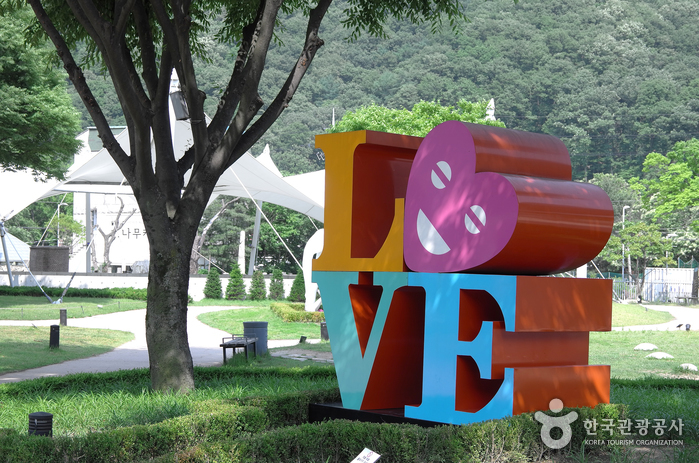
Gana Art Park is a park featuring an art museum, playground, performing stage, art shop, restaurant, and more. The park includes the Gana Children’s Art Museum, showcasing artworks by Korean and international contemporary art masters. There is also the Blue Space, where a work of Picasso is displayed, the Red Space dedicated to artworks of contemporary masters, and the Yellow Space, which is a playground equipped with nets

Bucheon Bow Museum (부천활박물관)
19.3Km 2021-12-23
482, Sosa-ro, Bucheon-si, Gyeonggi-do
+82-32-614-2678
Reflected by the outstanding performance of Korean archers at recent Olympic games, Koreans have an esteemed reputation for their skills in archery and craftsmanship. But this undoubted skill has historical precedent, as bows were an important weapon of war throughout Korean history. The Bucheon Bow Museum was established to show visitors the spirit of Korean archery, and demonstrate its ancestral traditions of bowyer craftsmanship. The museum houses traditional bows (gukgung), which are considered prized cultural pieces, and have been made by a Bucheon family, which has fostered a lineage of bowyers across five generations. In addition, the museum exhibits various pieces and articles related to archery.
Gwangmyeong Cave (광명 동굴)
19.3Km 2025-10-27
142 Gahak-ro 85beon-gil, Gwangmyeong-si, Gyeonggi-do
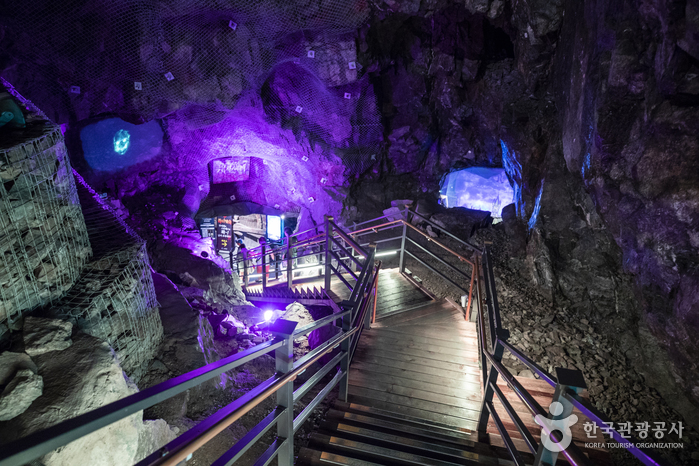
Gwangmyeong Cave was developed in 1912 during the Japanese colonial period to exploit resources, including gold mines, and continued to be developed for industrial purposes after liberation. After the mine was closed in 1972, it was used as a salted seafood warehouse for about 40 years. Gwangmyeong City purchased the site, reorganized it, and made it available to the public. It is currently recognized as a modern industrial heritage site with high historical value, and is well known as a cave theme park in the metropolitan area. Along with the cave, colorful lights and sculptures create a spectacular sight. Aside from tasting and purchasing Korean wine at the Gwangmyeong Wine Cave, visitors can also see the largest media art piece in Korea at the Lascaux Exhibition Hall, enjoying a more diverse travel experience.
Baegunhosu Lake (백운호수)
19.4Km 2023-09-05
526 , Baegun-ro, Uiwang-si, Gyeonggi-do
+82-31-240-4810
Baegunhosu Lake is an artificial lake that was completed in 1953. The lake is surrounded by mountains made up of Cheonggyesan Mountain in the northeast, Baegunsan Mountain in the southeast, and Moraksan Mountain in the west. The lake encompasses an area of 363,638 m². This lake was originally built to provide irrigation for nearby farmlands but it became a public recreational space due to its scenic landscape, fresh air, and spacious lot perfect for parking. Visitors to Beagunhosu Lake can enjoy music at a live cafe or water activities such as motor boating, as well as delicious foods from nearby restaurants.
Gyeonggi Janggyeongsa Temple (장경사(경기))
19.5Km 2025-01-14
676, Namhansanseong-ro, Gwangju-si, Gyeonggi-do
+82-31-743-6548
Janggyeongsa Temple is located in Namhansanseong Fortress. Namhansanseong Fortress, which protected Seoul along with Bukhansanseong Fortress, was built at the same time as Janggyeongsa Temple in 1638, during the 16th year of King Injo. Warrior monks from all eight provinces throughout the country helped with the construction. Janggyeongsa Temple is the only remaining temple among nine such temples where military groups made up of monks stayed for trainings.
SMOB Hanam (스몹 하남)
19.6Km 2025-10-23
750 Misa-daero, Hanam-si, Gyeonggi-do
+82-1668-4832
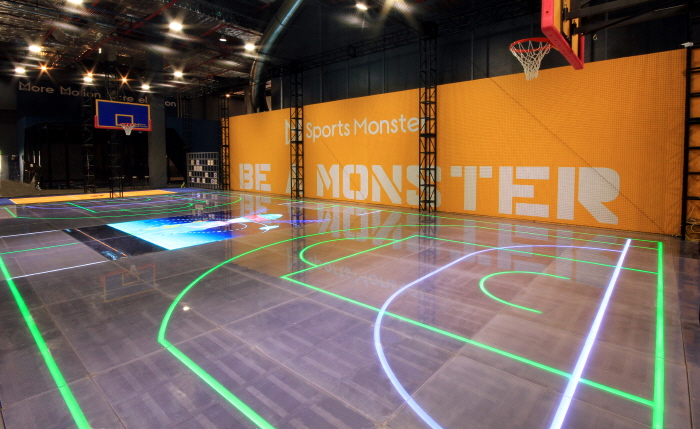
SMOB is a game and sports experience center located on the fourth and top floors of Starfield Hanam. The center provides activities for all, with no need for special equipments and gears. About 30 activities are prepared, divided into Basic Zone, Exciting Zone, Adventure Zone, and Digital Zone.
Boombiz (붐비즈)
19.6Km 2025-10-23
(#65, 9th Floor), 8 Daewangpangyo-ro 645beon-gil, Bundang-gu, Seongnam-si, Gyeonggi-do
Boombiz utilizes AI-based technology to contribute to the advancement of various industries.
In the tourism sector, we have launched the travel brand "Tourevo", which operates an OTA (tourevo.co.kr) and engages in the medical tourism business.
Boombiz offers a wide range of unique tourism products across key regions of Korea, including the DMZ, Seoul, Jeju, Busan, Jeonju, and Gyeongju.
Additionally, with over 15 years of expertise and the use of AI technology, we develop and deliver customized travel packages tailored to customers' specific tourism needs. Communication is also facilitated through AI, enabling multilingual support.
CHA Bundang Medical Center (차의과학대학교 분당차병원)
19.6Km 2025-10-23
59 Yatap-ro, Bundang-gu, Seongnam-si, Gyeonggi-do
Founded in 1960, CHA Hospital has grown into a global medical institution, delivering exceptional healthcare across 91 facilities in 7 countries. With more than six decades of medical expertise, we are committed to providing world-class medical services.
CHA Bundang Medical Center is the largest and most prominent hospital within the CHA Medical Center network in Korea. As our flagship hospital, it offers patient-centered care that meets international standards. With over 40 specialized centers, we provide comprehensive and personalized treatment services, ranging from routine checkups to advanced infertility treatments and the management of severe conditions, including female cancers.
Every year, CHA Hospital cares for 120,000 outpatients and 300,000 inpatients. Our International Medical Center ensures that foreign patients receive customized, high-quality care tailored to their needs.
Trium House (주식회사 트리움하우스)
19.7Km 2025-10-23
2F, Na-dong, 13-8 Jangmi-ro 92beon-gil, Bundang-gu, Seongnam-si, Gyeonggi-do
Trium House, established in 2008, specializes in customized medical tourism services for customers at home and aboard. It provides comprehensive medical tourism products for foreign patients, combining tourism and rest in addition to medical services (e.g., preliminary disease diagnosis, treatment, post-management).
Major services include Western and traditional Korean medical tourism, business tours, and general travel services. They provide the best services customized to customers' needs, with professional staff members versed in different language. Trium House has become a trusted medical tourism partner that has been designated a medical tourism partner for the Korea Medical Tourism Festival and for Seongnam City.
 English
 한국어
한국어 日本語
日本語 中文(简体)
 Deutsch
 Français
 Español
 Русский


