
The Children’s Museum of the National Folk Museum of Korea (국립민속박물관&국립민속박물관 어린이박물관)
2.9Km 2025-06-19
37 Samcheong-ro, Jongno-gu, Seoul
The Children’s Museum of the National Folk Museum of Korea, located within Gyeongbokgung Palace, showcases artifacts related to Korean traditional culture. This interactive museum allows children to experience and learn about various aspects of Korean traditional clothing, food, society, culture, and games firsthand. Especially catering to children from Asian countries, there is a service for renting items, and reservations are required for admission.
Cheonggyecheon Museum (청계천박물관)
2.9Km 2021-11-02
530, Cheonggyecheon-ro, Seongdong-gu, Seoul
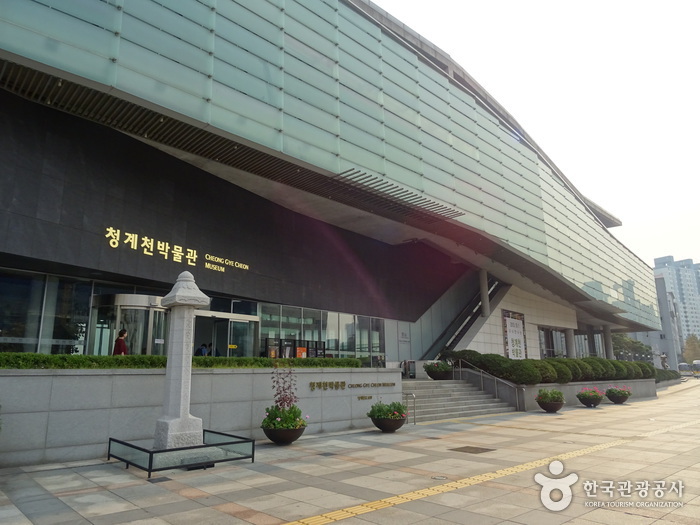
Cheonggyecheon Museum officially opened in October 2005. The museum’s long, glass exterior represents the flowing waters of Cheonggyecheon Stream, which runs through the heart of Seoul. The museum has a permanent exhibition hall, special exhibition hall, educational hall, and an auditorium. The museum contains visual representations of Seoul before and after the transition of Cheonggyecheon Stream. The permanent exhibition hall was remodeled in October 2015, and now offers even more ways to view the history of Seoul as shaped by Cheonggyecheon Stream.
Danha(단하)
3.0Km 2025-11-05
39-7 Palpan-gil, Jongno-gu, Seoul
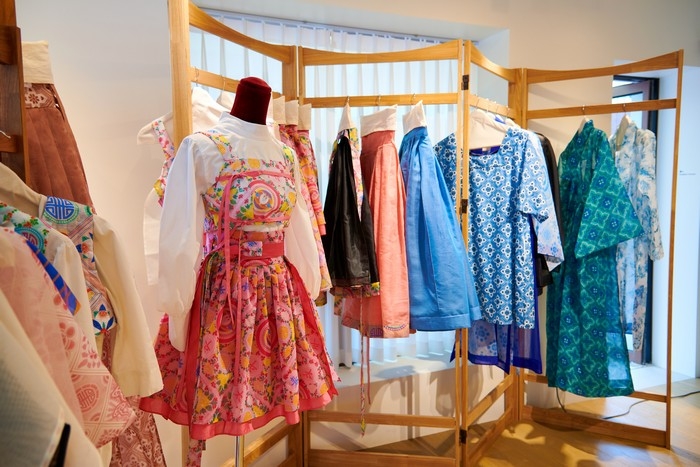
BLACKPINK's “HOW YOU LIKE THAT” music video created a sensation, reaching 100 million views within 32 hours of its release. The most noteworthy part of the music video was the hanbok they wore. Danha, which was in charge of making the costumes, improved the traditional hanbok and completely recreated it as a stage costume, garnering attention from all over the world. Danha is famous for designing hanboks using traditional patterns. The patterns engraved on the clothes in the BLACKPINK music video used the phoenix design pattern of the royal cloth. Danha's hanbok can be purchased through the online shop, and if you want to have it custom-made, you can visit Danha Maison after making a reservation.
Seoul Museum of History (서울역사박물관)
3.0Km 2025-01-17
55 Saemunan-ro, Jongno-gu, Seoul
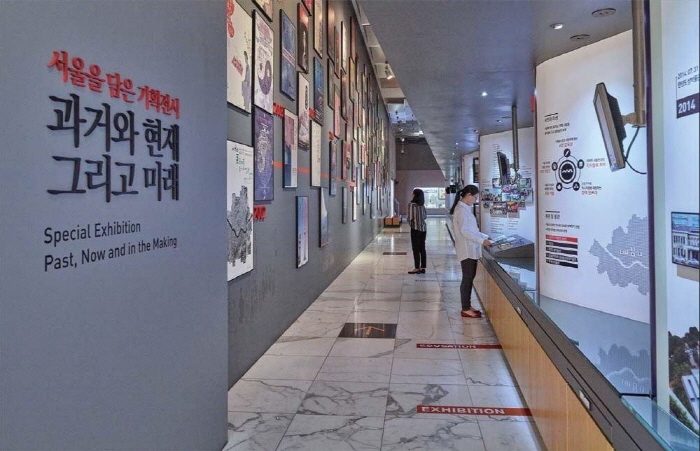
Seoul Museum of History covers everything about Seoul's history and culture from the prehistoric era to modern times, focusing especially on the Joseon era. The museum aims to raise cultural awareness and build a strong bond within the community by collecting, preserving, researching, and displaying artifacts and materials related to Seoul as well as promoting the city's history and culture to an international audience.
Palace Royal Guard Changing Ceremony (수문장 교대의식)
3.0Km 2025-07-11
161 Sajik-ro, Jongno-gu, Seoul
+82-2-3210-1645
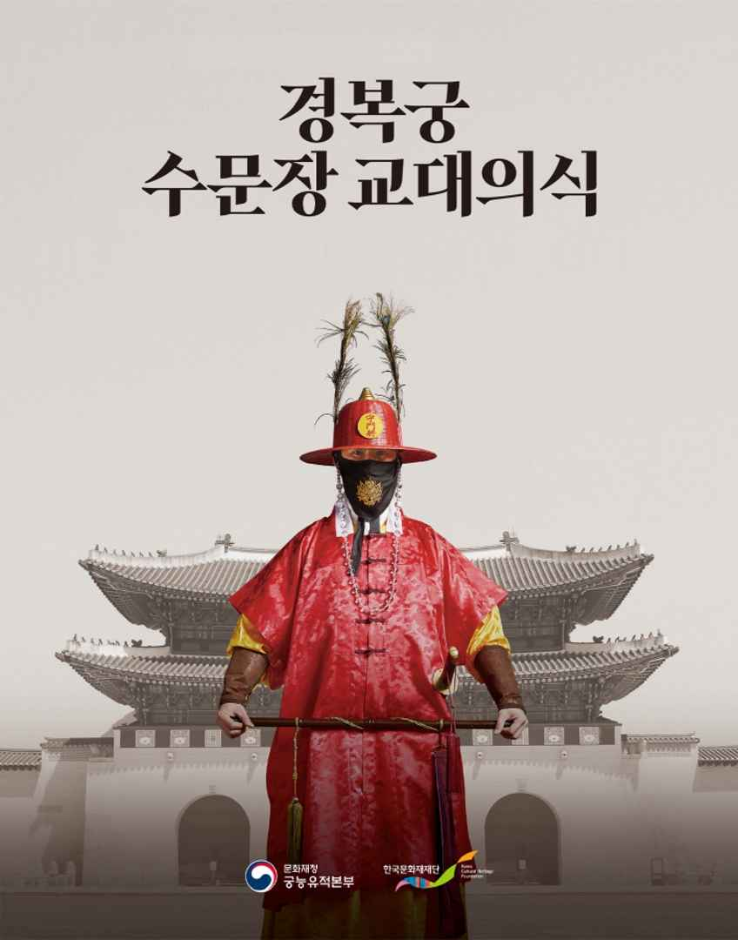
In the Joseon dynasty, the royal guards of the palace were gatekeepers who were responsible for guarding the the main gates of Gyeongbokgung Palace as well as the main gates of the city such as Heunginjimun Gate and Sungnyemun Gate. The royal guards worked in shift duties and were in charge of opening and closing Gwanghwamun Gate. Before the royal guard system was enforced in 1469, the palace gates were protected by soldiers of the central army. The Palace Royal Guard Changing Ceremony held at Gyeongbokgung Palace and the Gwanghwamun area reenacts the guard-changing procedure that took place during the Joseon dynasty, along with the reproduction of costumes and weapons, based on historical records.
![Lotte Outlets - Seoul Station Branch [Tax Refund Shop] (롯데아울렛 서울역점)](http://tong.visitkorea.or.kr/cms/resource/80/3003480_image2_1.jpg)
Lotte Outlets - Seoul Station Branch [Tax Refund Shop] (롯데아울렛 서울역점)
3.0Km 2024-07-30
405, Hangang-daero, Yongsan-gu, Seoul
- Located in the heart of transportation at Seoul Station, LOTTE Seoul Station offers convenience with easy access to nearby public transport and parking and holds a diverse selection of brands under the YOUNG & SPORTY concept. Experience top-notch services tailored to our foreign guests in our Global Service Room.
Samcheong-dong Street (삼청동길)
3.0Km 2025-01-22
107 Samcheong-ro, Jongno-gu, Seoul
It is said that Samcheong-dong was named from the story about the three "cheong" (Chinese character meaning clean) of the area, namely the mountain, water, and people. Another theory is that the origin of the region's name came from Samcheongjeon Hall where three tablets called "Taecheong," "Sangcheong," and "Okcheong," were set up based on Taoism. Samcheong-dong Street features a mixture of old scenes of hanok buildings with traditional beauty and modern scenes of galleries and cafés, creating a unique atmosphere. Visitors can feel the abundant cultural mood at every corner of the street through the art galleries, museums, antique shops, and quiet pathways.
Seosomun Historical Park (서소문역사공원)
3.0Km 2023-08-11
5, Chilpae-ro, Jung-gu, Seoul
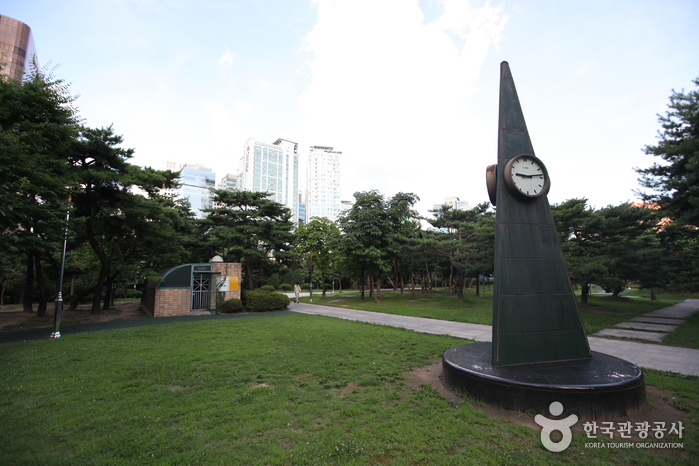
The Seosomun Gate area, which is located outside Seosomun Gate, was used as a persecution site in the 19th century before it turned into the local park of today. Many Catholics were suppressed and martyred here, making the area a holy site for Korean Catholics. Seosomun Gate was a gateway to Chilpae Market located near Namdaemun Gate. It was always busy with passerbys and the persecution site was established outside the gate to set an example of crime punishment to all the witnesses.
On May 15, 1999, a memorial tower was raised at the center of the park in honor of the martyrs. In 2013, Seoul's Jung-gu district also founded Seosumun Holy Shrine History Museum with a memorial exhibition hall in their honor.
Korean National Police Heritage Museum (경찰박물관)
3.0Km 2021-12-21
41, Saemunan-ro, Jongno-gu, Seoul
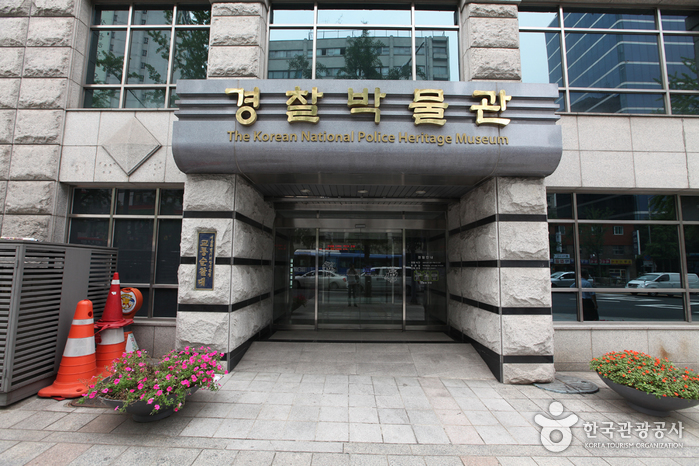
The police museum opened on October 14, 2005 to give a better understanding of the job of the police and to offer a formal education to children who wish to become police officers in the future. The history hall of the museum is designed for visitors to learn about the history of Korean police at a glance, exhibiting information on the police force from the Joseon dynasty up until current times.
Visitors to the museum can pretend to be police officers by touching actual equipment and learning about an officer's daily tasks. Visitors can also get in patrol cars, wear a police uniform, experience shooting a gun through a simulation, and learn self-defense martial arts and arrest techniques. Visitors can also go to the museum jail.
PKM Gallery (PKM갤러리)
3.0Km 2024-03-18
40 Samcheong-ro 7-gil, Jongno-gu, Seoul
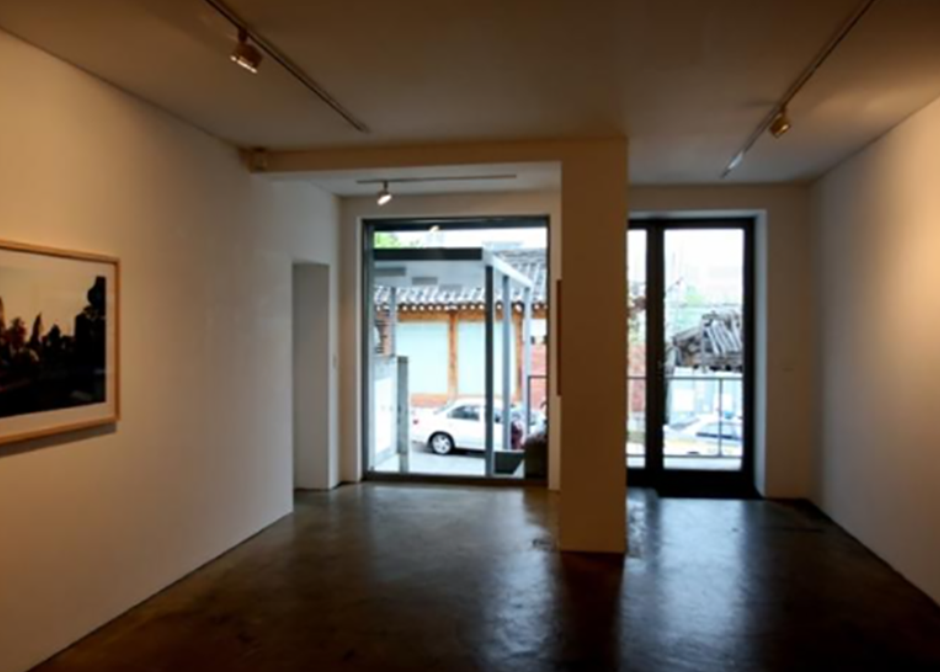
PKM Gallery, now providing 397 square meters of exhibition space, includes a main building with a maximum x_height of 5.5 meters comprising two upper stories and a two-story basement. PKM+, an annex built in 2018, has one upper story and a basement floor and is equipped with a boutique-like gallery space.
The gallery not only exhibits the works of leading figures in Korean contemporary art, but has also succeeded in introducing renowned international artists to the Korean audience. As an incubator for emerging young artists, PKM Gallery has been organizing exhibitions to encourage their growth as leading artists of the next generation. PKM gallery, the first among the Korean galleries invited to participate in the Frieze Art Fair in 2004, played a major role in advancing Korean contemporary art to the global art market.
 English
 한국어
한국어 日本語
日本語 中文(简体)
 Deutsch
 Français
 Español
 Русский


