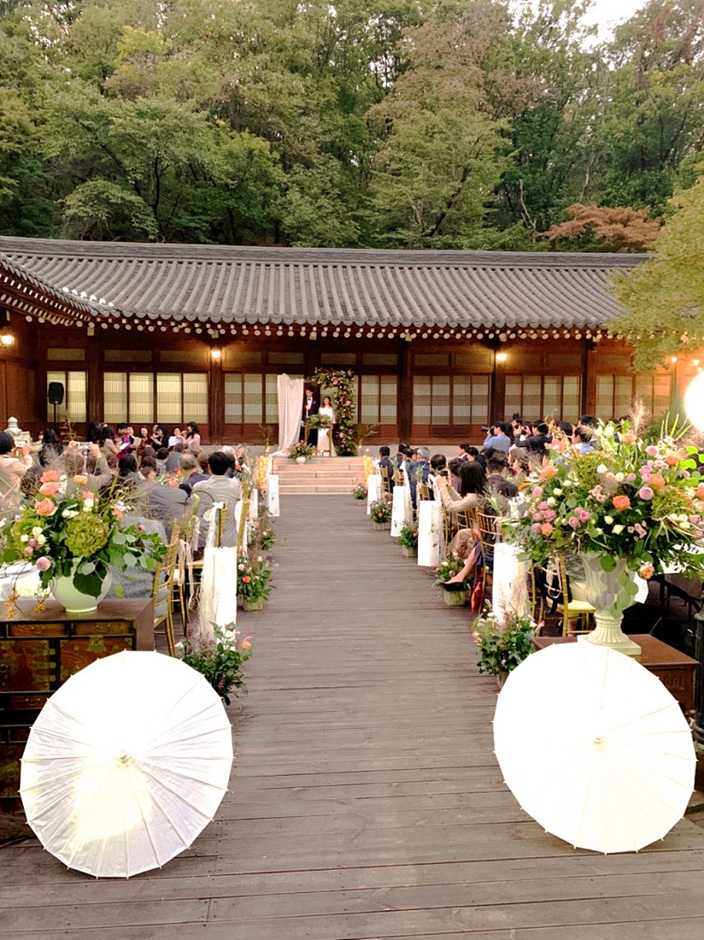
Seonungak (한옥카페 선운각)
13.0Km 2025-10-29
223 Samyang-ro 173-gil, Gangbuk-gu, Seoul
Seonungak is a hanok cafe facing Doseonsa Temple at the foot of Bukhansan Mountain, the perfect location to take in the beauty of the changing seasons. The cafe is also the largest hanok building outside of the royal palaces in Seoul. Previously limited to weddings and filming events, the hanok has reopened as a cafe, selling a range of traditional Korean drinks.

Samgaksan Mountain (삼각산)
13.1Km 2024-03-20
Samyang-ro 173-gil, Gangbuk-gu, Seoul
Samgaksan Mountain is a mountain situated on the northern outskirts of Seoul, resembling a folding screen. Its name, meaning triangular mountain, is derived from the presence of three high peaks: Baegundae Peak, Insubong Peak, and Mangyeongdae Overlook. The highest peak, Baegundae Peak, offers a panoramic view of Seoul from its summit, featuring a spacious rock surface where many visitors can sit. Positioned behind Gyeongbokgung Palace, the palace of the Joseon dynasty, Samgaksan Mountain is visible from the rear of the Cheong Wa Dae.
Laejoo Travel ((주)내주여행사)
13.1Km 2025-10-23
(#411), 534 Seobusaet-gil, Geumcheon-gu, Seoul
Laejoo Travel is founded in 2002 We primarily serve foreign tourists for luxury cruise group tours, various business visits, conferences, exhibitions, research exchanges, and foreign patient attraction.
Through years of accumulated expertise, we have gained long-term recognition from prominent travel agencies in China and continue to maintain strong collaborative relationships. As the travel industry restarts post-COVID, Laejoo Travelis more passionate and dedicated than ever before.
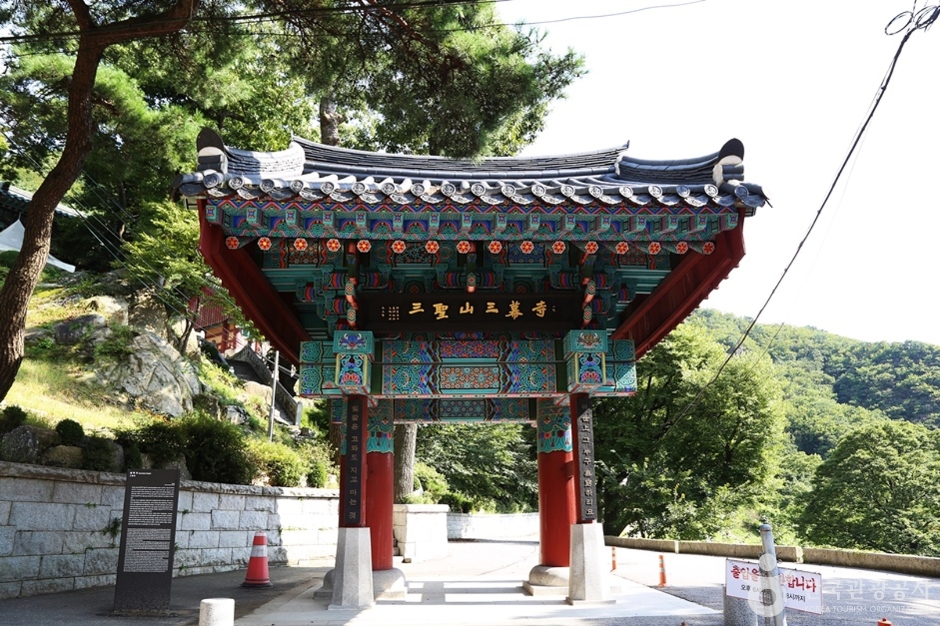
Sammaksa Temple (삼막사)
13.2Km 2024-02-07
478 Sammak-ro, Manan-gu, Anyang-si, Gyeonggi-do,
Sammaksa Temple is a Buddhist temple located in Samseongsan Mountain. Legend has it that the temple was established in 667 by Wonhyo, a Buddhist philosopher from the Silla era. Within the temple grounds are Cheonbuljeon Hall, Yukgwaneumjeon Hall, Myeongbujeon Hall, Manghaeru Pavilion, Chilbogak House, among others. The temple holds heritages like the Rock-carved Buddha Triad and the Fertility Stones. These artifacts, symbolizing the fusion of Buddhism and folk religion, highlights the ancient nature of the place.
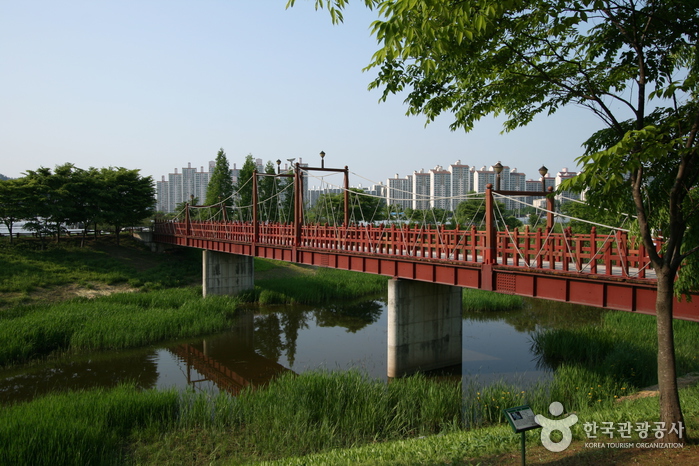
Jangja Lake Park (장자호수공원)
13.3Km 2022-01-01
878, Topyeong-dong, Guri-si, Gyeonggi-do
+82-31-550-2472
Guri City worked to improve the water quality of Jangja Lake in order to form the Jangja Lake Park and in the process an ecological zone was created. A 3.6 km tree-lined walking trail runs through the park and is frequently used by people enjoying an outing or getting some light exercise. Concerts, exhibitions, and other events are held on the outdoor stage on weekends and the park is widely used as a place to relax by local residents.
* Size - Area 107,385 m², average water depth 2.2 m (0.2 m~4.7 m), and walkway 4.6 km
Gwacheon Wildflower Nature Learning Center (과천야생화자연학습장)
13.3Km 2023-07-17
118, Gyoyugwon-ro, Gwacheon-si, Gyeonggi-do
Gwacheon Wildflower Nature Learning Center was opened to provide a place to learn about nature and harmony. The area is 6,900㎡ and has approximately 112 species of wildflowers. The learning center is divided into sections according to the type and use of wildflowers. The learning center also houses a traditional tightrope walking education center. Korean tightrope walking is registered as a UNESCO Intangible Cultural Heritage of Humanity. The site offers an educational tightrope walking experience program for those interested.
![Taereung and Gangneung Royal Tombs [UNESCO World Heritage] (서울 태릉과 강릉 [유네스코 세계문화유산])](http://tong.visitkorea.or.kr/cms/resource/16/2658216_image2_1.jpg)
Taereung and Gangneung Royal Tombs [UNESCO World Heritage] (서울 태릉과 강릉 [유네스코 세계문화유산])
13.3Km 2022-09-19
681, Hwarang-ro, Nowon-gu, Seoul
+82-2-972-0370
Designated as a Historic Site, Taereung & Gangneung Royal Tombs is comprised of two tombs. Taereung Royal Tomb houses the burial mound of Queen Munjeong who was the second queen of King Jungjong, the 11th King of the Joseon dynasty, and Gangneung Royal Tomb houses the burial mounds of King Myeongjong, the 13th King of Joseon dynasty, and Queen Insun. King Myeongjong ascended the throne after his elder brother, King Injong, when he was twelve years old at Geunjeongjeon Hall in Gyeongbokgung Palace in 1545. The king’s mother, Queen Munjeong ruled behind the scenes, acting as guardian for eight years.
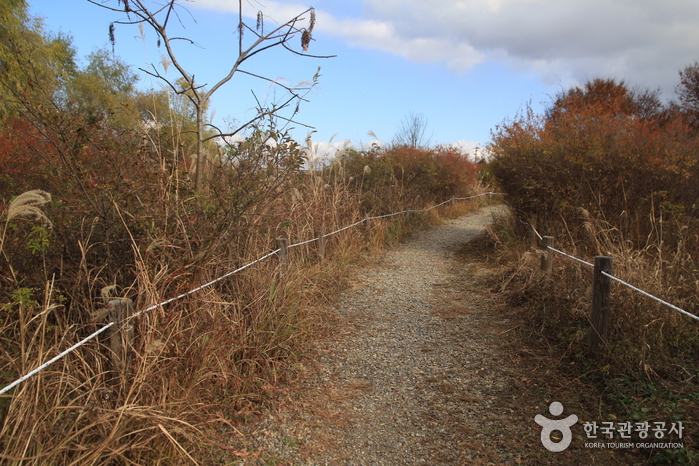
Godeok-dong Ecological Landscape Conservation Area (고덕동 생태경관 보전지역)
13.4Km 2021-06-10
Area of 396beon-ji, Godeok-dong, Gangdong-gu, Seoul
+82-3780-0848
Located next to the Godeok Riverside Restoration Area, the Godeok-dong Ecological Landscape Conservation Area is one of the most well-maintained ecological preservation sites in Seoul. The area includes Amsa Sluice Gate, Hoan, and Hangang River Reservoir. The area offers educational facilities for visitors to learn more about the ecosystem.
Wondangsaem Park (원당샘공원)
13.4Km 2024-02-15
16 Haedeung-ro 32ga-gil, Dobong-gu, Seoul
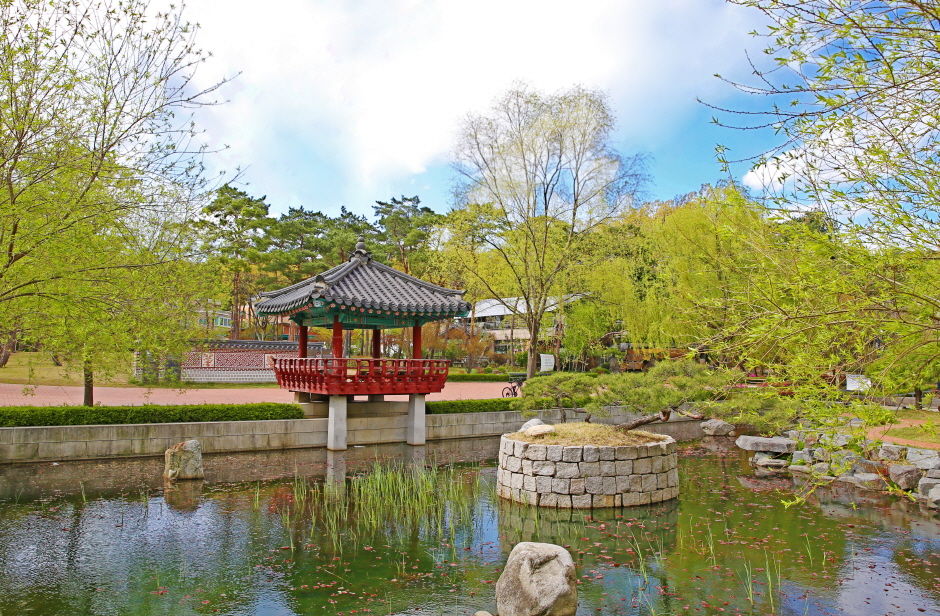
Wondangsaem Pond is named after the Wondang village, where the Yun family settled about 600 years ago. It is a park that harmoniously blends a traditional pond with a Hall of Rejoicing Pavilion called Samojeong, a wall fall, and a floral wall. During autumn, the golden foliage of an 800-year-old ginkgo tree enriches the surroundings, and a deck path around the tree offers a delightful stroll.
Seoul Hiking Tourism Center - Bukhansan Branch (서울도심등산관광센터(북한산))
13.5Km 2024-03-05
5F, 181-7 Ui-dong, Gangbuk-gu, Seoul
+82-1533-2608
The Seoul Hiking Tourism Center is located 5 minutes on foot from Exit 2 of Bukhansan Ui Station and provides various services to hikers. It provides hiking course guidance and information (available in Korean, English, Chinese, and Japanese) about the mountains of Seoul, including Bukhansan, Bugaksan, and Inwangsan Mountains, as well as promotional materials such as Seoul hiking tourism guidebooks and maps. Also, it operates hiking tour programs with various themes every week for foreigners and offers hiking gear rental services such as hiking boots, hiking attire, trekking poles, gloves, and crampons for foreigners. (Koreans accompanied by foreigners can also rent the gear.) In addition, there is a storage locker and lounge for visitors, so they can pack up and rest before hiking.
 English
 한국어
한국어 日本語
日本語 中文(简体)
 Deutsch
 Français
 Español
 Русский


