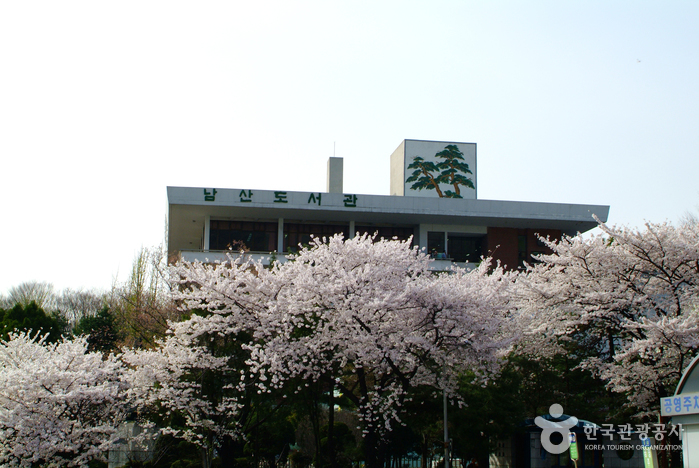
Namsan Library (서울특별시교육청 남산도서관)
2.4Km 2021-07-07
109, Sowol-ro, Yongsan-gu, Seoul
Namsan Library opened as Kyeongseong Prefectural Library in 1922 as a public library in Myeong-dong, Jung-gu, Seoul. The library was moved to the current site in 1964 with a newly built building and its name changed to Namsan Library in 1965. This concrete building was built in 1964 and was designed by architect Lee Haeseong. It was designated as Seoul Future Heritage in 2013, credited for its preservation value.
It is comprised of 19 rooms and educational areas including the Humanity and Social Science Hall, Nature Science Hall, Language and Literature Hall, Electronic Information Room and more. Since opening, the library has collected nearly 500,000 books, 16,000 non-book materials, 700 continuing resources, and other special materials like old books, oriental books (including Japanese books), and more. Namsan Library also operates a reading treatment program unique to this library that began in 2005. The program includes remodeling of reading consultation room, training for people in charge of reading treatment, workshops, programs for individuals and groups. Also, various exhibitions, lectures, shows, cultural classes and other events are available all year long to enhance lifelong education.
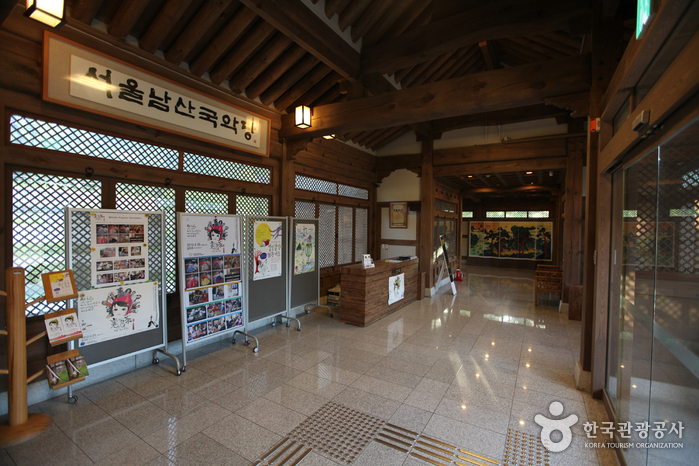
Seoul Namsan Gugakdang (서울 남산국악당)
2.5Km 2021-08-02
28, Toegye-ro 34-gil, Jung-gu, Seoul
Seoul Namsan Gukakdang was established by Seoul Metropolitan Government as a representative traditional art-centered performance hall in 2007. It is comprised of one ground and two basement levels. The performance hall is located on the basement floor with 300 seats, equipped with facilities that deliver pansori sounds and gayageum music to every seat. Visitors can make a reservation at the Namsangol Hanok Village website.

AMORE Spa (아모레퍼시픽 스파)
2.5Km 2025-01-10
21, Apgujeong-ro 29-gil, Gangnam-gu, Seoul
AmorePacific, a Korean brand, initially gained popularity in New York since its opening of AMORE Beauty Gallery & Spa in Soho, New York. The AMORE Spa is a popular spa and treatment center frequented by many international celebrities.
The AMORE Spa Seoul branch, opened in April 2005, offers approximately 30 different kinds of programs. One of the most popular spa programs is Spa Therapy, which uses a diverse range of natural therapy materials including lotus flower, ginger and bamboo. Another popular program is the Halla Green Tea program, which uses green tea leaves grown in Jeju's Hallasan Mountain. Other programs include Gold & Silver Energy Healing therapy, Mystic Bamboo Forest, facial therapies, body slimming and massages.
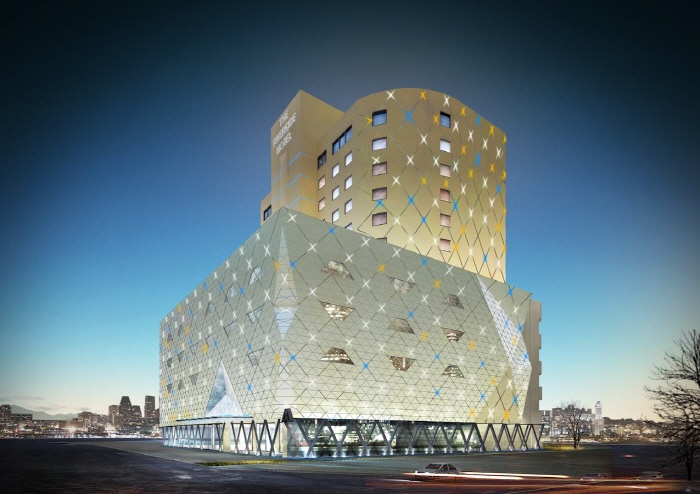
The Riverside Hotel (더 리버사이드 호텔)
2.5Km 2024-05-09
6, Gangnam-daero 107-gil, Seocho-gu, Seoul
Located in Jamwon-dong, the transportation hub of Seoul and the center of the Gangnam business area, The Riverside Hotel has outstanding views of the Hangang River and downtown Seoul. The hotel is located a convenient 5-minute walk from Sinsa Station (Subway Line 3). At The Riverside Hotel, guests can enjoy dining, leisure, and culture.
All guestrooms look out on the magnificent nightscape of the Hangang River. Subsidiary facilities include a conference and wedding hall, a top-quality Japanese restaurant, a custom-tailored fitness system, a luxurious spa, an indoor driving range, 24-hour interpretation service, and customer service provided by English and Japanese speaking staff. The beautiful interior decorations and comfort items make a stay in The Riverside Hotel feel like home, perfect for business travelers.
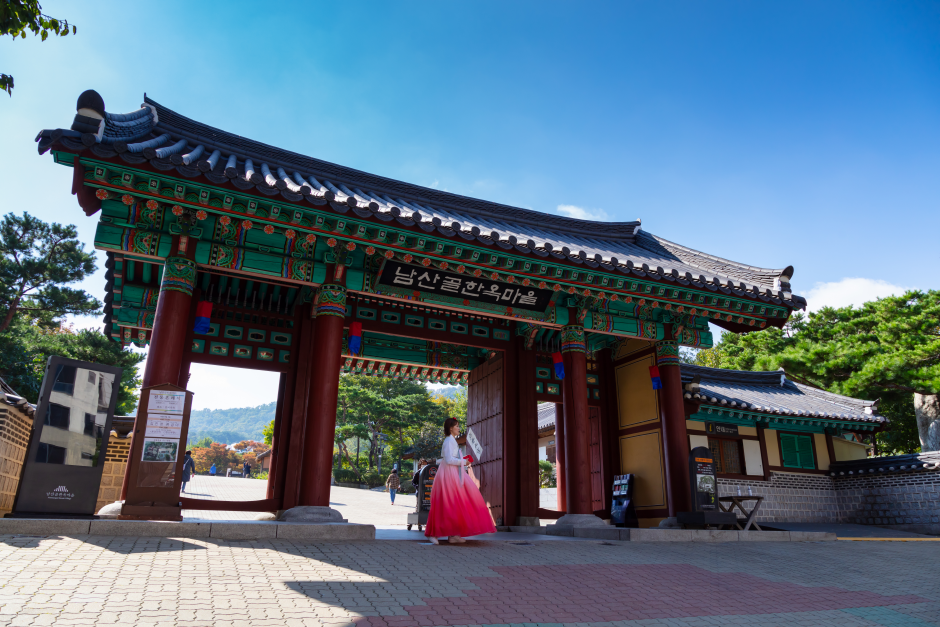
Namsangol Hanok Village (남산골한옥마을)
2.5Km 2025-07-14
28 Toegye-ro 34-gil, Jung-gu, Seoul
Namsangol Hanok Village opened in 1998 on the northern side of Namsan Mountain in the center of the capital. This village has five restored hanok (traditional Korean house) premises, a pavilion, a traditional garden, a performance art stage, and a time capsule plaza, making it a perfect spot for locals and tourists to take a leisure walk. Upon entering from the front gate, visitors will get a taste of Korea's traditional life while escaping from bustling city life. The traditional garden with its pavilion and old houses creates a peaceful ambiance before the forested Namsan Mountain. A time capsule commemorating Seoul’s 600th anniversary was buried in 1994 at the highest point of the village and is scheduled to be reopened 400 years later in 2394.
The five hanok premises at Namsangol Hanok Village once belonged to aristocrats and government officials of the Joseon dynasty. Each house was originally located in a different neighborhood, but they were all moved to this area and restored to their original form. The houses were rebuilt using their original materials, except for one house, where the materials were too old and deteriorated to be reused. The premises were carefully restored and replicated according to their original form to depict the owners’ social class and personality. These buildings are now used as an exhibit to portray the living environment during the Joseon dynasty and as a venue for educational and cultural programs for children and tourists.
Some of the unique programs and activities to participate in include wearing hanbok, folding hanji (traditional Korean paper), writing in Korean, traditional tea ceremony, traditional etiquette school, and herbal medicine experience. There are also taekwondo demonstrations and other various performances held around the village. Visitors can also try traditional games such as yunnori (traditional board game), or understand more about the area through a guided tour.
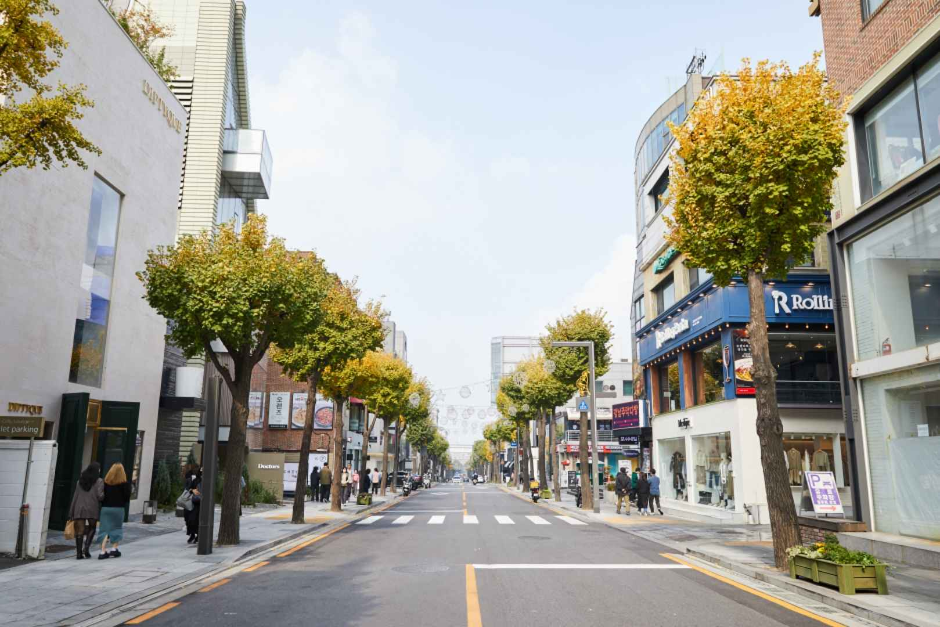
Sinsa-dong Garosu-gil Road (신사동 가로수길)
2.5Km 2024-12-02
Sinsa-dong, Gangnam-gu, Seoul
The ginkgo tree-lined street (Sinsa-dong Garosu-gil) that runs from Sinsa Station (Subway Line 3) to Hyeondae High School is a popular, upscale street in Seoul. The street (also known as ‘artists' street’) has an eccentric flair thanks to its variety of charmingly decorated coffee shops, and designer stores. Garosu-gil is particularly popular in autumn when the golden ginkgo leaves begin to fall. Furthermore, with continous popularity, it has become one of the most attractive film locations in the city.
DM Plastic Surgery (디엠성형외과)
2.5Km 2025-12-09
(2nd Floor), 158 Apgujeong-ro, Gangnam-gu, Seoul
DM Plastic Surgery is a clinic run by a doctor from Yonsei University College of Medicine, the first university in Korea to establish a plastic surgery department.
As a former professor of plastic surgery at Severance Hospital of Yonsei University College of Medicine for 16 years and a board member of the Korean Society of Plastic and Reconstructive Surgeons, the chief director of DM is always striving to be a model in the medical industry. We promise to spare no effort, guided by the tenet of diligence and sincerity, to advance plastic surgery technology in Korea and to fulfill our responsibilities as plastic surgeons.
Seoul Eungbongsan Mountain (응봉산(서울))
2.6Km 2024-07-05
1540 Geumho-dong 4-ga, Seongdong-gu, Seoul
From Eungbongsan Mountain, one can easily see the Hangang River, Seoul Forest, Jamsil Sports Complex and more in the eastern part of Seoul. With such a great view of the Hangang River, the mountain is often packed with visitors including many photographers. The mountain serves as a venue for diverse events, including a sunrise festival on New Year's Day and forsythia festival around April during the flowering season.

Spa Lei (스파레이)
2.6Km 2022-09-19
5, Gangnam-daero 107-gil, Seocho-gu, Seoul
Situated in Seocho-gu Jamwon-dong,
 English
 한국어
한국어 日本語
日本語 中文(简体)
 Deutsch
 Français
 Español
 Русский


