
Cha Gangnam Medical Center, Cha University (차의과학대학교 강남차병원)
4.5Km 2025-10-23
(Yeoksam-dong), 566 Nonhyeon-ro, Gangnam-gu, Seoul
CHA Gangnam Medical Center was founded in 1960 with the opening of CHA Obstetrics & Gynecology Clinic by Honorary Head Director Gyeong-seop Cha. In 1984, it expanded into a general hospital with 200 beds in Gangnam District.
As a specialized hospital for obstetrics and gynecology designated by the Ministry of Health and Welfare, CHA Gangnam Medical Center provides top-tier healthcare services through 14 specialized departments, including obstetrics and gynecology, and 39 specialized centers and clinics, such as Fertility Center, IVF Center, and the High-Risk Pregnancy Clinic. The hospital offers precise diagnoses and treatments, specializing in uterine fibroids and gynecological cancers, and utilizes cutting-edge minimally invasive surgical techniques to ensure minimal scarring and rapid recovery. It has also achieved the highest number of robotic surgeries in obstetrics and gynecology in the country, with over 5,000 procedures performed.
Since its establishment in 1984, CHA Gangnam Medical Center's Fertility Center has pioneered numerous groundbreaking achievements, including the birth of the first test-tube baby at a private hospital in Korea, the country's first successful intracytoplasmic sperm injection (ICSI), the world's first birth through in vitro maturation of an immature oocytes, and the first baby born from vitrified (frozen) eggs. These accomplishments have earned the hospital global recognition for its research and development.
The Story of King Sejong (세종이야기)
4.5Km 2022-09-13
jiha 175, Sejong-daero, Jongno-gu, Seoul
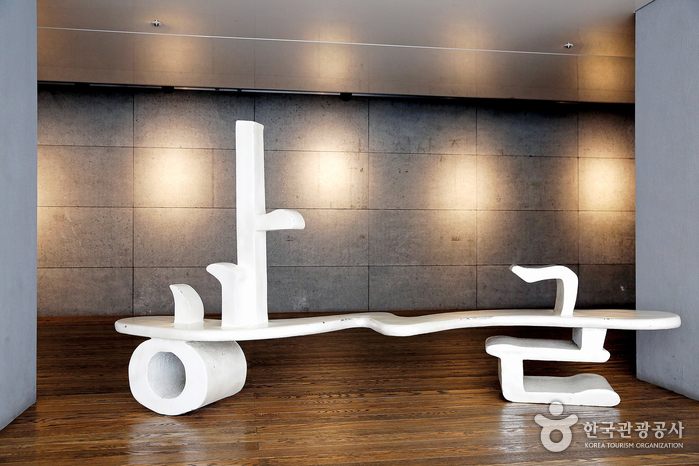
The Story of King Sejong comprises six different sections with a total area of 3,200 square meters. The museum consists of exhibition zones, an event space, video room, shop and more to display King Sejong’s scientific, artistic, military, and political contributions, including the theory of Minbon, which recognized the people as the base of politics. King Sejong, the 4th king of the Joseon dynasty (1397-1450, reigning from 1418-1450) was responsible for some of the most brilliant achievements in the history of Korea, including the creation of Hangeul (Korean alphabet) and great advancements in the areas of science, culture, art and politics.
Pixelab Beauty Clinic (픽셀랩성형외과의원)
4.5Km 2025-12-09
3rd Floor, Gangnam Station Riga Square, 42 Seocho-daero 73-gil, Seocho-gu, Seoul
Pixelab Beauty Clinic, under the design motto of “Bespoke Pixel Design,” focuses on enhancing each individual’s unique beauty and uncovering the hidden details within the face to elevate the true value of beauty. Through the perspective of board-certified plastic surgeons, the clinic specializes in non-surgical aesthetic design that has been embraced not only in Korea but also by a wide range of clients globally, establishing itself as a trusted and beloved aesthetic medical institution.
Theatre Changdeokgung (창덕궁 소극장)
4.5Km 2021-12-07
88-1, Donhwamun-ro, Jongno-gu, Seoul
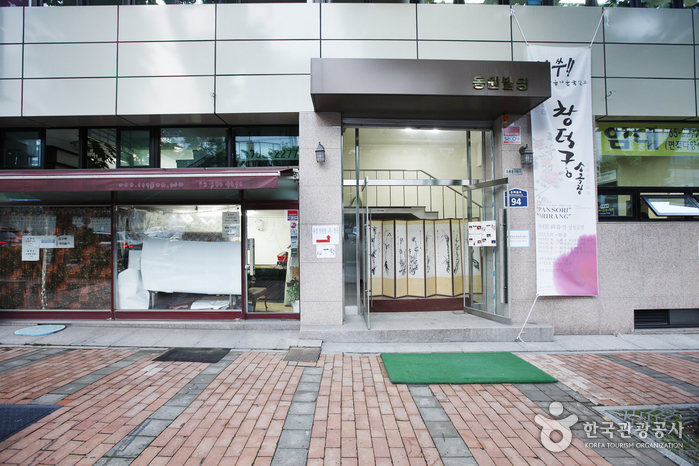
Theatre Changdeokgung is located across from Changdeokgung Palace in the Gugak-ro Special Cultural Zone of Seoul. To recreate the traditional Korean entertainment setting and offer a better view of the stage, the theater is designed with floor seatings facing a platform stage. The theater offers a wide array of performances including samulnori (traditional Korean percussion quartet), traditional Korean music, and madanggeuk (a play infused with traditional music and performances). First time visitors often find the creative and cozy experience create a lasting memory of Korean culture and arts. Also nearby the theater are a number of tourist attractions including Changdeokgung Palace, Unhyeongung Palace, Jongmyo Shrine, and Insa-dong.
Korea Medical Tourism Promotion Association ((사)대한의료관광진흥협회)
4.5Km 2025-10-23
(#601) 29-3 Saemunan-ro 9-gil, Jongno-gu, Seoul
The Korea Medical Tourism Promotion Association aims to attract over 100,000 medical tourists within three years by establishing a structured system for attracting medical tourists, training specialized personnel, and supporting both domestic and international medical tourism. With the increasing number of foreign visitors coming to Korea for various purposes beyond tourism, such as international conferences, business, and exhibitions, there is a growing need for specialized services.
Plans is a company that can meet all these diverse customer needs. ceremonial arrangements, tours, and events often proceed irregularly due to changes in weather, group size, and transportation. To address these variables, Plans, the plural form of "Plan," represents a company that is always prepared from start to finish. It is a leading VIP travel agency in Korea, tailored to meet the needs of its clients.
Seoul Folk Flea Market (서울 풍물시장)
4.5Km 2025-04-11
21 Cheonho-daero 4-gil, Dongdaemun-gu, Seoul
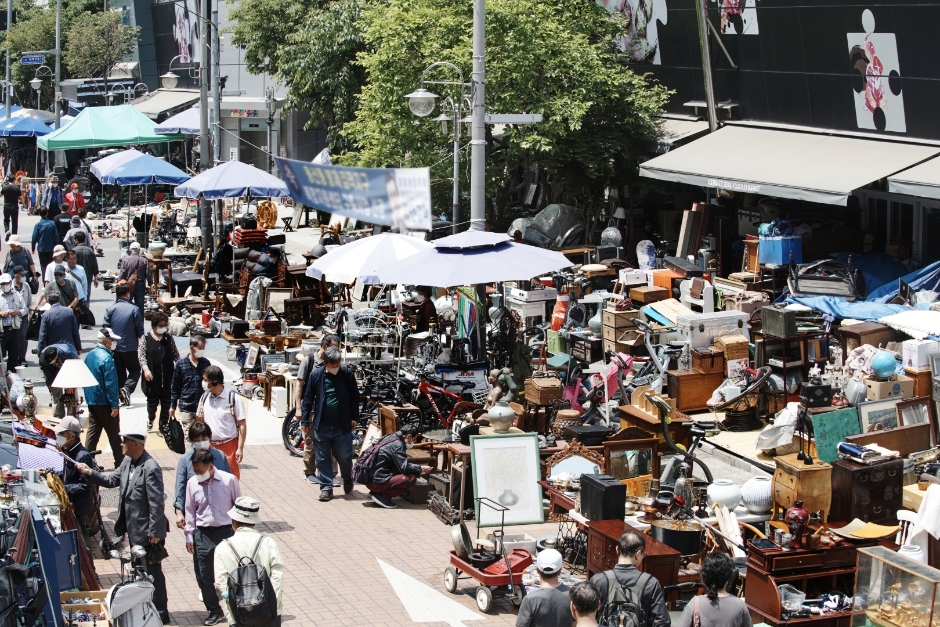
The Seoul Folk Flea Market is located around Cheonggyecheon Stream's Hwanghakgyo Bridge and Sinseol-dong Station and is on its way to becoming a famous tourist attraction along with the already famous Cheonggyeocheon Stream. The Seoul Folk Flea Market is one of the major folk flea markets preserving the culture of the traditional Korean marketplace and drawing in visitors with a range of folk items that embody the unique charm of Korea. Folk items include everyday items, souvenirs, traditional goods and even traditional foods, allowing visitors to enjoy shopping and eating all under the same roof.
The Seoul Folk Flea Market originated from the flea market in Hwanghak-dong where many street shops and vendors gathered around Cheonggyecheon Stream before it was restored and modernized into its current state. The market was relocated to the Dongdaemun History & Culture Park (Formerly Dongdaemun Stadium) while the Cheonggyecheon Stream was undergoing restorations, and was moved back to Cheonggyecheon Stream sometime later. Seoul City aims to market Seoul Folk Flea Market as a new shopping spot at its current location, the former site of Sungin Girls' Middle School on Cheonggyeo 8-ga Street, near Cheonggyeocheon Stream to develop the Korean representative folk flea market-related tourism industry.
The main items of the Seoul Folk Flea Market include a diverse range of folk items, traditional crafts, local specialties and fashion items. You may also enjoy a range of foods and snacks including traditional Korean food and fusion cuisine from all over the world. What is special about the market is that you can find rare goods and authentic traditional items that cannot be found at other markets. The market atmosphere is a mix of old, revered traditions and modern aspects, providing visitors with a great shopping experience. The Seoul Folk Flea Market is truly a traditional flea market well worth visiting.
King Sejong Statue (세종대왕 동상)
4.5Km 2024-03-04
175, Sejong-daero, Jongno-gu, Seoul
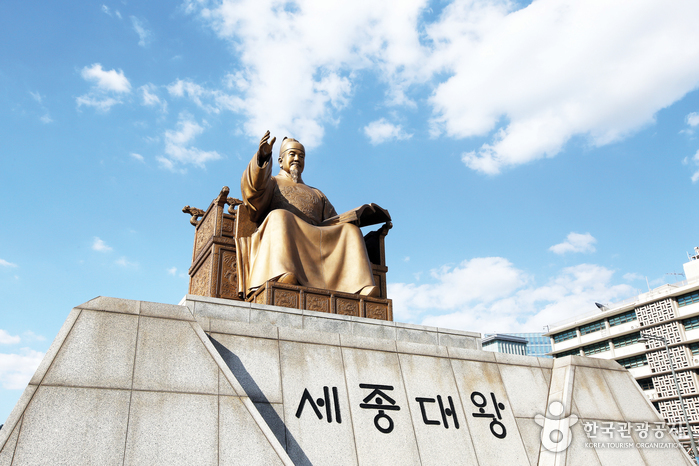
King Sejong Statue can be found at Seoul’s Gwanghawmun Square. The statue commemorates King Sejong the Great (1397-1450, reign 1418-1450), the fourth king of Joseon (1392-1897). He is thought to be the greatest king in Korean history, for he is credited with great developments in science and technology, expansion of Joseon’s territory, and the creation of the Korean script, [Hangeul]. King Sejong’s likeness can be found on the 10,000 won bill as well.
Salgoji Sports Park (살곶이 체육공원)
4.5Km 2024-03-20
16-18 Sageundong-gil, Seongdong-gu, Seoul
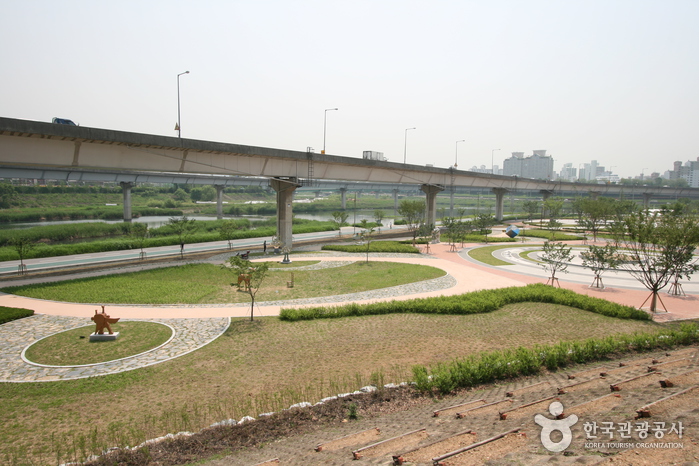
Salgoji Sports Park is located along the Joongnangcheon Riverside near Hanyang University. Its name "Salgoji" holds deep historical significance, meaning "the place where an arrow is shot" in Korean. The park features facilities such as an inline skating rink, soccer field, basketball court, and badminton court. There are dedicated bicycle paths and pedestrian walkways around the park. Throughout the year, walking festivals and mini marathons are organized, making it a beloved spot among cyclists. In the summer, an outdoor water playground is operated.
Jeongdong-gil Road (정동길)
4.5Km 2024-06-19
2-1 Jeongdong-gil, Jung-gu, Seoul
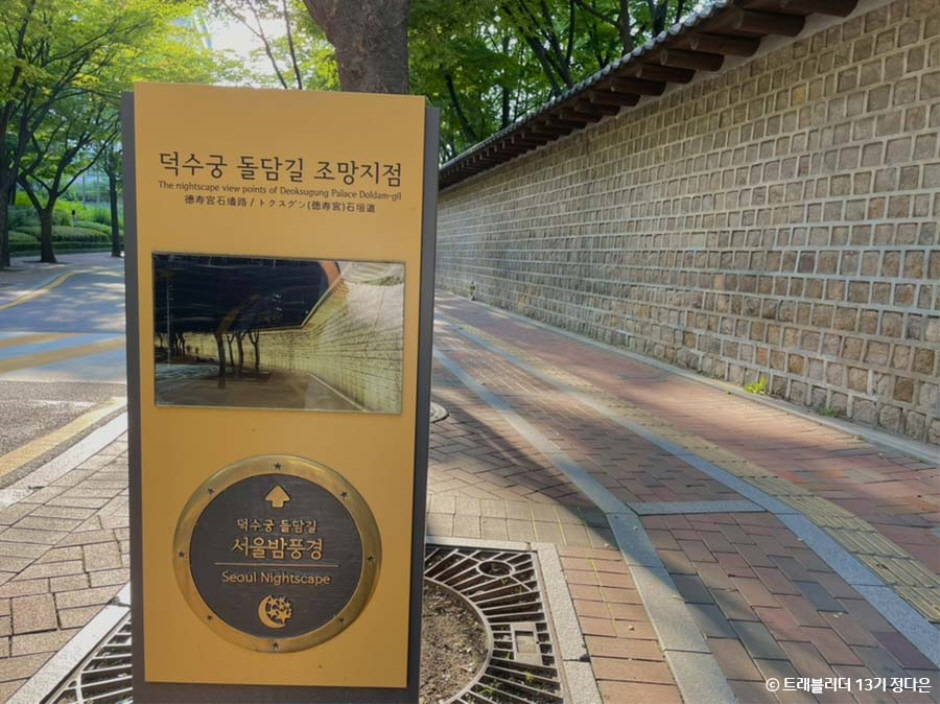
Jeongdong-gil Road is one of Seoul's most famous walking paths, stretching from the intersection in front of Jeongdong Church to Saemunan-gil Road. The street holds importance in Korea's modern history, with the surroundings serving as a living museum of this. During the Joseon dynasty, the area developed into a residental space for distant members of the royal family, with a palace and royal tombs in the area. In 1999, the pedestrian walking area was expanded by turning the two-way road into a one-way road. Since then, the road has earned many awards and honors.
 English
 한국어
한국어 日本語
日本語 中文(简体)
 Deutsch
 Français
 Español
 Русский


