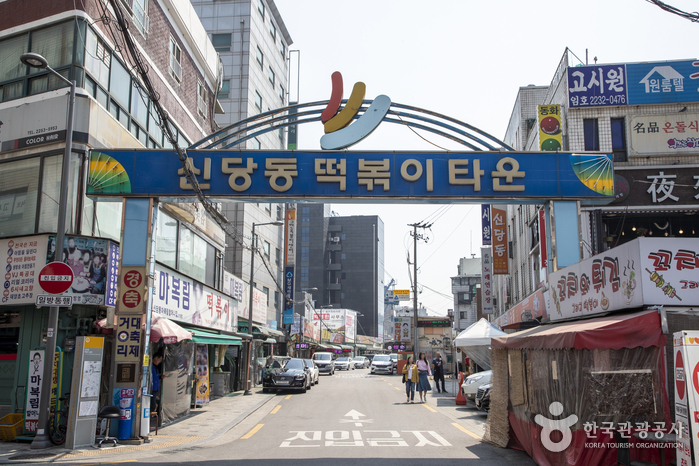
Sindang-dong Tteokbokki Town (신당동떡볶이골목)
3.1Km 2022-10-25
10-18, Dasan-ro 33-gil, Jung-gu, Seoul
Sindang-dongTteokbokki Town started in the late '70s, although the alley did not become famous until the '80s. At that time, each restaurant had its own DJ booth, with the image of the "cool DJ" who played the music becoming a symbol of Sindang-dong Tteokbokki Town. In addition, this period also marked the prime time of high school baseball where students would crowd the streets on days when Duksoo Commercial High School and Sunrin Commercial High School (now Sunrin Internet High School) played against one another. Although these high school students have aged, they continue to visit the area, reliving their youth and continuing to indulge in the specialty tteokbokki.
However, some claim the history of this alley began in the 1950s. The owner of Mabongnim Halmeoni Tteokbokki restaurant says tteokbokki was being sold as early as 1953 as the area used to be home to Donga Theater and she sold tteokbokki, corn and potatoes to those visiting the theater. At first, tteokbokki was simply made with gochujang (red chili paste) but as time went by, cooks decided the dish could be more than just a snack. By adding ingredients like eggs, cellophane noodles, fish cakes, instant noodles and more recently squid, prawn and cheese, tteokbokki can be made more delicious and turns this beloved snack into a full meal.
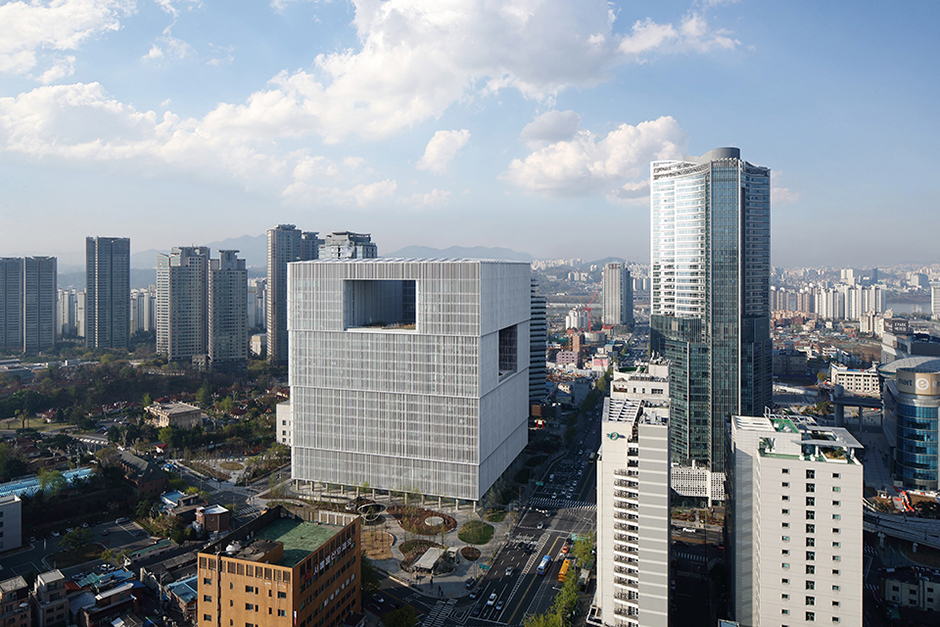
Amorepacific Museum of Art (아모레퍼시픽미술관)
3.1Km 2024-12-31
100 Hangang-daero, Yongsan-gu, Seoul
Amorepacific Museum of Art, located in Yongsan-gu, Seoul, was originally a museum exhibiting artworks collected by the late Seo Seong-hwan, the founder of Amorepacific, but later changed its name to Amorepacific Museum of Art, or APMA, in 2009 and has since been operating as an art exhibition hall. The mission upon its foundation was seeking to be "a space where beauty in the midst of daily lives is discovered" and communicating with the public. In accordance with this objective, the museum collects, researches, and exhibits Korean ancient art and both Korean and international contemporary art while, also, aiding researchers, scholars, and young artists. The underground exhibition hall hosts diverse exhibits encompassing ancient art, contemporary art, and Korean art. The 1st floor of the "Atrium," an enormous space that continues from the 1st to 3rd floors, features the museum lobby, a museum shop, an exhibition space called "APMA Cabinet" and apLAP, which is a library of art exhibition brochures from around the world. The art museum is located on the 1st floor of the new Amorepacific headquarters building, a famous work of architectural beauty of Yongsan designed after white porcelain.

The Clim Clinic (더끌림산부인과의원)
3.1Km 2025-10-23
(12th Floor, 2431 Building),109 Toegye-ro, Jung-gu, Seoul
For your healthy and beautiful life,
The Clim: Women Care Medical Group is always here for you.
At The Clim, female medical staff from Samsung Medical Center offer one-on-one consultations and personalized treatments.
Our all-female medical team provides emphatic care, understanding our patients better than anyone else.
We always listen to and address your deepest worries with warm-hearted treatment that is attuned to the needs of women, delivered by medical staff who possess both skills and expertise.
Our team consists solely of female obstetrician/gynecologists who have a deep empathy and understanding for their patients, ensuring that each patient feels more comfortable and satisfied with their procedures.
Drawing on our extensive experience, we promise to carefully consider each patient's unique physical structure, characteristics, and concerns, allowing us to effectively address even the most profound worries.
Global Plastic Surgery (글로벌성형외과의원)
3.1Km 2025-10-23
8F, 846 Eonju-ro, Gangnam-gu, Seoul
Since its opening in 1990, Global Plastic Surgery aims to continue its operation based on its zero-accident tradition and expertise. It has become a major Korean medical brand consisting of specialists in each field. As a hospital that leads medical hallyu and sets an example to other clinics, Global Plastic Surgery is committed to research with a sense of duty and responsibility.
Global Plastic Surgery operates Aesthetic Surgery Center with 30 years of clinical experience; the Global Stem Cell Research Center dedicated to rejuvenation from the cellular level; and the Global Anti-aging Center. The clinic is exerting its best efforts as a life-long beauty clinic customized for the customer's lifestyle.
In return for the love and trust given to them, all members of Global Plastic Surgery treat customers like family and exert their best efforts to provide top-quality services to each customer through cutting-edge medical technology.
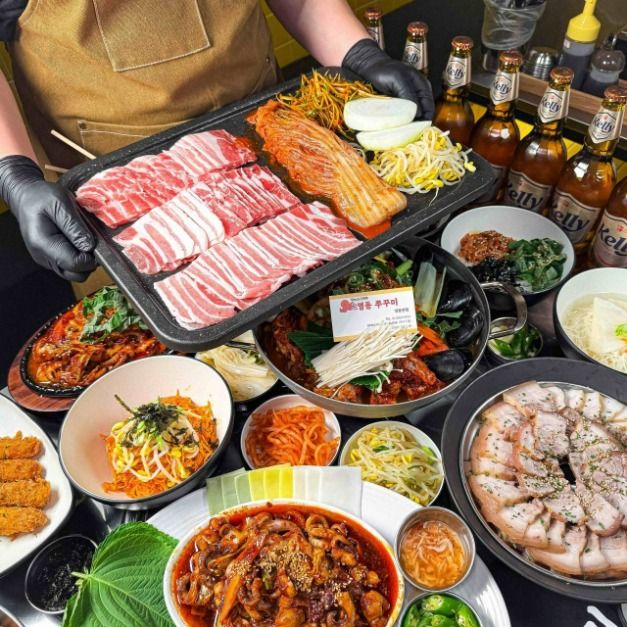
Myeongdong Jjukkumi (명동쭈꾸미)
3.1Km 2025-07-23
3-28 Toegye-ro 6-gil, Jung-gu, Seoul
Myeondong Jjukkumi is a jjukkumi (ocellerated octopus) restaurant located in Jung-gu, Seoul. It only takes about a 1-minute walk from Hoehyeon Station (Seoul Subway Line 4), Exit 2, a convenient location for both tourists and people who work in the area. Main menu items consist of jjukkumi and samgyeopsal (grilled pork belly), pork galbi (rib meat), bossam (cabbage wraps with pork), among other set menus. All dishes are cooked in the kitchen, and are known for their spicy kick and savory taste. The restaurant can accommodate group guests as it has a spacious hall as well as outdoor tables. Customers dining at the restaurant can help themselves to more side dishes at the self-service side dish bar and enjoy a hearty meal at a reasonable price.
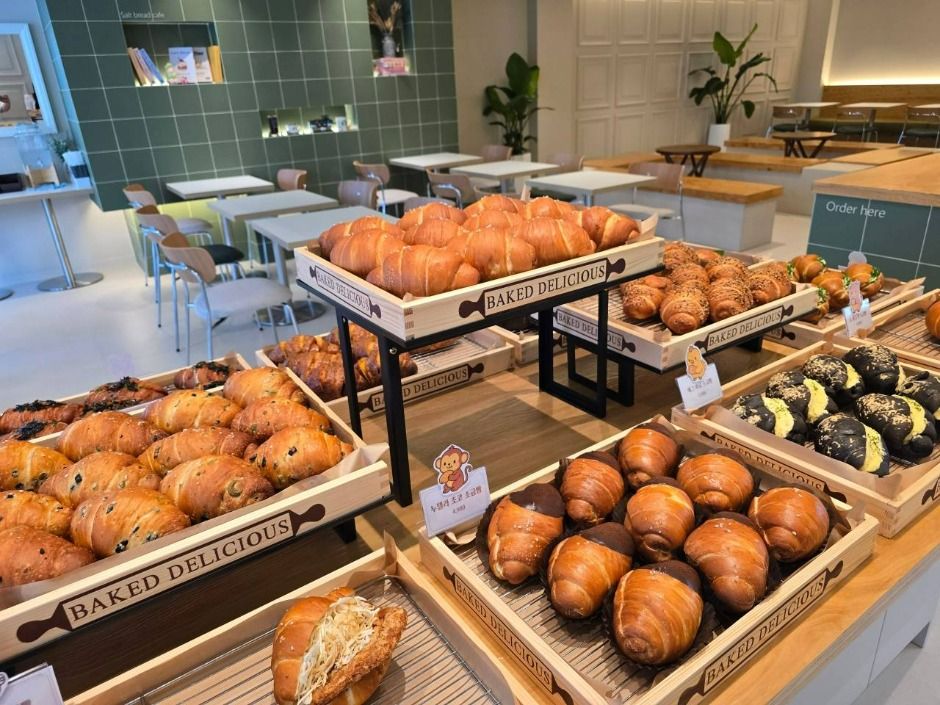
Bokidang (복이당)
3.1Km 2025-09-15
3-28 Toegye-ro 6-gil, Jung-gu, Seoul
Bokidang is a handmade salt buns specialty bakery cafe located in Jung-gu, Seoul. It is conveniently located just a 30-second walk from Exit 2 of Hoehyeon Station, situated in an area with high foot traffic from office workers and tourists. Bokidang presents handmade salt bread and beverages made with carefully selected fresh ingredients, with the hope that "everyone who eats will be blessed." The signature menu features a lineup of salt breads inspired by the 12 zodiac animal characters, each embodying health, wishes, and small happiness in a single bite. The store has a clean and warm atmosphere with an indoor seating area and outdoor seating, accommodating group guests and offering takeout for added convenience.
Arumdaun Nara Dermatology Clinic - Myeongdong (아름다운나라피부과의원 명동점)
3.1Km 2025-11-21
4th Floor, 6 Myeongdong 8na-gil, Jung-gu, Seoul
Founded in 2000. Our clinic is led by a board-certified dermatologist. One of only 2% of doctors in Korea who are certified dermatology specialists who personally provides all consultations and treatments.
Yoojung Restaurant (유정식당)
3.1Km 2025-10-29
14 Dosan-daero 28-gil, Gangnam-gu, Seoul
Yoojung Restaurant is well-known, despite being located in a side-street, thanks to its having been frequented often by BTS members during their training days. BTS fans will love seeing the many pictures and posters of BTS decorating the walls, and can enjoy the same dishes loved by their idols. Some of the stars' most ordered dishes have had their names changed to reflect this.
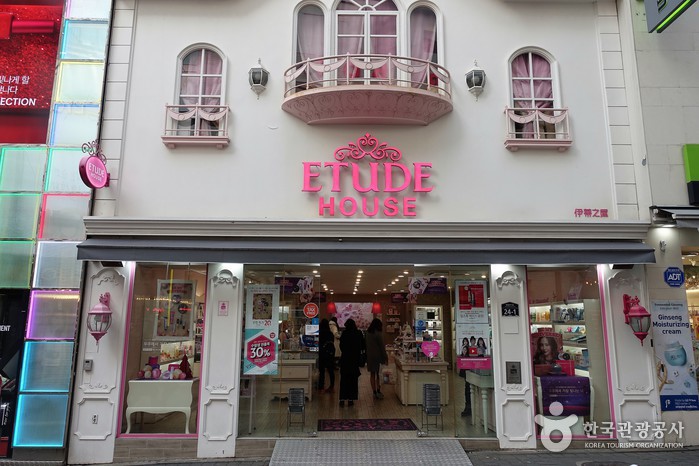
Etude house myeongdong chungmuro / 에뛰드하우스(명동충무로점)
3.1Km 2025-08-11
24-1, Myeongdong 8na-gil, Jung-gu, Seoul
Etude House is a cosmetics brand that sells makeup, hair, and fragrance products. The Etude House Myeongdong Chungmuro Branch, located in the heart of a major shopping district, carries a wide selection of cosmetics that customers may test before purchasing. Moreover, the brightly lit store interior, designed with a princess bedroom decor, adds fun to the experience.
It is visited largely by foreign customers from Japan, Thailand, China and other East Asian countries. To facilitate an easy shopping experience, the shop always has foreign staff available to assist. The most popular items include creams made using snail extract, lipsticks and eye shadows. Etude House also has many sales on facial mask packs, and tax refunds are available.
 English
 한국어
한국어 日本語
日本語 中文(简体)
 Deutsch
 Français
 Español
 Русский


