
Arumdaun Nara Dermatology Clinic - Myeongdong (아름다운나라피부과의원 명동점)
3.2Km 2025-11-21
4th Floor, 6 Myeongdong 8na-gil, Jung-gu, Seoul
Founded in 2000. Our clinic is led by a board-certified dermatologist. One of only 2% of doctors in Korea who are certified dermatology specialists who personally provides all consultations and treatments.
Shinsegae Department Store - Main Store (신세계백화점 (본점))
3.2Km 2025-04-07
63 Sogong-ro, Jung-gu, Seoul
+82-1588-1234
Shinsegae Department Store opened its doors as the first modern department store in the country in 1960. It stands where Korea's first department store, the Japanese Misreukkosi Department Store, used to be in the 1930s. After undergoing remodeling in 2007, it reopened as a luxury hall, featuring diverse brands ranging from the top three international luxury brands to new designer brands. In addition, the Trinity Gardens and art halls in the department store serve as a cultural space for a shopping experience that combines art and shopping.
High Eye Center (하이안과)
3.2Km 2025-10-23
3F, 119 Dosan-daero, Gangnam-gu, Seoul
High Eye Center puts priority on patients, rather than diseases. The clinic treats patients, not diseases.
Patients with the same diseases have different levels of discomfort, and how to treat patients differs depending on their lifestyle and circumstances.
High Eye Center tries to solve inconveniences that patients have through customized solutions. With skilled medical staff boasting abundant experience and customized treatment systems, the clinic provides reliable eye disease treatments as well as surgeries. Furthermore, the clinic owns university hospital-level medical equipment.
Through ceaseless research, High Eye Center developed and obtained a patent on a surgical retinal illuminator from the Korean Intellectual Property Office, the only case of its kind in Korea.
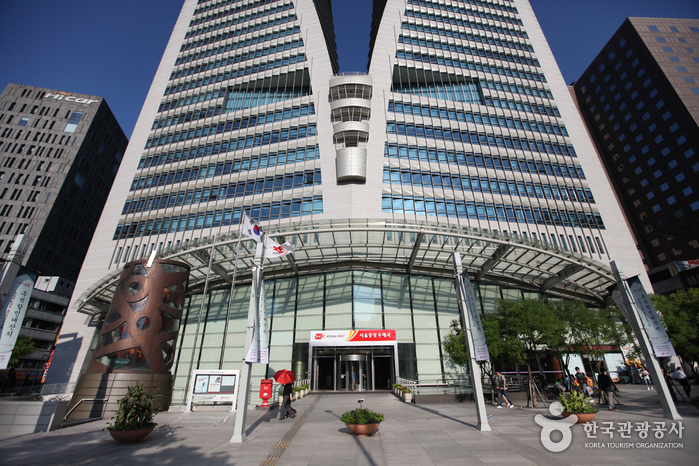
Korea Postage Stamp Museum (우표박물관(구.우표문화누리))
3.2Km 2024-03-06
B2, 70, Sogong-ro, Jung-gu, Seoul
+82-2-6450-5600
The Korea Postage Stamp Museum was established to promote stamp culture. Here, visitors can explore the history of stamps throughout the ages, with a wide variety of subjects and types. Its main facilities include Postal Service History, Hands-on Postage Stamp Experience, Informative Postage Stamps, and Philately Classroom. Reservations are required for weekend tours and can be made on the website.
Deesse Plastic Surgery (청담여신성형외과의원)
3.2Km 2025-10-29
(14th-15th Floors, Nonhyeon-dong), 108 Dosan-daero, Gangnam-gu, Seoul
Deesse Plastic Surgery provides the highest level of medical care in Korea in the fields of lip plastic surgery, rhinoplasty, facial bone contouring, face-lift, and eyelid surgery. Many foreign patients are visiting us after hearing about our reputation. In order to provide high-quality medical services to foreign patients, we have interpretation coordinators available for Japanese, Chinese, Thai, and other languages on site. Also, we constantly strive to improve the quality of medical services to ensure the best experience for international patients. As a result, the hospital is rapidly gaining recognition by people around the world interested in receiving plastic surgery in Korea, and the results have been remarkable and foreign customers who visited our hospital showed high satisfaction. Our efforts have been rewarded in 2023 as we were designated by the Ministry of Justice for excellent medical tourism.
Trinity Women's Clinic (트리니티여성의원)
3.2Km 2025-10-23
3F, 108 Dosan-daero, Gangnam-gu, Seoul
Trinity Women’s Clinic provides the best medical service for women suffering from health issues unique to women, such as vaginitis, fibroids, and menopause.
The clinic aims to enhance patients’ quality of life through accurate and safe treatments. It aspires to become a reliable clinic that treats both women's minds and bodies. The clinic focuses on women's health and uterine treatments. At the same time, it guarantees optimum outcomes realized through its proven facilities, equipment, and safe medical environment.
Through continuous technological development and acquiring new medical knowledge, Trinity Women’s Clinic offers innovative treatments, including HIFU procedures, to improve patient health.
Ruby Plastic Surgery Clinic (루비성형외과의원)
3.2Km 2025-10-23
9th-10th Floors, Lex Tower, 108 Dosan-daero, Gangnam-gu, Seoul
Ruby Plastic Surgery, located at Sinsa Station in Gangnam, is a premium medical institution where board-certified specialists in plastic surgery and dermatology collaborate to provide personalized beauty solutions. We offer a comprehensive range of treatments including eyes, nose, facelift, facial contouring, body contouring, body lift, skin lifting, and skin rejuvenation. With extensive experience in serving international patients, we ensure safety, state-of-the-art equipment, and a systematic post-care program. Prioritizing patient satisfaction and natural results, we deliver medical services at a truly global standard.
AMORE Spa (아모레퍼시픽 스파)
3.2Km 2025-01-10
21, Apgujeong-ro 29-gil, Gangnam-gu, Seoul
+82-2-512-3067
AmorePacific, a Korean brand, initially gained popularity in New York since its opening of AMORE Beauty Gallery & Spa in Soho, New York. The AMORE Spa is a popular spa and treatment center frequented by many international celebrities.
The AMORE Spa Seoul branch, opened in April 2005, offers approximately 30 different kinds of programs. One of the most popular spa programs is Spa Therapy, which uses a diverse range of natural therapy materials including lotus flower, ginger and bamboo. Another popular program is the Halla Green Tea program, which uses green tea leaves grown in Jeju's Hallasan Mountain. Other programs include Gold & Silver Energy Healing therapy, Mystic Bamboo Forest, facial therapies, body slimming and massages.
DM Plastic Surgery (디엠성형외과)
3.2Km 2025-12-09
(2nd Floor), 158 Apgujeong-ro, Gangnam-gu, Seoul
DM Plastic Surgery is a clinic run by a doctor from Yonsei University College of Medicine, the first university in Korea to establish a plastic surgery department.
As a former professor of plastic surgery at Severance Hospital of Yonsei University College of Medicine for 16 years and a board member of the Korean Society of Plastic and Reconstructive Surgeons, the chief director of DM is always striving to be a model in the medical industry. We promise to spare no effort, guided by the tenet of diligence and sincerity, to advance plastic surgery technology in Korea and to fulfill our responsibilities as plastic surgeons.
 English
 한국어
한국어 日本語
日本語 中文(简体)
 Deutsch
 Français
 Español
 Русский


