
Ceramic Palace Hall (세라믹 팔레스 홀)
13.4Km 2024-03-04
90 Irwon-ro, Gangnam-gu, Seoul
Ceramic Palace Hall, situated on the second basement floor of the Milal Art Center, is adorned with aesthetically pleasing pastel-colored ceramic walls. Designed for acoustic excellence, it ensures that every instrument played is heard with clarity. Primarily, it serves as a venue for various concerts, with a particular emphasis on classical music, including piano recitals, chamber music festivals, and violin concerts. Additionally, it offers venue rental services, catering to a range of events.
Nungin Sunwon (능인선원)
13.4Km 2024-03-20
340 Yangjae-daero, Gangnam-gu, Seoul
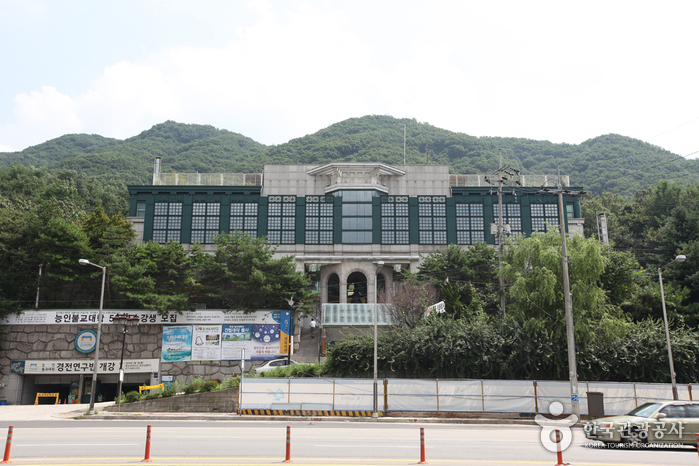
Nungin Sunwon, nestled at the base of Guryongsan Mountain, is named after another name of Buddha, Sakyamuni, signifying "the one who skillfully educates and benefits others." This temple complex includes several key structures: the Daeungjeon Hall, the Dharma Hall, the Gwaneumjeon Hall, and the resplendent Great Bhaisajyaguru, known for its golden glow. Additionally, the site houses a Buddhist university, providing a range of programs that cover basic to advanced Buddhist studies.
Suraksan Mountain (수락산)
13.5Km 2021-06-01
San 1-1, Sanggye-dong, Nowon-gu, Seoul
+82-2-2116-3943
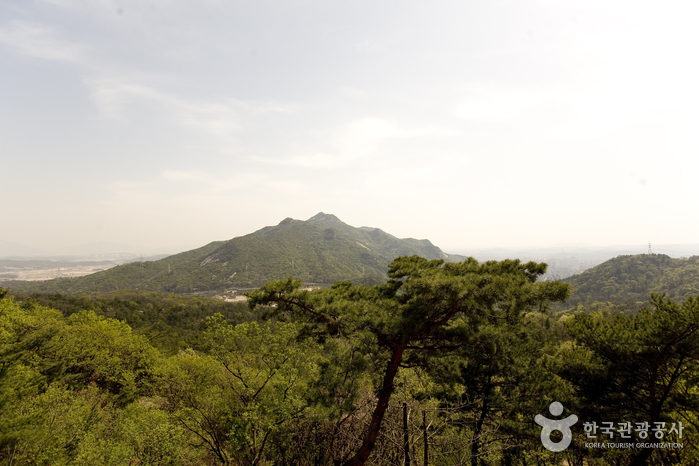
Along with the other great mountains near Seoul, Suraksan Mountain has its own unique beauty throughout the year. Its cluster of small peaks is reminiscent of Seoraksan or Wolchulsan Mountains and among its valleys and peaks, a number of treasures unfold. These include Geunnyu, Eunnyu, and Ongnyu Waterfalls, Heungguksa, Naewonsa and Seongnimsa Temples, and Gwesanjeong Pavilion.
One of the most popular hiking courses on Suraksan Mountain is the one that starts from Danggogae Station (Seoul Subway Line 4) and passes Hangnimsa Temple and Yongguram Hermitage. In the springtime, the ridge between Suraksan Mountain and Buramsan Mountain is covered with gorgeous royal azalea blossoms.
Soma Museum of Art (소마미술관)
13.5Km 2023-04-13
424, Olympic-ro, Songpa-gu, Seoul
+82-2-425-1077
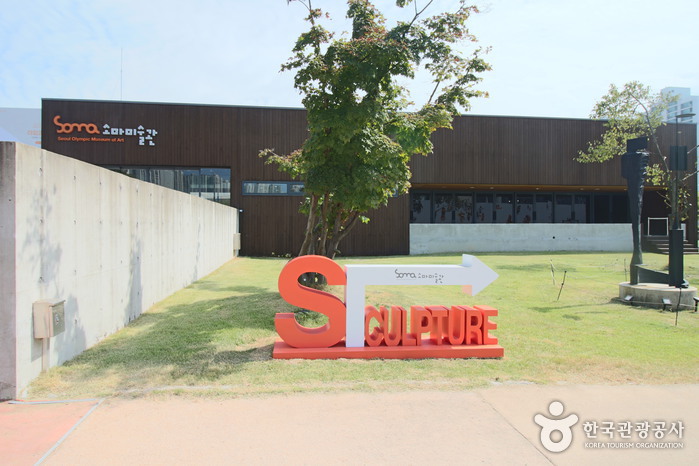
Soma Museum of Art was opened in September 2004 as a cultural space amid the nature of Seoul Olympic Park. The museum displays over 222 sculptures, and offers a variety of cultural and educational programs, including the nation's first drawing center and archive.
Olympic Park Stadium (올림픽공원 경기장)
13.5Km 2021-06-11
424, Olympic-ro, Songpa-gu, Seoul
+82-2-410-1114
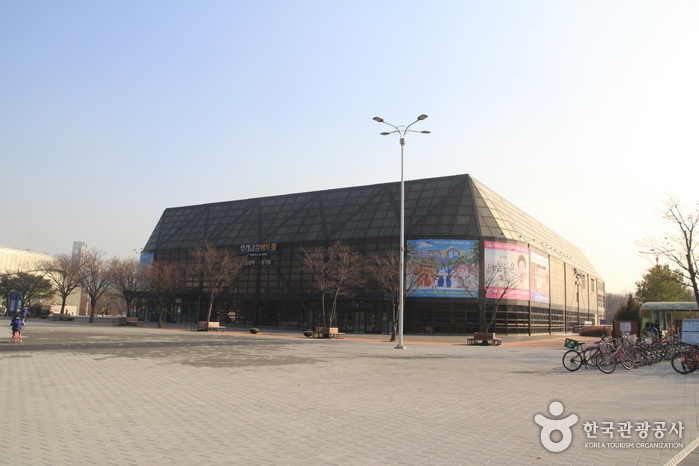
Olympic Park is an expansive outdoor area for Seoul residents to enjoy, offering facilities and venues for a range of events including athletic competitions, concerts and other performances. The park houses athletic facilities including the gymnasium of the ’88 Seoul Olympic Games, a fencing stadium, weightlifting stadium, swimming pool and tennis courts. Moreover, those venues are multi-purpose facilities that can host a wide range of events and performances.
Seoul Mongchontoseong Earthen Fortification (서울 몽촌토성)
13.5Km 2024-03-12
424, Olympic-ro, Songpa-gu, Seoul
+82-2-2147-2814
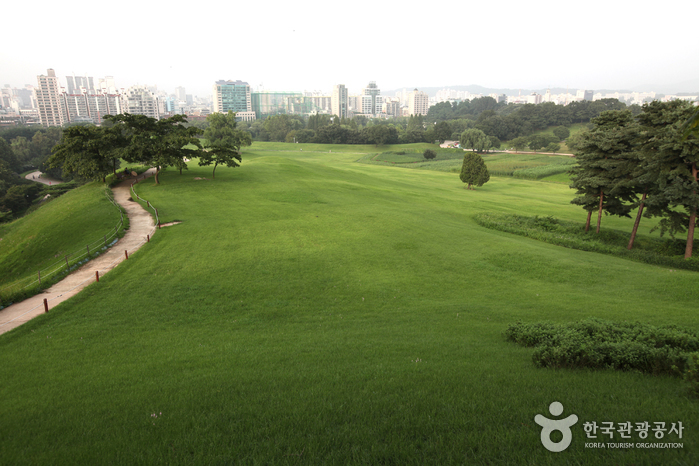
Mongchontoseong Earthen Fortification is an ancient earthen fortress built during the Hanseong period of the ancient Korean kingdom of Baekje (BC 18-AD 660). It is believed to have been constructed in the 3rd to 4th centuries. Utilizing the natural advantages of the Hangang River, it served defensive purposes with its trench and log barrier. Excavated relics from the Baekje era are on display at the Seoul Baekje Museum. The site is situated within the Olympic Park in Songpa, Seoul.

Olympic Park (올림픽공원)
13.6Km 2023-10-19
424 Olympic-ro, Songpa-gu, Seoul
+82-2-410-1114
Olympic Park is an impressive leisure facility in which historic remains from the Baekje era share space with modern, state-of-the-art sports stadiums, an eco-friendly forest, and spacious grass fields. The legacy of the 1988 Seoul Olympics, the park not only houses the country’s largest sports arena, but has also become a place where Seoul residents come to relax and unwind.
Spread across approximately 1.45 million square meters, Olympic Park encompasses the land that was once Mongchontoseong Fortress and Mongchonhaeja (manmade lake) from the early Baekje period. The park is divided into several zones, including a leisure sports park, a cultural art park, an eco-park, and the History Experience Park dedicated to the area’s rich historic heritage.
Because Olympic Park is so large and takes over three hours to explore, visitors are advised to familiarize themselves with entrances and exits and travel routes before they start. To further save time, visitors can ride the Road Train (“Hodori Train”) located next to Peace Square.
aT Center (에이티센터)
13.6Km 2022-08-26
27, Gangnam-daero, Seocho-gu, Seoul
+82-2-6300-1114
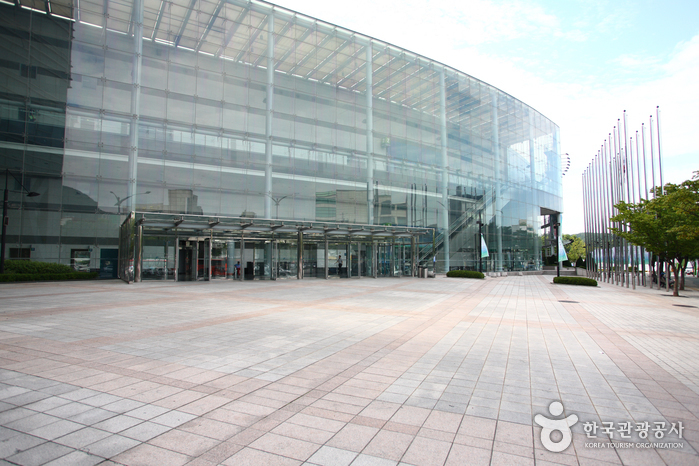
aT Center is a convention center where exhibitions, conventions, and business trades all take place. Cutting-edge exhibition and conference rooms are suitable for various types of exhibitions, seminars, banquets, events, performances and more. To support successful events, aT Center provides simultaneous interpretation services, an audio-visual system, cold storage and a trade information service. The center is a one-stop venue for trade, comprised of an export firm hall, export promotion hall and other related facilities, offering a permanent exhibition of promised exported items, promotion, consulting with overseas buyers and collecting overseas information. The center is situated in a pleasant neighborhood, located near Seoul's convenient transportation system and hospitals, fitness centers, stores, restaurants, large-sized parking lots, making it a cultural resting area.
Mongchon Museum of History (몽촌역사관)
13.6Km 2021-08-13
424, Olympic-ro, Songpa-gu, Seoul
+82-2-2152-5900
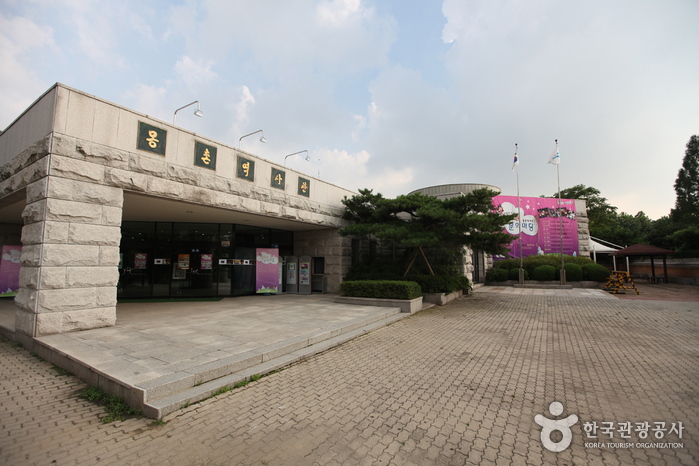
The Mongchon Museum of History, located within Olympic Park, displays artifacts from the excavations of Mongchontoseong Fortress, such as earthen fortifications as well as other artifacts of the Baekje Kingdom period, offering a glimpse into Baekje culture. A model of a Baekje dugout hut site reveals ancient dwelling patterns. Also, the facility displays a perfectly preserved model of ancient houses and tombs, giving visitors the feel of traveling back to prehistoric ages.
Gyujanggak Library of Seoul National University (서울대학교 규장각)
13.6Km 2022-07-27
1, Gwanak-ro, Gwanak-gu, Seoul
+82-2-880-6030
Gyujanggak Library was founded in 1776 during the reign of King Jeongjo, the 22nd ruler of the Joseon dynasty, at which time it was located within the Changdeokgung Palace grounds. It functioned as the royal library, which housed writings of the previous kings, their relics and books from home and abroad.
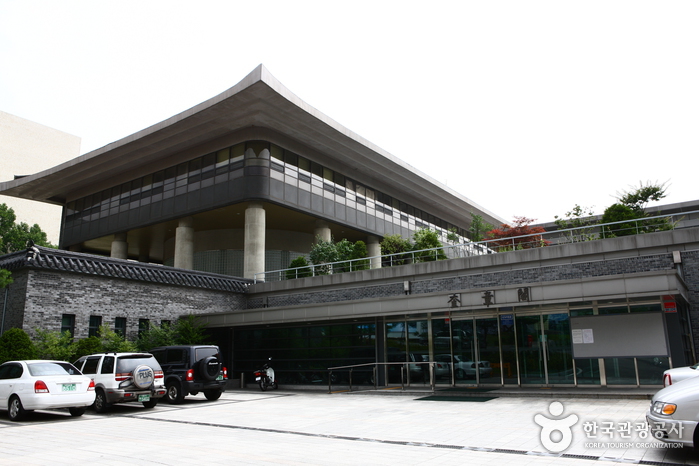
Today Seoul National University maintains the items of Gyujanggak in a traditional Korean building which is equipped with state-of-the-art facilities necessary for the preservation of cultural heritages. Moreover, Gyujanggak Library of Seoul National University collects and publishes books from a variety of sectors such as politics, economy and society.
Gyujanggak now houses more than 270,000 items including 7 national treasures, 8 treasures, 180,000-plus old books, about 50,000 documents and 18,000 printing blocks. Among them, Joseon Wangjo Sillok (the Annals of the Joseon Dynasty, a National Treasure), Seungjeongwon Ilgi (the Diaries of the Royal Secretariat, a National Treasure) and Uigwe (the Royal Protocols of the Joseon Dynasty) have been designated as UNESCO World Cultural Heritages.
 English
 한국어
한국어 日本語
日本語 中文(简体)
 Deutsch
 Français
 Español
 Русский


