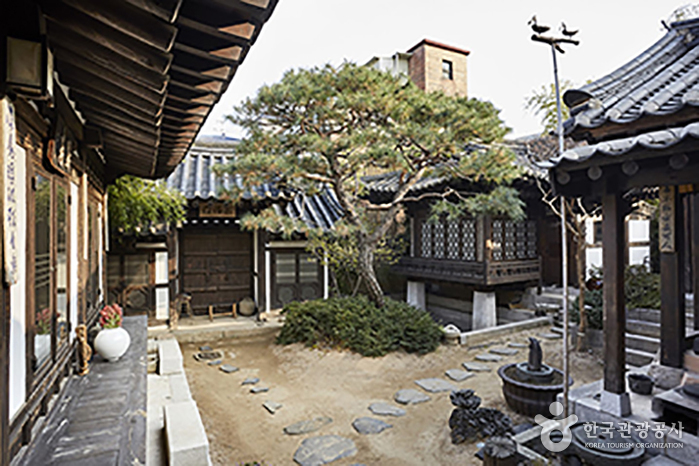
Rakkojae Seoul Bukchon Hanok Hotel (락고재 서울 북촌 한옥호텔)
590.3M 2025-10-27
49-23 , Gyedong-gil, Jongno-gu, Seoul
+82-2-742-3410
Rakgojae Bukchon Hanok Hotel in Jongru-gu, Seoul, is a traditional hanok compound with a 130-year history, renovated by master carpenter Jeong Yeong-jin. The elegant gate and stone walls, the traditional roof tiles, the jangdokdae jar store, the pavilions and ponds - not to mention the beautiful pine trees - express the archetypal beauty of hanok. Sitting on the daecheongmaru (wooden patio) with a breeze in the trees, guests will feel taken back in time. Guestrooms are clean and comfortable, and visitors can relax in a wood-fired red-clay sauna and a jade-covered ondol room,. Traditional culture programs are available.
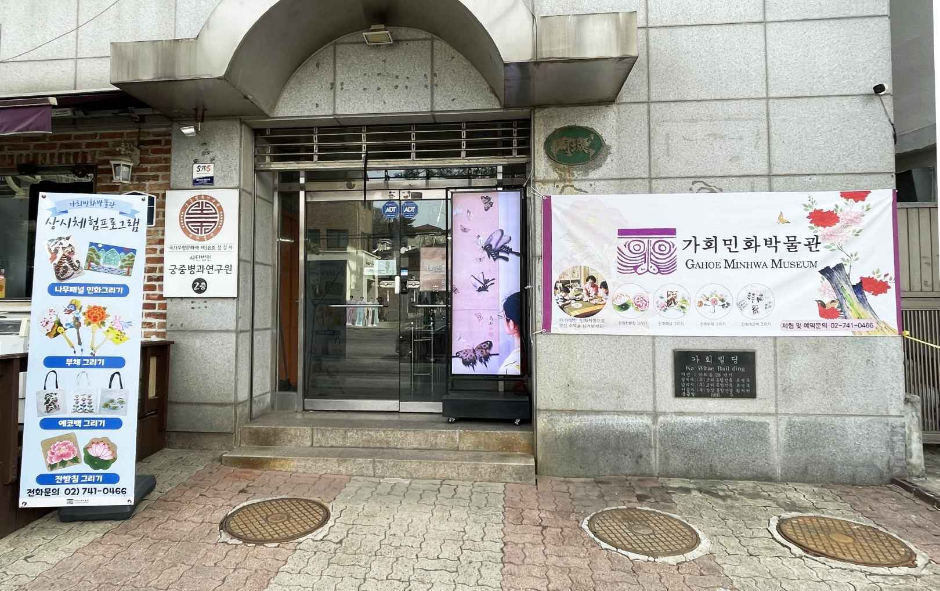
Gahoe Museum (가회민화박물관)
613.1M 2025-10-31
52 Bukchon-ro, Jongno-gu, Seoul
+82-2-741-0466
Opened in 2002, Gahoe Museum exhibits folk paintings and amulets reflecting the lifestyle and wishes of the Korean people from ancient times. Inside the Hanok gallery, visitors can immerse themselves in the traditions of Korea, including old paintings depicting people's lifestyle in the past and religious beliefs, and roof tiles in the shape of humans or goblins. Visitors will also find folding screens and religious objects used in the past that show skills and knowledge of Korean ancestors.
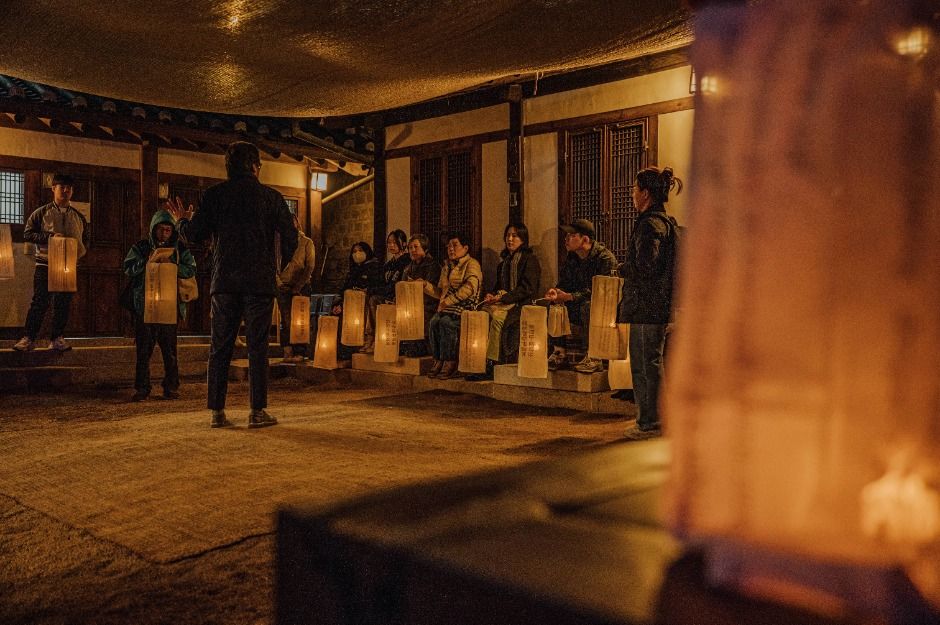
Public Hanok Night Out (공공한옥 밤마실)
614.6M 2025-06-10
37 Gyedong-gil, Jongno-gu, Seoul
+82-2-741-1033
Public Hanok Night Out is a special evening event that allows limited access to the nine public hanok buildings, including the Bukchon Culture Center, after sundown. The event is carefully prepared to make the hanok buildings accessible as much as possible. In addition, the event also offers a variety of programs to entertain the visitors. The event aims to raise awareness about embracing differences and diverse values during this time of ever-changing global society, as well as expand the the cultural values of hanok as something more unique.
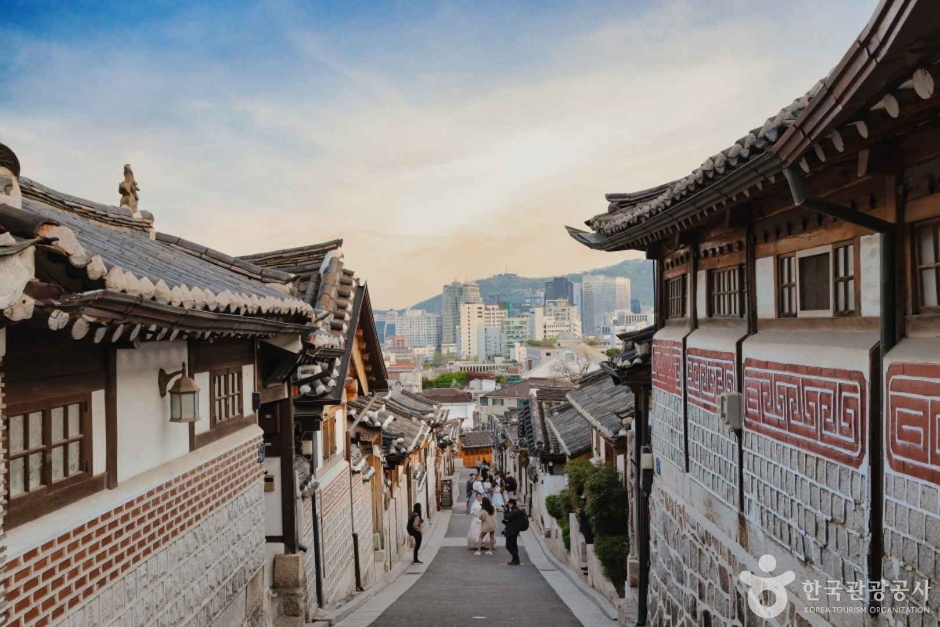
Bukchon Hanok Village (북촌한옥마을)
626.2M 2025-06-19
37 Gyedong-gil, Jongno-gu, Seoul
Surrounded by Gyeongbokgung Palace, Changdeokgung Palace and Jongmyo Shrine, Bukchon Hanok Village is home to hundreds of traditional houses, called hanok, that date back to the Joseon dynasty. The name Bukchon, which literally translates to "northern village," came about as the neighborhood lies north of two significant Seoul landmarks, Cheonggyecheon Stream and Jongno. Today, many of these hanoks operate as cultural centers, guesthouses, restaurants and tea houses, providing visitors with an opportunity to experience, learn and immerse themselves in traditional Korean culture. As Bukchon Hanok Village is an actual neighborhood with people's homes, visitors are advised to be respectful at all times while looking around.
Bukchon Cultural Center (북촌문화센터)
645.3M 2025-06-19
37 Gyedong-gil, Jongno-gu, Seoul
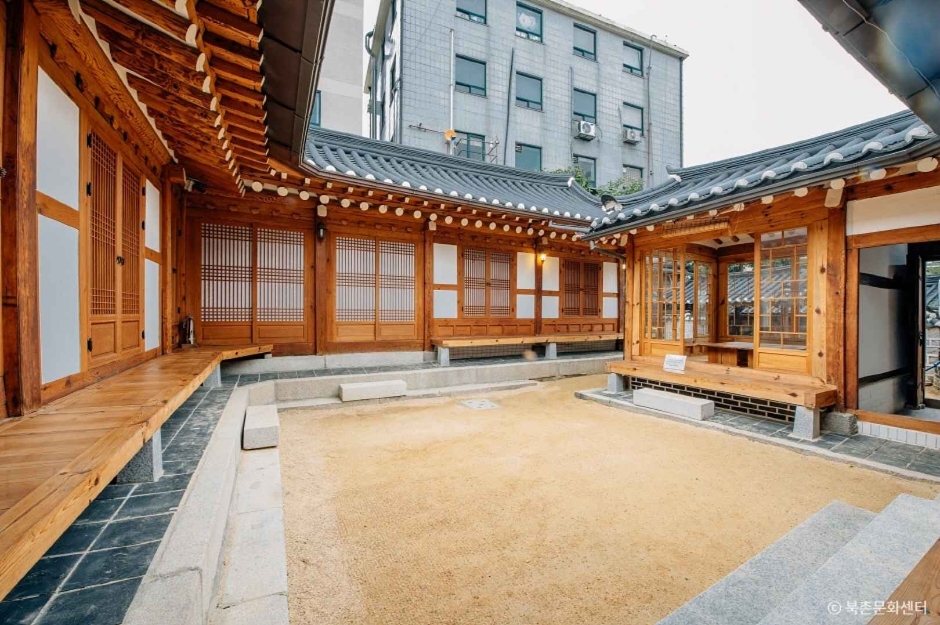
Bukchon Cultural Center, located in a hanok, was established to offer traditional cultural experience opportunities for visitors to the area. The programs include tea ceremony, handicraft, and gugak as well as a Public Relations Exhibition Hall introducing Bukchon culture and hanok. Also, the center houses a space and a pavilion for visitors to relax while traveling.

Eight Scenic Views of Bukchon (북촌 8경)
645.3M 2024-03-18
37, Gyedong-gil, Jongno-gu, Seoul
+82-2-2148-4161
The Eight Scenic Views of Bukchon can be found at the Bukchon Hanok Village between Gyeongbokgung Palace and Changdeokgung Palace. Bukchon was historically a district where the aristocracy of Joseon had resided in, so it is still home to a large number of traditional dwellings, called hanok in Korean. The eight views are as follows: No. 1, view of Chengdeokgung Palace; No. 2, view of Wonseo-dong Handicraft Road; No. 3, view of the Gahoe-dong area; No. 4, view from the hill at Gahoe-dong (Bukchon Observatory); No. 5, the view of the road uphill at Gahoe-dong; No. 6, the view of the road downhill at Gahoe-dong; No. 7, the view at house number (beonji) 31, Gahoe-dong; No. 8, the view of the stone stairway at Samcheong-dong.
Bukchon Son Mandu Bukchon Branch (북촌손만두 북촌점)
669.4M 2024-12-10
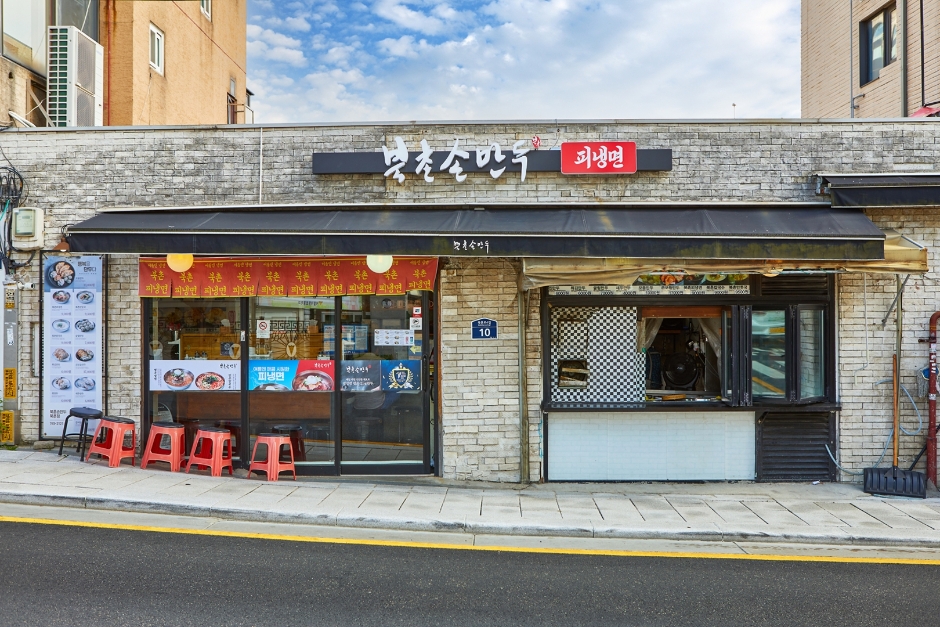
This third-generation family-owned handmade mandu restaurant has been in business since 1953. Its handmade mandu bears the tradition of nearly 70 years. This restaurant distinguishes itself above others with its unique expertise in the art of mandu-making and fresh ingredients, capturing deep flavors with care in each mandu. A full spread of mandu is available here, from steamed mandu to thin-skin mandu, deep-fried mandu, shrimp mandu, and galbi mandu, which can be ordered in individual pieces or as an assorted package. Mandu and noodles go perfectly together, and here, visitors can enjoy mandu with cold buckwheat noodles or noodle soup. The most recommended menu is the noodle soup, which serves thick, plump noodles in warm broth. But that does not mean that the cold buckwheat noodles are lacking: cold buckwheat noodles are served in a cool, red kimchi broth.
Aank Hotel & Spa Jongno Unni Branch (아늑호텔 앤 스파 종로운니점)
701.2M 2025-04-24
89 Donhwamun-ro 11ga-gil, Jongno-gu, Seoul
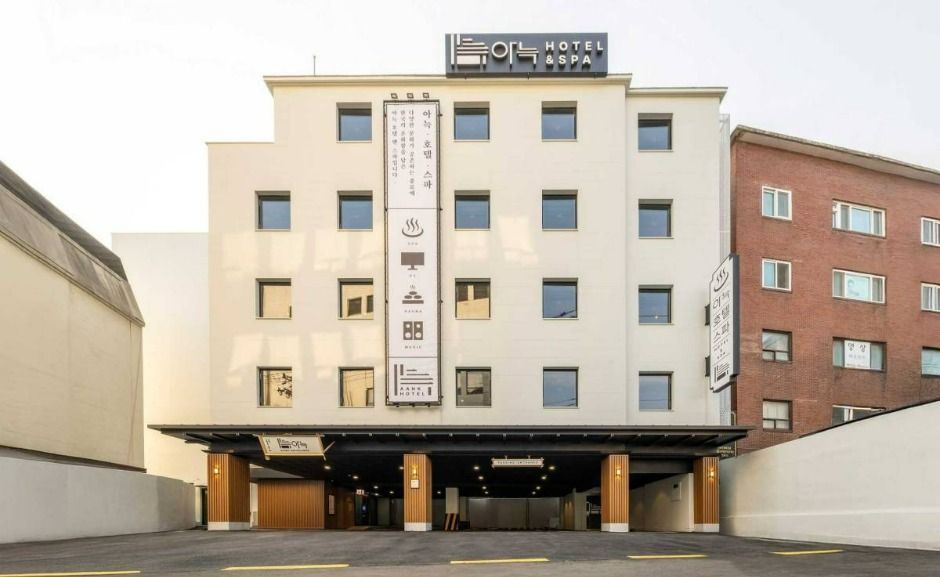
Aank Hotel & Spa Jongno Unni Branch embodies the warmth and charms of Korea. Guests are welcome to unwind with diverse room options to choose from such as the msuic room, signature spa room, desktop 2-PC room, and standard room. It's location in the heart of Seoul makes it a great place for tourists as well as well.
Seoul Daehan Hospital (서울 대한의원)
706.5M 2021-12-23
101, Daehak-ro, Jongno-gu, Seoul
+82-2-2148-1842
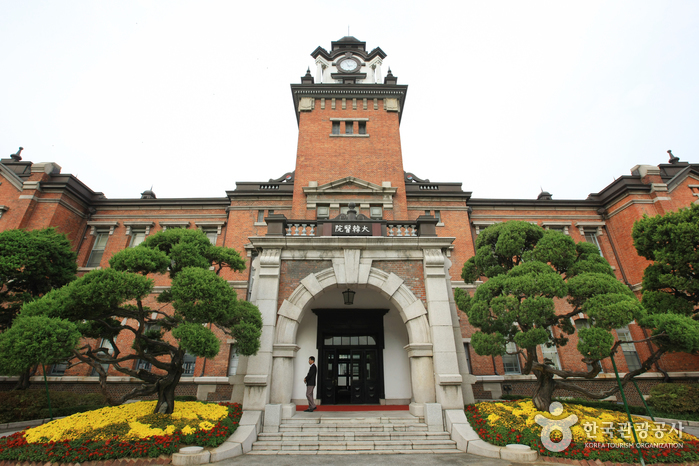
Daehanuiwon (Daehan Medical Center) is an antique two-story brick building within the grounds of Seoul National University Hospital. It was established under the direct administration of the Uijeongbu (State Council), combining the Gwangjewon (under the Home Ministry), Gyeongseong Medical School and the Korean Red Cross Hospital (under the Royal Household).
Built in the Madubong Hill area, this location where Hamchunwon, the outer garden of Changgyeonggung Palace, once stood in 1484 (15th year of King Seongjong), was also once the site of Gyeongmogung Palace, where King Jeongjo enshrined the mortuary tablet of his birth father Crown Prince Sado Seja in 1776 (the year King Jeongjo ascended to the throne).
These places that held importance for the royal family were destroyed as the Japanese built Gyeongseong Empire University in its place. In 1907, with the announcement of the plan to establish Daehan Medical Center, construction began on the main building, seven wards and affiliated buildings. Construction was completed in November 1908.
The Daehan Medical Center opened in Gwangjewon, but upon Japanese colonization in 1910, its name was changed to the Japanese Viceroyalty Hospital. In 1926, it was included as a part of Gyeongseongjeguk University to become a university hospital. Since the liberation of Korea in 1945, it has been a hospital affiliated with Seoul National University.
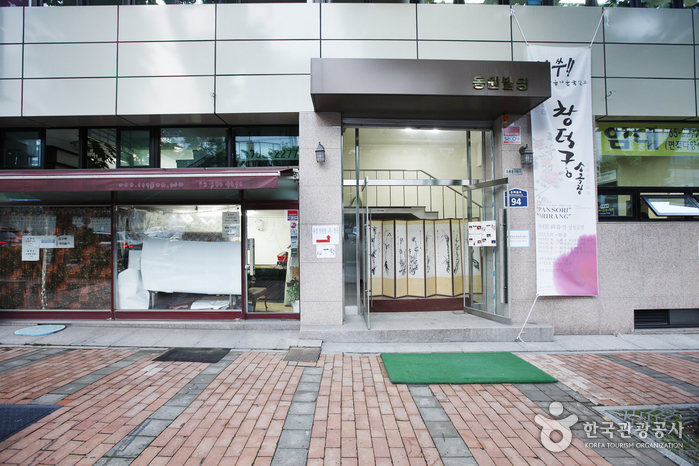
Theatre Changdeokgung (창덕궁 소극장)
707.2M 2021-12-07
88-1, Donhwamun-ro, Jongno-gu, Seoul
+82-2-742-7278
Theatre Changdeokgung is located across from Changdeokgung Palace in the Gugak-ro Special Cultural Zone of Seoul. To recreate the traditional Korean entertainment setting and offer a better view of the stage, the theater is designed with floor seatings facing a platform stage. The theater offers a wide array of performances including samulnori (traditional Korean percussion quartet), traditional Korean music, and madanggeuk (a play infused with traditional music and performances). First time visitors often find the creative and cozy experience create a lasting memory of Korean culture and arts. Also nearby the theater are a number of tourist attractions including Changdeokgung Palace, Unhyeongung Palace, Jongmyo Shrine, and Insa-dong.
 English
 한국어
한국어 日本語
日本語 中文(简体)
 Deutsch
 Français
 Español
 Русский


