
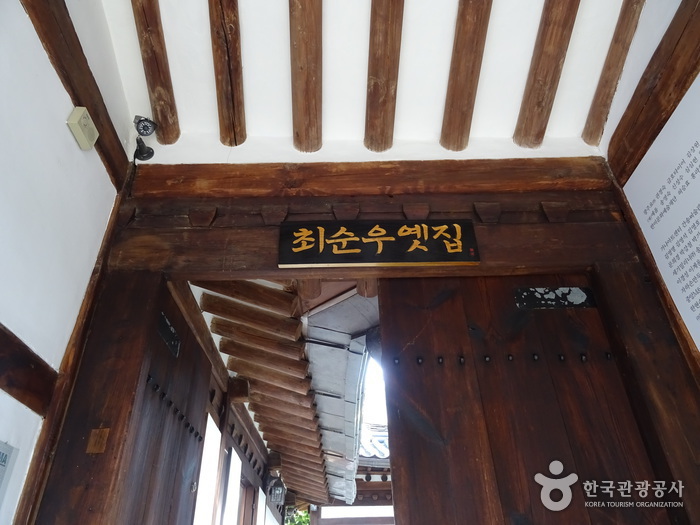
Choi Sunu House (최순우 옛집)
1.4Km 2021-12-21
9, Seongbuk-ro 15-gil, Seongbuk-gu, Seoul
The Choi Sunu House is the old residence of Hyegok Choi Sunu (1916-1984), who lived in this house from 1976 until the day he passed away. The house is designated as Korea’s Registered Cultural Property. Choi Sunu was a leading art historian who served as the director of the National Museum of Korea. He devoted his life to rediscovering the beauty of Korean art and made many academic accomplishments in the areas of Korean ceramics, traditional woodcraft, and the history of painting.
The house has been open to the public as the Hyegok Choi Sunu Memorial Hall since 2004. The memorial hall displays Choi Sunu’s relics as a permanent exhibition and holds special exhibitions in the fall as well as cultural programs every spring and fall.
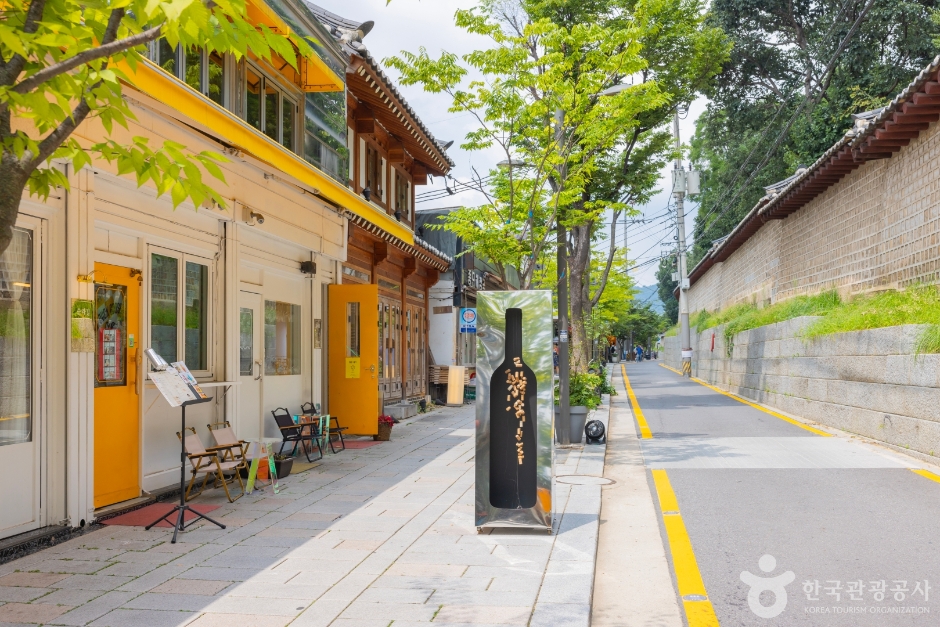
Seosulla-gil Road (서순라길)
1.4Km 2024-10-14
150-3 Jong-ro, Jongno-gu, Seoul
Seosulla-gil Road is a road that was used by the nightguards during the Joseon dynasty. The road is on the west of Jongmyo Shrine with various attractions nearby including Ikseon-dong, Insa-dong, Bukchon, and Samcheong-dong, as well as restaurants, cafes, and handicraft workshops. The road is also a beautiful date course with flowers in spring and fall foliage in autumn..
Le Miel Plastic Surgery (르미엘성형외과의원)
1.4Km 2025-10-23
3rd Floor, 120 Jongno, Jongno-gu, Seoul
Valuable Beauty, Lemiel Plastic Surgery
A premium clinic where delicate technique and artistic sensibility come together. We provide not just external changes, but customized treatments that enhance each individual’s natural charm. Specialized in fast-recovery eyebag surgery using Encore Laser, customized eye surgery for facial balance, tailored lifting based on body type, and petite procedures that refine facial curves and volume.
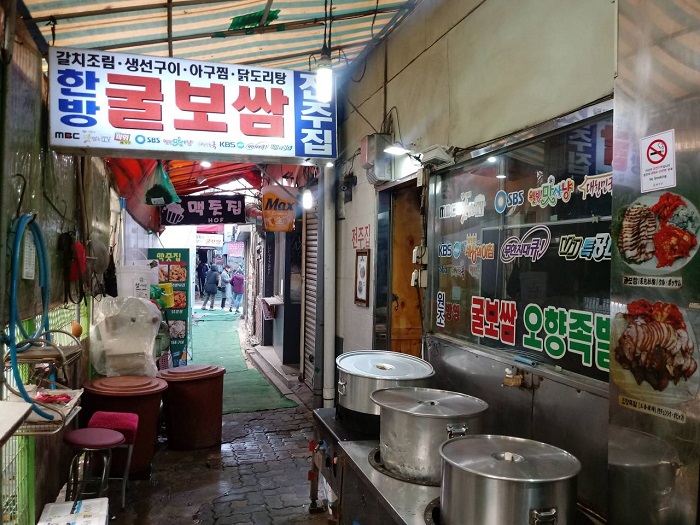
Jeonjujip (전주집)
1.4Km 2024-10-15
16-15 Supyo-ro, 20-gil, Jongno-gu, Seoul
A store featured several times in Korean gourmet programs. This Korean dishes restaurant is located in Jongno-gu, Seoul. The most famous menu is kimchi cabbage wraps with pork and oysters.
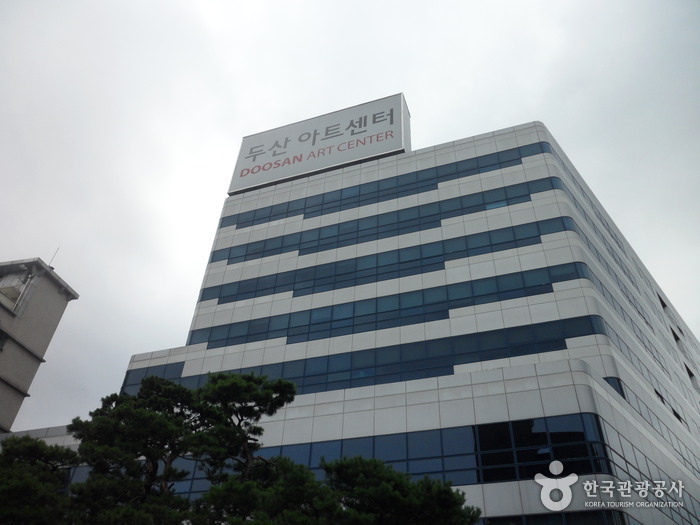
Doosan Art Center (두산아트센터)
1.4Km 2021-11-01
15, Jong-ro 33-gil, Jongno-gu, Seoul
Doosan Art Center, which opened on October 1, 2007, is structured around three different spaces: The Yonkang Hall, exclusively designed for musical performances, Space 111, a “space for art incubation,” and the Doosan Gallery, built for installations.
The Yongang Hall, a theater with 620-person seating capacity, has specially designed lightings and a world-class audio-visual system to provide a second-to-none sensory experience.
Space 111 can accommodate a broad range of performing arts, from theater and dance to film and music concerts. The Doosan Gallery is open to the public, and art exhibitions and performances here can be enjoyed free of charge.
All three theaters include spacious lobbies with handicapped access, designated seating for parents with infants, and meeting areas. Rest rooms are also available nearby, in order to avoid long queues and long walks during intermission.
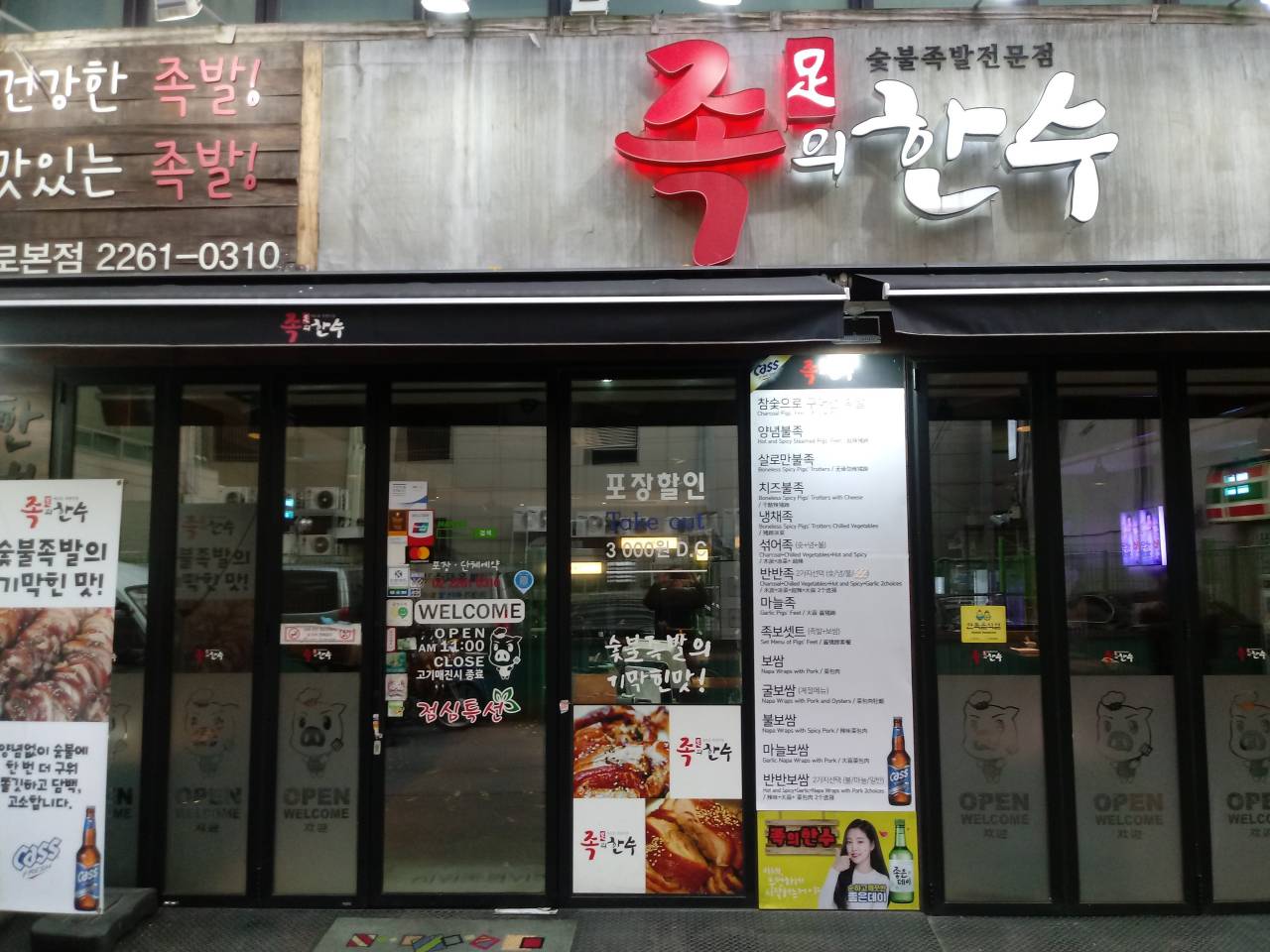
Jogui Hansu (족의한수)
1.5Km 2024-10-15
93-1, Supyo-ro, Jongno-gu, Seoul
A pig's trotter(s) specialty restaurant located in Jongno, Seoul. This restaurant's signature menu is braised pigs' feet. A restaurant serving both charcoal-grilled jokbal (pig's trotter) and spicy jokbal.
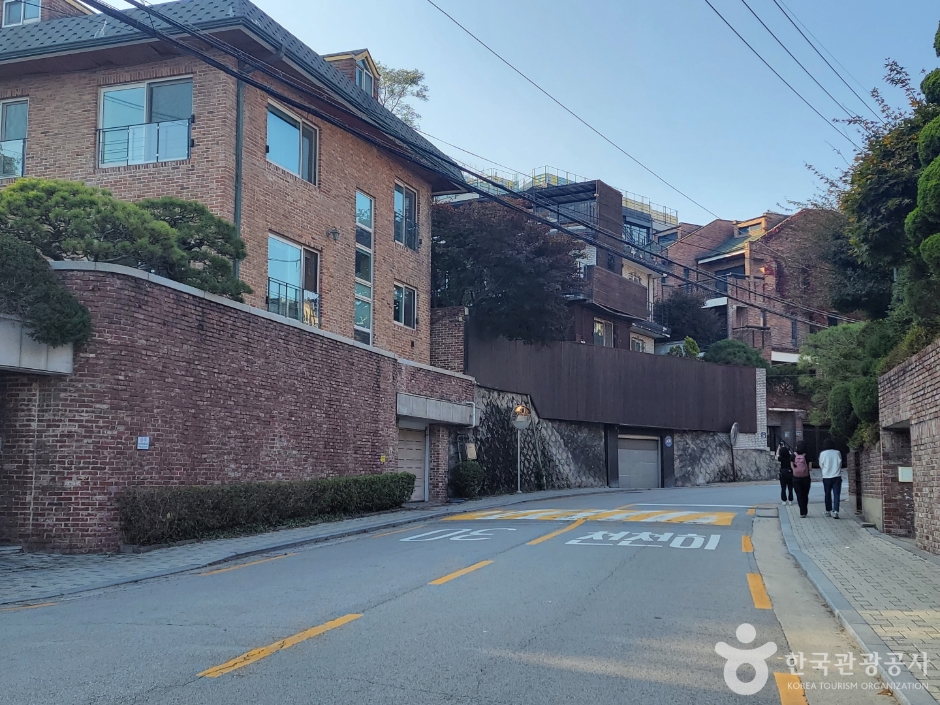
Seongbuk-dong–Bukchon Hanok Village Course (성북동고택북촌산책길)
1.5Km 2025-11-06
68, Seonjam-ro 5-gil, Seongbuk-gu, Seoul
The Seongbuk-dong–Bukchon Hanok Village Course is a nostalgic path connecting famous old houses in Seongbuk-dong and Bukchon Hanok Village, divided by the old city walls. Along the way, you'll find historic sites like Gilsangsa Temple, Jeongbeopsa Temple, Han Yong-un’s Simujang House, and novelist Lee Tae-jun's House. The trail also features charming cultural spots, such as the traditional tea house Sooyeon Sanbang and the Seongbuk Museum of Art.
◎ Travel information to meet Hallyu’s charm - "Parasite"
The scene in the alley where Ki-woo visited Mr. Park's house in a wealthy neighborhood for expensive tutoring was filmed in a residential area in Seongbuk-dong. Seongbuk-dong, an old wealthy village, has luxury mansions lined up in. There are many pretty cafés and galleries here and there, so it's good to take a leisurely look around. Mr. Park's house was a filming set, which was demolished after filming.
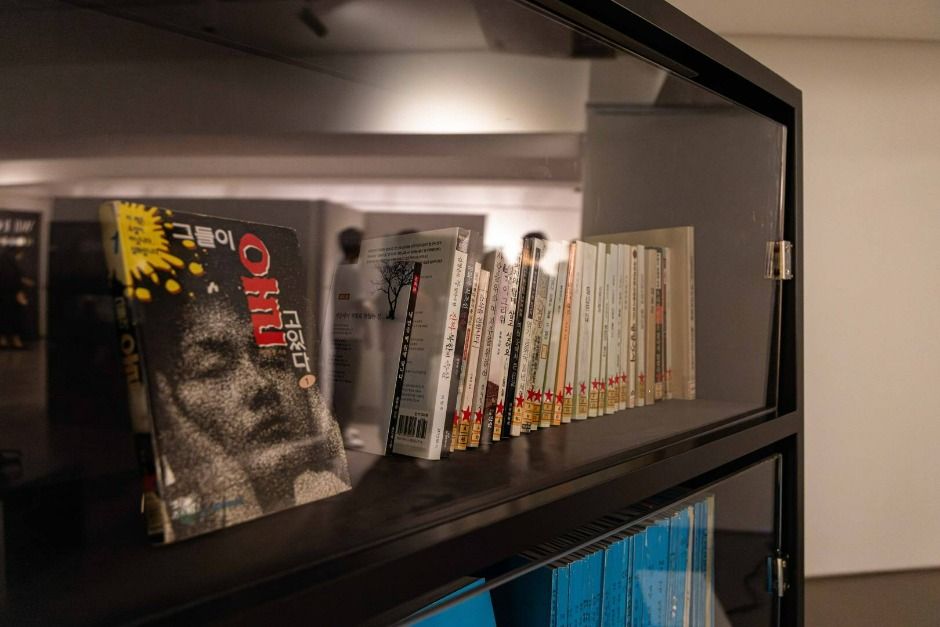
NKDB North Korean Human Rights Exhibition Hall (북한인권전시실)
1.5Km 2025-11-13
393 Samil-daero, Jongno-gu, Seoul
The NKDB North Korean Human Rights Exhibition Hall is a permanent exhibition space dedicated to North Korean human rights. Although it is a small space, it resonates deeply and serves as a "dark tourism" site that records and testifies to the ongoing reality of human rights violations in North Korea. The North Korean Human Rights Information Center (NKDB), which operates this exhibition hall, is the organization that collects and archives the most extensive records of human rights concerning North Korean residents in the world. The testimonies and records presented here represent a living history, a story unfolding in the present, unavailable elsewhere. Through donated North Korean artifacts, including these records, visitors can glimpse the present-day North Korea and encounter artwork by North Korean defectors.

Leather Craft Shop (손놀림공방)
1.5Km 2025-10-30
19-1 Naksanseonggwakseo 1-gil, Jongno-gu, Seoul
The leather workshop featured in the drama 'Boyfriend'
It is a leather workshop that appeared in the scene where Cha Soohyeon (Song Hyekyo) and Kim Jinhyeok (Park Bogum) reunite in the drama 'Boyfriend'. It is run by leather craft artist Kim Yeongae and is known for its many cute items. You can experience making leather knotted string bracelets and rings at a low cost.
 English
 한국어
한국어 日本語
日本語 中文(简体)
 Deutsch
 Français
 Español
 Русский


