Gildong Ecological Park (길동생태공원)
15.1Km 2021-10-23
1291, Cheonho-daero, Gangdong-gu, Seoul
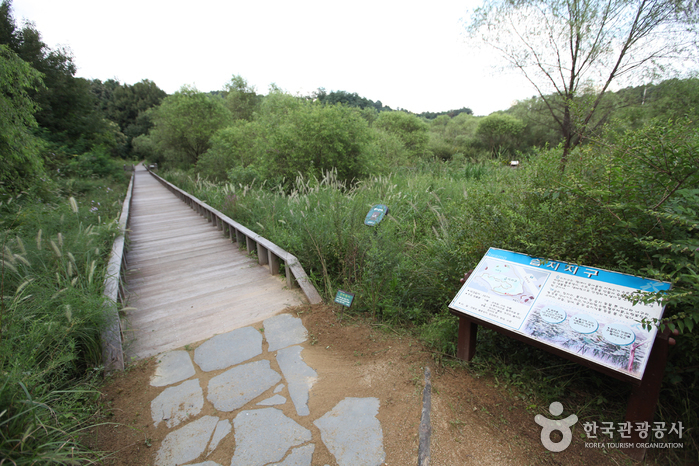
Gildong Ecological Park was founded by the Seoul government by restoring the wetland on the side of Cheonho-daero. The park maintains and preserves a wide range of flora and fauna in their natural habitats, allowing park visitors to observe plants, animals and insects in a natural ecosystem, and to learn about the importance of nature conservation.
The 80,683 ㎡ park is divided into a wetland zone, forest zone, and grassland zone. Amenities include an outdoor classroom, outdoor exhibition space, observation deck, pergolas, and more. The bird observation platform in particular is a great way to birdwatch in the urban landscape.
Seoseoul Lake Park (서서울호수공원)
15.3Km 2022-10-19
20, Nambusunhwan-ro 64-gil, Yangcheon-gu, Seoul
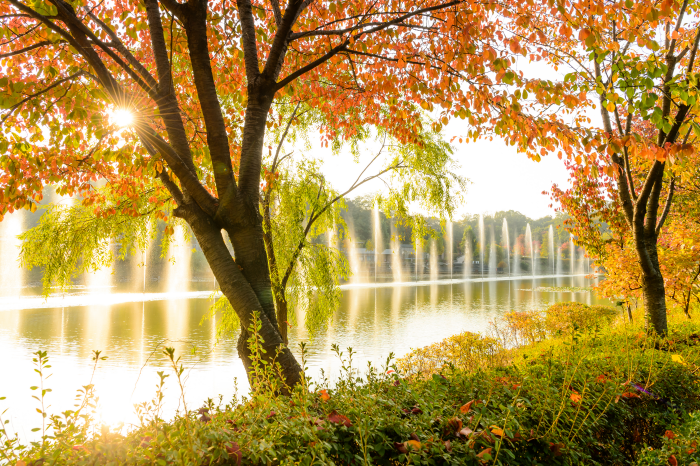
Covering over 225,000 ㎡ of land in the southwestern part of Seoul, Seoseoul Lake Park, also known as West Lake Park, was to resolve the regional imbalance in the city. The park is a eco-friendly park designed with the themes of "water" and "recycling." Before turning into a park, the area was used as a purification plant that produced approximately 120,000 tons of tap water to Seoul. The park has a children's playground, sports facilities like the soccer field, basketball court and badminton courts, and a cultural plaza. With its vast space and 24-hour operation, the park provides a relaxing ground for the citizens of Seoul.
Ononsa Guesthouse (온온사)
15.3Km 2023-07-17
58 Gwanaksan-gil, Gwacheon-si, Gyeonggi-do
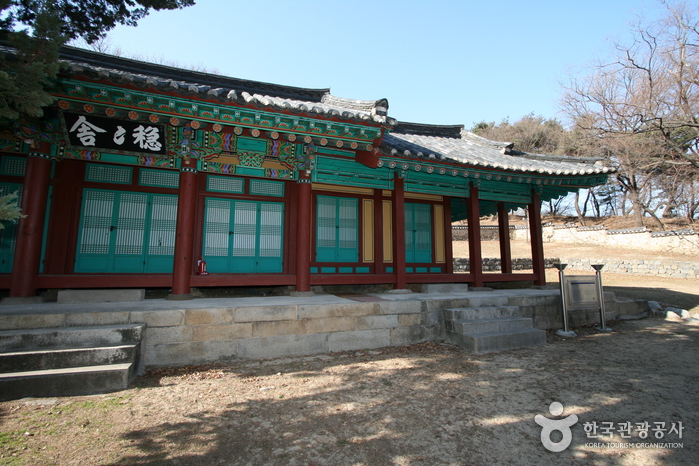
Though Ononsa, which was a guesthouse in Gwacheon, was constructed in the 27th year of King Injo's reign in the Joseon dynasty (1649), the name, "Ononsa," was given to this area during the reign of King Jeongjo. On February 11, 1790 during his royal procession to the tomb of his father, Crown Prince Sado, stayed at an inn in Gwacheon and, as he felt that it "has nice views and provides a comfortable stay," he bestowed upon the place plaques that he wrote himself - "Ononsa" to Seoheon and "Burimheon," which was the old nickname of Gwacheon, to Dongheon. This is how this place began to be called Ononsa.
It was designated as a Tangible Cultural Heritage of Gyeonggi-do on June 2, 1980, and it was restored on December 2, 1986 after being torn down.
Skylift (스카이리프트)
15.4Km 2025-11-11
102 Daegongwongwangjang-ro, Gwacheon-si, Gyeonggi-do
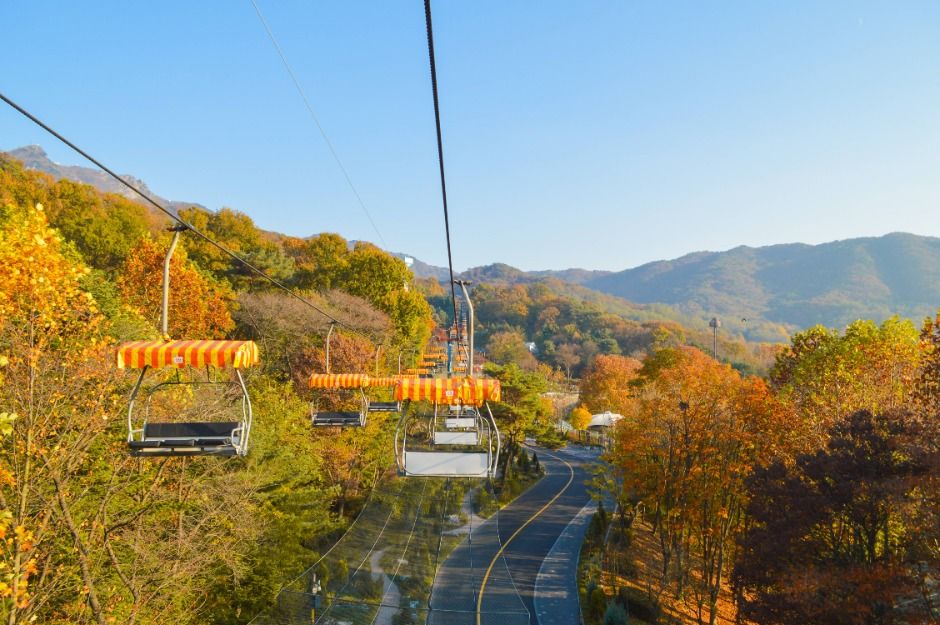
The Seoul Grand Park Skylift is an experiential transportation and tourist facility that operates within Seoul Grand Park. It consists of two lines, Line 1 and Line 2, and operates from the entrance of Seoul Grand Park to the north gate of the zoo, and from the north gate of the zoo to the top of the carnivore animals zone, respectively. It serves to connect major tourist destinations such as the zoo, themed gardens, and children's zoo, allowing visitors to move around efficiently. Visitors can also enjoy the natural scenery of Seoul Grand Park's lakes, forests, and flower paths while traveling on the lift. Available all year round, visitors can enjoy seasonal scenery such as cherry blossoms in spring, greenery in summer, autumn leaves in fall, and snowy landscapes in winter.
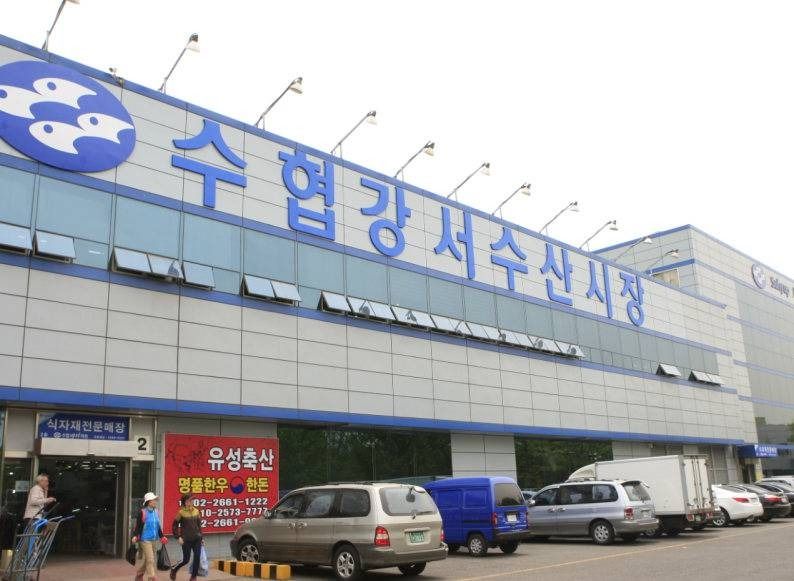
Suhyup Gangseo Seafood Wholesale Market (수협 강서수산시장)
15.6Km 2025-09-15
130 Gangseodomaesijang-ro, Gangseo-gu, Seoul
As Seoul's largest seafood market in the southwestern region, Suhyup Gangseo Seafood Wholesale Market supplies seafood from all over the country at stable prices through auctions every morning. It sells a variety of seafood, including live fish, fish, shellfish, crustaceans, dried fish, and fermented fish products in fresh condition. Consumers can enjoy the seafood they purchase directly from the market at the specialized restaurant area on the second floor, which offers a wide range of seafood dishes and a diverse menu. The spacious and comfortable area is also suitable for family gatherings or company dinners.
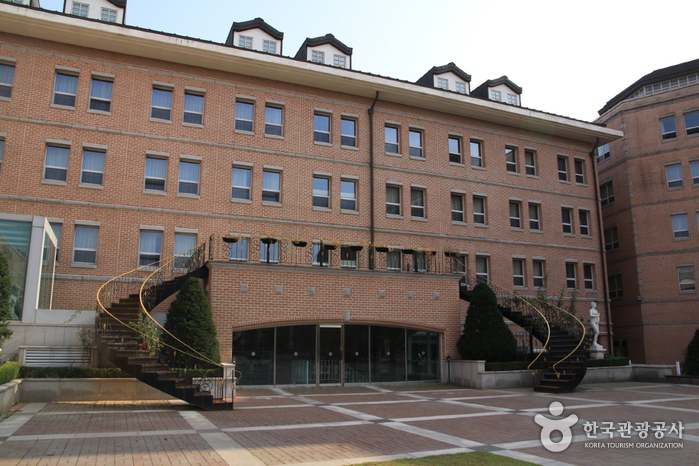
Mayfield Hotel Seoul (메이필드호텔 서울)
15.6Km 2025-10-23
94, Banghwa-daero, Gangseo-gu, Seoul
Surrounded by forests, Mayfield Hotel is the ideal place to enjoy unique seasonal views and unite with nature. It takes five minutes from Gimpo International Airport and 30 minutes from Incheon International Airport, boasting a proximity to both downtown and the airports. Mayfield Hotel staff members are dedicated to providing the best services with the utmost care. It is a premium hotel where guests experience the joys of comfortable and relaxed travels while creating valuable memories. Mayfield Hotel is located next to the traditional Korean restaurant Nakwon, which serves premium Korean cuisine. The hotel spans an area of approximately 105,785.60 square meters, and has six floors and a basement level. The hotel consists of eight separate buildings, including the main hotel wing, which houses an elegant lounge; a Western restaurant; a traditional Korean restaurant; and an outdoor plaza lounge. There is a banquet wing with a hall that can accommodate international conferences, plus various events and banquets. Small and medium-sized banquet halls suitable for weddings and receptions are available as well. The hotel wing has 202 spacious and cozy guest rooms, including suites and traditional Korean-style ondol rooms that guests can choose from depending on their preference. Notably, the hotel boasts top-tier facilities, such as a state-of-the-art fitness club and a botanical garden, showcasing the hotel's exceptional features.

Seoulland Sledding Hills (서울랜드 눈썰매장)
15.6Km 2022-11-22
Makgye-dong, Gwacheon-si, Gyeonggi-do
Seoulland Sledding Hills offers two slopes, one for children (50 meters long) and another for adults (120 meters long). Amenities include food stands that sell various foods, including eomuk (fish cake) soup, resting lounge and medical office. Various performances are also prepared to entertain visitors at the main stage nearby the sledding hill.

National Women's History Exhibition Hall (국립여성사전시관)
15.6Km 2021-09-23
50, Hwajung-ro 104beon-gil, Deogyang-gu, Goyang-si, Gyeonggi-do
The National Women’s History Exhibition Hall opened on December 9, 2002 in Daebang-dong, Seoul, but was moved to its current location in Goyang, Gyeonggi-do on September 1, 2014. The hall uses both traditional display techniques as well as creative media art to showcase the history and culture of women in Korea. The exhibition hall aims to give women their rightful place in Korean history, in addition to enhancing women’s sense of pride and expand gender equality through various activities, including public education programs and special exhibitions.
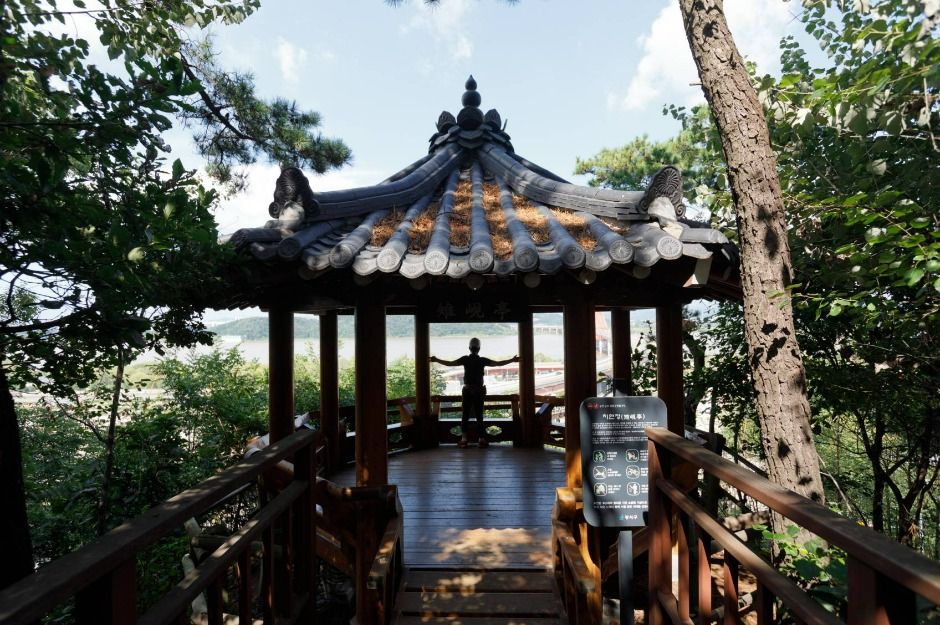
Kkwonggogae Park (꿩고개공원)
15.6Km 2025-10-23
San 100beonji, Banghwa-dong, Gangseo-gu, Seoul
Kkwonggogae Park is an ecological forest where nature is preserved, located along the Hangang River, and has an excellent natural environment. Whereas the nearby Banghwa Community Park was founded for public service, Kkwonggogae Park was founded to preserve the existing habitats and ecosystems while serving as a passageway for small animals. Within the park is Chihyeonjeong Pavilion, Gangseo area's representative attraction for taking in the city nightscape. The hill's name, which can literally be translated as "Pheasant Hill Park," comes from the fact that this hill was a frequent pheasant hunting spot in the past. The park is located near Gagseo Dulle Trail Course No. 2.
 English
 한국어
한국어 日本語
日本語 中文(简体)
 Deutsch
 Français
 Español
 Русский


