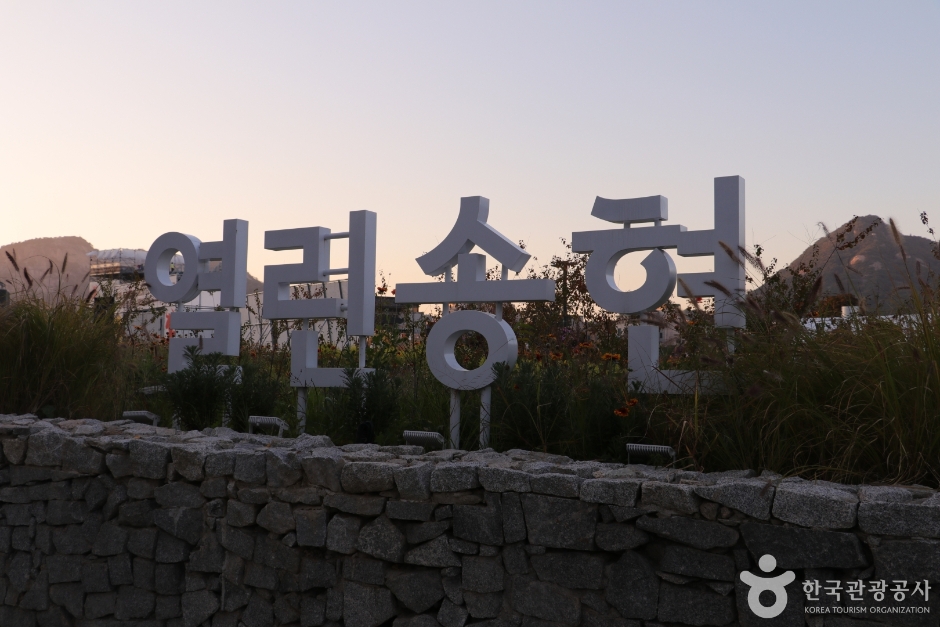
Songhyeon Green Plaza (열린송현 녹지광장)
1.0Km 2025-11-11
Songhyeon-dong, Jongno-gu, Seoul
Songhyeon Green Plaza, located between Gyeongbokgung Palace and Jongno, is a space for culture and rest. The site was formerly used as housing for Shiksan Bank during Japanese rule. After Korea’s liberation, it served as a residence for the US Embassy and military personnel. Later in 1997, it was returned to the Korean government but remained unused for years. In 2022, the ownership was transferred to the Korean House and Land Corporation and then to the Seoul Metropolitan Government, which redeveloped it into a green plaza and opened it to the public. Upon entering the plaza, visitors are greeted by a spacious lawn adorned with flowers during the blooming season. The plaza is connected to the nearby tourist attractions through shortcuts cutting through it, including Cheong Wa Dae (Blue House), Gwanghwamun Plaza, Insa-dong, and Bukchon Hanok Village.

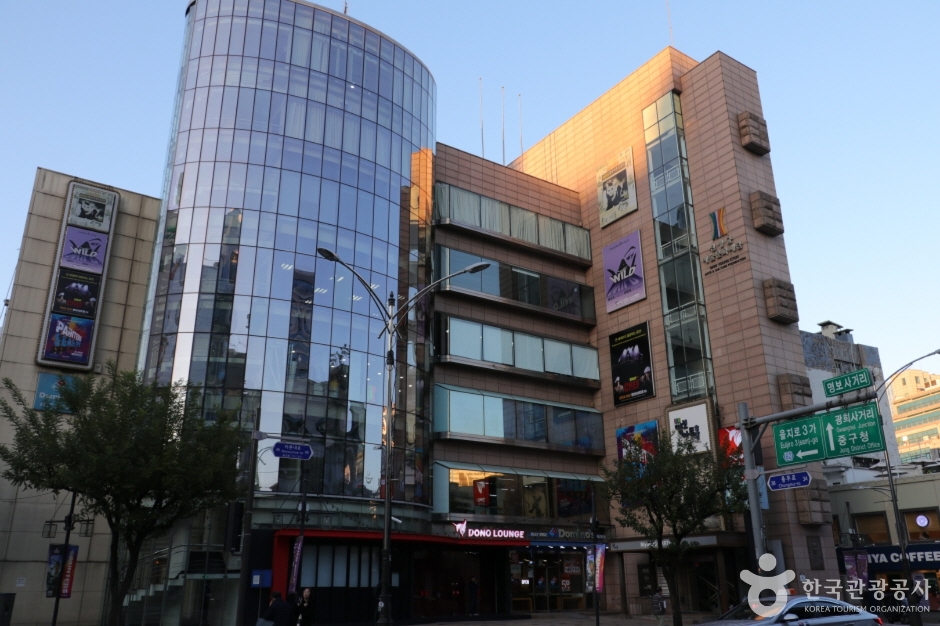
Myungbo Art Hall (명보아트홀)
1.1Km 2025-04-15
47 Mareunnae-ro, Jung-gu, Seoul
Located in Euljiro 3(sam)-ga, the heart of Seoul, Myungbo Art Hall is a cultural complex that consists of a professional theatre hall. Renovated from Myungbo Theater in 2009, Myungbo Art Hall is equipped with state-of-the-arts lighting and sound equipment that guarantees high-quality theatre experience for the audience. In addition, the hall also has comfortable seats along with other amenities for the audience's convenience. Myungbo Art Hall aims to globalize Korean performance culture by creating a variety of content that incorporate Korean theatre with tourism. This area is also where the house of Admiral Yi Sun-sin was located, which is honored with a memorial plaque listing his accomplishments.
Woo Joo Yon Clinic (우주연한의원)
1.1Km 2025-10-23
(2nd Floor, Hanok), 41 Bukchon-ro 12-gil, Jongno-gu, Seoul
Woojooyon Clinic takes an integrative approach considering the patient's overall health. Rather than merely treating the affected area, we listen to the patient's story, understand their daily life, and focus on identifying and correcting the root causes of imbalances in the body. Our goal is to pursue true healing and happiness by treating with a delicate touch that connects with the patient's soul. We aim to restore the body to its original state, ensuring a holistic examination of both body and mind, as well as habits and personality. Woojooyon Clinic is committed to helping patients regain a healthy life by applying the wisdom of traditional Korean medicine. We value our relationships with patients and strive to always do our best.
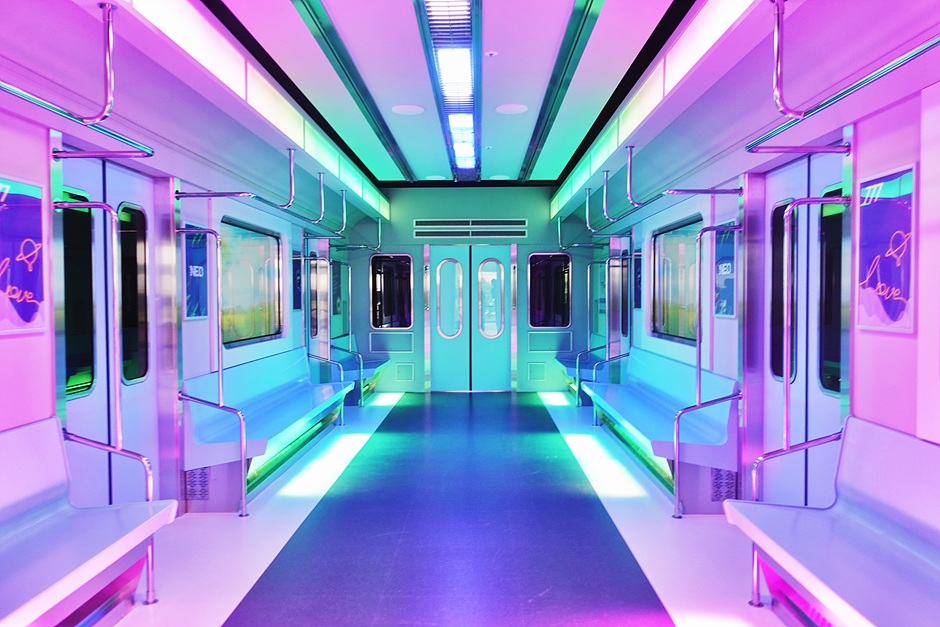
HiKR Ground (하이커 그라운드)
1.1Km 2025-10-29
40 Cheonggyecheon-ro, Jung-gu, Seoul
Located inside the Korea Tourism Organization Seoul Center, HiKR Ground is a Korean tourism publicity center where visitors can experience K-pop and view media art at the same time. The name "HiKR Ground" embodies the meaning that Korea (KR) will greet ("Hi") global tourists and become a playground. Notably, it provides Korean tourism content in multiple ways for the younger generation to enjoy. On the first floor, there is a space to enjoy various media arts through the large media screen HiKR Wall, where visitors can see "Landscape of the New City" by media artist Lee Lee-nam, and Korean tourism videos submitted by global hallyu fans. On the second floor, visitors can make their own K-pop music videos using the XR Live Studio. At the window facing the restored Cheonggyecheon Stream, there is a mesmerizing artwork called ''North Wall'' by installation artist Suh Do-ho. On the third and fourth floors, visitors can get immersed in Korean local tourism through various arts, experiences, and exhibitions.
We Ride (위라이드)
1.1Km 2023-07-28
40 , Cheonggyecheon-ro, Jung-gu, Seoul
"The best way to tour Seoul"
With WeRide's certified tour guides, travelers can experience unforgettable memories by riding an electric bicycle to attractions hidden all over Seoul. The tour takes 2 hours and 30 minutes, and participants can safely tour around Seoul with a professional guide. The fun of electric bicycles adds to the joy of the guide's story of Korean culture. If there are guests who cannot ride bicycles, they can use electric rickshaws. There is also a bicycle rental service for bicycle riders traveling in Korea.
Mediround.Corp (주식회사 메디라운드)
1.1Km 2025-10-23
10F, Unit B1031, 8, Gangnam-daero 69-gil, Seocho-gu, Seoul
Mediround is a specialized infrastructure service company providing expert assistance (HELP) for attracting international patients.
- H (Human Resource): Matching medical interpreting and customer service (CS) personnel
- E (Education): Training and development of professionals for international patient attraction
- L (Logic): Registration of international patient attraction institutions and setting up attraction business infrastructure
- P (Promotion): Development of international patient attraction products and global promotion
Mediround operates the international medical coordinator subscription service, Mycoordy. Mycoordy offers information on Korean medical institutions, online consultation, reservation services, interpretating support, and payment services.
MJ FLB ((주)엠제이에프엘비)
1.1Km 2025-10-23
#809, 8F, 40 Cheonggyecheon-ro, Jung-gu, Seoul
MJ FLB attracts foreign patients in eight medical specialties (plastic surgery, dermatology, dentistry, ophthalmology, gynecology, men's urology, orthopedics, and physical checkups), mainly targeting Chinese-speaking clients. It provides dedicated reservation and consultation services to foreign patients. Additionally, it has professional Chinese medical interpreters to ensure smooth communication between the hospital staff and patients, thus ensuring an efficient treatment. MJ FLB attracts foreign patients through customized social media promotions and marketing collaborations with influencers who have experienced its hospital services.
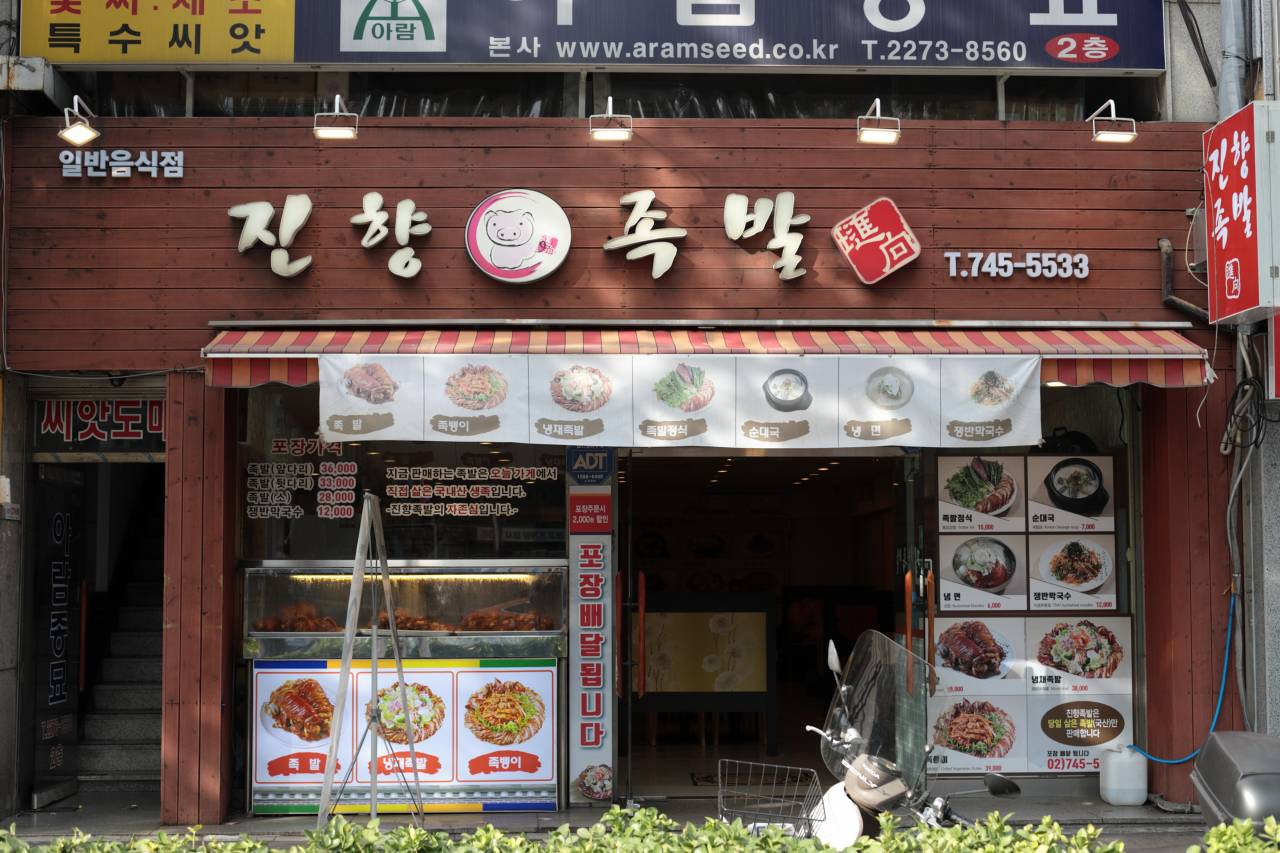
Jinhyang Jokbal (진향족발)
1.1Km 2024-10-15
231-1, Jong-ro, Jongno-gu, Seoul
A pig's trotter(s) specialty restaurant located near Jongno 5(o)ga Station in Seoul. One of the top 5 jokbal (pig's trotter) restaurants in Seoul. This restaurant's signature menu is braised pigs' feet.
Lee Ri-Ja Hanbok Museum (이리자 한복전시관)
1.1Km 2022-08-08
20, Samcheong-ro, Jongno-gu, Seoul
The Lee Ri-Ja Hanbok Museum displays the traditional clothing worn in Korea from birth to death. All hanbok displayed at the museum are created by the hanbok designer Lee Ri-Ja herself, who has over 40 years of experience.
 English
 한국어
한국어 日本語
日本語 中文(简体)
 Deutsch
 Français
 Español
 Русский


