
Soon Chun Hyang University Hospital Seoul (순천향대학교 부속 서울병원)
4.7Km 2025-10-23
59 Daesagwan-ro, Yongsan-gu, Seoul
Soonchunhyang University Hospital Seoul has established a systematic and dedicated system for international patients covering all stages from pre-entry processes to departure and aftercare. Based on the medical records provided by the patient, we consult with the medical staff of each specialty to come up with an estimated treatment plan and costs to help patients prepare for their treatment in Korea. Our dedicated outpatient and inpatient teams provide expert medical interpretation, guidance, and integrated appointment management to ensure prompt and organized medical care for international patients throughout their stay. Complete with spacious and comfortable rooms, the International Ward is staffed by coordinators and a nursing team reserved for international patients. Multidisciplinary care with organized systems, state-of-the-art medical equipment, and top-notch medical staff ensure accurate diagnosis and the best treatment outcomes possible.
Seodaemun Museum of Natural History (서대문자연사박물관)
4.7Km 2021-07-02
51, Yeonhui-ro 32-gil, Seodaemun-gu, Seoul
Nestled at the foothills of Ansan Mountain, a natural resting area in the city, Seodaemun Museum of Natural History is the first natural history museum in the nation to be established by a government agency. Opened on July 10, 2003, the museum offers various opportunities to experience and learn about the environment. It also provides the chance to interact with animals and plants, teaching the value of life.
Maison Hannam (메종 한남)
4.9Km 2024-12-27
24 UN village 3-gil, Yongsan-gu, Seoul
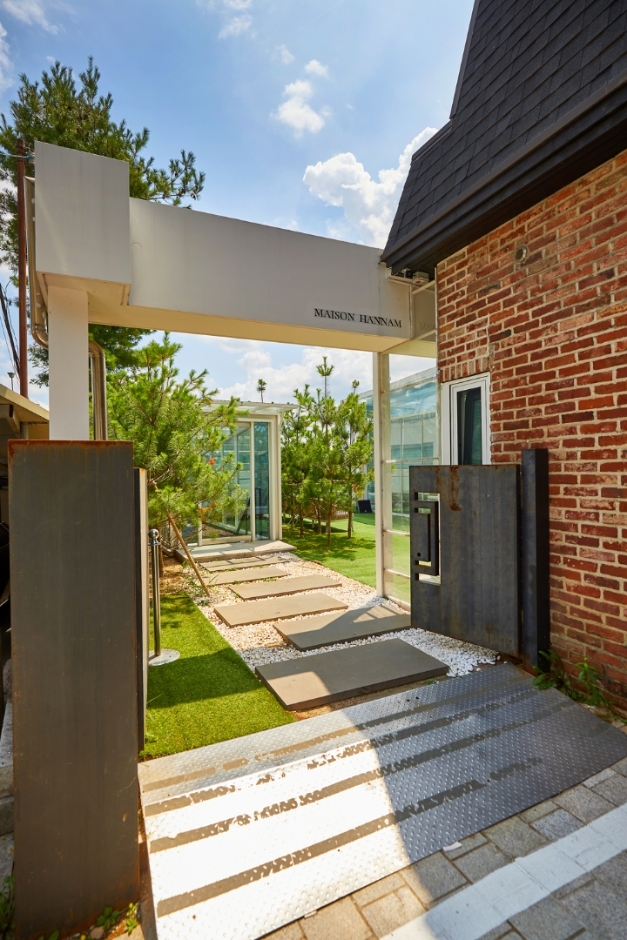
Remodeled from the prevoius Italian Embassy, this restaurant boasts an excellent view of the Hangang River and Lotte World Tower. It is a popular place for dates or birthday parties, requiring a reservation at least a month in advance to sit on the terrace with a view of the Hangang River. Among the recommended menus is the Maison Lunch Set, which offers three courses, including appetizers (such as grilled scallops), pasta, and Korean beef steak. The food is served warm, and the utensils are changed frequently for a pleasant meal. There is a glass greenhouse on the outdoor terrace, so guests can enjoy the Hangang River view regardless of the weather.
We Trip Korea ((주)우리클럽관광개발)
4.9Km 2025-10-23
(101-1204, Lotte Castle President), 467 Gongdeok-dong, Mapo-gu, Seoul
We Trip Korea was established in 2011 and has been successfully attracting international travelers for 13 years. Our company is dedicated to promoting and showcasing our travel products through extensive overseas sales efforts. We actively collaborate with various online travel agencies (OTA) to offer a wide range of travel products that align with current trends. As a professional and customized travel agency, we cater to all types of events, from standard packages to incentive trips, Meetings, Incentives, Conferences, Exhibitions (MICE), medical tourism, VIP services, and personal travels. When you choose our company, you can expect prompt and accurate tailored bookings to meet your specific needs.
Hanyang University Seoul Hospital (한양대학교병원(서울))
4.9Km 2025-10-23
222-1 Wangsimni-ro, Seongdong-gu, Seoul
Hanyang University Medical Center, established in 1972 with the motto of "Love in Deed and Truth", offers exceptional medical care to patients worldwide. It is equipped with advanced medical equipment and staffed by highly skilled and experienced medical professionals. The hospital has achieved grade 1 in the adequacy evaluation for several diseases, including cardiovascular and cerebrovascular diseases, as well as major cancers, making it a top medical institution. Its goal is to provide prompt and convenient medical care to both domestic and international patients in a patient-centered approach.
Salgoji Sports Park (살곶이 체육공원)
4.9Km 2024-03-20
16-18 Sageundong-gil, Seongdong-gu, Seoul
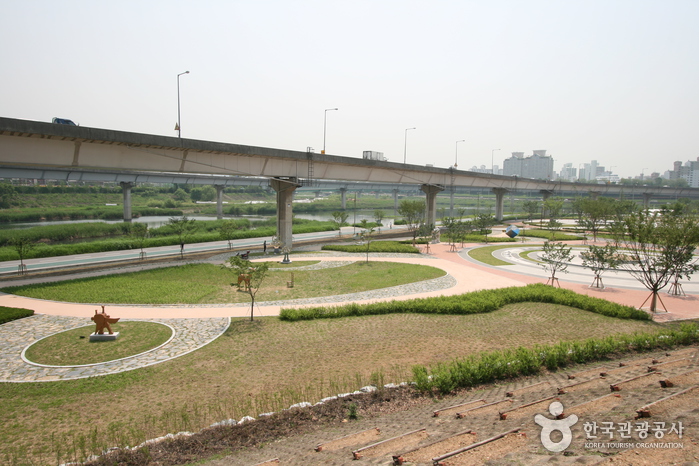
Salgoji Sports Park is located along the Joongnangcheon Riverside near Hanyang University. Its name "Salgoji" holds deep historical significance, meaning "the place where an arrow is shot" in Korean. The park features facilities such as an inline skating rink, soccer field, basketball court, and badminton court. There are dedicated bicycle paths and pedestrian walkways around the park. Throughout the year, walking festivals and mini marathons are organized, making it a beloved spot among cyclists. In the summer, an outdoor water playground is operated.
King Sejong The Great Museum (세종대왕박물관)
4.9Km 2024-03-08
56, Hoegi-ro, Dongdaemun-gu, Seoul
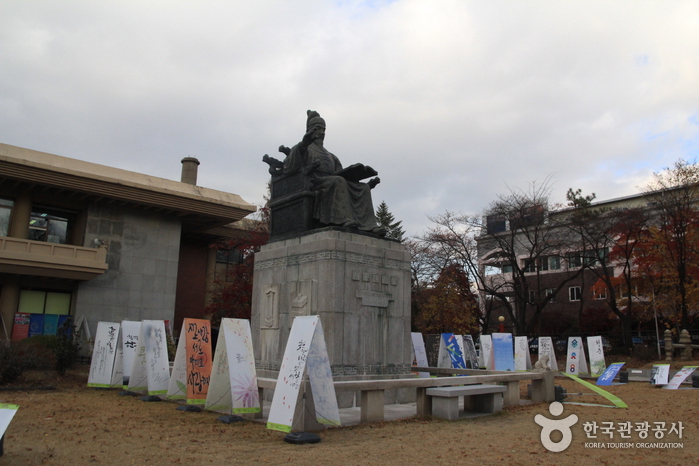
King Sejong The Great Museum is a cultural complex located in the heart of Seoul, near Gwanghwamun Plaza.The Hangeul Room exhibits documents published during the reign of King Sejong, the Science Room displays Cheugugi and celestial planisphere, and the Korean Traditional Music Room showcases various traditional Korean musical instruments. The Biography Room features Portrait of King Sejong and paintings depicting scenes from his life. Outdoors, there are statues of King Sejong, the scahe sundial, the clepsydra, and Cheugugi.
Severance Hospital (연세대학교 의과대학 세브란스병원)
4.9Km 2025-10-23
50-1 Yonsei-ro, Seodaemun-gu, Seoul
THE FIRST & THE BEST
As the first Western-style hospital in Korea, and with over 140 years of history, Severance Hospital (Gwanghyewon) has been leading the medical industry in Korea since its foundation in 1885.
Dedicated to improving the quality of medical services through specialization, Severance Hospital has the distinction of being the first hospital in Korea to operate six specialized hospitals: the Dental Hospital, Cancer Center, Rehabilitation Hospital, Cardiovascular Hospital, Children's Hospital, and Eye Hospital.
In 2023, Severance Hospital achieved a world first by performing 40,000 robotic surgeries and introduced a new paradigm in cancer treatment by bringing Carbon Ion Therapy to Korea for the first time.
As a global leader in advanced medical technology and patient-centered services, Severance Hospital was the first medical institution in Korea to receive JCI (Joint Commission International) accreditation and has ranked first in the medical service sector of the NCSI (National Customer Satisfaction Index) for 14 consecutive years.
Yonsei University Dental Hospital (연세대학교 치과대학병원)
4.9Km 2025-11-21
50-1 Yonsei-ro, Seodaemun-gu, Seoul
Since November 1915, when Dr. William J. Scheifley established the Department of Dentistry at Severance Union Medical School, officially introducing Western dental medicine to Korea, Yonsei University Dental Hospital has maintained its status as the nation's first and foremost dental institution for over 100 years. Notably, Yonsei University Dental Hospital, equipped with the finest medical professionals, state-of-the-art facilities, and a well-coordinated collaborative system among departments, excels in the treatment and prevention of oral and maxillofacial diseases while prioritizing the happiness and well-being of its patients. It stands as the premier dental hospital in Korea.
Hongjecheon Artificial Waterfall (홍제폭포)
5.0Km 2024-11-07
Yeonhui-dong, Seodaemun-gu, Seoul
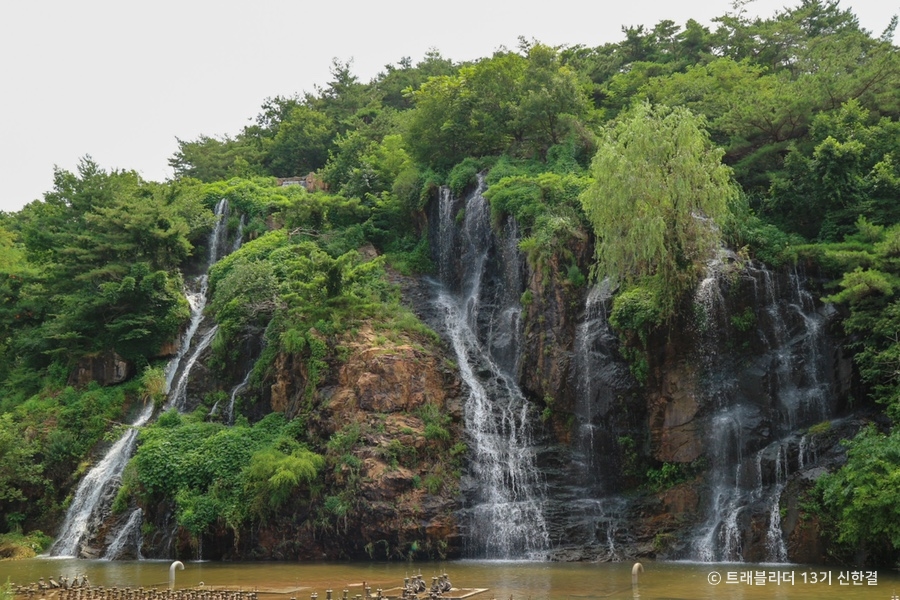
Hongjecheon Artificial Waterfall is located along Hongjecheon Stream in Seodaemun-gu, Seoul. The waterfall was built in 2011 and is 25 meters tall and 60 meters wide. Despite being a man-made waterfall, the design and construction were so well-done that many find it hard to believe it wasn't a naturally formed waterfall. The area around the waterfall features various places for citizens and visitors to relax, while there are many cafes and cultural spaces in the area to make a visit more enjoyable.
 English
 한국어
한국어 日本語
日本語 中文(简体)
 Deutsch
 Français
 Español
 Русский


