
CheongKwanJang - Sindorim Station Branch [Tax Refund Shop] (정관장 신도림역점)
9.6Km 2024-06-27
1F, #102, 83, Saemal-ro, Guro-gu, Seoul
-
![E-Mart - Eunpyeong Branch [Tax Refund Shop] (이마트 은평)](http://tong.visitkorea.or.kr/cms/resource/84/2889084_image2_1.jpg)
E-Mart - Eunpyeong Branch [Tax Refund Shop] (이마트 은평)
9.7Km 2024-04-22
111, Eunpyeong-ro, Eunpyeong-gu, Seoul
-
Korea Global Culture Exchange Center (KGCEC) ((주)케이지문화교류센터)
9.7Km 2025-10-23
#1404, 3 Gongwon-ro, Guro-gu, Seoul
Established in 2018, the Korea Global Culture Exchange Center (KGCEC) runs programs related to studying, tourism, and medical tourism in Korea. The company has attracted over 1,000 medical tourism customers, and approximately 700 international students were accepted by Korean universities with the help of the center. Additionally, the center has organized more than 20 large conferences and hosted over 2,000 FITs (Free Independent Travelers).
The center provides consultations and reservation services in Chinese. Interpretation and post-surgery caregiver services are available upon request. The center also provides comprehensive services from arrival to departure (e.g., pick-up, vehicle, tours, guides, hotel, interpretation, hospital, duty-free shopping, etc.)
The center has partner travel agencies in China who handle applications for Korean visas and medical tourism visas. The center is highly valued by its customers for its promotional efforts and its expansive network of partner hospitals, with its highest priority being service quality.
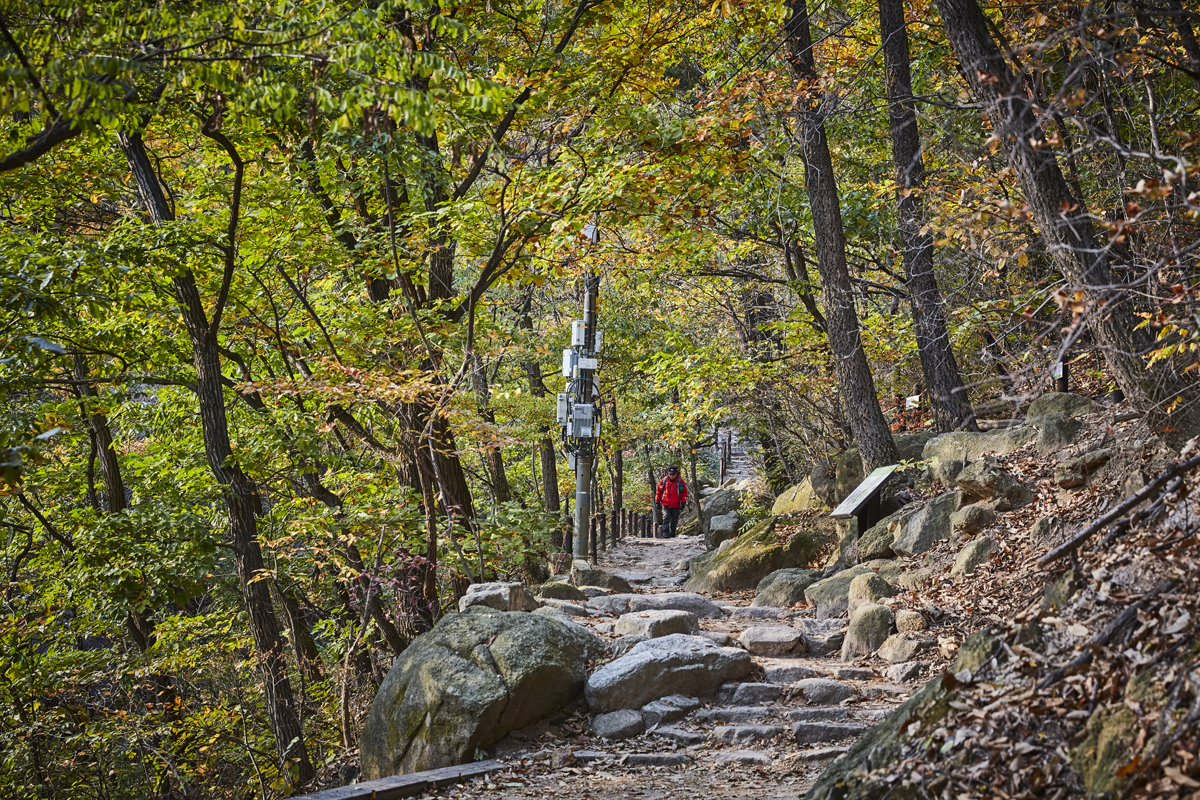
Bukhansan National Park (Seoul District) (북한산국립공원(서울))
9.7Km 2024-11-27
262 Bogungmun-ro, Seongbuk-gu, Seoul
+82-2-909-0497
Bukhansan Mountain was officially designated as a national park in 1983. Bukhansan National Park covers both Bukhansan and Dobongsan Mountains, and spans a total area of 80.699 ㎢. At the top of Bukhansan Mountain are Baegundae Terrace (835.6 m), Insubong Peak (810.5 m) and Mangyeongdae Terrace (799.5 m), which gave the mountain the nickname "Samgaksan" or the "three-horned mountain." The mountain had other names: Sambongsan (mountain with three peaks), Hwasan (flower mountain), and Buaak (mountain shaped like a person giving a baby a piggyback ride). The current name, Bukhansan, was given after the Bukhansanseong Fortress was built under King Sukjong of the Joseon dynasty.
![Uniqlo - Eunpyeong Branch [Tax Refund Shop] (유니클로 은평)](http://tong.visitkorea.or.kr/cms/resource/81/2889381_image2_1.jpg)
Uniqlo - Eunpyeong Branch [Tax Refund Shop] (유니클로 은평)
9.7Km 2024-04-16
32, Seooreung-ro, Eunpyeong-gu, Seoul
-
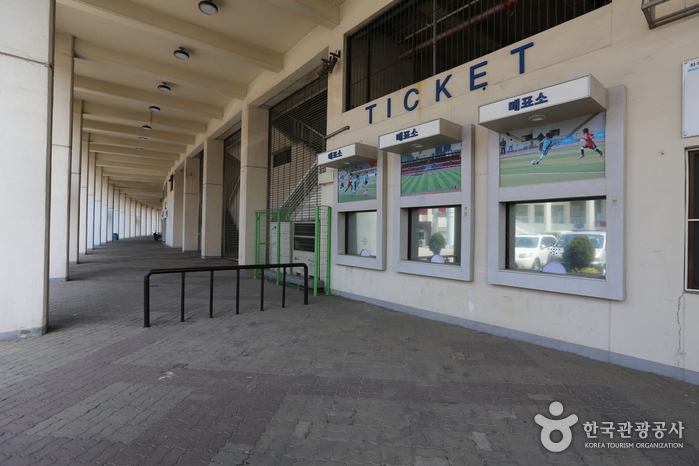
Mokdong Stadium (목동운동장(목동아이스링크,사격장)
9.7Km 2022-09-14
939, Anyangcheon-ro, Yangcheon-gu, Seoul
+82-2-2240-8800
Mokdong Stadium was opened in 1989 with a stadium, a baseball field and an indoor ice rink and added footsal field in 2008 to improve Korea’s sports culture. The soccer field was used as the home field for K-league teams in the past. The ice rink hosts hockey matches and figure skating competitions as well as ice ballet performances. Other facilities include a main square, an indoor shooting range and a gym for residents to enjoy.
Gwacheon Chusa Museum (추사박물관(과천))
9.7Km 2023-07-14
78, Chusa-ro, Gwacheon-si, Gyeonggi-do
+82-2-2150-3650
Gwacheon was where Chusa Gim Jeong-hui immersed himself in studies and arts to ignite his final artistic spirit in the twilight of his life. The city of Gwacheon opened Chusa Museum in order to promulgate the essence of the learning and arts that Chusa flowered. The museum features the life exhibit of Chusa, an art and science exhibit, a planned exhibit hall, an experience room, lounges, a museum shop and an education room for thoroughly researching, exhibiting and experiencing Chusa.
![M.Ffin - Guro Branch [Tax Refund Shop] (엠핀 구로)](http://tong.visitkorea.or.kr/cms/resource/46/2880246_image2_1.jpg)
M.Ffin - Guro Branch [Tax Refund Shop] (엠핀 구로)
9.7Km 2024-04-22
1F, 569, Siheung-daero, Guro-gu, Seoul
-
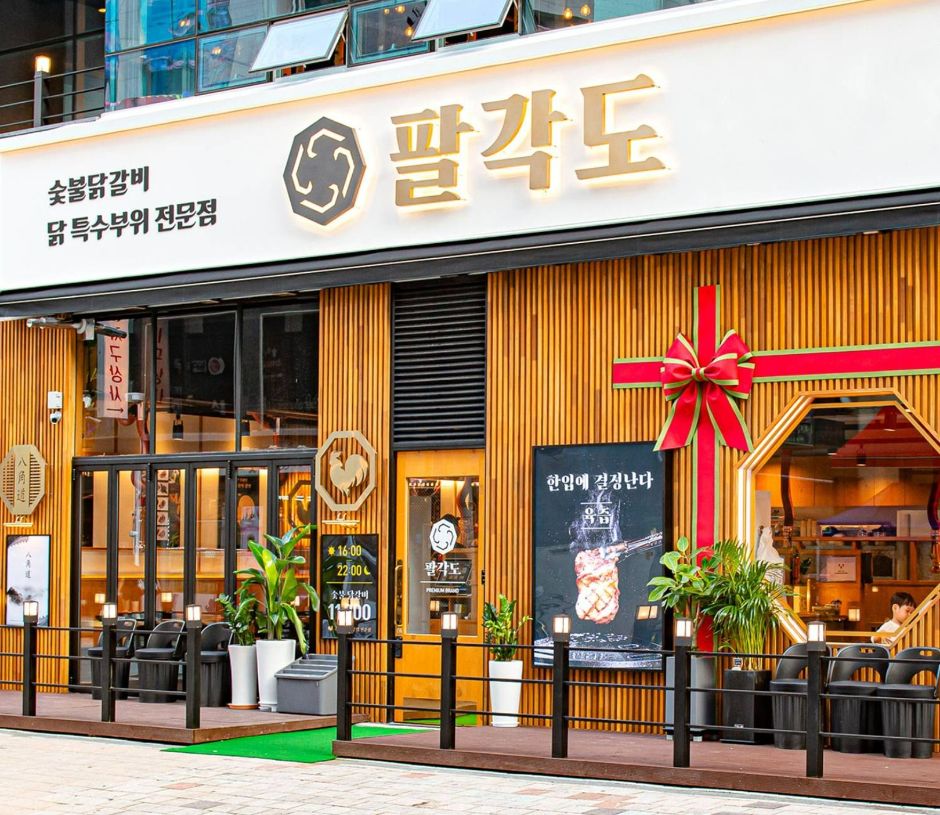
Palgakdo Main Branch (팔각도 본점)
9.7Km 2025-01-23
643 Gyeongin-ro, Guro-gu, Seoul
Palgakdo is a restaurant specializing in charcoal-grilled chicken cuts. The chicken is cooked over charcoal, making it tender and juicy. Visitors can try various chicken parts paired with delicious side dishes and sauces. The store’s unique interior, inspired by a pentagon theme, makes it a great place for dates and group gatherings.
![Uireung Royal Tomb [UNESCO World Heritage] (서울 의릉(경종, 선의왕후) [유네스코 세계문화유산])](http://tong.visitkorea.or.kr/cms/resource/80/2690680_image2_1.jpg)
Uireung Royal Tomb [UNESCO World Heritage] (서울 의릉(경종, 선의왕후) [유네스코 세계문화유산])
9.7Km 2021-06-03
146-20, Hwarang-ro 32-gil, Seongbuk-gu, Seoul
+82-2-964-0579
Uireung is the royal tomb of King Gyeongjong (reign 1720-1724), the 20th ruler of the Joseon dynasty, and his second wife, Queen Seonui.
King Gyeongjong was the first son of King Sukjong and Janghuibin, who was one of King Sukjong’s concubines. King Gyeongjong, who was born weak and anemic, died four years after becoming the king, without any great political achievements. Uireung tombs differ from the other royal double tombs in that they are not placed side-by-side. Instead, according to geomantic theory, one tomb has been placed directly behind the other one. The arrangement also shows that when making tombs, Korean ancestors did their best to protect the natural environment. Another feature of Uireung Royal Tomb is the stone fence raised using twelve stone posts. Each post has a letter inscribed, representing one of the twelve sibijisin gods.
 English
 한국어
한국어 日本語
日本語 中文(简体)
 Deutsch
 Français
 Español
 Русский


