
Dongdaemun Design Plaza (동대문디자인플라자 (DDP))
2.1Km 2024-10-24
281 Eulji-ro, Jung-gu, Seoul
Dongdaemun Design Plaza (DDP) has a meaning of Dream, Design, and Play. It holds various exhibitions, fashion shows, forums, conferences, and other domestic and international events. The building complex is divided into sections, which are named Allimteo, Beaumteo, Sallimteo, DDP Design Museum, Design Market & Eoullim Plaza, and Dongdaemun History & Culture Park. Designed by world-renowned architect Zaha Hadid, the building's exterior attracts the attention of many photographers with its delicate curves and bold shapes.
Namsangol Hanok Village (남산골한옥마을)
2.1Km 2025-07-14
28 Toegye-ro 34-gil, Jung-gu, Seoul
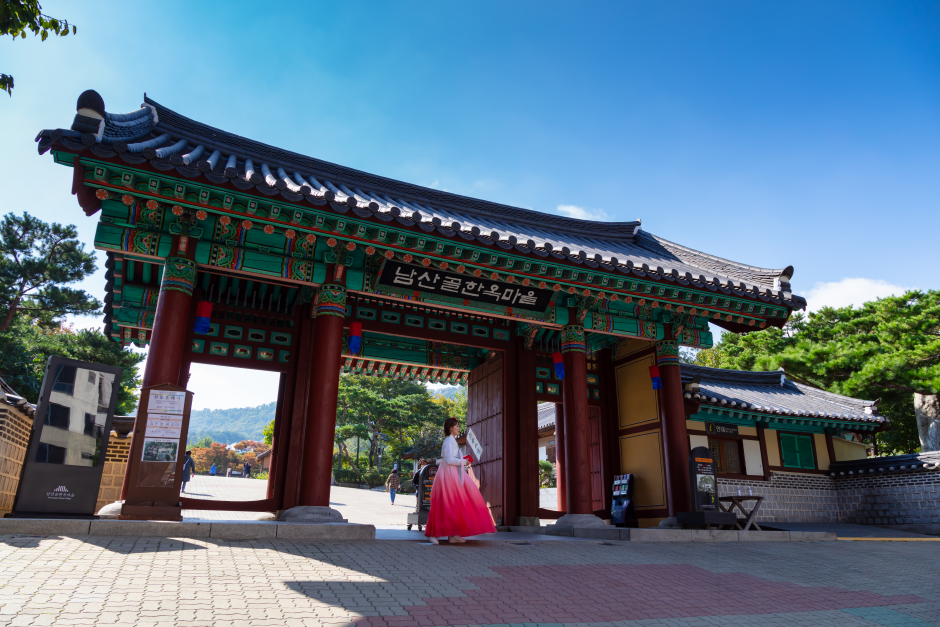
Namsangol Hanok Village opened in 1998 on the northern side of Namsan Mountain in the center of the capital. This village has five restored hanok (traditional Korean house) premises, a pavilion, a traditional garden, a performance art stage, and a time capsule plaza, making it a perfect spot for locals and tourists to take a leisure walk. Upon entering from the front gate, visitors will get a taste of Korea's traditional life while escaping from bustling city life. The traditional garden with its pavilion and old houses creates a peaceful ambiance before the forested Namsan Mountain. A time capsule commemorating Seoul’s 600th anniversary was buried in 1994 at the highest point of the village and is scheduled to be reopened 400 years later in 2394.
The five hanok premises at Namsangol Hanok Village once belonged to aristocrats and government officials of the Joseon dynasty. Each house was originally located in a different neighborhood, but they were all moved to this area and restored to their original form. The houses were rebuilt using their original materials, except for one house, where the materials were too old and deteriorated to be reused. The premises were carefully restored and replicated according to their original form to depict the owners’ social class and personality. These buildings are now used as an exhibit to portray the living environment during the Joseon dynasty and as a venue for educational and cultural programs for children and tourists.
Some of the unique programs and activities to participate in include wearing hanbok, folding hanji (traditional Korean paper), writing in Korean, traditional tea ceremony, traditional etiquette school, and herbal medicine experience. There are also taekwondo demonstrations and other various performances held around the village. Visitors can also try traditional games such as yunnori (traditional board game), or understand more about the area through a guided tour.
Gyeonghuigung Palace (경희궁)
2.1Km 2024-07-09
45 Saemunan-ro, Jongno-gu, Seoul
Gyeonghuigung Palace, a designated Historic Site, was originally called the large palace by Saemun Gate, or the Western Palace, for its location within the city. It was not until the eighth year of Gwanghaegun (1616) that the palace was used as a royal residence for the king, changing the name to Gyeongdeokgung Palace. The name later changed again to the current Gyeonghuigung Palace in 1760. The palace grounds included many halls but they were mostly all burned down in a fire in 1829. After the Japanese occupation began, all remaining buildings on the site were torn down and the palace grounds were turned into Gyeongseong Middle School (now Seoul High School). The school moved to Gangnam area in 1987, afterwhich the previous location was turned into a park. The palace grounds currently hold Seoul Museum of Art and walking paths, as well as a restoration of Heunghwamun Gate, the main gate of the palace, and Sungjeongjeon Hall, the main hall, completed in November 1994.
Seoul Museum of Art (서울시립미술관(서소문본관))
2.1Km 2024-06-19
61 Deoksugung-gil, Jung-gu, Seoul
The Seoul Museum of Art (SeMA) is a space for all to meet and experience the joy of art. Located in the center of Jeong-dong, a district that retains traces of Seoul’s modern and contemporary history, the museum integrates the historical facade of the former Supreme Court with modern architecture. In addition to various programs―encompassing exhibitions, educational outreach initiatives, screenings, workshops, performances, and talks, communal spaces including SeMA Cafe, the artbook store, the open space lobby, and the outdoor sculpture park SeMA WALK provide a rich range of ways for visitors to experience art.
Jeongdong Guksi (정동국시)
2.1Km 2024-06-19
5 Jeongdong-gil, Jung-gu, Seoul
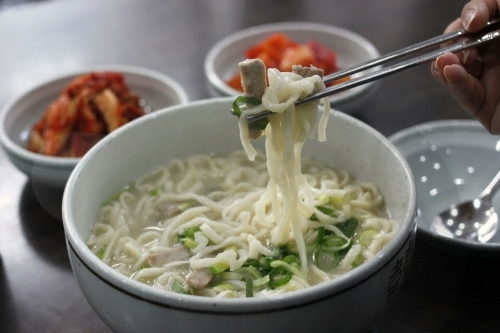
Jeongdong Guksi features a rich soup with a clean taste, created by carefully removing the oil dozens of times while boiling Korean beef bones for 15 hours. The restaurant uses this same beef bone broth in their mandutguk (dumpling soup), something not many restaurants do. The rich flavor of the broth combined with the soft dumplings, made in-house daily, is a must-try. The restaurant is also surrounded by many cultural and artistic spaces, making it a great addition to tours in the area.
Namsan Arts Center (남산예술센터)
2.1Km 2021-08-26
138, Sopa-ro, Jung-gu, Seoul
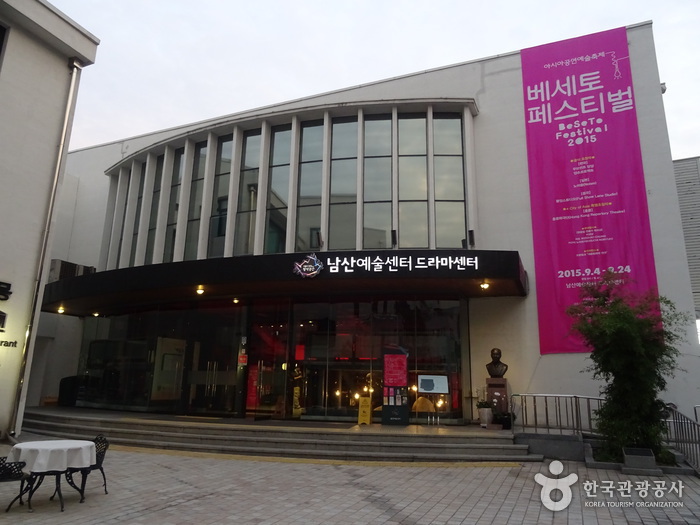
Namsan Arts Center, reopened as a creative space in Seoul in September 2009. It redefined the colors and characteristics of the theater, aiming for a modern theater production center centered on creative premieres, a contemporary performance venue where visitors can feel the pulse of the times, and a theater capable of various experiments.
Namsan Arts Center Drama Center is the first modern folk theater in Korea and the oldest performance hall in which the original architectural form has been preserved. Under the concept of "Contemporary & New Wave," the center continues to produce domestic original plays, and through active exchanges with excellent overseas theaters, build a repertoire of high-quality works that can read domestic and overseas trends, and present contemporary cultural diversity.
Donga Stationery (동아완구)
2.1Km 2024-09-11
5 Jong-ro 52-gil, Jongno-gu, Seoul
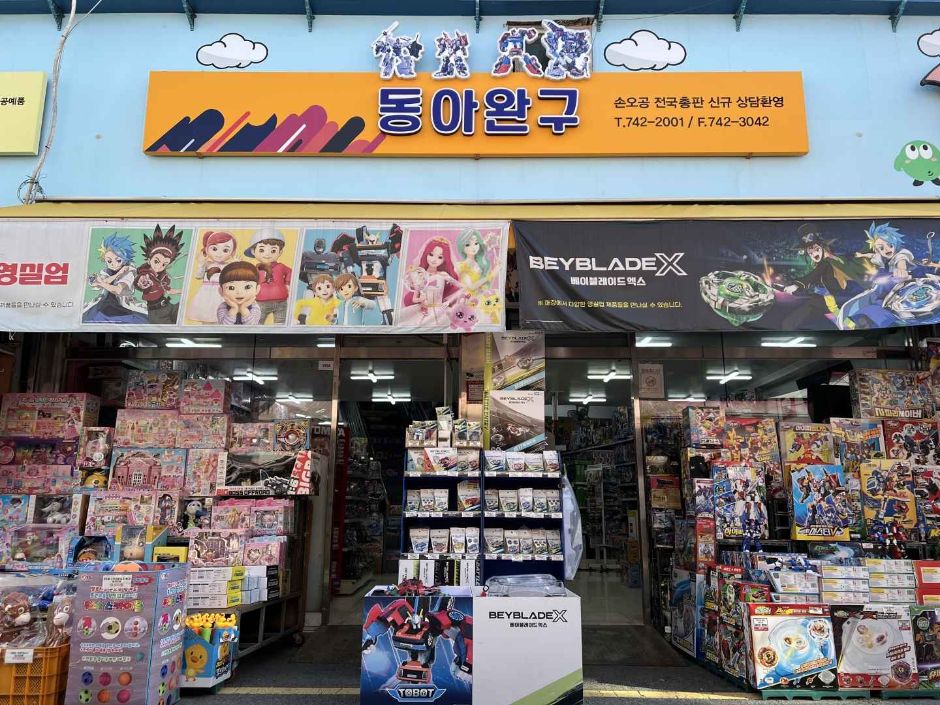
Donga Stationery is a stationery store located along Changsin-dong Stationery Street. The stop offers a full range of stationery and character goods and is popular among children and adults alike. The shop is located right by Dongdaemun Station (Seoul Subway Line 1), Exit 4, making it easily accessible.
Dongdaemun History & Culture Park (동대문역사문화공원)
2.1Km 2024-11-27
281 Eulji-ro, Jung-gu, Seoul
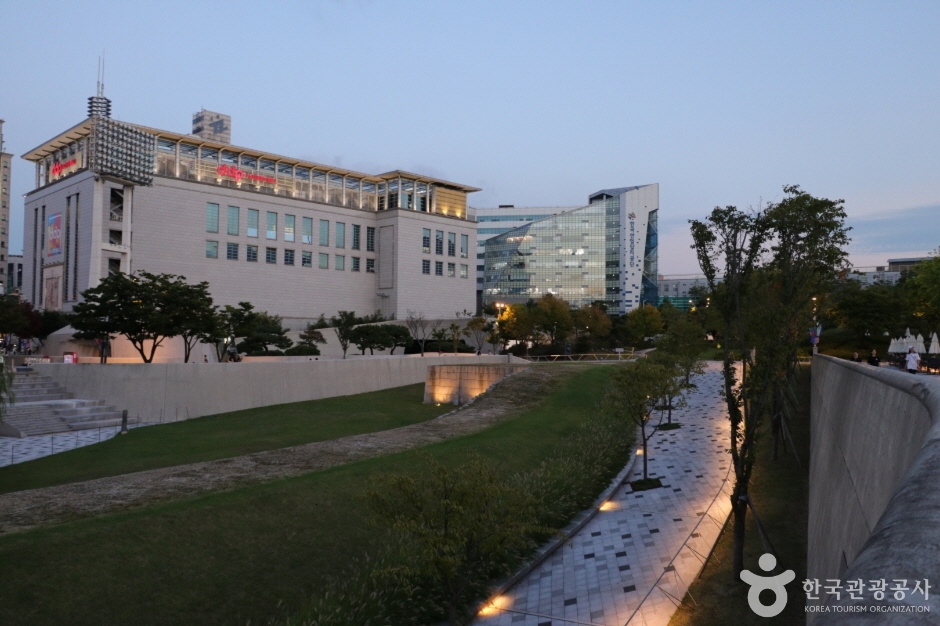
Dongdaemun History & Culture Park is a park established on the former site of the Dongdaemun Stadium. It serves as a thematic park showcasing the history and culture of Seoul, while also providing a space to experience modern design and culture. During the park's development in 2008, numerous artifacts from the Joseon dynasty, including The Two Floodgates, the Chiseong Castle, Military Training Agency, and over 1,000 relics from the Joseon era, were excavated. Alongside the park, there is the Dongdaemun Design Plaza (DDP) and the Relic area.
Ewha Centennial Hall (이화여고100주년기념관)
2.1Km 2024-02-20
26 Jeongdong-gil, Jung-gu, Seoul
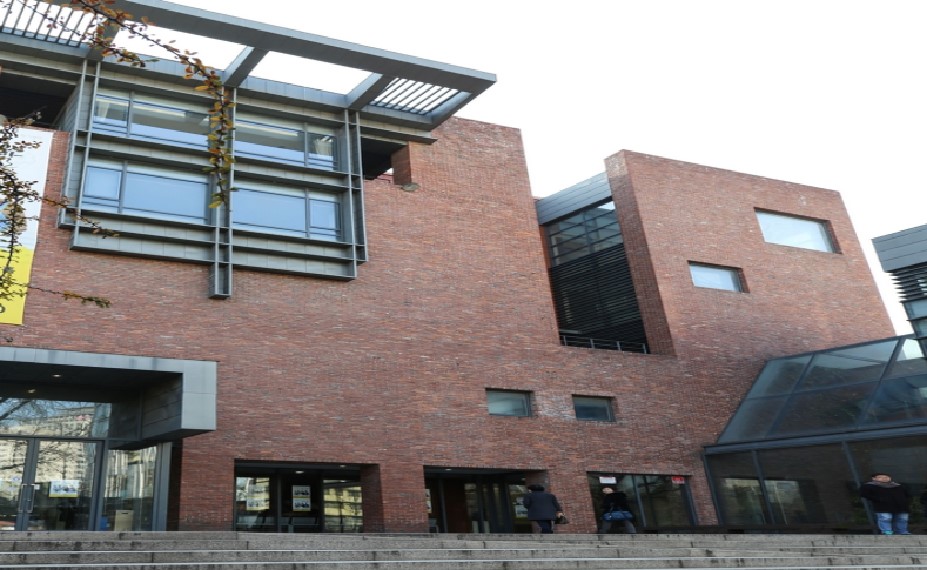
Ewha Centennial Hall is a multimedia education center located next to Ewha Girls' High School. Spanning underground and five above-ground floors, it features a gallery, a cafe, music rooms, individual practice rooms, and audio-visual rooms. The Hwaham Hall on the first and second floors is utilized for performances such as musicals and concerts, as well as educational events.
Jeongdong-gil Road (정동길)
2.1Km 2024-06-19
2-1 Jeongdong-gil, Jung-gu, Seoul
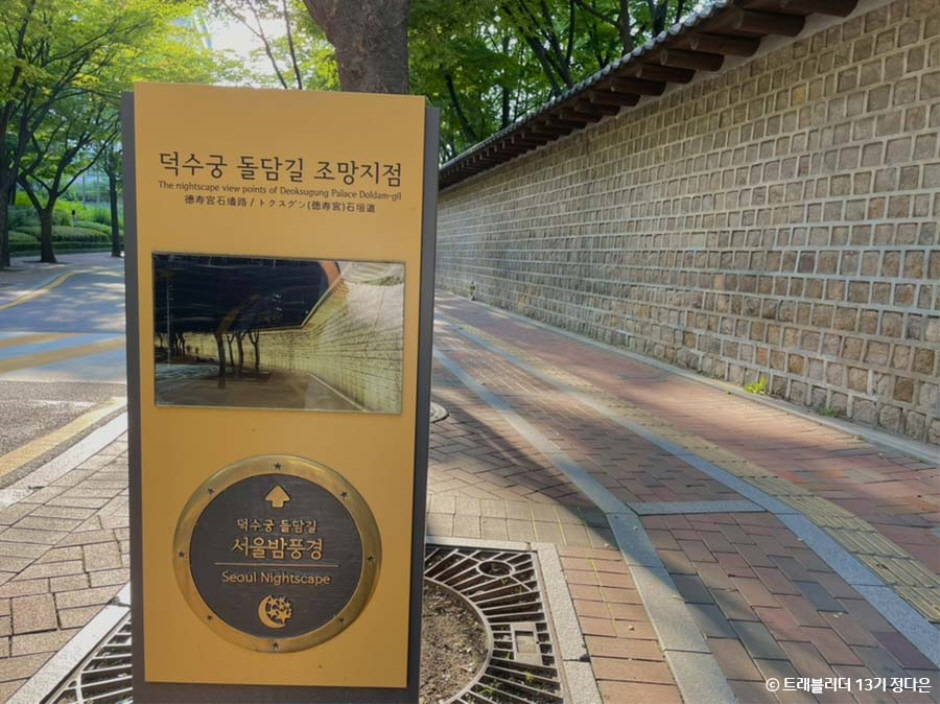
Jeongdong-gil Road is one of Seoul's most famous walking paths, stretching from the intersection in front of Jeongdong Church to Saemunan-gil Road. The street holds importance in Korea's modern history, with the surroundings serving as a living museum of this. During the Joseon dynasty, the area developed into a residental space for distant members of the royal family, with a palace and royal tombs in the area. In 1999, the pedestrian walking area was expanded by turning the two-way road into a one-way road. Since then, the road has earned many awards and honors.
 English
 한국어
한국어 日本語
日本語 中文(简体)
 Deutsch
 Français
 Español
 Русский


