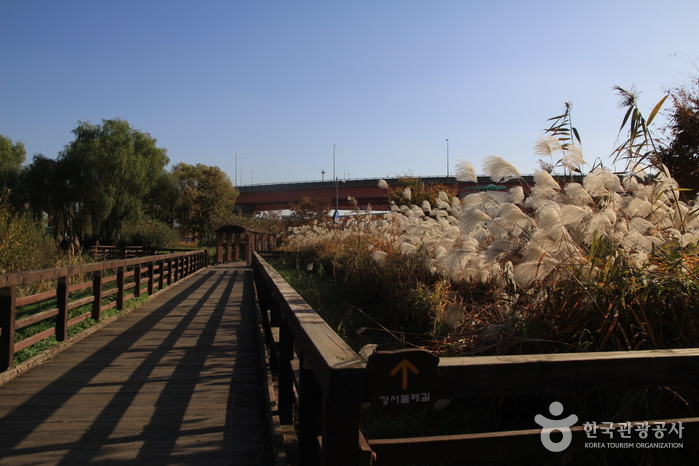
Gangseo Marsh Ecological Park (강서습지생태공원)
16.4Km 2021-06-22
279-23, Yangcheon-ro 27-gil, Gangseo-gu, Seoul
+82-2-3780-0621
The Gangseo Marsh Ecological Park is an eco-park located on the Hangang River between the southern side of Banghwadaegyo Bridge and southern side of Haengjudaegyo Bridge. Established in July 2007, the park is partly comprised of low wetlands, freshwater lakes, and various aquatic plants. Eco-trails wind around the park through reed areas, around willow trees, and past the migratory bird observation. At the park, visitors can watch and learn about a variety of migratory birds during summer and winter or join one of the park’s organized eco-education programs.

Bucheon U-ri General Hospital (부천우리병원)
16.5Km 2025-10-23
(Wonjong-dong), 726 Sosa-ro, Ojeong-gu, Bucheon-si, Gyeonggi-do
Bucheon U-RI General Hospital is a general hospital with an advanced medical system that is in line with the rapidly changing medical environment. The hospital won “excellent” ratings across all health checkup areas and in the Accreditation Program for Healthcare Organizations by the Ministry of Health and Welfare. With outstanding medical staff, ambitious investments in hospital facilities, and ceaseless training, we continue to grow. We maintain specialized centers across various fields, including the Gastroenterology Center, Spine & Joint Center, and the Cerebral Neurology Center, and our medical departments include internal medicine, neurology, orthopedics, spine surgery, general surgery, urology, gynecology, and dentistry. We also offer an integrated nursing care service that allows patients to be admitted without a caregiver. Our Comprehensive Health Checkup Center operates on 1,652 ㎡ under agreements with numerous public institutions and businesses. Checkup visitors can receive an early diagnosis of diseases and follow-up care from each medical department. Our strengths not only include its high-end medical facilities but also its convenient location near Incheon and Gimpo Airports. We will continue to expand our infrastructure to offer the best experience for overseas patients who want to benefit from Korea’s outstanding medical services.
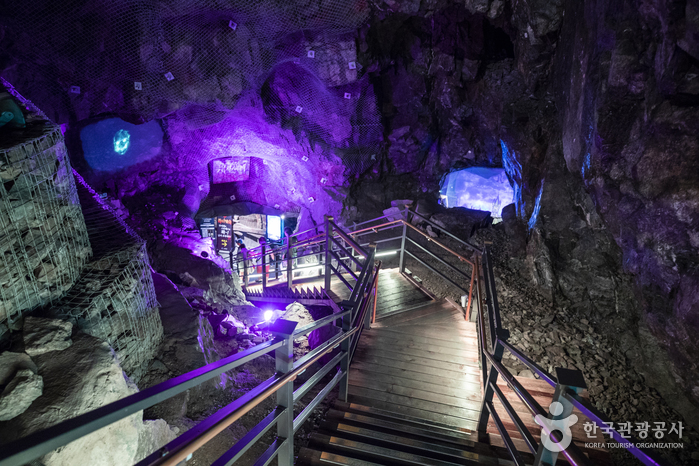
Gwangmyeong Cave (광명 동굴)
16.5Km 2025-10-27
142 Gahak-ro 85beon-gil, Gwangmyeong-si, Gyeonggi-do
Gwangmyeong Cave was developed in 1912 during the Japanese colonial period to exploit resources, including gold mines, and continued to be developed for industrial purposes after liberation. After the mine was closed in 1972, it was used as a salted seafood warehouse for about 40 years. Gwangmyeong City purchased the site, reorganized it, and made it available to the public. It is currently recognized as a modern industrial heritage site with high historical value, and is well known as a cave theme park in the metropolitan area. Along with the cave, colorful lights and sculptures create a spectacular sight. Aside from tasting and purchasing Korean wine at the Gwangmyeong Wine Cave, visitors can also see the largest media art piece in Korea at the Lascaux Exhibition Hall, enjoying a more diverse travel experience.
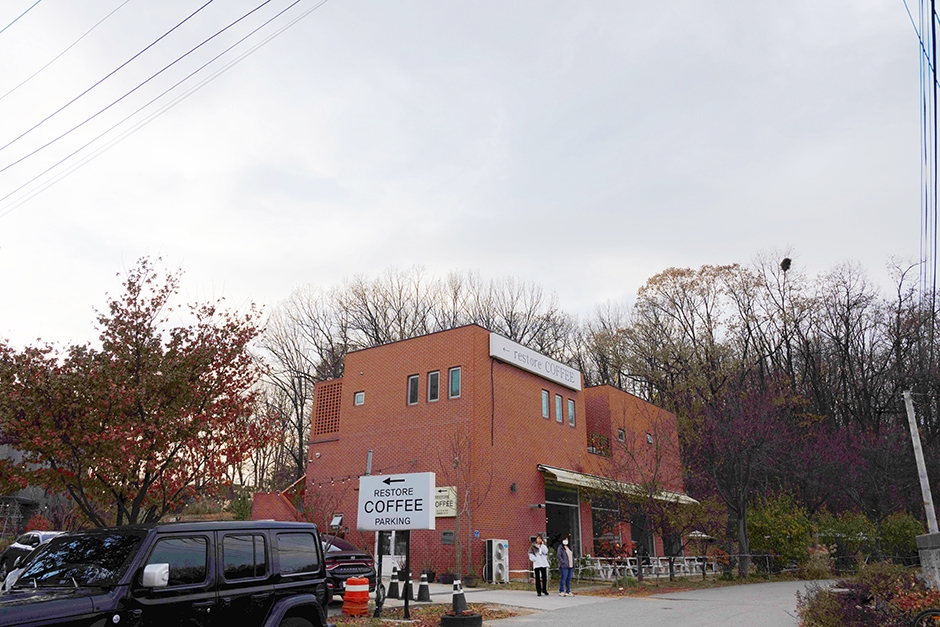
Goyang Restore Coffee (리스토어커피)
16.6Km 2025-10-29
741-35 Gwonyul-daero, Deogyang-gu, Goyang-si, Gyeonggi-do
This is a cafe where coffee made by roasting coffee beans and desserts such as Croiffles are delicious. High ceilings, natural wooden furniture, and tiled counters create a sophisticated atmosphere. The scenery seen outside the large folding door is as beautiful as a painting, making you turn on the camera.
Baegunhosu Lake (백운호수)
16.8Km 2023-09-05
526 , Baegun-ro, Uiwang-si, Gyeonggi-do
+82-31-240-4810
Baegunhosu Lake is an artificial lake that was completed in 1953. The lake is surrounded by mountains made up of Cheonggyesan Mountain in the northeast, Baegunsan Mountain in the southeast, and Moraksan Mountain in the west. The lake encompasses an area of 363,638 m². This lake was originally built to provide irrigation for nearby farmlands but it became a public recreational space due to its scenic landscape, fresh air, and spacious lot perfect for parking. Visitors to Beagunhosu Lake can enjoy music at a live cafe or water activities such as motor boating, as well as delicious foods from nearby restaurants.
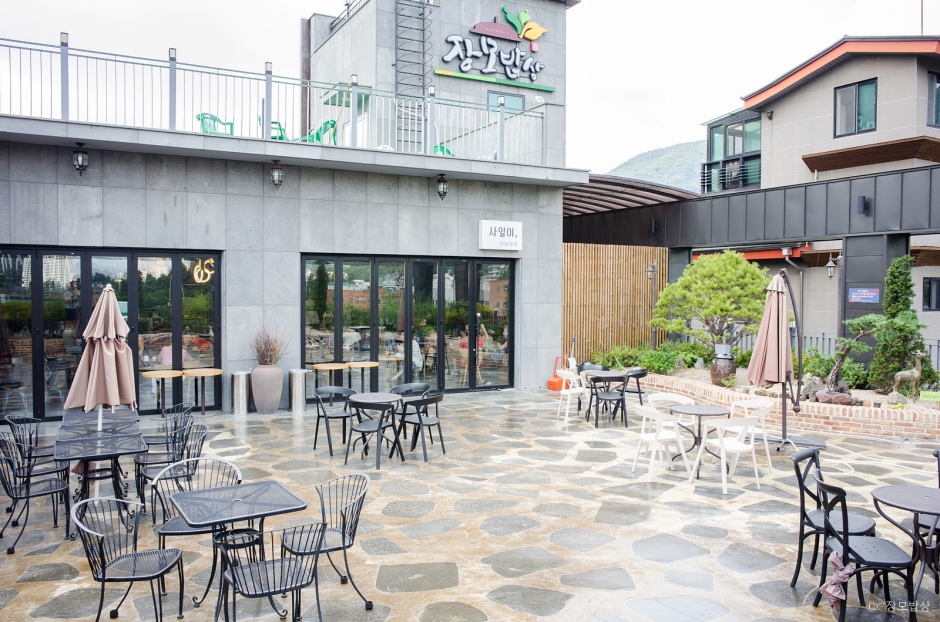
Jangmo Bapsang (장모밥상)
17.0Km 2024-10-15
5, Haogae-ro 344beon-gil, Bundang-gu, Seongnam-si, Gyeonggi-do
This restaurant specializes in elegant Korean table d’hote. Order the flagship set menu, Jangmo Bapsang, which includes nearly 20 types of side dishes. These dishes range from Saengseongui (Grilled fish), Suyuk (Boiled pork slices), Ganjanggejang (Soy sauce marinated crab), Japchae, Kimchi, Doenjangjjigae (Soybean paste jjigae), Namul (Salad), and Cheongpomukmuchim (Mung bean jelly salad), all served with Gamasotbap (Rice Cooked in Cast-iron Pot). You can enjoy extra servings of side dishes from the self-service bar. The dishes are known for their refined taste. After your meal, enjoy a cup of tea at the café on the second floor.
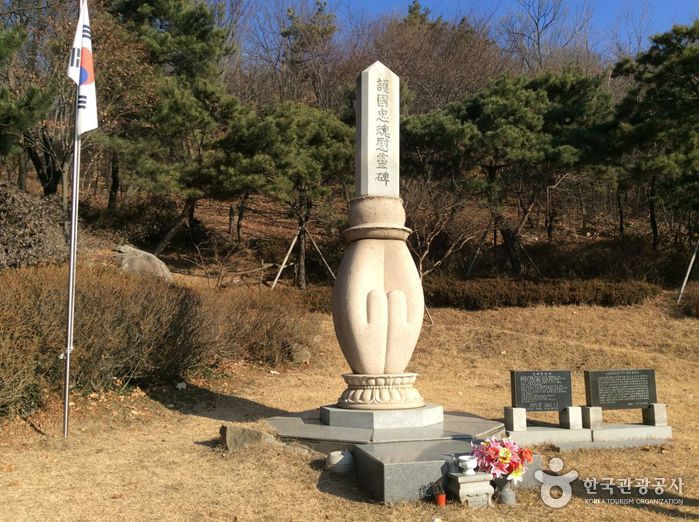
Memorial to the Loyal Dead (호국충혼위령비)
17.3Km 2025-01-13
56-33, Gaehwadong-ro 13-gil, Gangseo-gu, Seoul
+82-2-2125-0848
When the fate of the nation was hanging by a thread as the North Korean Army launched an invasion of the South on June 25, 1950, about 1,100 officers and men from
the South Korean First Division's 11th, 12th, and 15th regiment retreated to Gimpo and built the last line of defense on Gaehwasan Mountain from June 26 to 30 to fight against a large army
of North Korean soldiers disguised as South Korean men.
Unfortunately, their communication with the headquarters was
cut off and their supply of ammunition and food ran out. As a result, the entire South Korean force was killed by the much larger North Korean army
in a valley around Gaehwasan Mountain. In order to commemorate those who died for the country, the government established the
Memorial to the Loyal Dead on Gaehwasan Mountain in 1994. A memorial service is
also held here annualy on June 28th.
x_height: 4.7 meters high
Built by the First Division of the ROK Army, Mitasa Temple
Bucheon Bow Museum (부천활박물관)
17.4Km 2021-12-23
482, Sosa-ro, Bucheon-si, Gyeonggi-do
+82-32-614-2678
Reflected by the outstanding performance of Korean archers at recent Olympic games, Koreans have an esteemed reputation for their skills in archery and craftsmanship. But this undoubted skill has historical precedent, as bows were an important weapon of war throughout Korean history. The Bucheon Bow Museum was established to show visitors the spirit of Korean archery, and demonstrate its ancestral traditions of bowyer craftsmanship. The museum houses traditional bows (gukgung), which are considered prized cultural pieces, and have been made by a Bucheon family, which has fostered a lineage of bowyers across five generations. In addition, the museum exhibits various pieces and articles related to archery.
Star Parks (스타팍스 주식회사)
17.8Km 2025-10-23
#101, 11 Euni-ro, Jungwon-gu, Seongnam-si, Gyeonggi-do
Established in 2006, Star Parks provides travel and medical tourism services.
It produced and uploaded a very effective meditation video on YouTube, and began selling K-Wellness Tour products, which includes the meditation program, starting in October 2024. It also provides medical tourism services that connect customers to the specific doctor they want through the WISHed-Doctor program, based on information accumulated over 15 years about top-tier doctors .
National Women's History Exhibition Hall (국립여성사전시관)
17.9Km 2021-09-23
50, Hwajung-ro 104beon-gil, Deogyang-gu, Goyang-si, Gyeonggi-do
+82-31-819-2288
The National Women’s History Exhibition Hall opened on December 9, 2002 in Daebang-dong, Seoul, but was moved to its current location in Goyang, Gyeonggi-do on September 1, 2014. The hall uses both traditional display techniques as well as creative media art to showcase the history and culture of women in Korea. The exhibition hall aims to give women their rightful place in Korean history, in addition to enhancing women’s sense of pride and expand gender equality through various activities, including public education programs and special exhibitions.
 English
 한국어
한국어 日本語
日本語 中文(简体)
 Deutsch
 Français
 Español
 Русский


