
Syncverse (주식회사 싱크버스)
11.5Km 2025-12-09
(B103, Bethel Building), 875 Tongil-ro, Eunpyeong-gu, Seoul
SYNCVERSE is a combination of the words “synchronize,” which means happening at the same time, and “universe,” representing the vast world we live in.
Syncverse serves as a central hub, connecting people and facilitate seamless beginnings for success in various fields. We cater not only to medical tourism and medical research and development, but also provide a global network to meet the needs of our valued customers and partners.
Gocheok Sky Dome (고척 스카이돔)
11.6Km 2023-09-05
430 , Gyeongin-ro, Guro-gu, Seoul
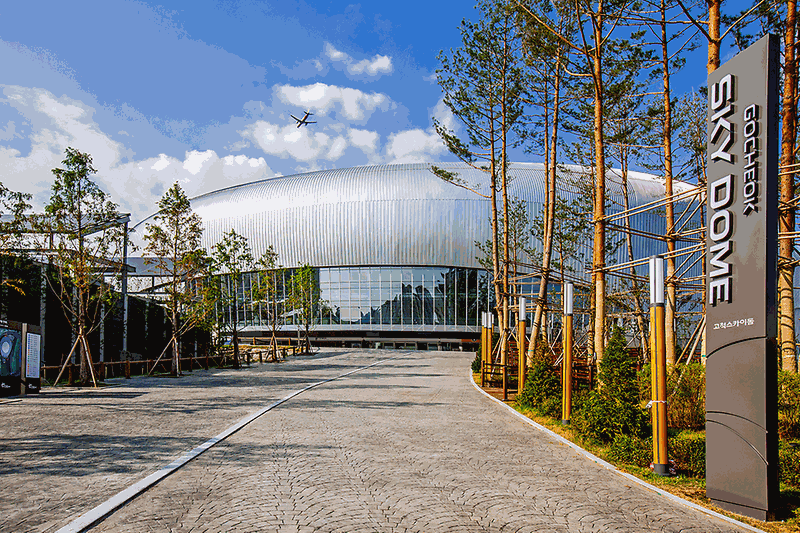
Gocheok Sky Some is the first dome-type baseball stadium to be built in Korea. Since its establishment in 2015, the stadium has been used as a venue for diverse events, including baseball games, athletic sports, performances, concerts, and more. The stadium consists of two basement floors and four above-ground floors with 16,783 seats. Gocheok Sky Dome serves as a cultural facility for the public that can host events regardless of season and weather. A baseball-themed street is connected to the dome for baseball fans. Several other sports-related facilities and retailers are also available.
Style82 Co., Ltd. (㈜스타일82)
11.6Km 2025-10-23
#303, Gasan Urban Work I, 135 Gasan digital 2-ro, Geumcheon-gu, Seoul
Style82, Inc., is a healthcare platform operated by "experts" with over 20 years of experience. They market Korean Wave content and domestic products, including medical tourism, commerce, and distribution, through their international network, and expand their specialized medical services into the global market.
In particular, the medical platform "Medi82", which started in the first half of 2025, provides VIP customer service so that overseas customers can receive the best medical services in Korea through partnerships with over 130 hospitals in Korea. Experienced staff members who can interpret foreign languages communicate directly with customers, minimizing medical accidents or inconveniences that may occur during hospital treatment. Additionally, we have branches in Japan and Vietnam, and partners in the United States, Singapore, Indonesia, and Thailand.
Pungnap-dong Toseong Fortress (서울 풍납동 토성)
11.7Km 2025-01-10
Pungnap-dong, Songpa-gu, Seoul
+82-2-2147-2800
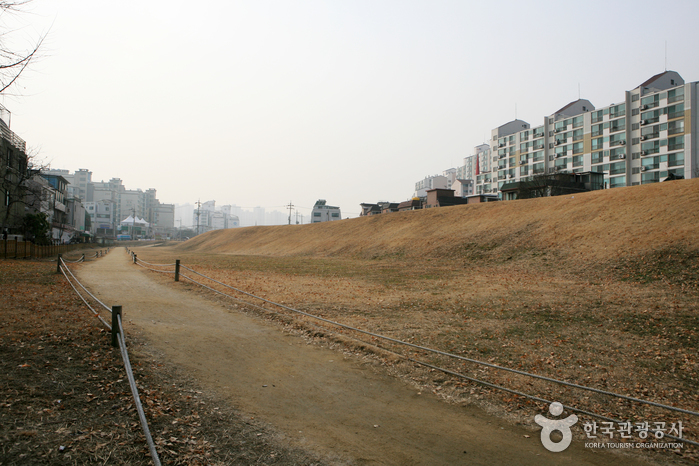
Onjo, the progenitor of Kingdom Baekje, first settled in Wiryeseong Hanam. But exact location is still unknown. One thing for sure, however, is that Pungnaptoseong Fortress, Mongchontoseong Fortress, Bangidong Ancient Tombs of Baekje, Seokchondong Stone Mound Tomb of Early Baekje are the remains of Baekje. Pungnaptoseong Fortress faces Hangang River to its west and connects to Mongchontoseong Fortress to the south. To the northwest faces Achasanseong Fortress over Hangang River and far to the southeast is Namhansanseong Fortress.
Pungnaptoseong Fortress, located at the south end of Cheonhodaegyo Bridge over Hangang River, is one of the remains of Early Baekje. Originally, the fortress was 4km in circumference, but due to massive overflowing of Hangang River during flood season in 1925, most of the fortress was lost and only 2.7km of it remains. To the east of the fortress are 4 vestiges of the fortress gates. The remains from the prehistoric era through the Samguk (Three States) era have been unearthed, indicating that this place was a residential area well before the Baekje Era. Through vigorous excavation, some people suggest that there used to be a palace located here during the Baekje Era.
Seoul Bangidong Ancient Tombs (서울 방이동 고분군)
11.8Km 2022-12-29
219, Ogeum-ro, Songpa-gu, Seoul
+82-2-2147-2800
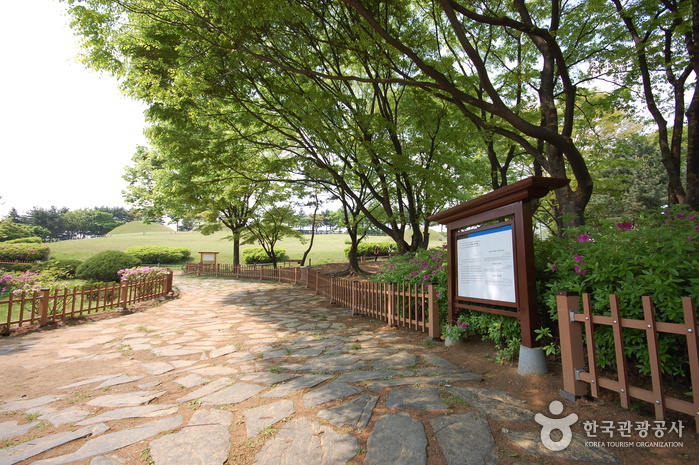
The ancient tombs in Bangi-dong were discovered during the land readjustment project of Jamsil-jigu District in 1975. A total of eight ancient tombs were excavated until 1976, and the site was restored into a park in 1983. The Bangi-dong area was originally a low line of hills with an altitude of 30-50 meters above sea level, but it has been made into flatland for urban development purposes. Tomb numbers 1 to 6 lie on the same hill, while tomb no. 7 and 8 are located on another hill a short distance away.
All eight tombs have circular burial mounds. The insides of the a tomb feature a square or rectangular-shaped burial chamber with earthen ground and stone walls, and a passage leading from the tomb entrance to the chamber. However, details of the burial chambers vary by tomb. Most of the tombs had been robbed before the investigation, but a few relics such as plates and pots have been excavated. At the time of excavation, the relics were presumed to have come from the Baekje dynasty (18 BC-660 AD), but it is now estimated that they date back to the Unified Silla Period (676-935 AD).
Laejoo Travel ((주)내주여행사)
11.8Km 2025-10-23
(#411), 534 Seobusaet-gil, Geumcheon-gu, Seoul
Laejoo Travel is founded in 2002 We primarily serve foreign tourists for luxury cruise group tours, various business visits, conferences, exhibitions, research exchanges, and foreign patient attraction.
Through years of accumulated expertise, we have gained long-term recognition from prominent travel agencies in China and continue to maintain strong collaborative relationships. As the travel industry restarts post-COVID, Laejoo Travelis more passionate and dedicated than ever before.
Cheonggyesan Mountain (청계산)
11.8Km 2024-03-20
Makgye-dong, Gwacheon-si, Gyeonggi-do
+82-2-2155-6870
Standing at 618 meters above sea level, Cheonggyesan Mountain boarders the area of Yangjae-dong, Seoul and Gwacheon-si, Seongnam-si, and Uiwang-si, Gyeonggi-do. From the top, visitors can enjoy panoramic views of Seoul's city center and Gyeonggi-do. The mountain is well-maintained with various hiking trails, making it easy to climb even for beginners. In the fall, the mountain is known for its stunning fall foliage, attracting numerous visitors.

Olympic Park (올림픽공원)
11.9Km 2023-10-19
424 Olympic-ro, Songpa-gu, Seoul
+82-2-410-1114
Olympic Park is an impressive leisure facility in which historic remains from the Baekje era share space with modern, state-of-the-art sports stadiums, an eco-friendly forest, and spacious grass fields. The legacy of the 1988 Seoul Olympics, the park not only houses the country’s largest sports arena, but has also become a place where Seoul residents come to relax and unwind.
Spread across approximately 1.45 million square meters, Olympic Park encompasses the land that was once Mongchontoseong Fortress and Mongchonhaeja (manmade lake) from the early Baekje period. The park is divided into several zones, including a leisure sports park, a cultural art park, an eco-park, and the History Experience Park dedicated to the area’s rich historic heritage.
Because Olympic Park is so large and takes over three hours to explore, visitors are advised to familiarize themselves with entrances and exits and travel routes before they start. To further save time, visitors can ride the Road Train (“Hodori Train”) located next to Peace Square.
Gwangnaru Hangang Park (광나루한강공원)
11.9Km 2021-12-25
83-66, Seonsa-ro, Gangdong-gu, Seoul
+82-2-3780-0501
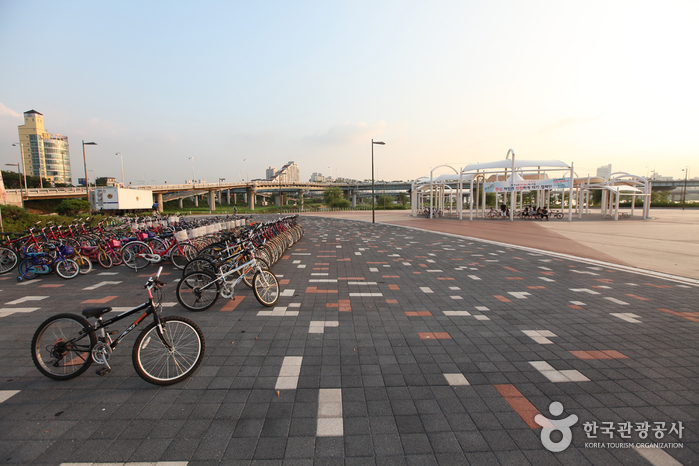
Hangang Citizen's Park, composed of 12 areas including Jamsil, Ttukseom and Jamwon, is an eco-friendly park providing areas for sports and leisure. The park is equipped with various cultural and recreational facilities and also has an ecological park. Gwangnaru Hangang Park formed naturally through rich silt that flowed in from the upper Hangang River that was then filled with reeds, creating an ideal habitat for groups of migratory birds.
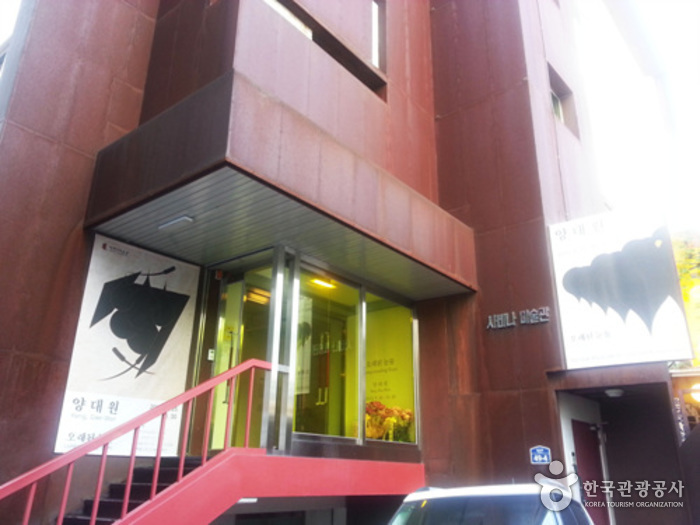
Savina Museum of Contemporary Art (사비나 미술관)
11.9Km 2022-10-20
93 , Jingwan 1-ro, Eunpyeong-gu, Seoul
+82-2-736-4371
The Savina Museum provides visitors with fresh and exciting pieces that reflect the diverse and dynamic aspects of Korean modern art. Museum organizers actively focus on developing the museum’s exhibitions, educational programs, publications, and art collections, continually working to transform the museum into a living, breathing center of arts. The museum not only supports the development of artists from a more traditional list of fields like painting, sculpture, photography and media arts, but also introduces exhibits highlighting new trends in the art world.
 English
 한국어
한국어 日本語
日本語 中文(简体)
 Deutsch
 Français
 Español
 Русский


