
Stenlee (스텐리)
4.2Km 2025-10-23
15th Floor, 1 Jongno (Kyobo Life Building), Jongno-gu, Seoul
Stenlee is a specialized agency that provides comprehensive support to medical patients, corporate groups and business delegations visiting Korea. We design and manage tailored MICE and medical programs (checkups, medical treatment, fam tours, medical trainings, seminars, incentive trips, etc) handling everything from booking to transportation, translation and interpretation. Our strength lies in optimizing schedules, cost and cultural immersion to ensure efficient results and comfortable stay for our clients.
Nanoori Hospital (나누리병원)
4.2Km 2025-10-23
(Nonhyeon-dong), 731 Eonju-ro, Gangnam-gu, Seoul
Nanoori Hospital is a spine-specialized hospital and a member of the Accredited Hospitals for serving Foreign patients. Our international healthcare team consists of Russian, English, and Mongolian-speaking coordinators to ensure that international patients can access consultation and treatment services without language barriers.
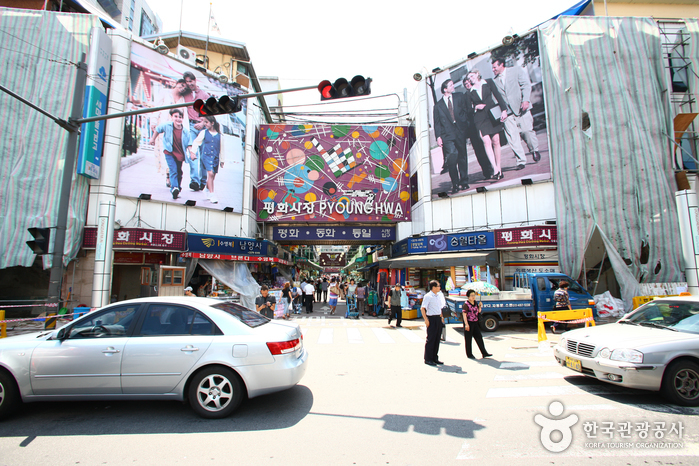
Pyounghwa (Pyeonghwa) Fashion Town (서울 평화시장)
4.3Km 2025-01-06
274, Cheonggyecheon-ro, Jung-gu, Seoul
+82-2-2265-3531~3
The Pyounghwa Fashion Town market in Dongdaemun has been selling fashion clothing and accessories for over 50 years ever since the end of the Korean War. It was here that in 1953 North Korean refugees started selling clothes made from US army uniforms. Their market was then named Pyounghwa, which means peace, in the hope that no other wars would be fought on Korean soil. The Pyounghwa Fashion Town was therefore the beginning of the 30,000 stores that now make up Dongdaemun Fashion Town, which is seen as one of the global centers of the fashion industry.
Spread over a large area, this historical fashion market is divided into several districts, the ‘Gu Pyounghwa Fashion Town’ is the oldest, and there is also the ‘Shin Pyounghwa Fashion Town’, ‘Dong Pyounghwa Fashion Town’, and ‘Cheong Pyounghwa Fashion Town’.
Seorae Village (서래마을)
4.3Km 2022-12-16
Banpo-dong, Seocho-gu, Seoul
+82-2-2155-6220
Seorae Village is located in between Banpo 4-dong and Bangbaebon-dong in Seocho-gu, Seoul. Seorae Village took its form as a French neighborhood when French residents moved to the area after Ecole Francaise de Seoul, a school for French residents in Korea, was established here in 1985. According to 2008 census, about half of the total 1,000 French citizens residing in Korea were registered to be living in Seorae Village. The area naturally took shape as a global neighborhood as many international residents settled at Seorae Village much thanks to the strong presence of French residents. In addition to its convenient location near the central district area as well as Gangnam area and Hangang River Park, Seorae Village serves as a pleasant environment space for all.
Many shops and restaurants in Seorae Village are small in size and rather charming, resembling those in Europe. A bakery that makes traditional French baguettes using ingredients directly imported from France can be found here. In recent years, Seorae Village has undergone several changes, gaining much attention as one of the most modern and fanciest regions found in Seoul.
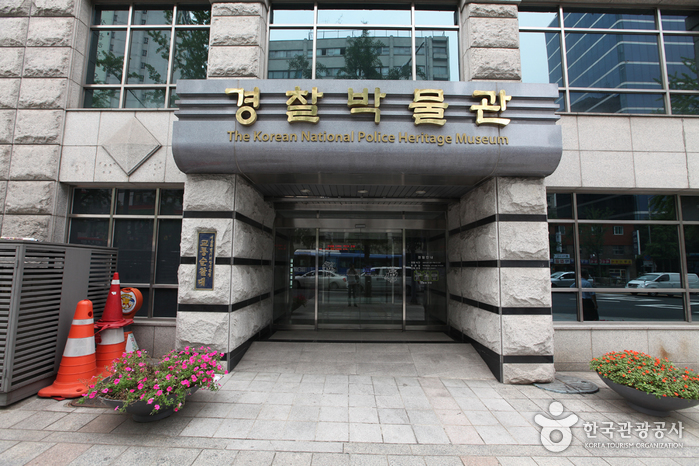
Korean National Police Heritage Museum (경찰박물관)
4.3Km 2021-12-21
41, Saemunan-ro, Jongno-gu, Seoul
+82-2-3150-3681
The police museum opened on October 14, 2005 to give a better understanding of the job of the police and to offer a formal education to children who wish to become police officers in the future. The history hall of the museum is designed for visitors to learn about the history of Korean police at a glance, exhibiting information on the police force from the Joseon dynasty up until current times.
Visitors to the museum can pretend to be police officers by touching actual equipment and learning about an officer's daily tasks. Visitors can also get in patrol cars, wear a police uniform, experience shooting a gun through a simulation, and learn self-defense martial arts and arrest techniques. Visitors can also go to the museum jail.
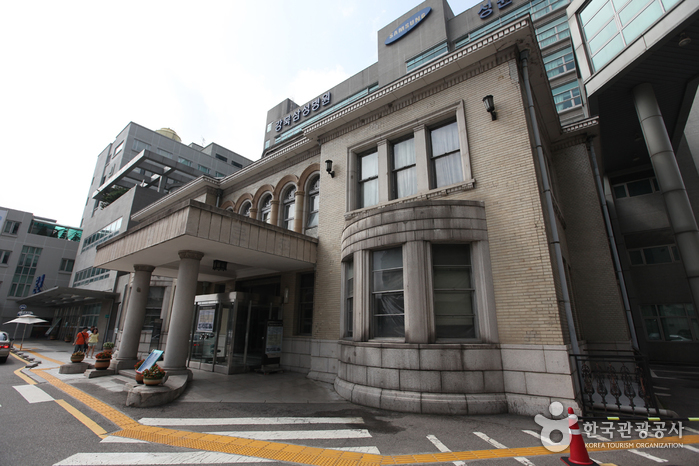
Seoul Gyeonggyojang House (서울 경교장)
4.3Km 2021-09-15
29, Saemunan-ro, Jongno-gu, Seoul
+82-2-735-2038
Gyeonggyojang House, a designated Historic Site, was the location of the provisional government and the place where Baekbeom Kim Koo passed away. Seoul reproduced the historical site, Gyeonggyojang House, to use the area as an educational site. Also, the house exhibits the history of the provisional government in order to see the history more clearly.
Restoration work included the demolition of the interior that was changed when the building was turned into a hospital facility and embassy after Kim Koo passed away in 1949. During the work, the remaining parts were maintained with the utmost care. Reconstructed parts were based on the building's floor plan written in Chosun and Architecture (8th edition in 1938). Visitors can see various contents related to the Korean Provisional Government history through relics, video, and information searching corners.
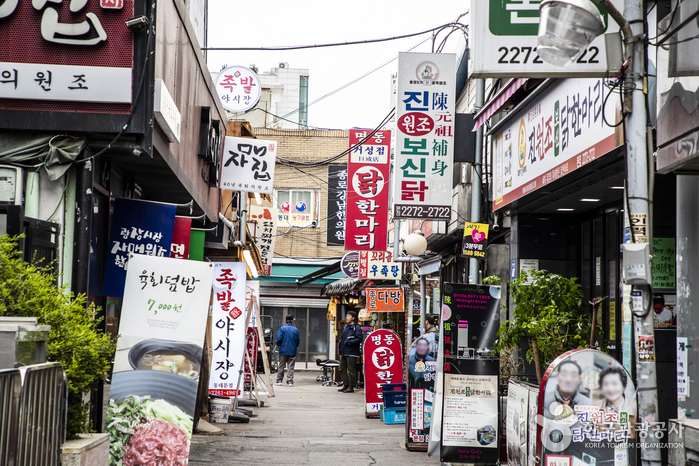
Dongdaemun Dak Hanmari Alley (서울 동대문 닭한마리 골목)
4.3Km 2024-03-04
37-7, Jongno 5(o)-ga, Jongno-gu, Seoul
+82-2-2236-9135
Located near the Dongdaemun Market, Dongdaemun Dak Hanmari Alley gets its name from the restaurants serving dak hanmari (whole chicken soup) that line the alley. Dak hanmari (whole chicken soup), literally “one whole chicken” in Korean, is a dish where a whole chicken is boiled in a soup and served with the alley’s special sauce. After the diners eat the meat, the broth is used to make kalguksu (noodle soup). Because the area is home to large-scale apparel and fashion material markets of the Dongdaemun Market, the district is always lively and bustling.
Insadong Cultural Street (인사동 문화의 거리)
4.3Km 2023-12-26
Insa-dong, Jongno-gu, Seoul Metropolitan City
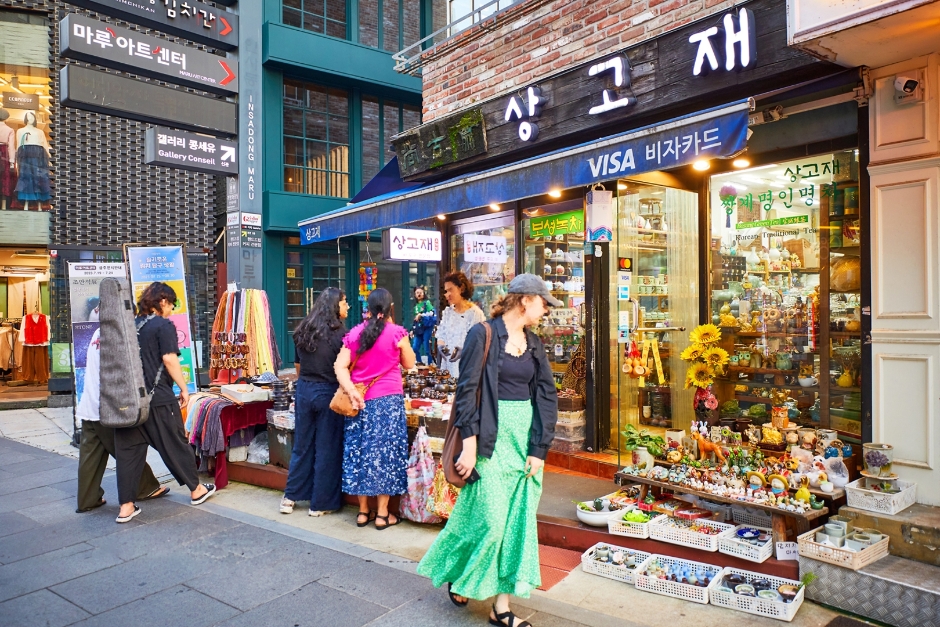
Insadong Cultural Street is a popular tourist destination for visitors from all around the world, thanks to its numerous art galleries, restaurants serving Korean table d’hote, traditional teahouses, and street vendors lining the streets. Its most recognizable feature is the use of Hangeul (Korean script) in storefronts, which allows the visitors to really see just what makes this place so special. Unlike the nearby Ikseon-dong Hanok Street, Insadong Cultural Street has larger streets with wider stores, so it is much easier to traverse. On evenings and weekends, one can find buskers performing on the side of the road.
Doosan Art Center (두산아트센터)
4.3Km 2021-11-01
15, Jong-ro 33-gil, Jongno-gu, Seoul
+82-2-708-5001
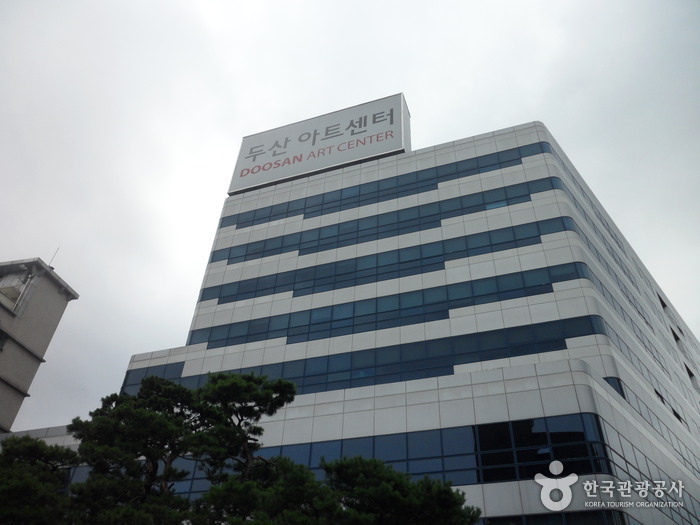
Doosan Art Center, which opened on October 1, 2007, is structured around three different spaces: The Yonkang Hall, exclusively designed for musical performances, Space 111, a “space for art incubation,” and the Doosan Gallery, built for installations.
The Yongang Hall, a theater with 620-person seating capacity, has specially designed lightings and a world-class audio-visual system to provide a second-to-none sensory experience.
Space 111 can accommodate a broad range of performing arts, from theater and dance to film and music concerts. The Doosan Gallery is open to the public, and art exhibitions and performances here can be enjoyed free of charge.
All three theaters include spacious lobbies with handicapped access, designated seating for parents with infants, and meeting areas. Rest rooms are also available nearby, in order to avoid long queues and long walks during intermission.
 English
 한국어
한국어 日本語
日本語 中文(简体)
 Deutsch
 Français
 Español
 Русский


