
Samgaksan Mountain (삼각산)
8.5Km 2024-03-20
Samyang-ro 173-gil, Gangbuk-gu, Seoul
Samgaksan Mountain is a mountain situated on the northern outskirts of Seoul, resembling a folding screen. Its name, meaning triangular mountain, is derived from the presence of three high peaks: Baegundae Peak, Insubong Peak, and Mangyeongdae Overlook. The highest peak, Baegundae Peak, offers a panoramic view of Seoul from its summit, featuring a spacious rock surface where many visitors can sit. Positioned behind Gyeongbokgung Palace, the palace of the Joseon dynasty, Samgaksan Mountain is visible from the rear of the Cheong Wa Dae.
Rebom Hospital (리봄한방병원)
8.5Km 2025-10-23
(2nd-4th Floors), 7 Hakdong-ro 50-gil, Gangnam-gu, Seoul
Rebom Hospital is a spine and joint hospital characterized by collaboration between western and Korean medicine. We provide treatment for spine and joint pain focusing on chiropractic and spinal joint care, along with precise examination through equipment such as X-rays and the exBody 3D body shape measurement system. Our main practice areas include neck and back discs, car accident aftereffects, herbal medicine for diet control, and x_height growth stimulation. We specialize in prescribing premium clean herbal medicines as well as body shape correction for conditions such as pelvic deformity, text neck and curved back, scoliosis, temporomandibular disorders (TMD).
Our international support team is available in multiple languages, including English, French, Chinese, Arabic, and more, so that international patients feel comfortable to visit us.
Korea Medical Institute KMI Yeouido Clinic ((재)한국의학연구소 케이엠아이여의도의원)
8.5Km 2025-10-23
13F-15F & 17F-18F, 24 Gukjegeumyung-ro 2-gil, Yeongdeungpo-gu, Seoul
Korea Medical Institute (KMI), a leader in 'K-health checkups,' operates health checkup centers across eight locations nationwide, from Seoul to Jeju. KMI has been striving to prevent and detect diseases early. It has led the popularization of comprehensive medical examinations in Korea. Based on 39 years of accumulated data and expertise, KMI has enhanced its capabilities in health checkups, services, and brand value.
By utilizing its diagnostic data accumulated over the years, KMI provides accurate test results and follow-up care promptly.
KMI will stay committed to becoming a lifetime health management partner and 'K-health checkup' leader by leveraging its excellence in Korean medicine, beyond health checkups for foreign patients.
Central City (센트럴시티)
8.5Km 2025-03-28
176, Sinbanpo-ro, Seocho-gu, Seoul
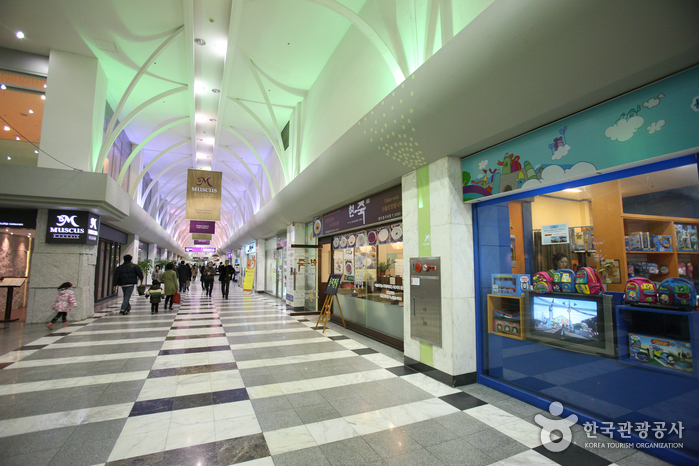
Connected to the Express Bus Terminal Station, Central City is a large lifestyle cultural complex. With in the City are a department store, movie theater, bus terminal, hotel, and shopping malls. Especially, Familie Station & Garden is home to beauty salons, restaurants and coffe shops that are famous and unique. One can also explore attractions such as the Express Bus Terminal Underground Shopping Mall and Banpo Wholesale Flower Market, enriching the experience of the area.
Dooly Museum (둘리뮤지엄)
8.6Km 2025-03-31
6 Sirubong-ro 1-gil, Dobong-gu, Seoul
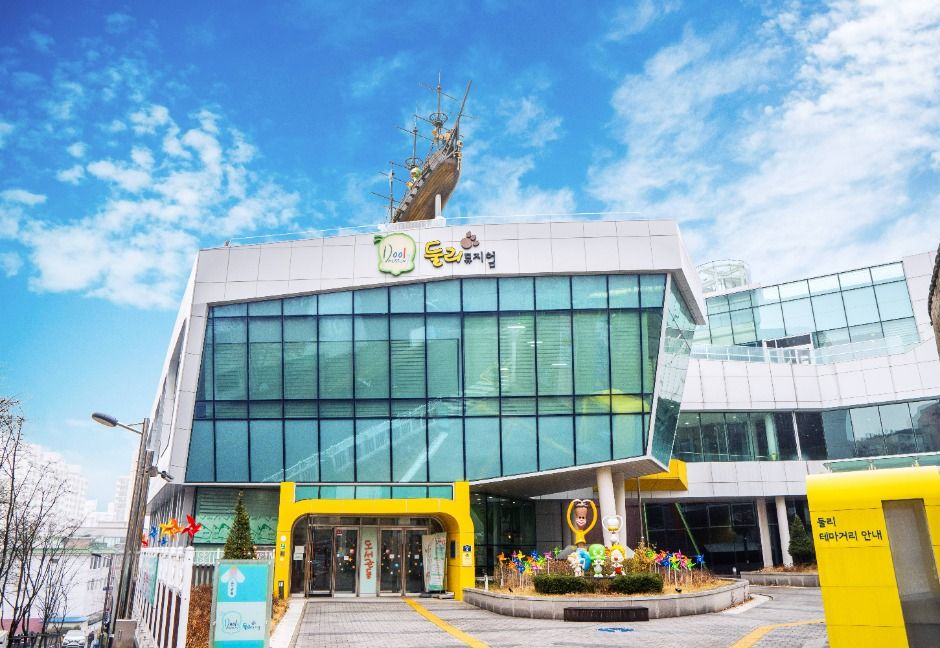
Dooly Museum is Korea's first museum to be dedicated to a single character. The museum is dedicated to Dooly, the main character from the Korean cartoon series "Dooly the Little Dinosaur." The cartoon was published as a series on a comic magazine called "Bomulseom" from 1983 to 1993, following Dooly's adventure that begins from his arrival to Ssangmun-dong inside a glacier from the Ice Age. Inspired by the series, this interactive museum was founded in Ssangmun-dong and explores the value and meaning of the hit series through the expansion of its works such as the animation series, character merch, and other media sources.
Seonungak (한옥카페 선운각)
8.6Km 2025-10-29
223 Samyang-ro 173-gil, Gangbuk-gu, Seoul
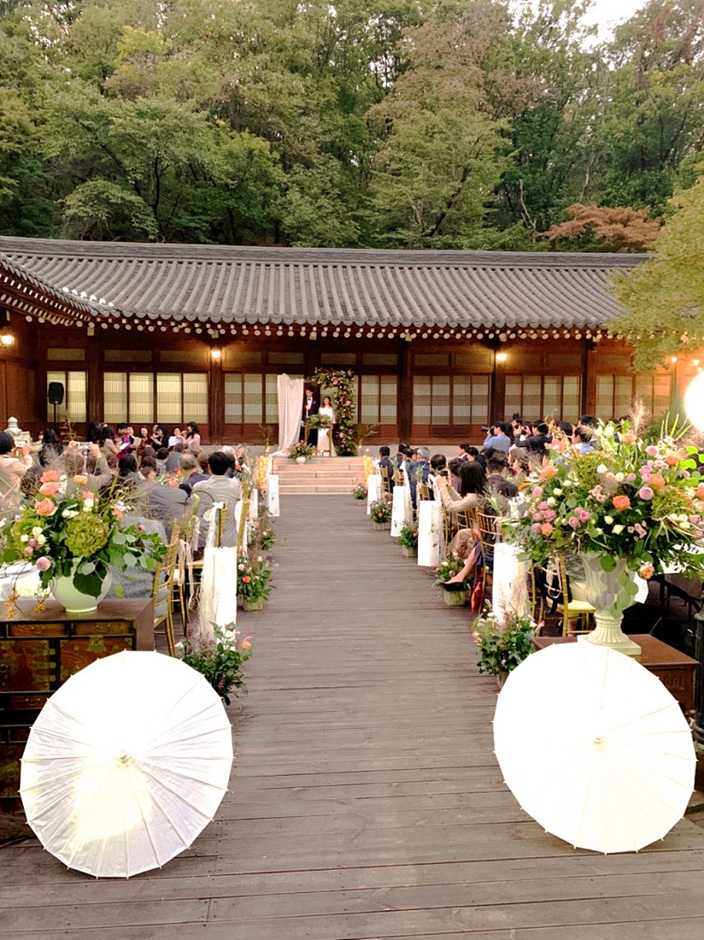
Seonungak is a hanok cafe facing Doseonsa Temple at the foot of Bukhansan Mountain, the perfect location to take in the beauty of the changing seasons. The cafe is also the largest hanok building outside of the royal palaces in Seoul. Previously limited to weddings and filming events, the hanok has reopened as a cafe, selling a range of traditional Korean drinks.
Chung-Ang Uiversity Hospital (중앙대학교병원)
8.6Km 2025-10-23
102 Heukseok-ro, Dongjak-gu, Seoul
Since its foundation in 1968, Chung-Ang University Hospital has been striving to contribute to the health and happiness of humanity by achieving the best in medical treatment, research, and education based on our core values of "professionalism, fairness, change/innovation, communication/harmony, and empathy/care.”
As a leader in severe disease treatment, we work with highly qualified medical staff and specialized professionals, receiving the top rating in all cancer procedures evaluated (colon, stomach, breast, and lung) by the Ministry of Health and Welfare and the Health Insurance Review and Assessment Service, and the top rating in the care appropriateness evaluation for acute stroke, coronary artery bypass, intensive care unit (adults and newborns), and hemodialysis.
In a “rating from visitor reviews” conducted by a major domestic portal site, we ranked first out of 13 major tertiary hospitals in Seoul, maintaining our reputation as the friendliest hospital in Korea trusted by patients.
HERSHE Plastic Surgery (허쉬성형외과의원)
8.6Km 2025-10-23
2nd-4th Floors, 730 Samseong-ro, Cheongdam-dong, Gangnam-gu, Seoul
HERSHE Plastic Surgery is a plastic surgery hospital specialized in anti-aging surgery, that has skilled and dedicated medical professionals in each field of anti-aging surgery. Our medical team consists of experienced and certified plastic surgeons who strive for stable and natural results. Located in Cheongdam-dong, the heart of beauty, fashion, and entertainment industries in Gangnam, we have been visited by customers from 51 countries, making us a recipient of the Korean Health Industry Award five times and the Minister of Health and Welfare Award. We also have received the Foreign Patient Service Provider in Gangnam Award twice and received the Contribution Award in the Medical Tourism Industry.
Imperial Palace Hotel (임피리얼 팰리스 호텔)
8.6Km 2025-08-22
640 Eonju-ro, Gangnam-gu, Seoul
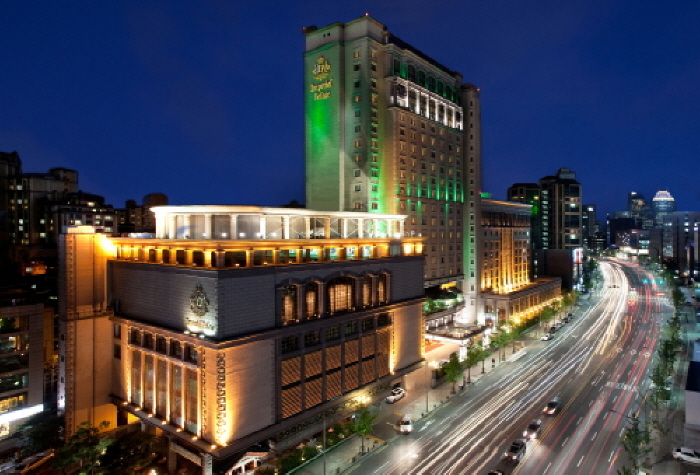
Imperial Palace Hotel first opened on September 18, 1989, starting as a deluxe hotel and becoming a superior deluxe hotel after 10 years in June 1999. The hotel has remained the pride of the Korean hotel industry thanks to its effective management and improving domestic capital. In 2005, it carried out a large-scale remodeling project to enlarge its size to resemble luxurious European hotels, including a large-sized lobby, convention center that can accommodate over 1,000 visitors, classical wedding hall, and 405 guestrooms. The hotel is part of a chain, along with Imperial Palace Boutique Hotel in Itaewon and Imperial Palace Hotel – Fukuoka in Japan.
Konkuk University Medical Center (건국대학교병원)
8.6Km 2025-10-23
120-1 Neungdong-ro, Gwangjin-gu, Seoul
Founded in 1931, Konkuk University Medical Center utilizes the latest medical technologies and advanced equipment to provide the highest level of healthcare services. We have state-of-the-art medical devices and equipment including the latest robotic surgery systems and a complete medical computerization system, 842 beds, 9 focus centers,14 specialized treatment centers, and a healthcare center for accurate early diagnosis.
Under the safe treatment system, our best medical staff and employees who communicate and empathize with patients do our best to create a patient-centered hospital that both patients and their families can trust the most.
 English
 한국어
한국어 日本語
日本語 中文(简体)
 Deutsch
 Français
 Español
 Русский


