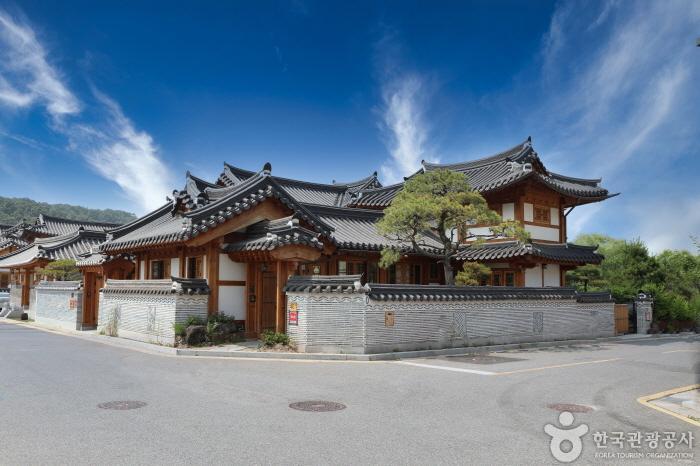
Eungjung Hanok (응정헌)
7.9Km 2024-12-13
19 , Yeonseo-ro 50-gil, Eunpyeong-gu, Seoul
Eungjeongheon is a private hanok accomodation located in Eunpyeong Hanok Village in Seoul, where the calm ambience and sensuous interior of the hanok create a harmonious balance. Upon entering the building, you will find a dining room where breakfast is served and a daecheong maru (wooden-floored hall). On the second floor, you will find a numaru (balcony-like raised veranda), a bedroom, and a terrace from which you can enjoy a panoramic view of Bukhansan Mountain and Hanok Village. A hearty breakfast is provided, as well as a variety of activities, including outdoor picnics in the backyard, illustrated gifts, yoga and meditation sessions, and foot baths. Bukhansan Dulle-gil Course 9 and Jingwansa Temple are within a 10-minute walk.
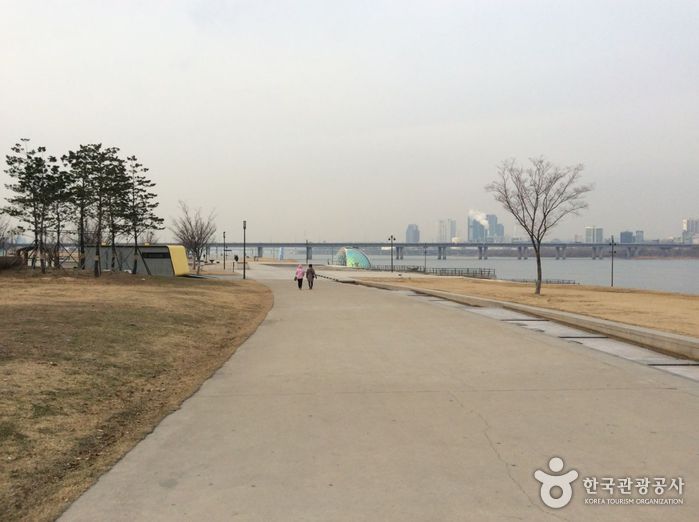
Seoul Color Park (서울색공원)
7.9Km 2021-06-23
330, Yeouidong-ro, Yeongdeungpo-gu, Seoul
The Seoul Color Park spans over 9,000 ㎡ of land next to the Hangang River under Mapodaegyo Bridge. It features a large wave-shaped sculpture, as well as bar code graphics and benches painted with 10 different colors that have been designed as the Colors of Seoul. The streetscape is designed with images and Colors of Seoul that includes “Dancheong” red, “Kkotdam” red brown, “Namsan” green and more. Sculptures and art works using the Colors of Seoul can also be seen at Seoul Museum of Art and Seoul History Museum.

Onul Plastic Surgery Clinic (오늘성형외과의원)
7.9Km 2025-10-23
(10th-11th Floors, Geukdong Building), 596 Gangnam-daero, Seocho-gu, Seoul
ONUL Plastic Surgery Clinic is dedicated to prioritizing customer satisfaction with a steadfast commitment to our motto of "healthy beauty". We uphold the essential principles of plastic surgery, ensuring that every procedure adheres to the highest standards. Specializing in contouring, lifting, anti-aging, and reconstructive plastic surgery, our team of expert medical professionals provides personalized and responsible care, with the attending physician overseeing the entire process from consultation through post-surgical care. As a pioneer in the cosmetic surgery industry, we have implemented a surgical liability guarantee system since 2014. This system reflects our confidence, advanced technology, and customer-focused philosophy, ensuring we take full responsibility for our patients' outcomes. At ONUL Plastic Surgery Clinic, your well-being and satisfaction are our top priorities.
Mangwon Market (망원시장)
7.9Km 2025-07-11
27 Poeun-ro 6-gil, Mapo-gu, Seoul
Mangwon Market is one of the representative traditional markets of Seoul. Its proximity to both Mangnidan Street and Hangang Park makes it a great place to do some shopping in preparation for a riverside picnic. The market isn’t very large, but it is packed with delicious treats. One can find classics like the deep-fried and braised chicken, braised pigs' feet, crispy deep-fried green chili pepper, and other snack fare there, along with stores offering food and lifestyle items for some browsing.
Soonplus Plastic Surgery · Dermatology (순플러스성형외과의원)
7.9Km 2026-01-02
(12th-13th Floors, Mulberry Hills Medical Building), 589 Gangnam-daero, Seocho-gu, Seoul
At Soonplus Plastic Surgery · Dermatology, we are dedicated to enhancing the unique beauty of each individual through meticulous diagnoses and ongoing research.
For 25 years, we have quietly pursued the path of true beauty, and now, we are reaffirming our commitment to the principles that have guided us since the beginning.
Our focus is on natural beauty, helping you discover and embrace your own distinctive charm—one that is authentic and not influenced by fleeting trends.
This unwavering dedication to preserving individuality has been our hallmark for over two decades.
At Soonplus Plastic Surgery · Dermatology, we are committed to continuing this journey with you, bringing out the pure beauty that is uniquely yours.
DERAaN Cheongdam Clinic (더안청담의원)
7.9Km 2025-10-23
2nd Floor, Cheongdam First Tower, 406 Dosan-daero, Gangnam-gu, Seoul
DERAaN Cheongdam Clinic is a dermatology and aesthetic medical institution located in Cheongdam-dong, Gangnam-gu, Seoul. It develops treatment plans tailored to each patient’s skin condition and goals through personalized consultations, with three highly experienced female directors providing care directly. The clinic emphasizes anti-aging and design balance, delivering systematic management and professional services throughout the entire treatment process.
Leaders Dermatology Clinic CheongdamLuxuryStreet (리더스피부과의원 청담명품거리점)
7.9Km 2025-10-23
3rd Floor, Diana Building, 445 Apgujeong-ro (Cheongdam-dong), Gangnam-gu, Seoul
Founded in 2001 by board-certified dermatologists from Seoul National University College of Medicine, Leaders Dermatology has grown into a trusted network of over 12 clinics across Korea and internationally, with a team of more than 20 dermatologists and 150 medical professionals.
Our doctors are actively involved in global academic circles delivering lectures at renowned conferences and seminars and are dedicated to raising the bar for dermatological care. With a systematic, patient-centered approach, our mission is to become the No.1 dermatology clinic in customer satisfaction through excellence in service and results.
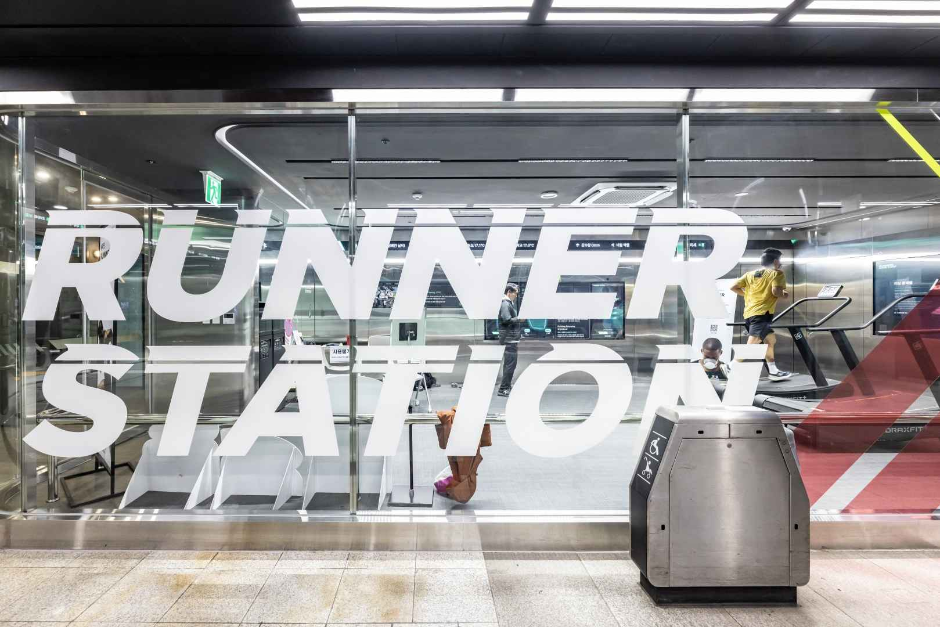
Runner Station at Yeouinaru Station (여의나루역 러너스테이션)
7.9Km 2025-11-06
343 Yeouidong-ro, Yeongdeungpo-gu, Seoul
With Seoul’s skyscrapers and the scenic Hangang River, Yeouido has become the top destination for Korean runners. In response to the growing popularity of running along the Hangang among the MZ generation, Yeouinaru Station introduced Runner Station, equipped with essentials like lockers and media boards displaying popular running routes. Wrap up your day with a refreshing run in Yeouido.
CMC Confidence (씨엠씨 컨피던스)
7.9Km 2025-10-23
#207, Ra-dong, 14 Eonju-ro 148-gil, Gangnam-gu, Seoul
CMC Confidence combines medicine and tours to offer optimized services. It provides special tour services beyond simple medical services. Instead of simply attracting patients, CMC Confidence provides topping tours where patients can experience treatments while traveling with family and friends. The patient's next medical visit becomes an opportunity for joyful travels, rather than treatments. CMC Confidence offers customers new experiences through specialized services in the Gangnam area of Seoul.
S-plant Dental Hospital (에스플란트치과병원)
7.9Km 2025-10-23
(5th-9th Floors, Unit Building, Cheongdam-dong), 410 Dosan-daero, Gangnam-gu, Seoul
S-PLANT Dental Hospital is staffed by six doctoral graduates from Seoul National University School of Dentistry, each bringing their expertise to provide patients with an optimal treatment system.
Since 2008, S-PLANT Dental Hospital has been researching digital dental technologies and showcasing outstanding dental skills. By utilizing advanced digital equipment such as 3D CT and 3D scanners, we ensure accurate diagnoses, procedures, and reliable treatment results, establishing ourselves as a future-oriented digital dental hospital. Our experienced specialists in implants and prosthetics offer personalized treatments including full-mouth implants, one-day implants, immediate-loading implants, one-day prosthetics, and sedation dentistry, enhancing satisfaction for international patients.
At S-PLANT Dental Hospital, honest communication with our patients is our top priority. We are committed to providing honest and genuine care to achieve the highest level of satisfaction. Welcome to our dental hospital, where patients from around the world visit us to experience exceptional care in Korea.
 English
 한국어
한국어 日本語
日本語 中文(简体)
 Deutsch
 Français
 Español
 Русский


