
Ebookers Korea Inc. ((주)이부커스코리아)
2.4Km 2025-10-23
(2nd Floor), 212 Jangchungdan-ro, Jung-gu, Seoul
We strive for a special kind of tourism that combines wellness tourism (healing) and medical tourism (treatment).
We are a Korean wellness and medical tourism company leading the country’s safe and healthy travel culture.
* Products and Services
Wellness medical tourism programs that uniquely combine wellness and medical tourism
Referral and reservation service for selected wellness destinations and Korean hospitals with excellent medical technology
Guidance services provided at local partner companies
Content creation and reservation based on our personalized service system
Convenient tourism programs catering to each patient's health conditions
Medical tourism visa application and referral services on C33VISA site
* A medical tourism product brand
Medi Well Come products: Health checkup / general practice (minor / major / female / preventive / eye problems)
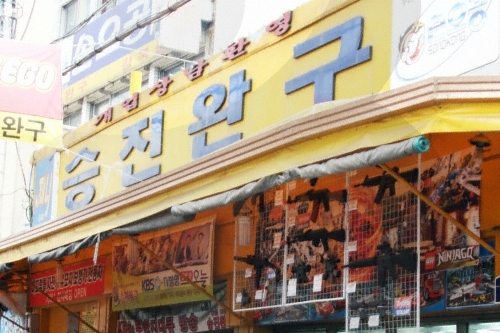
Seungjin Toy (승진완구)
2.5Km 2025-01-06
30, Jong-ro 52-gil, Jongno-gu, Seoul
Seungjin Toy is a toy store that carries almost every kind of toy imaginable from stuffed animals to character dolls and much more. What makes this store even more attractive to many customers is that their merchandise is, on average, 30% cheaper than that of their competitors.
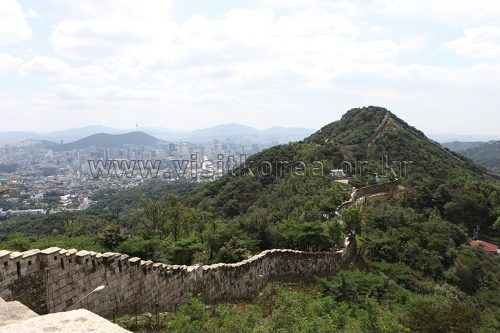
Bugaksan Mountain (북악산)
2.5Km 2024-03-04
Cheongun-dong, Jongno-gu, Seoul
Bugaksan Mountain is the mountain that one can see behind the Gyeongbokgung Palace and the Cheong Wa Dae to the north. Hanyangdoseong, the city wall that surrounded the historic capital of Hanyang, was built by connecting the ridges of this mountain. These walls can still be found today, having been preserved quite well. Different trails weave through the area along the Hanyangdoseong, the Seoul City Wall, and one can visit these trails at night as well. Bugak Skyway is a road that connects Changuimun Gate to Jeongneung Royal Tomb, and one can get a great view of Seoul’s city center from the Palgakjeong Pavilion on Bugak Skyway.
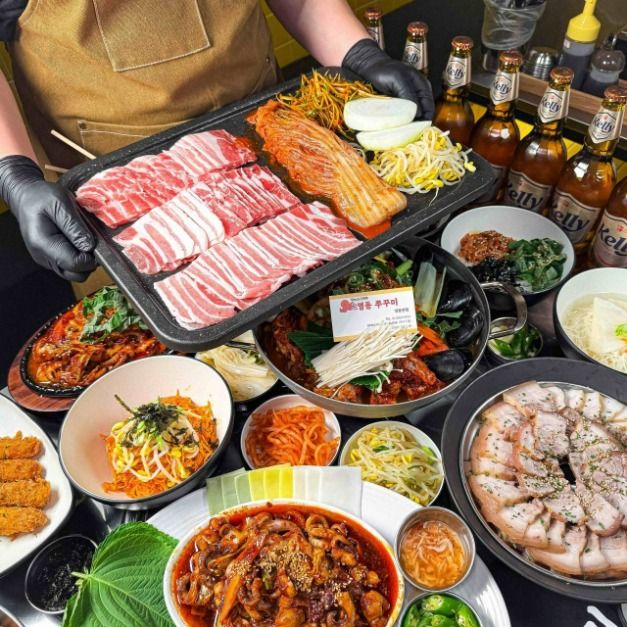
Myeongdong Jjukkumi (명동쭈꾸미)
2.5Km 2025-07-23
3-28 Toegye-ro 6-gil, Jung-gu, Seoul
Myeondong Jjukkumi is a jjukkumi (ocellerated octopus) restaurant located in Jung-gu, Seoul. It only takes about a 1-minute walk from Hoehyeon Station (Seoul Subway Line 4), Exit 2, a convenient location for both tourists and people who work in the area. Main menu items consist of jjukkumi and samgyeopsal (grilled pork belly), pork galbi (rib meat), bossam (cabbage wraps with pork), among other set menus. All dishes are cooked in the kitchen, and are known for their spicy kick and savory taste. The restaurant can accommodate group guests as it has a spacious hall as well as outdoor tables. Customers dining at the restaurant can help themselves to more side dishes at the self-service side dish bar and enjoy a hearty meal at a reasonable price.
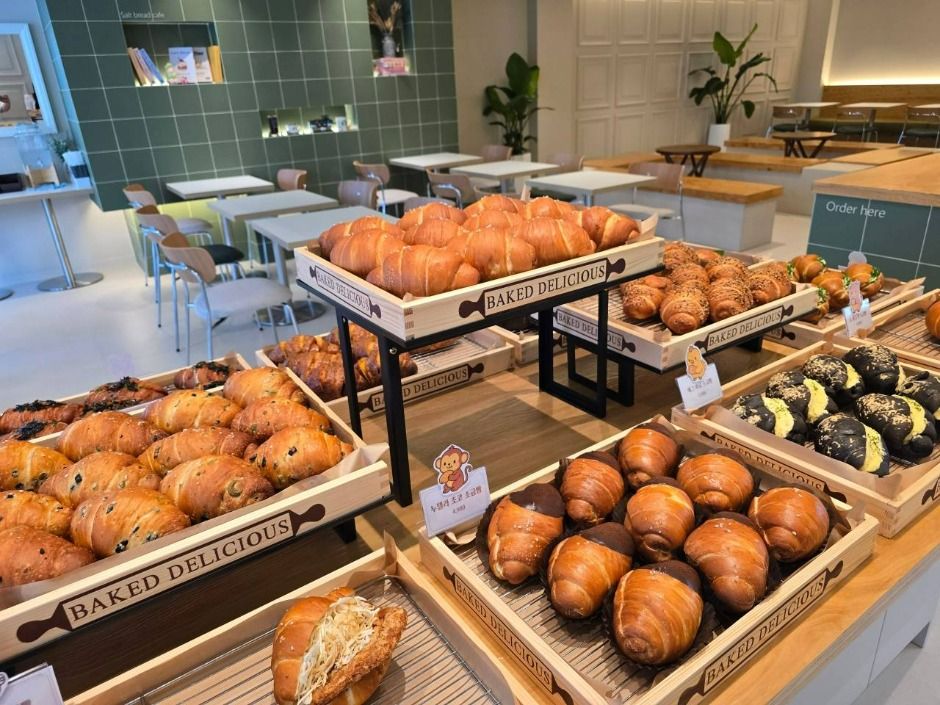
Bokidang (복이당)
2.5Km 2025-09-15
3-28 Toegye-ro 6-gil, Jung-gu, Seoul
Bokidang is a handmade salt buns specialty bakery cafe located in Jung-gu, Seoul. It is conveniently located just a 30-second walk from Exit 2 of Hoehyeon Station, situated in an area with high foot traffic from office workers and tourists. Bokidang presents handmade salt bread and beverages made with carefully selected fresh ingredients, with the hope that "everyone who eats will be blessed." The signature menu features a lineup of salt breads inspired by the 12 zodiac animal characters, each embodying health, wishes, and small happiness in a single bite. The store has a clean and warm atmosphere with an indoor seating area and outdoor seating, accommodating group guests and offering takeout for added convenience.
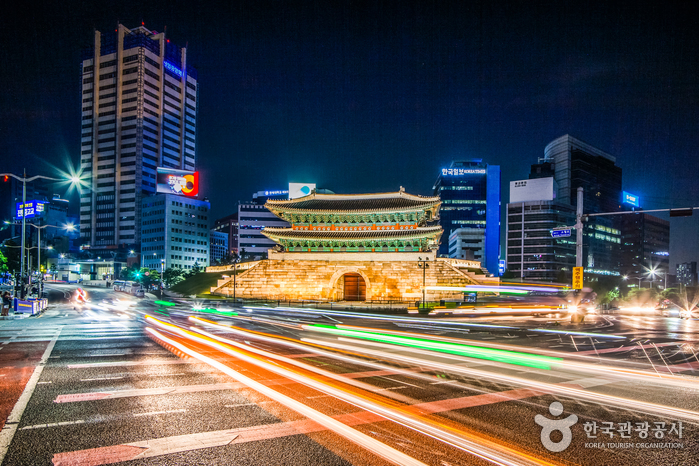
Sungnyemun Gate (숭례문)
2.5Km 2024-11-27
40 Sejong-daero, Jung-gu, Seoul
Sungnyemun Gate is Korea’s National Treasure No. 1, and its unofficial name is Namdaemun Gate. Sungnyemun Gate is the largest castle gate stone structure with an arched entrance in the middle. There’s a column on top of a platform, raising the roof, distinguishing the upper stories and lower stories of the building. Passageways for traffic are located at the east and west ends of the gate. Different from the other gates, Sungnyemun Gate’s tablet has its name written vertically.
On February 10, 2008, Sungnyemun was destroyed by fire. After a 5-year reconstruction work, the gate was re-opened to the public again on May 4, 2013.
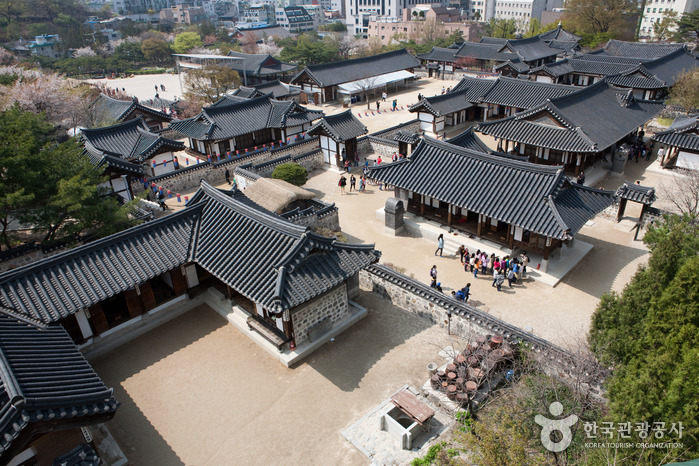
Myeong-dong, Namdaemun, Bukchang-dong, Da-dong and Mugyo-dong Special Tourist Zone (명동 남대문 북창동 다동무교동 관광특구)
2.5Km 2021-12-30
40, Sejong-daero, Jung-gu, Seoul
Myeong-dong, Namdaemun, Bukchang-dong and Da-dong are widely known among international visitors as hot spots for shopping and food.
Myeong-dong is a popular destination for shopping, culture, arts and fashion. Major shopping malls such as Lotte Department Store, Shinsegae Department Store, Myeong-dong Migliore and Samik Fashion Town are located here. Shoppers can find a variety of products here from high-end items to relatively inexpensive clothes. There’s also no shortage of street food, traditional restaurants, coffee shops and fancy cafes.
Namdaemun Market is the biggest traditional market in Korea. Visitors can purchase souvenirs and local produce at an affordable price in the shopping complex crowded with stores and street stalls. The market sells a variety of clothes, kitchenware, toys, accessories, food, flowers and imported goods.
Bukchang-dong and Sogong-dong have high-end accommodations including Lotte Hotel Seoul and Westin Chosun Seoul, duty-free shops, and restaurants serving traditional dishes.
[Myeong-dong, Namdaemun Market and Bukchang-dong Special Tourist Zone]
Areas included: Myeong-dong, Bukchang-dong, Mugyo-dong and Da-dong, Seoul
Area size: 872,809 ㎡
Tourist attractions: Myeong-dong, Namdaemun Market and Bukchang-dong, Department Stores (Lotte Department and Shinsegae Department Store, etc.), Traditional Market, Duty-free Shop, Hanok Village, N Seoul Tower, etc.
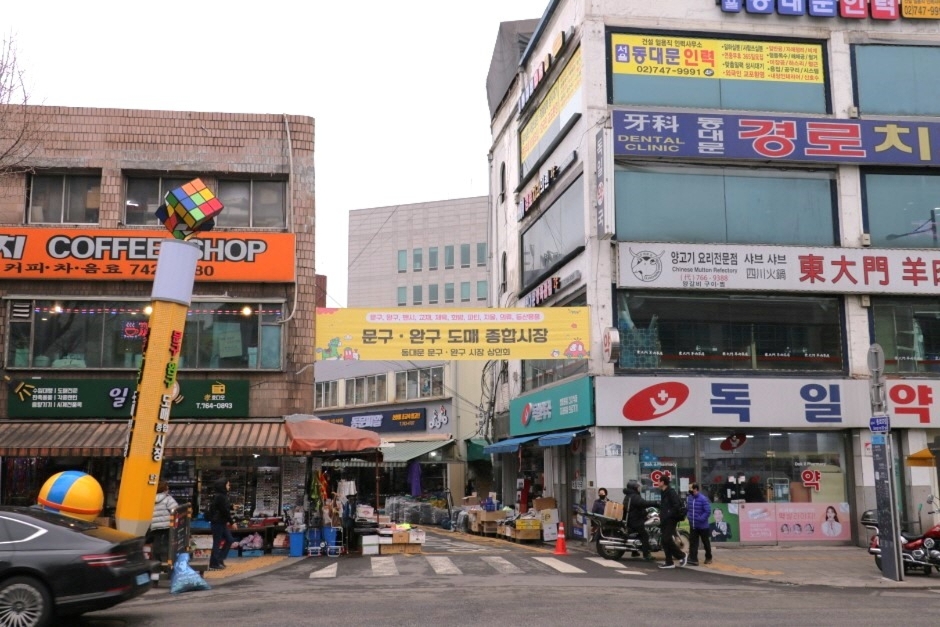
Dongdaemun Stationery Store Street (동대문 문구완구거리)
2.5Km 2024-03-15
21-1, Jong-ro 52-gil, Jongno-gu, Seoul
Dongdaemun Stationery Store Street houses nearly 120 stores selling stationery products like notebooks, crayons, pencils, backpacks, as well as other products like children’s gifts, decorations, and party products. Products can be found at prices nearly 30 to 40% lower than the consumer products, which can be lowered even further when buying in bulk. Products past the season may see the prices drop by more than half.
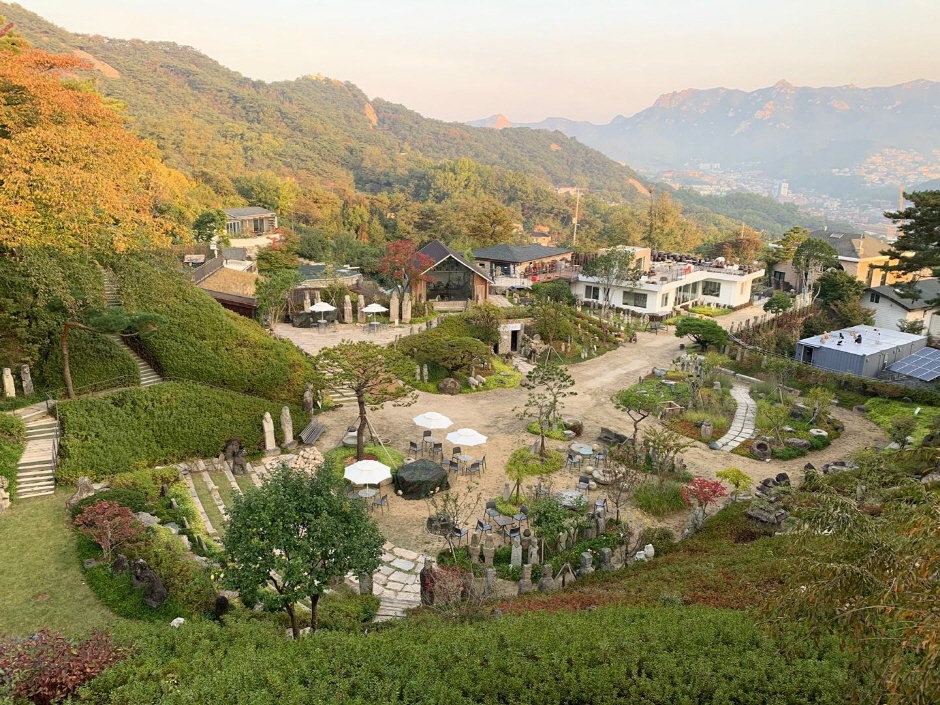
Mok In Museum Mok Seok Won (목인박물관 목석원)
2.5Km 2021-09-01
46-1, Changuimun-ro 5-gil, Jongno-gu, Seoul
Mok In Museum Mok Seok Won relocated in 2019 from Insa-dong to Buam-dong. Six exhibition halls offer visitors a look at wooden figures from around the world. Mokin refers to traditional wooden sculptures carved in shapes of human figures or various animals. The museum holds around 12,000 wooden folk sculptures including those used to decorate funeral carriages and temples mostly from the Joseon dynasty up to modern times. The museum also has an outdoor exhibition hall that harmonizes the sculptures with nature.
K-medi Spring (한강애봄)
2.5Km 2025-12-09
6th Floor, 63 Dongsomun-ro, Seongbuk-gu, Seoul
HanGang AeBom is a certified agency specializing in attracting international patients, offering customized programs that combine Korea’s advanced medical services with tourism. The agency collaborates with medical institutions to arrange consultations, interpretation, accommodation, and travel itineraries.
 English
 한국어
한국어 日本語
日本語 中文(简体)
 Deutsch
 Français
 Español
 Русский


