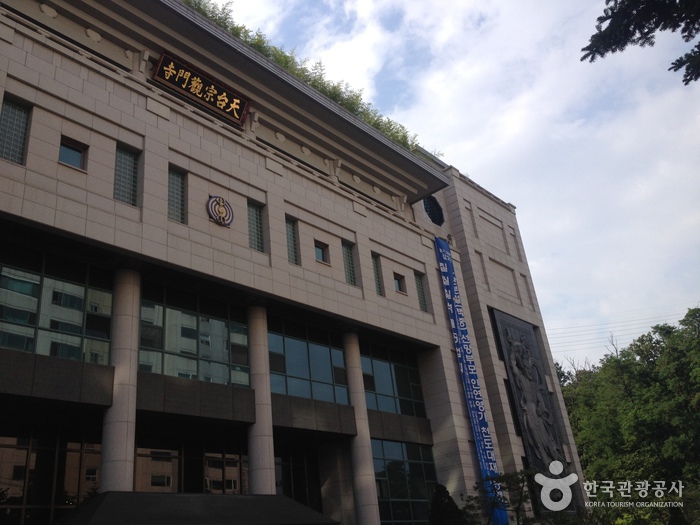
Seoul Gwanmunsa Temple (관문사(서울))
9.1Km 2021-06-01
111, Baumoe-ro 7-gil, Seocho-gu, Seoul
+82-2-3460-5300
Located at the foot of Umyeonsan Mountain in Seocho-gu, Seoul, Gwanmunsa Temple had its ground-breaking ceremony in 1993 and construction was completed in October 1998.
The temple site has a total area of 22,148.76 ㎡ with seven ground levels and four basement levels. The temple was constructed with a mixture of modern and traditional Buddhist architectural designs. Inside the temple, cutting-edge facilities are used for various cultural events, conferences, and sacred ceremonies.
Neighbored by Cheonggyesan Mountain, Umyeonsan Mountain, and Yangjaecheon Stream, the temple is located near many natural spots visitors can enjoy. In particular, Umyeonsan Mountain (alt. 293 m), where Gwanmunsa Temple is located, gets its name for its shape resembling a cow lying down. Designated as a city park and managed by Seoul Metropolitan Government, Umyeonsan Mountain has several valleys with clear spring waters and a dense forest inhabited by diverse animals and plants.

Sangam-dong MBC New Headquarters Media Center (상암동MBC신사옥미디어센터)
9.1Km 2025-11-05
255 Seongam-ro, Mapo-gu, Seoul

Ewha Womans University Mokdong Hospital (이화의대부속목동병원)
9.1Km 2025-10-23
1071 Anyangcheon-ro, Yangcheon-gu, Seoul
Ewha Womans University Mokdong Hospital, established in 1993, continues the legacy of Pogoonyogoan (1887), Korea’s first women’s hospital. As a 5th-stage tertiary hospital, it delivers advanced care through specialized centers, treating high-complexity diseases such as cancer, cardiovascular and cerebrovascular disorders, and organ transplantation, as well as chronic conditions like hypertension, diabetes, and joint diseases. With the opening of Cancer Center for Women (2009), Urology Institute (2022), and Blood Cancer Hospital (2025), the hospital has expanded its expertise and patient-centered environment, providing trusted, high-quality medical services.
Seoul Sillim-dong Minsok Sundae Town (서울 신림동 민속순대타운)
9.2Km 2024-02-15
Seoul Sillim-dong Minsok Sundae Town (서울 신림동 민속순대타운)
Minsok Sundae Town is situated near Sillim Station, an area renowned for its abundance of sundae restaurants. Sundae, a quintessential Korean street food, is crafted by blending vegetables, glass noodles, seasoning, and pig's blood, which is then encased in pig intestines and steamed. The flagship menu, sundae bokkeum (stir-fried sundae), involves slicing sundae and stir-frying it with an array of vegetables, chili pepper powder, red chili paste, and other seasonings on a griddle. In addition to the classic, there are variations like baek sundae (sundae), chapssal sundae (sweet rice sundae), and gopchang bokkeum (stir-fried small intestines).
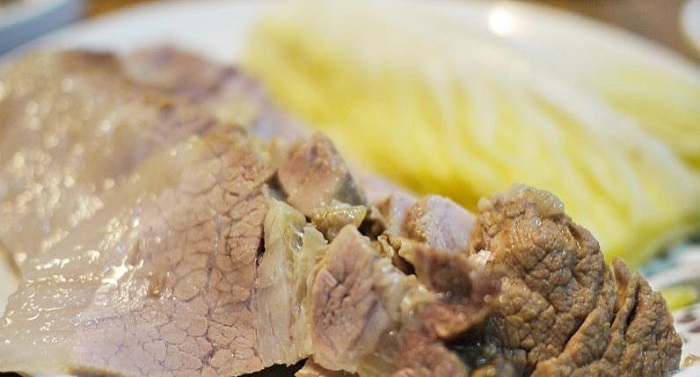
Heungbu Bossam (흥부보쌈)
9.2Km 2024-10-15
15-13 Sillim-ro 59-gil, Gwanak-gu, Seoul
+82-2-888-9464
It's a great place to hold group dining and gathering. This Korean dishes restaurant is located in Gwanak-gu, Seoul. The most famous menu is kimchi cabbage wraps with pork.
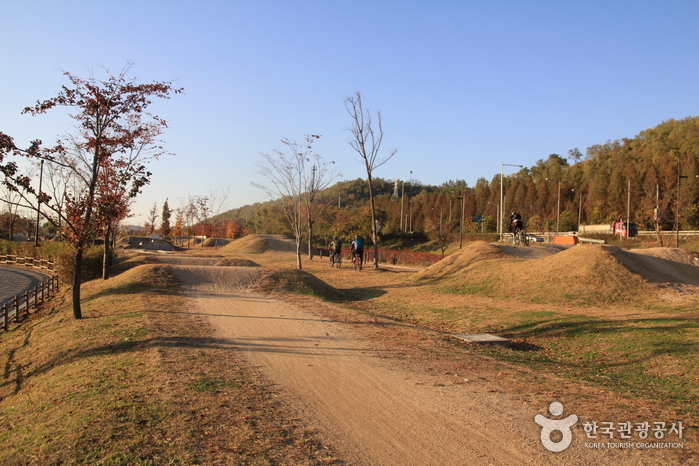
Nanji Hangang Park MTB Course Site (난지한강공원 MTB코스장)
9.2Km 2022-10-26
162, Hangangnanji-ro, Mapo-gu, Seoul
+82-2-3780-0611
Situated in Nanji Hangang Park, the MTB Course Site is perfect for MTB lovers as well as beginners who wish to enter the world of extreme biking with safety. The MTB Course Site is the nation's first MTB course site, established on a flatland, reproducing perfectly realistic mountain ridges and slopes.
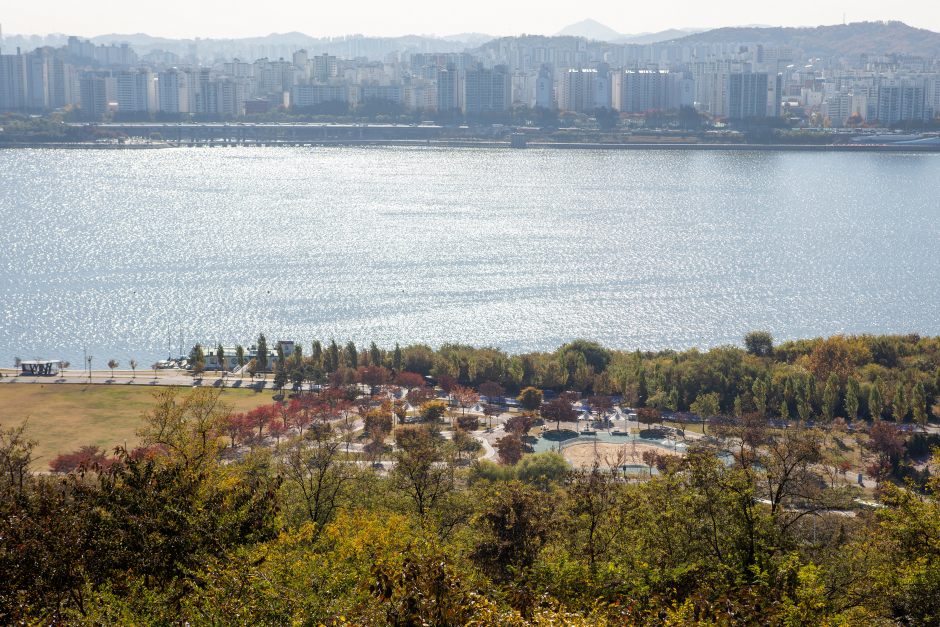
Nanji Hangang Park (난지한강공원)
9.2Km 2025-01-07
162 Hangangnanji-ro, Mapo-gu, Seoul
Nanji Hangang Park, situated north of the Hangang River near World Cup Park, provides a riverside space for leisure and recreation. The park offers Campgrounds, Water Leisure Sports Facilities, Bike Lane, Waterside Plaza, Mirror Fountain, Riverside Pool, a convenience store, and an information center. The Mirror Fountain emits a rainbow-like light with each water spray. The campgrounds are popular for their proximity to the city and affordable fees. Visitors can enjoy activities such as motorboating, water skiing, and wakeboarding on the Hangang River.
Gwanak Kang Gam-chan Festival (관악강감찬축제)
9.2Km 2025-07-11
77 Nakseongdae-ro, Gwanak-gu, Seoul
+82-2-828-5765
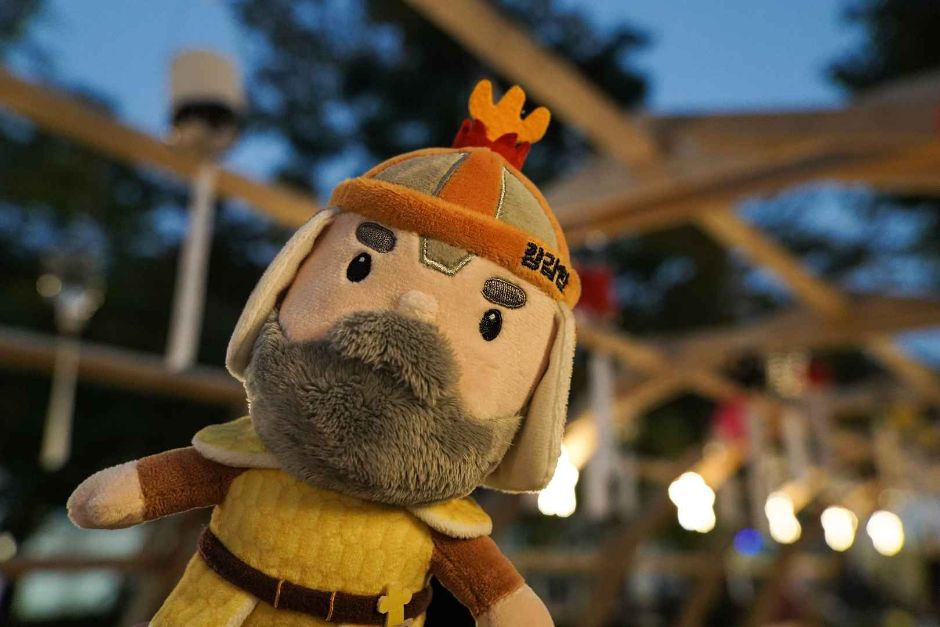
The Gwanak Gang Gam-chan Festival is a historical and cultural event held to honor the patriotic spirit of General Gang Gam-chan, a famous general from the Goryeo Dynasty. The festival is known for its impressive night events, fitting for the location named after a falling star, and features a variety of parades and performances.
◎ Gang Gam-chan and Nakseongdae
General Gang Gam-chan of Goryeo is said to have been born at the place where the fourth star of the Big Dipper fell. This place is called Nakseongdae, which means “the place where the star fell.”
Seoul Hwagyesa Temple (화계사(서울))
9.2Km 2021-11-02
117, Hwagyesa-gil, Gangbuk-gu, Seoul
+82-2-902-2663
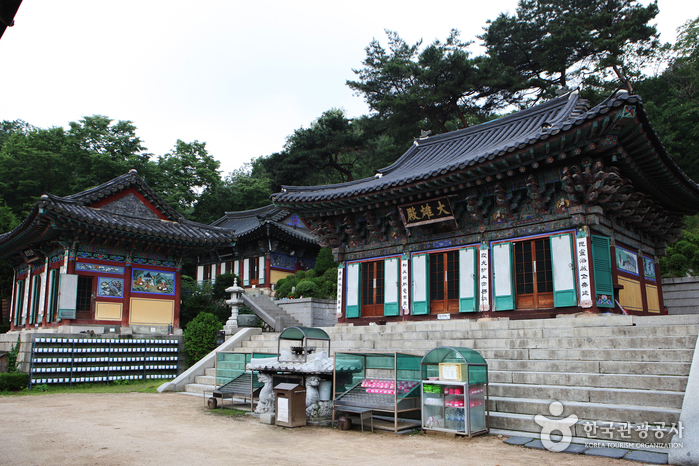
Hwagyesa Temple was built in 1522 (the seventeenth year of the reign of King Jungjong of the Joseon dynasty) by monk Shinwol, but was destroyed in a fire in 1618. It was rebuilt the following year, and expanded In 1866 through the efforts of Monks Yongseon and Beomun.
The temple also has various templestay programs for visitors. Hwagyesa Temple is located not too far from the city but also provides a natural environment.
Gwanaksan Mountain Nakseongdae Park (관악산 낙성대공원)
9.2Km 2021-07-16
77, Nakseongdae-ro, Gwanak-gu, Seoul
+82-2-879-6525
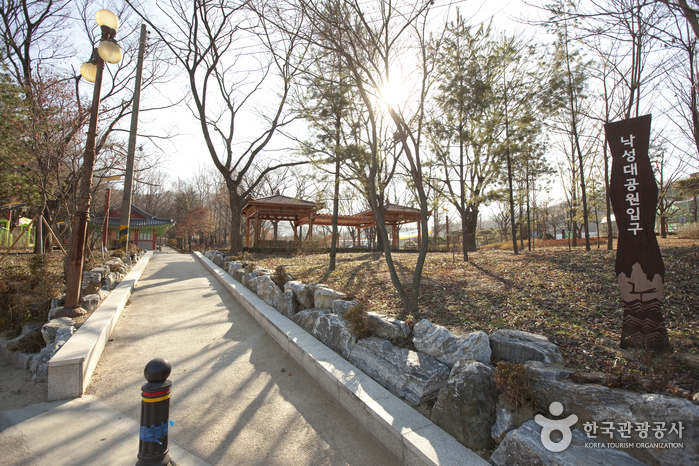
Nakseongdae Park was built as a tribute to General Kang Gam-chan (948-1031) of the Goryeo dynasty. In 1973, the city of Seoul reorganized the birthplace of General Kang, resulting in changes to the park. Located inside the park are Anguksa Shrine, the general’s birthplace, and a three-story stone pagoda, which was made during the Goryeo dynasty. The 4.48-meter-high pagoda is made of granite, and is called “Kang Gam-chan Tap (pagoda)” or “Kang Gam-chan Nakseongdae Tap”.
*Anguksa Shrine
Anguksa is a shrine built in 1974 emulating the wooden architecture style of the Goryeo era. The shrine has high ceilings and houses the portrait of General Kang Gam-chan. The shrine is located on the road leading to the back gate of Seoul National University and has become a popular place in the area.
*Nakseongdae Yuji
Nakseongdae Yuji is the birthplace of General Kang Gam-chan and the original location of the three-story pagoda. During the maintenance of Nakseongdae area in 1973, the pagoda was moved into the vicinity of Anguksa Shrine, and a two-meter tall monument was erected in its original location to mark the historical significance of the site.
 English
 한국어
한국어 日本語
日本語 中文(简体)
 Deutsch
 Français
 Español
 Русский


