Archaeological Site in Amsa-dong, Seoul (서울 암사동 유적)
12.8Km 2021-07-27
875, Olympic-ro, Gangdong-gu, Seoul
+82-2-3425-6520
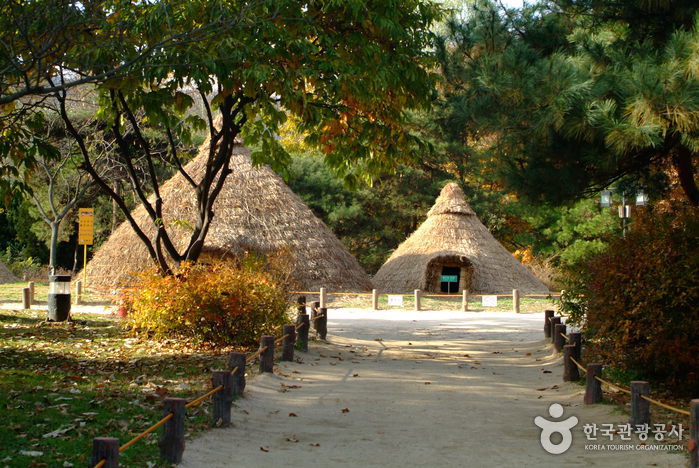
The Archaeological Site in Amsa-dong reproduces the lifestyle of the Neolithic Era. Even the entrance gate is shaped like a huge dolmen and the trash cans are ancient diagonal-line patterned earthenware. Archaeological Site in Amsa-dong was excavated in 1925 when a flood washed away the soil on the banks of the Hangang River and exposed a large number of diagonal-line patterned earthenware. After several excavations, the Archaeological Site in Amsa-dong was established.
The site was a location for a massive colony, thus many ancient buildings, stone axes and stone arrows have been uncovered as well as countless diagonal-line patterned earthenware. The housing site is round with a spot in the center for fire. The site is colossal and possesses nine mud huts, two exhibition halls displaying ancient artifacts and an open mud hut where visitors can experience life in the Neolithic Era. The site offers many attractions such as mud huts and promenades. Archaeological Site in Amsa-dong is also very educational for children and families who want to learn and experience the Neolithic Age.

Laejoo Travel ((주)내주여행사)
12.8Km 2025-10-23
(#411), 534 Seobusaet-gil, Geumcheon-gu, Seoul
Laejoo Travel is founded in 2002 We primarily serve foreign tourists for luxury cruise group tours, various business visits, conferences, exhibitions, research exchanges, and foreign patient attraction.
Through years of accumulated expertise, we have gained long-term recognition from prominent travel agencies in China and continue to maintain strong collaborative relationships. As the travel industry restarts post-COVID, Laejoo Travelis more passionate and dedicated than ever before.
Heoninneung Royal Tombs Ecological Preservation Area (Alder Tree Forests) (헌인릉 생태경관보전지역(오리나무림))
12.8Km 2021-12-11
34, Heonilleung-gil, Seocho-gu, Seoul
+82-2-445-0347
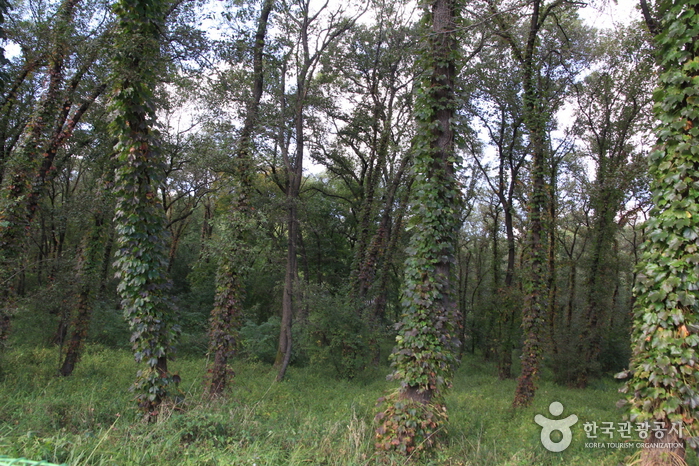
Heonninneung Royal Tombs Ecological Preservation Area is home to alder tree forests. It was officially designated as an ecological preservation area by the Seoul Metropolitan Government in 2005.
Ononsa Guesthouse (온온사)
12.8Km 2023-07-17
58 Gwanaksan-gil, Gwacheon-si, Gyeonggi-do
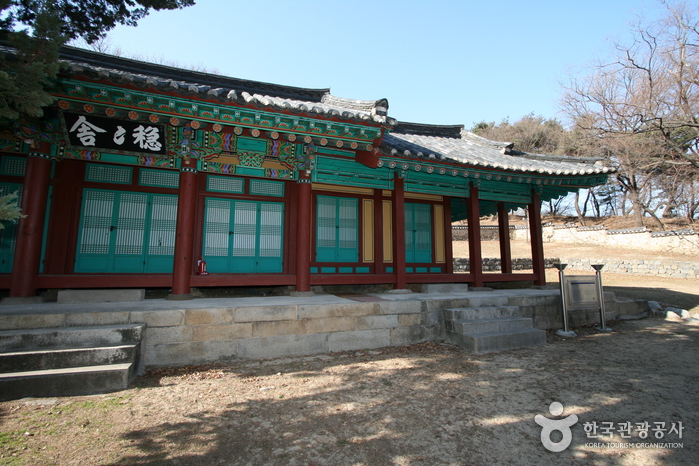
Though Ononsa, which was a guesthouse in Gwacheon, was constructed in the 27th year of King Injo's reign in the Joseon dynasty (1649), the name, "Ononsa," was given to this area during the reign of King Jeongjo. On February 11, 1790 during his royal procession to the tomb of his father, Crown Prince Sado, stayed at an inn in Gwacheon and, as he felt that it "has nice views and provides a comfortable stay," he bestowed upon the place plaques that he wrote himself - "Ononsa" to Seoheon and "Burimheon," which was the old nickname of Gwacheon, to Dongheon. This is how this place began to be called Ononsa.
It was designated as a Tangible Cultural Heritage of Gyeonggi-do on June 2, 1980, and it was restored on December 2, 1986 after being torn down.
![Heolleung and Illeung Royal Tombs [UNESCO World Heritage] (서울 헌릉(태종,원경왕후)과 인릉(순조,순원왕후) [유네스코 세계문화유산])](http://tong.visitkorea.or.kr/cms/resource/42/1985242_image2_1.jpg)
Heolleung and Illeung Royal Tombs [UNESCO World Heritage] (서울 헌릉(태종,원경왕후)과 인릉(순조,순원왕후) [유네스코 세계문화유산])
12.8Km 2021-07-24
36-10, Heonilleung-gil, Seocho-gu, Seoul
+82-2-445-0347
Heolleung and Illeung Royal Tombs house the mounds for two kings of the Joseon dynasty (1392-1910) and their wives: King Taejong (1401-1418) and Queen Wongyeong, along with King Sunjo (1800-1834) and Queen Sunwon. Together, the tombs are referred to as Heonilleung Royal Tomb. The site possesses numerous stone statues and vestiges, and is a good place to experience the culture of the Joseon dynasty.
Kyungbokkung - Changdong Branch (경복궁 창동)
12.8Km 2024-07-31
610, Dobong-ro, Dobong-gu, Seoul
+82-2-992-6777
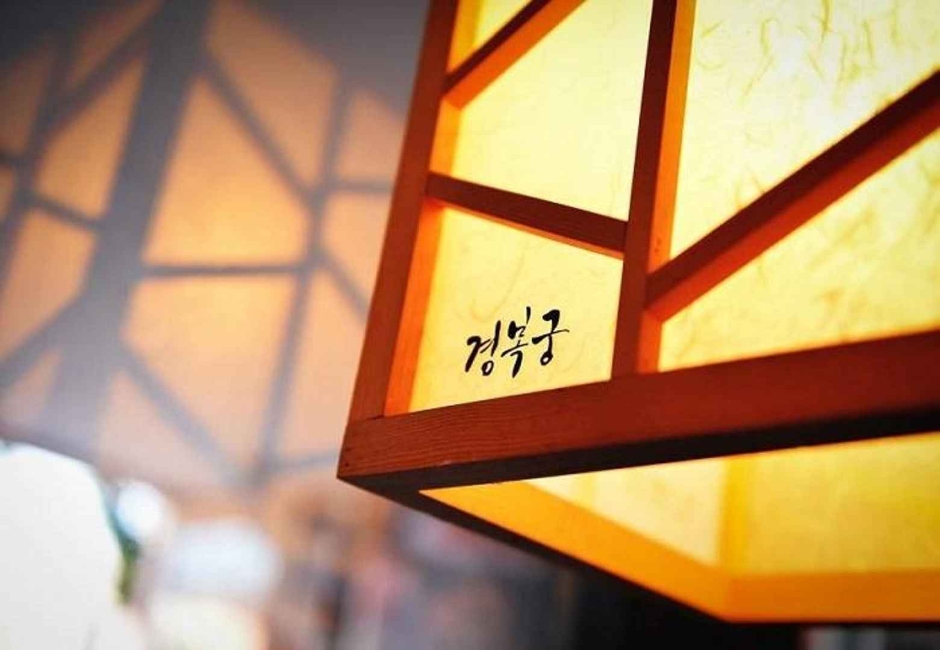
Chefs specializing in Korean dishes use prime meat. This restaurant's signature menu is grilled boneless ribs. This Korean dishes restaurant is located in Dobong-gu, Seoul.
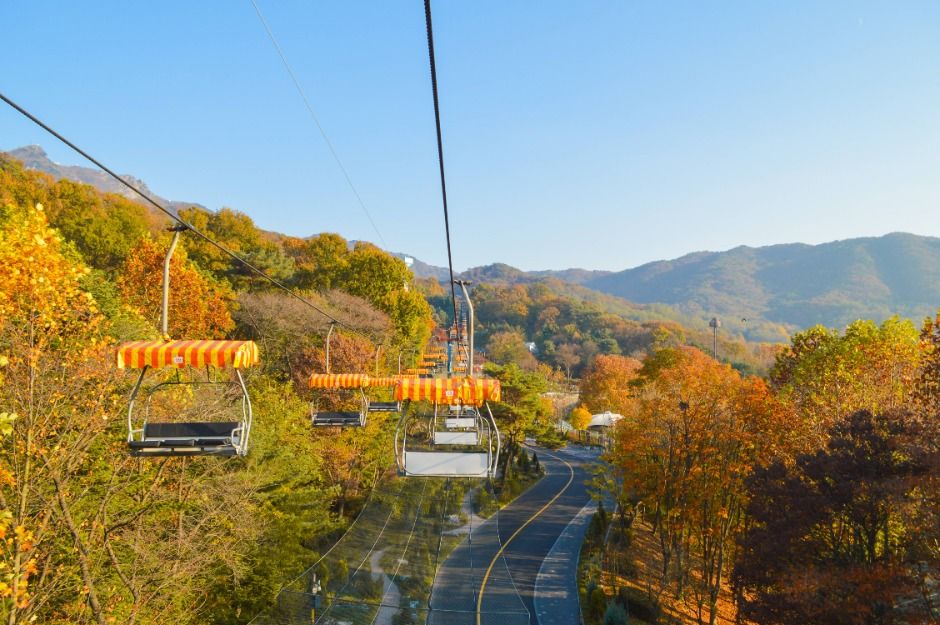
Skylift (스카이리프트)
13.0Km 2025-11-11
102 Daegongwongwangjang-ro, Gwacheon-si, Gyeonggi-do
The Seoul Grand Park Skylift is an experiential transportation and tourist facility that operates within Seoul Grand Park. It consists of two lines, Line 1 and Line 2, and operates from the entrance of Seoul Grand Park to the north gate of the zoo, and from the north gate of the zoo to the top of the carnivore animals zone, respectively. It serves to connect major tourist destinations such as the zoo, themed gardens, and children's zoo, allowing visitors to move around efficiently. Visitors can also enjoy the natural scenery of Seoul Grand Park's lakes, forests, and flower paths while traveling on the lift. Available all year round, visitors can enjoy seasonal scenery such as cherry blossoms in spring, greenery in summer, autumn leaves in fall, and snowy landscapes in winter.
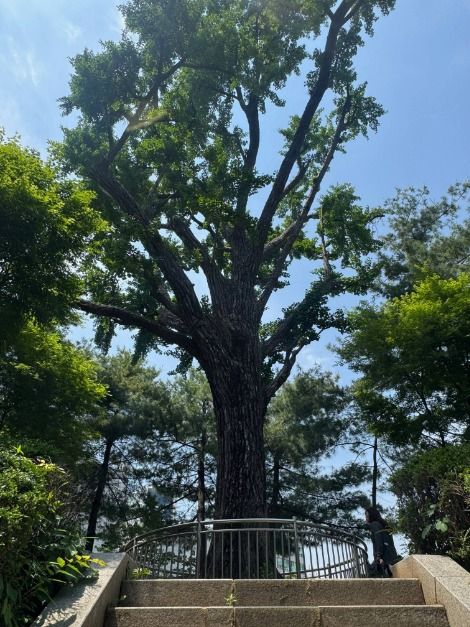
Ginkgo Tree at the Fortress Well Site (성주우물터 은행나무)
13.0Km 2025-09-15
Gayang-dong, Gangseo-gu, Seoul
Ginkgo Tree at the Fortress Well Site refers to the old ginkgo tree, which have been designated as a protected tree in 1988, located in Gayang-dong, Gangseo-gu in Seoul. Until the Gayang apartment complex was built, the area where the ginkgo tree is located was a historic place with a beautiful landscape and many anecdotes and legends. Before the Goryeo dynasty, its location served as an important strategic point along the lower part of the Hangang River, where it had a ferry dock with boats that bypassed Haengju and Paju as a shortcut for commuting between Kaeseong and Pyongyang, and is associated with many legends of historical figures who had used the dock. The ginkgo tree also appears in a painting drawn by Gyeomjae Jeongseon, a historic painter of the Joseon dynasty.

Kansong House (간송옛집)
13.1Km 2025-04-01
149-18 Sirubong-ro, Dobong-gu, Seoul
The 100-year-old traditional hanok Kansong House sits by the burial mound of Kansong Jeon Hyeong-pil (1906-1962), who played a significant role in preserving the cultural heritages of Korea during the Japanese colonial period. This house was orginally built by Kansong's adoptive father Jeon Myeong-gi (1870-1919) to us as a storage facilities for harvested agriculture from the northern Gyeonggi-do and Hwanghae. After his father's death, Kansong used the house as a ritual house for his father and often stayed here. Some damages were done to the house during the Korean War, and partial repair was made after his death.

Seoulland Sledding Hills (서울랜드 눈썰매장)
13.2Km 2022-11-22
Makgye-dong, Gwacheon-si, Gyeonggi-do
+82-2-509-6000
Seoulland Sledding Hills offers two slopes, one for children (50 meters long) and another for adults (120 meters long). Amenities include food stands that sell various foods, including eomuk (fish cake) soup, resting lounge and medical office. Various performances are also prepared to entertain visitors at the main stage nearby the sledding hill.
 English
 한국어
한국어 日本語
日本語 中文(简体)
 Deutsch
 Français
 Español
 Русский


