
ID Clinic Hongdae (홍대 아이디의원)
5.8Km 2025-10-23
10th Floor, H-CUBE, 140 Yanghwa-ro, Mapo-gu, Seoul
Hongdae ID Clinic is a specialized clinic of the ID Group, backed by over 20 years of expertise in facial contouring surgery, skin treatments, and petit procedures. With a deep understanding of facial anatomy, we provide safe and precise treatments, offering a wide range of customized solutions such as lifting, Botox, fillers, and lasers to create natural and harmonious beauty.
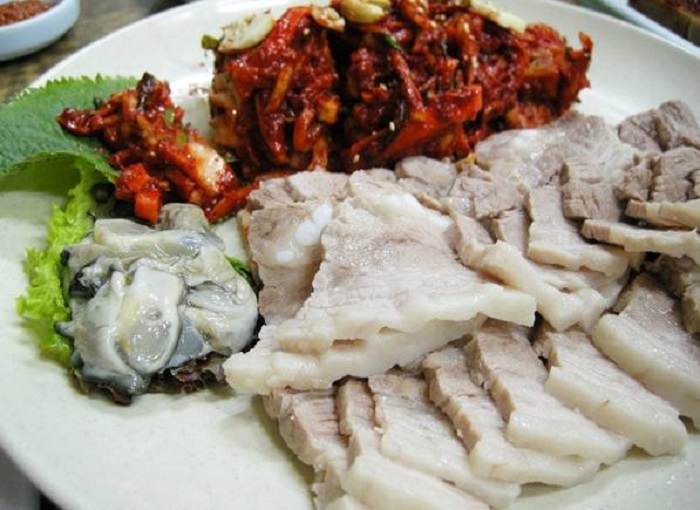
Jangchung Jokbal (장충족발)
5.8Km 2024-10-15
31, Noryangjin-ro 16-gil, Dongjak-gu, Seoul
Jokbal (pig’s feet) is a representative food loved by Koreans. The best menu at this restaurant is braised pigs' feet. This Korean dishes restaurant is located in Dongjak-gu, Seoul.

Nemamdaero Hongdae Branch(내맘대로폰케이스 홍대점)
5.8Km 2025-11-05
21 Wausan-ro 19-gil, Mapo-gu, Seoul
JENNIE and JISOO’s phone case
This is where JENNIE and JISOO made mobile phone cases on V LIVE. It has a huge number of parts, and you can choose the color and shape of the bond. The advantage is that you can use all parts as much as you want without restrictions. You can follow JENNIE and JISOO’s design, or you can make your own case. Decorating top loaders for photo cards and making slime are also popular. It is the perfect for travel souvenirs or gifts.
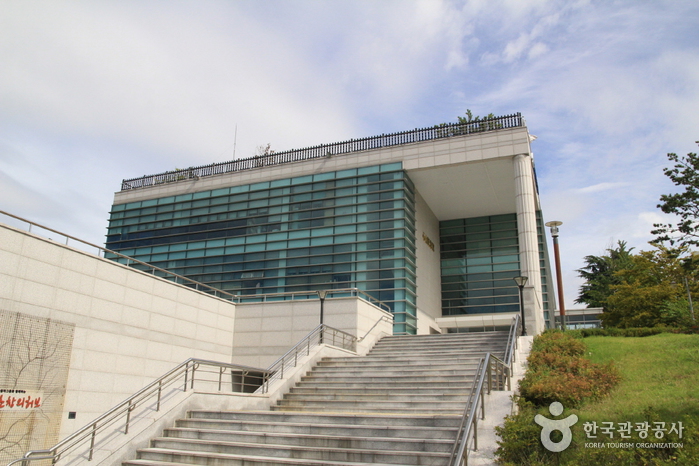
Simsan Cultural Center (심산기념문화센터)
5.9Km 2022-01-04
55, Sapyeong-daero, Seocho-gu, Seoul
The Simsan Cultural Center was established to commemorate the Confucianism and patriotic spirit of Simsan Kim Chang-Suk. It also offers educational and training programs to the local community for developing life skills while adding to the overall quality of life.
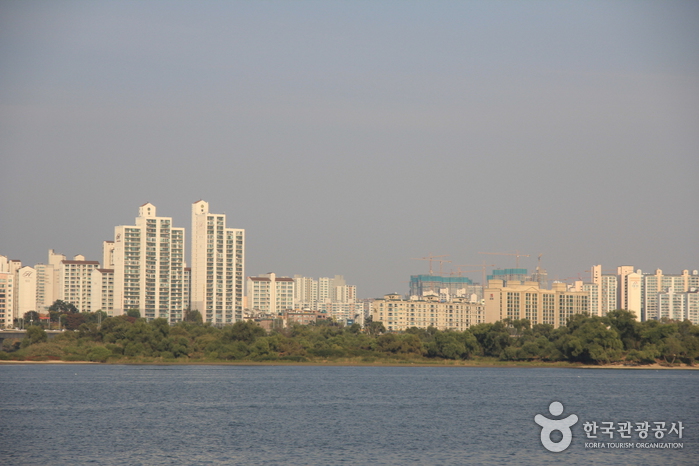
Bamseom Island (Ecosystem Conservation Area) (밤섬 생태경관 보전지역)
5.9Km 2025-04-29
Yeouido-dong, Yeongdeungpo-gu, Seoul
Located at the Hangang River, Bamseom Island derives its name from its chestnut-like shape (bam in Korean). The island was designated as an Ecosystem Conservation Area by the Seoul Metropolitan Government in 1999 and was later recognized as Ramsar Wetland in 2012. Now an uninhabited island, Bamseom Island was once home to around 443 people, who were relocated after the island was exploded as part of the Yeouido Development Project. Today, it is known as a habitat for numerous migratory birds and plant species. People can enjoy views of the Island from Bamseom Park.
Chamin Plastic Surgery (차민성형외과의원)
5.9Km 2026-01-02
4th–6th Floors, Cheongha Building, 503 Gangnam-daero, Seocho-gu, Seoul
ChamIn Plastic Surgery specializes in a wide range of procedures, including revision rhinoplasty, primary rhinoplasty, facelift and mini facelift, forehead lift and forehead reduction, double-chin contouring, eyelid surgery, and various skin treatments such as fillers, Botox, and skin boosters.
All consultations, evaluations, procedures, and follow-up care are provided directly by our medical specialists on a one-to-one basis.
The clinic is structured into a streamlined system with a Treatment Center on the 4th floor, an Operating Center on the 5th floor, and a Consultation Center on the 6th floor.
At ChamIn Medical Center, a gastroenterology specialist provides endoscopy, ultrasound, health check-ups, fecal microbiota transplantation (FMT), and other internal medicine services.
ChamIn Plastic Surgery values trust and professional expertise, offering personalized treatment plans tailored to each individual.
Kleam Clinic (클림의원)
5.9Km 2025-10-23
3F, 141 Yanghwa-ro, Mapo-gu, Seoul
Kleam Clinic is a leader in K-beauty innovation, and they discover the unique, radiant beauty of customers from around the globe.
Kleam Clinic is sought after by many customers as it is known for its excellent procedural competence, honest pricing, and use of genuine products. Additionally, the clinic provides interpretation services in English, Chinese, Japanese, and Thai for international clients. Additionally, the clinic offers airport pick-up and drop-off services, hotel bookings, and tax-free services, allowing foreign visitors a hassle-free one-stop procedure.
The clinic is open from Monday through Sunday so patients can conveniently get consultations on holidays as well.
Seokparang (석파랑)
5.9Km 2024-09-02
309 Jahamun-ro, Jongno-gu, Seoul
Seokparang is a place built by relocating the Sarangchae of Heungseon Daewongun, the father of King Gojong of the Joseon dynasty. It boasts beautiful late Joseon-style gardens and three traditional hanok buildings. Here, one can enjoy authentic Gungjung hanjeongsik (royal Korean table d'hote) for both lunch and dinner, featuring meticulously prepared dishes such as traditional porridge, chilled salads, steamed prawns, kimchi cabbage wraps with pork, soybean paste jjigae set menu, and desserts. Diners can also savor traditional liquors crafted by artisans from across the country.
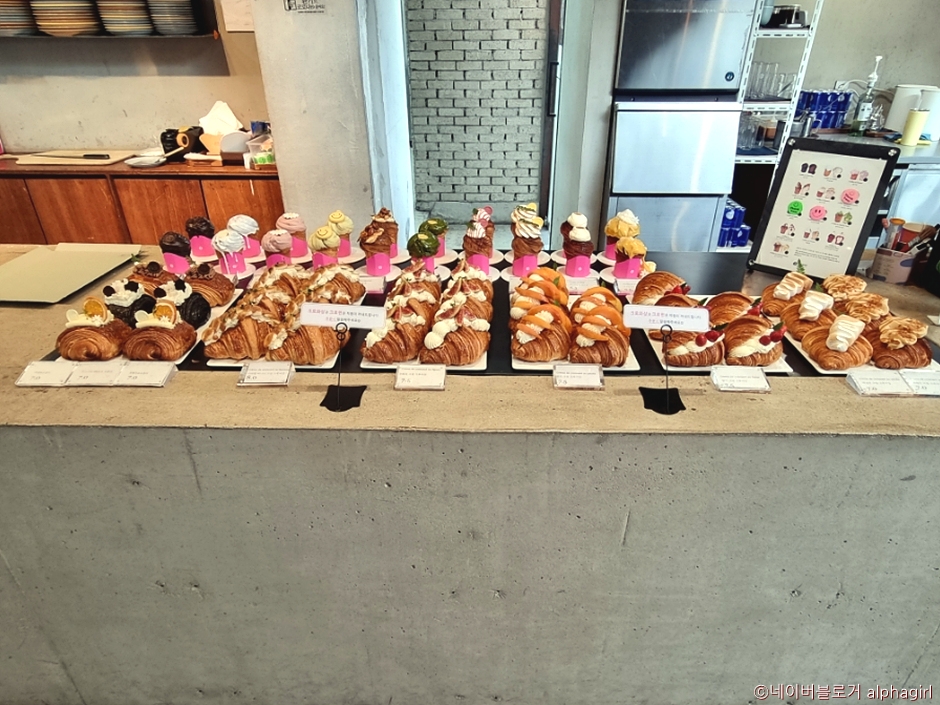
Ongeundal (옹근달)
5.9Km 2025-10-29
41-1, Seongsui-ro 7-gil, Seongdong-gu, Seoul
This bakery in Seongsu-dong boasts a colorful and unique visual, and is gaining popularity for its “cruffin,” a hybrid of a croissant and muffin. The menu includes a variety of breads and desserts, such as canelé, pound cake, crumble, and mille-feuille, making it a paradise for bread-lovers. The courtyard of the building, which was remodeled from an old factory, has thick bushes and a small square pond, offering a unique view. The floor-to-ceiling windows in this two-story building create the feeling of a wide, open space, making it full of photo opportunities.
Leaders Dermatology Clinic CheongdamLuxuryStreet (리더스피부과의원 청담명품거리점)
5.9Km 2025-10-23
3rd Floor, Diana Building, 445 Apgujeong-ro (Cheongdam-dong), Gangnam-gu, Seoul
Founded in 2001 by board-certified dermatologists from Seoul National University College of Medicine, Leaders Dermatology has grown into a trusted network of over 12 clinics across Korea and internationally, with a team of more than 20 dermatologists and 150 medical professionals.
Our doctors are actively involved in global academic circles delivering lectures at renowned conferences and seminars and are dedicated to raising the bar for dermatological care. With a systematic, patient-centered approach, our mission is to become the No.1 dermatology clinic in customer satisfaction through excellence in service and results.
 English
 한국어
한국어 日本語
日本語 中文(简体)
 Deutsch
 Français
 Español
 Русский


