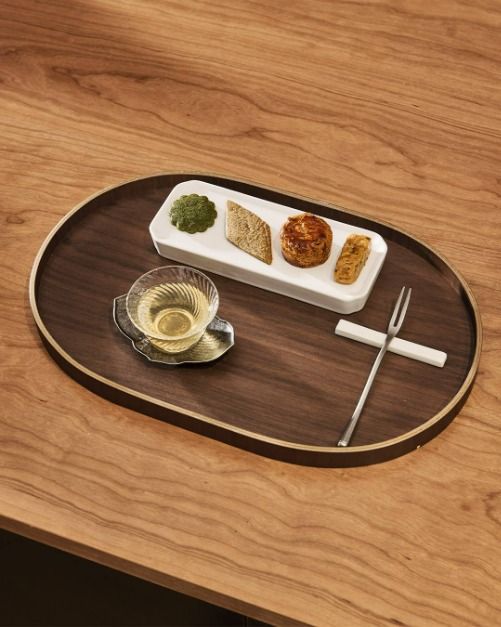
Pyunkang Yul Flagship & Tea house (편강 율 플래그십&티하우스)
356.2M 2025-12-10
35-4 Bukchon-ro 5ga-gil, Jongno-gu, Seoul
Pyunkang Yul Flagship & Tea house is a cafe in Bukchon Hanok Village near Gyeongbokgung Palace. The first floor is a teahouse where one can enjoy Korean tea infused with traditional ingredients and delightful desserts with a view of the cafe's serene garden, and the second floor is a flagship store of Pyeongang Yul, a K-beauty brand known for integrating hanbang (traditional Korean medicine) in their skincare products. The third floor features a rooftop that offers a sweeping view of the Bukchon Hanok Village and Gyeongbokgung Palace.
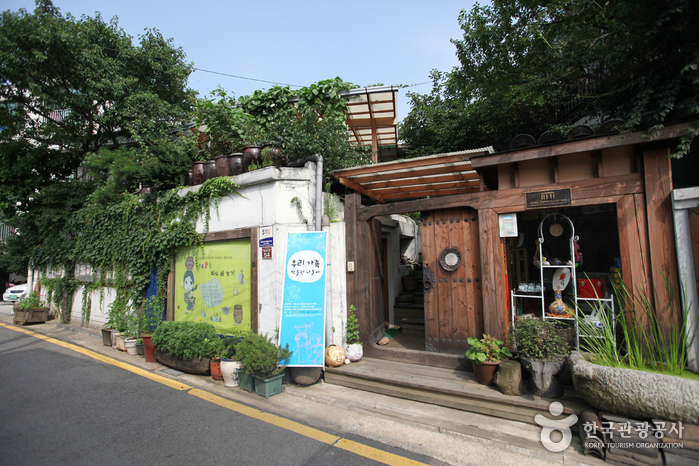
Bukchon Museum (북촌생활사박물관)
388.7M 2022-08-30
90, Bukchon-ro 5na-gil, Jongno-gu, Seoul
The Bukchon Museum displays items that have been collected from Bukchon, a historical village that was once home to the nation’s nobility. The museum was founded to observe urban development that took place in the recent decades through collected and preserved veryday household items that were used by Bukchon residents. Visitors are even allowed to touch items on display to better be able to imagine life in Korea before industrialization.
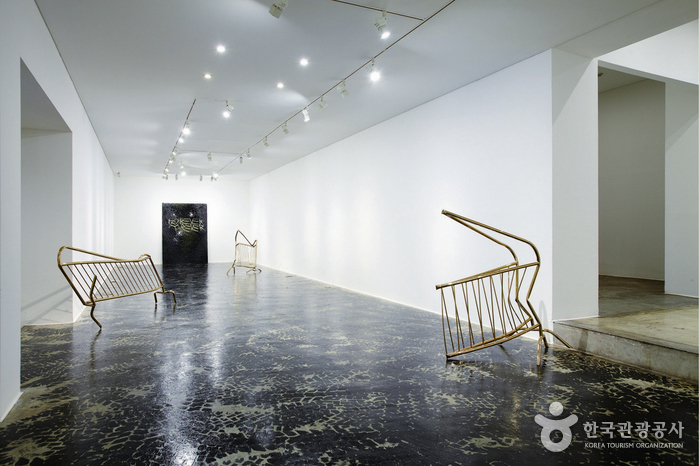
Kukje Gallery (국제갤러리)
425.3M 2021-07-29
54, Samcheong-ro, Jongno-gu, Seoul
The Kukje Galley has been committed to presenting the work of significant Korean and international contemporary artists to the public since 1982. The gallery has established itself as a leading venue for international exhibits such as Helen Frankenthaler, Sam Francis, Jim Dine, Frank Stella, Robert Mangold, Anthony Caro, Cy Twombly, Edward Ruscha, Anselm Kiefer, Joseph Beuys, and Bill Viola, attracting enthusiastic responses from both the public and the media.
The gallery has placed emphasis on collaborations between artists, galleries, and art dealers around the world and nurturing upcoming artists by sponsoring their artwork and giving them international exposure.
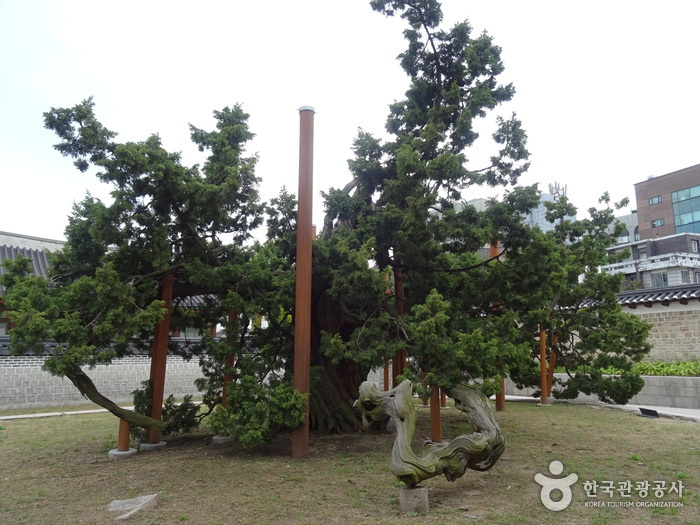
Hyangnamu Tree in Changdeokgung Palace (창덕궁 향나무)
449.5M 2025-01-13
99, Yulgok-ro, Jongno-gu, Seoul
Hyangnamu or 'Aromatic Tree' in Changdeokgung Palace is estimated to be about 700 years old, meaning it had likely been planted before the palace was built. It stands 12m in x_height, measures 5.9m in girth around the roots, and has branches spreading in all four directions. It is designated and protected as a National Natural Monument.
Danha(단하)
455.4M 2025-11-05
39-7 Palpan-gil, Jongno-gu, Seoul
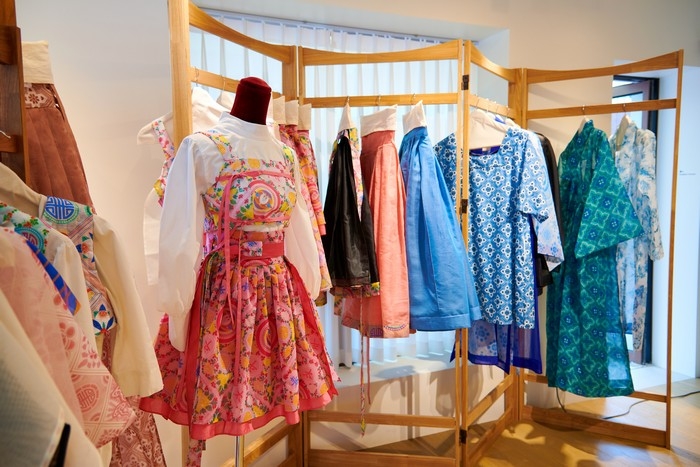
BLACKPINK's “HOW YOU LIKE THAT” music video created a sensation, reaching 100 million views within 32 hours of its release. The most noteworthy part of the music video was the hanbok they wore. Danha, which was in charge of making the costumes, improved the traditional hanbok and completely recreated it as a stage costume, garnering attention from all over the world. Danha is famous for designing hanboks using traditional patterns. The patterns engraved on the clothes in the BLACKPINK music video used the phoenix design pattern of the royal cloth. Danha's hanbok can be purchased through the online shop, and if you want to have it custom-made, you can visit Danha Maison after making a reservation.

Bukchon Hanok Village Gamgodang Street (북촌한옥마을 감고당길)
464.0M 2025-10-30
Anguk-dong, Jongno-gu, Seoul
An alley with cute cafes and galleries
This is the road that appeared in the last episode and the flashback scene where Choi Ung (played by Choi Woosik) and Kuk Yeonsoo (played by Kim Dami) got drunk. Behind the Seoul Craft Museum in Bukchon Hanok Village, it extends for about 440m from Poongmoon Girls' High School to Jeongdok Library. There are many pretty cafes and galleries on the cozy road, and there are also craft markets open, so there is plenty to look around. The alley where Kuk Yeonsoo walked with the drunken Choi Ung on her back is Yunboseon Street in the middle of Gamgodang Street. It stretches along the hill between narrow tiled walls and stone walls, giving off a unique atmosphere.

Samcheong-dong Street (삼청동길)
492.2M 2025-01-22
107 Samcheong-ro, Jongno-gu, Seoul
It is said that Samcheong-dong was named from the story about the three "cheong" (Chinese character meaning clean) of the area, namely the mountain, water, and people. Another theory is that the origin of the region's name came from Samcheongjeon Hall where three tablets called "Taecheong," "Sangcheong," and "Okcheong," were set up based on Taoism. Samcheong-dong Street features a mixture of old scenes of hanok buildings with traditional beauty and modern scenes of galleries and cafés, creating a unique atmosphere. Visitors can feel the abundant cultural mood at every corner of the street through the art galleries, museums, antique shops, and quiet pathways.
PKM Gallery (PKM갤러리)
545.0M 2024-03-18
40 Samcheong-ro 7-gil, Jongno-gu, Seoul
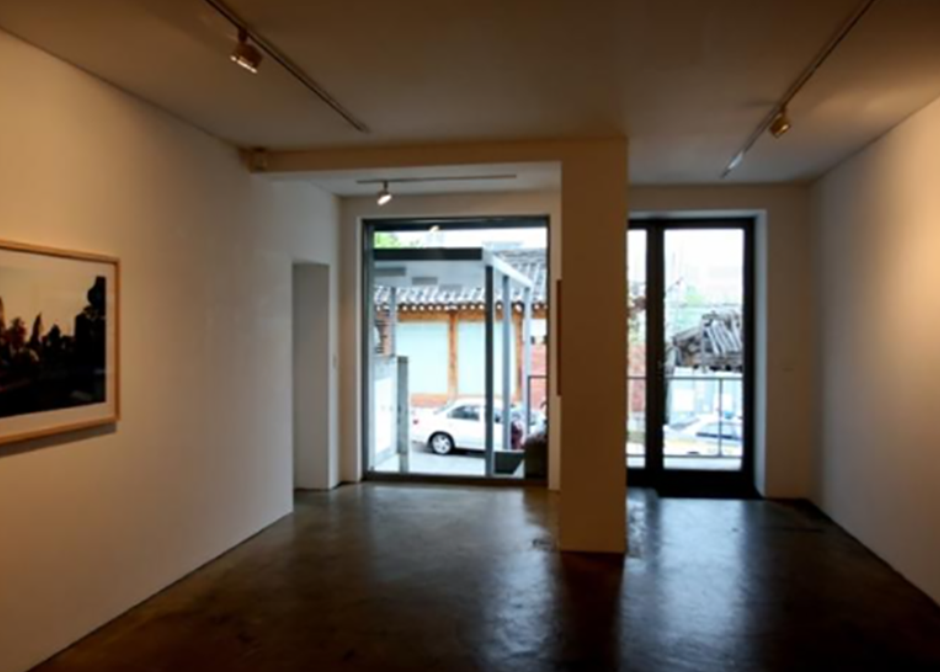
PKM Gallery, now providing 397 square meters of exhibition space, includes a main building with a maximum x_height of 5.5 meters comprising two upper stories and a two-story basement. PKM+, an annex built in 2018, has one upper story and a basement floor and is equipped with a boutique-like gallery space.
The gallery not only exhibits the works of leading figures in Korean contemporary art, but has also succeeded in introducing renowned international artists to the Korean audience. As an incubator for emerging young artists, PKM Gallery has been organizing exhibitions to encourage their growth as leading artists of the next generation. PKM gallery, the first among the Korean galleries invited to participate in the Frieze Art Fair in 2004, played a major role in advancing Korean contemporary art to the global art market.
The Children’s Museum of the National Folk Museum of Korea (국립민속박물관&국립민속박물관 어린이박물관)
557.5M 2025-06-19
37 Samcheong-ro, Jongno-gu, Seoul
The Children’s Museum of the National Folk Museum of Korea, located within Gyeongbokgung Palace, showcases artifacts related to Korean traditional culture. This interactive museum allows children to experience and learn about various aspects of Korean traditional clothing, food, society, culture, and games firsthand. Especially catering to children from Asian countries, there is a service for renting items, and reservations are required for admission.
K.O.N.G Gallery (공근혜갤러리)
569.8M 2025-10-28
38 Samcheong-ro 7-gil, Jongno-gu, Seoul (Samcheong-dong)
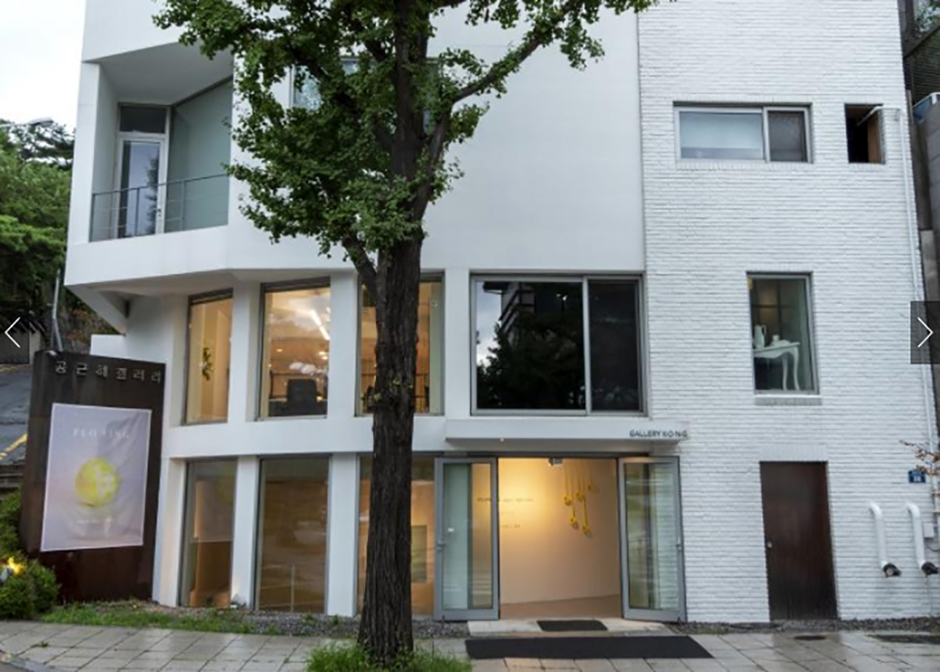
Since its opening in 2005, the gallery has made a significant impact on the Korean photography scene by introducing world-class photographers to Korea. It relocated to its present site next to the Cheongwadae, Samcheong-dong, in 2010, adding spaces for painting, sculpture, video, installation, and other forms of contemporary art. The gallery focuses on artists based in Paris, London, and New York, presenting works that represent the current state of contemporary art in the 21st century. It also plays a vital role as a Korean gallery by discovering young Korean artists and supporting their overseas activities.
 English
 한국어
한국어 日本語
日本語 中文(简体)
 Deutsch
 Français
 Español
 Русский


