![Monday Edition [Tax Refund Shop] (주식회사 먼데이에디션)](http://tong.visitkorea.or.kr/cms/resource/77/2887777_image2_1.jpg)
Monday Edition [Tax Refund Shop] (주식회사 먼데이에디션)
5.7Km 2024-04-23
1F, Store #1, Store#2 (Hannam-dong), 57, Daesagwan-ro 11-gil, Yongsan-gu, Seoul
-
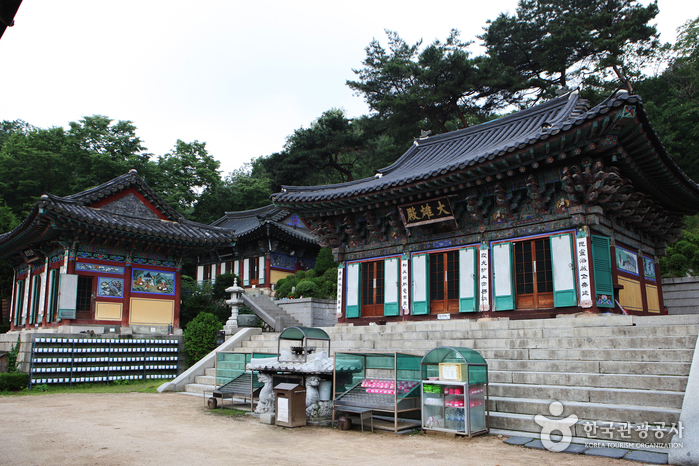
Seoul Hwagyesa Temple (화계사(서울))
5.7Km 2021-11-02
117, Hwagyesa-gil, Gangbuk-gu, Seoul
+82-2-902-2663
Hwagyesa Temple was built in 1522 (the seventeenth year of the reign of King Jungjong of the Joseon dynasty) by monk Shinwol, but was destroyed in a fire in 1618. It was rebuilt the following year, and expanded In 1866 through the efforts of Monks Yongseon and Beomun.
The temple also has various templestay programs for visitors. Hwagyesa Temple is located not too far from the city but also provides a natural environment.

Unplugged Hongdae Branch(언플러그드)
5.7Km 2025-11-05
26 Wausan-ro 33-gil, Mapo-gu, Seou
IU ‘Sleepless Rainy Night’
As the name suggests,it is a cafe with an analog charm. Old wooden floors and furniture, pianos and guitars, and turntables are old and more stylish. In a space full of LPs and CDs, you can feel the warmth and coziness you felt in the music video. A variety of menus are available, from drinks to beer and pretty cocktails named after musicians. There is a performance hall in the basement, where performances are often held.
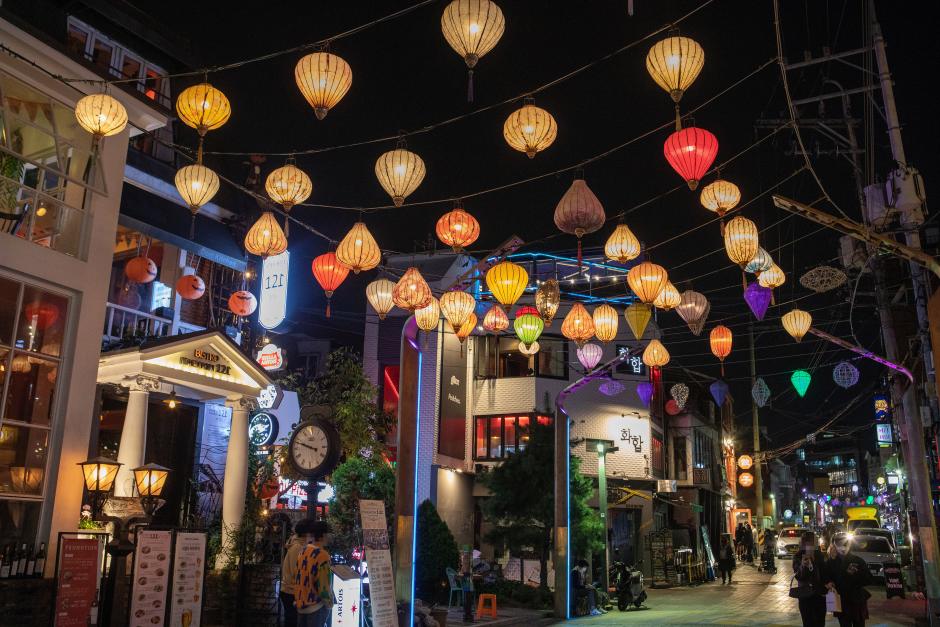
Itaewon Shopping Street (이태원 쇼핑거리)
5.7Km 2025-03-29
Itaewon-dong, Yongsan-gu, Seoul
+82-2-797-7319
Itaewon Shopping Street is a 1.4-kilometer-long road located near Itaewon Station. There is an enormous variety of shops, entertainment venues, and restaurants lined along both sides of the street. As the neighborhood has a reputation as a mini melting pot in Seoul where languages other than Korean are widely spoken, it is one of the most visited places by international visitors. It has become a gateway for many international visitors to receive services and information on basic tourist needs such as accommodations, shopping, tourist attractions, and more.
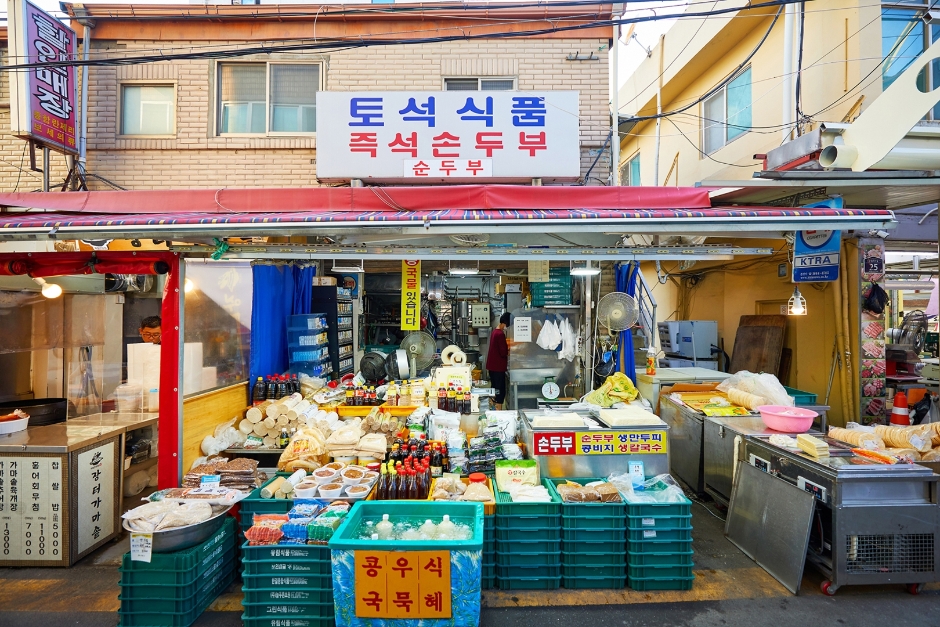
Daerim Market (대림시장)
5.7Km 2024-03-15
300-10 Eungam-dong, Eunpyeong-gu, Seoul
The oldest traditional market in Eunpyeong-gu, Seoul, is also the capital’s only fifth-day market (held on 5th, 10th, 15th, 20th, 25th, and 30th of the month). It is divided into indoor and outdoor spaces. The former offers a comfortable space for shopping regardless of the weather. Like any good traditional market, Daerim Market offers vegetables, fruits, meat products, seafood, grain, and clothing at affordable prices. Visitors are recommneded to visit the restaurants hidden throughout the market, such as Halmaejip, a 50-year-old restaurant serving excellent banquet noodles, japchae, and tteokbokki; and Wooyirak, which serves pancakes with cream makgeolli (unrefined rice wine). Because the food is affordable and delicious, the market sees a lot of visitors throughout the day.
Lotte Mart - Cheongnyangni Branch [Tax Refund Shop] (롯데마트 청량리점)
5.7Km 2024-04-22
210, Wangsan-ro, Dongdaemun-gu, Seoul
-
G-line Book Street (경의선책거리)
5.7Km 2024-03-19
35 Wausan-ro 37-gil, Mapo-gu, Seoul
+82-2-3153-8353
G-line Book Street spans approximately 250 meters from Exit 6 of Hongik University Station to Wau Bridge, where the old train tracks remain intact. It serves as a prominent cultural hotspot in Hongik University, housing various bookstores and cultural spaces selling books on diverse topics. Independent bookstores, children's bookstores, specialty bookshops, and art galleries converge in this area, offering a rich tapestry of literary experiences.
![LG Best Shop - Donggyo Branch [Tax Refund Shop] (엘지베스트샵 동교점)](http://tong.visitkorea.or.kr/cms/resource/30/2890130_image2_1.jpg)
LG Best Shop - Donggyo Branch [Tax Refund Shop] (엘지베스트샵 동교점)
5.7Km 2024-04-18
6, Sinchon-ro, Mapo-gu, Seoul
-
Kervan Turkish Restaurant (케르반레스토랑)
5.7Km 2025-03-15
192 Itaewon-ro, Yongsan-gu, Seoul
Kervan is a Turkish restaurant located in Itaewon, offering authentic kebab, pidé, and Turkish desserts. It faithfully recreates the Turkish culture and food through its interior, decorated with traditional tiles, and dishes prepared by a chef from Türkiye. Main menus include Chicken steak, Rich pidé, and Chicken shish kebab.
Itaewon Special Tourist Zone (이태원 관광특구)
5.8Km 2024-11-27
196 Itaewon-ro, Yongsan-gu, Seoul
Itaewon was the first special tourist zone in Seoul, designated in 1997. It is a multicultural place where over 20,000 foreigners live and is widely recognized by international visitors.
The name Itaewon started to spread worldwide in the 1980s when Korea hosted the 1986 Seoul Asian Games and the 1988 Seoul Olympic Games, as well as many international conferences. Since then, Itaewon has become a popular travel destination. Clothes and accessories with unique designs, and leather products in particular are famous. This is a go-to place for both shopping and entertainment. The street is crowded with shops selling clothes and bags, as well as hotels, restaurants, entertainment facilities and travel agencies. With about 2,000 shops and stores lining every street, visitors can experience a multicultural atmosphere. Also famous in the district is Antique Furniture Street where more than 100 shops selling furniture and antiques stretch from Hamilton Hotel toward Bogwang-ro.
Travelers can taste authentic cuisine and experience culture from around the globe on World Food Street where there are 40 restaurants operated by foreigners. Since the late 1990s, an increase in the number of tourists from Southeast Asia and the Middle East has transformed the streets from being US Army-oriented into culturally diverse. Various performances and events are held in the area. In particular, Itaewon Global Village Festival, held every October, is a famous festival. Tourists can pay in US dollars, Japanese yen, or another currency freely. In addition, visitors can use various languages like English, Japanese, and Chinese with the sellers.
 English
 한국어
한국어 日本語
日本語 中文(简体)
 Deutsch
 Français
 Español
 Русский


