
Seoul Eungbongsan Mountain (응봉산(서울))
4.2Km 2024-07-05
1540 Geumho-dong 4-ga, Seongdong-gu, Seoul
+82-2-2286-6061
From Eungbongsan Mountain, one can easily see the Hangang River, Seoul Forest, Jamsil Sports Complex and more in the eastern part of Seoul. With such a great view of the Hangang River, the mountain is often packed with visitors including many photographers. The mountain serves as a venue for diverse events, including a sunrise festival on New Year's Day and forsythia festival around April during the flowering season.
Seoul Folk Flea Market (서울 풍물시장)
4.2Km 2025-04-11
21 Cheonho-daero 4-gil, Dongdaemun-gu, Seoul
+82-2-2232-3367
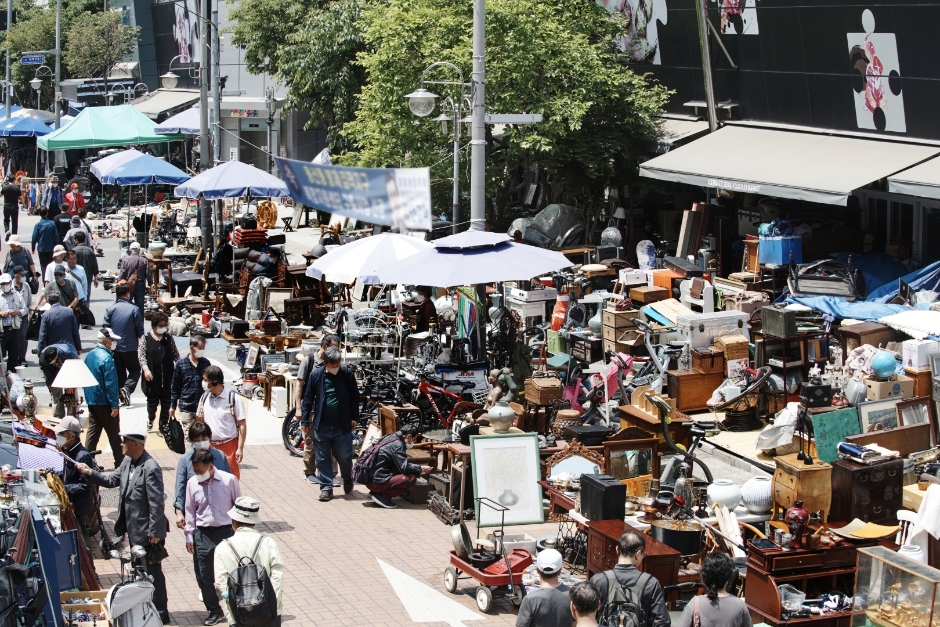
The Seoul Folk Flea Market is located around Cheonggyecheon Stream's Hwanghakgyo Bridge and Sinseol-dong Station and is on its way to becoming a famous tourist attraction along with the already famous Cheonggyeocheon Stream. The Seoul Folk Flea Market is one of the major folk flea markets preserving the culture of the traditional Korean marketplace and drawing in visitors with a range of folk items that embody the unique charm of Korea. Folk items include everyday items, souvenirs, traditional goods and even traditional foods, allowing visitors to enjoy shopping and eating all under the same roof.
The Seoul Folk Flea Market originated from the flea market in Hwanghak-dong where many street shops and vendors gathered around Cheonggyecheon Stream before it was restored and modernized into its current state. The market was relocated to the Dongdaemun History & Culture Park (Formerly Dongdaemun Stadium) while the Cheonggyecheon Stream was undergoing restorations, and was moved back to Cheonggyecheon Stream sometime later. Seoul City aims to market Seoul Folk Flea Market as a new shopping spot at its current location, the former site of Sungin Girls' Middle School on Cheonggyeo 8-ga Street, near Cheonggyeocheon Stream to develop the Korean representative folk flea market-related tourism industry.
The main items of the Seoul Folk Flea Market include a diverse range of folk items, traditional crafts, local specialties and fashion items. You may also enjoy a range of foods and snacks including traditional Korean food and fusion cuisine from all over the world. What is special about the market is that you can find rare goods and authentic traditional items that cannot be found at other markets. The market atmosphere is a mix of old, revered traditions and modern aspects, providing visitors with a great shopping experience. The Seoul Folk Flea Market is truly a traditional flea market well worth visiting.
Buam-dong (부암동)
4.3Km 2024-03-15
Buam-dong, Jongno-gu, Seoul
+82-2-2148-1807
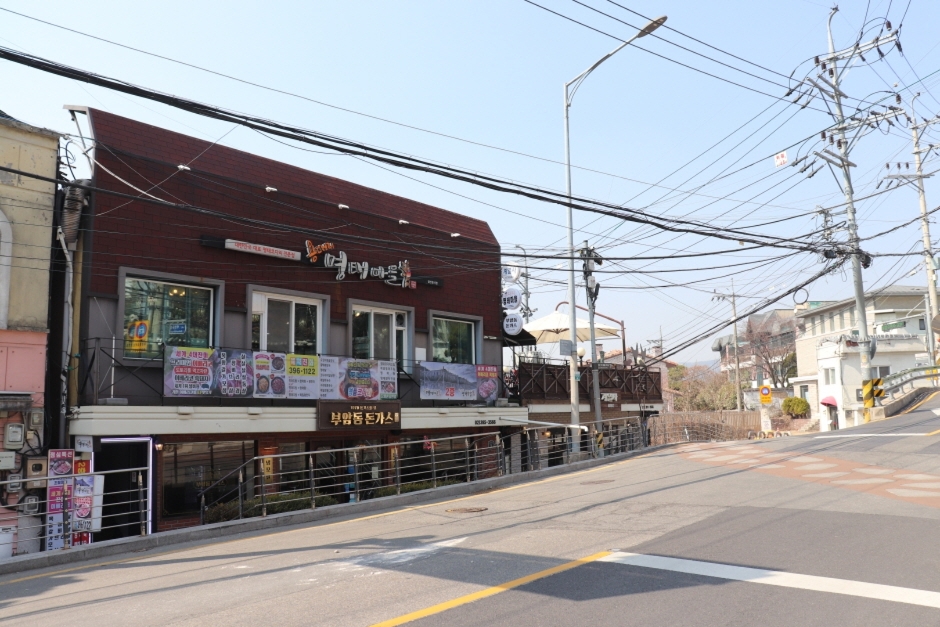
Buam-dong is a village located north of Gyeongbokgung Palace. It is designated as a development-restricted zone due to its proximity to the Cheong Wa Dae, preserving the old neighborhood's appearance. There are numerous bakeries, cafés, restaurants, and small galleries housed in renovated traditional houses, making it a delightful place for a leisurely stroll. The nearby hiking trails connected to Bugaksan Mountain offer a tranquil journey through the forest, ideal for those seeking a peaceful retreat.
Seoul Folk Flea Market - Traditional Arts & Crafts Studio (서울풍물시장 전통문화체험관)
4.3Km 2021-08-12
21, Cheonho-daero 4-gil, Dongdaemun-gu, Seoul
+82-2-2232-3368
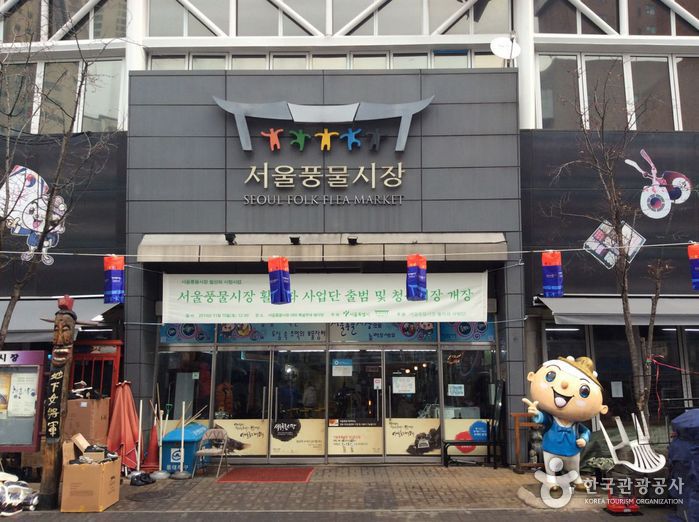
The Traditional Arts & Crafts Studio in Seoul Folk Flea Market was created to give both locals and international visitors a chance to experience the traditional arts of Korea first-hand. For international visitors, programs serve as a brief introduction to some of the finer points of Korean art. For many Koreans, the studio’s programs are ways to relive childhood memories or experience traditional culture as a family.
Kansong Art Museum (간송미술관(서울 보화각))
4.3Km 2025-06-30
102-11 Seongbuk-ro, Seongbuk-gu, Seoul
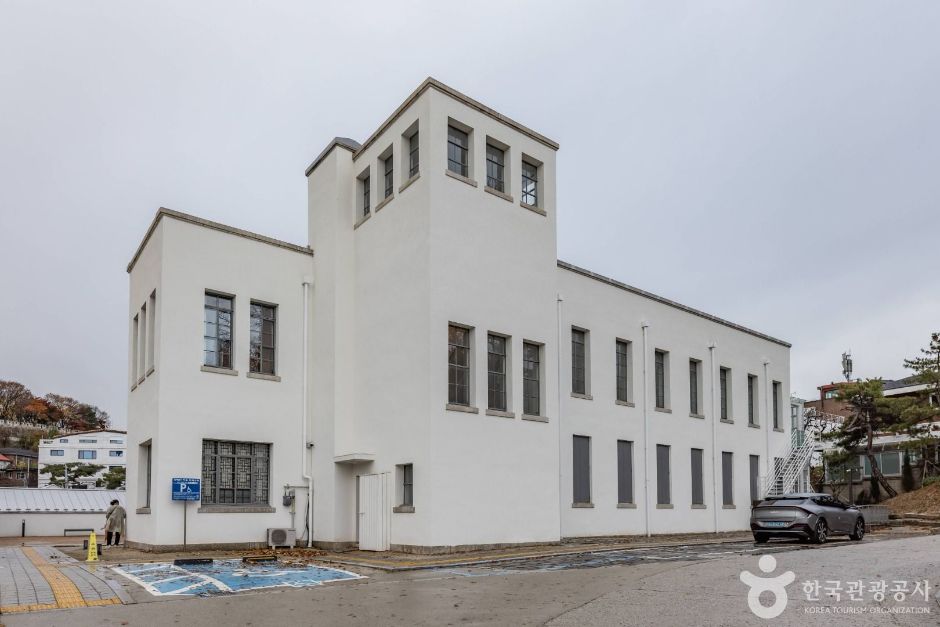
Kansong Art Museum was the first private art museum in Korea, opened as Bohwagak in 1938 by Kansong Jeon Hyeong-pil. The name was changed to the current Kansong Art Museum in 1966. Bohwagak was designated as National Registered Cultural Heritage No. 768 on December 30, 2019. Jeon Hyeong-pil dedicated his life to preserving and researching Korea’s representative relics that were devaluated and purposefully obliterated during the Japanese colonial era, as well as to acknowledging their cultural excellence and beauty. The museum houses 11 national treasures and 24 treasures.
Maria Fertility Hospital (마리아병원)
4.3Km 2025-10-23
20 Cheonho-daero, Dongdaemun-gu, Seoul
In 1967, Maria Obstetrics and Gynecology opened where the Maria Fertility Hospital (Sinseol-dong, Dongdaemun-gu, Seoul) sits today, leading to the creation of the Maria Medical Foundation. At the time, the doctor willingly visited patients' houses with an old house-call bag even in the early mornings, no matter where a patient lived. This founding spirit became the root of the hospital's principles and commitment to its services.
Maria Fertility Hospital ranks number one in in-vitro fertilization cases, accounting for approximately 30% of the total cases among fertility hospitals. The hospital opened branches so that patients can conveniently experience the medical know-how of Maria Fertility Hospital no matter where they live across the country. The branches provide optimum diagnosis of problems through close collaborations among the branches.
The hospital has become a globally renowned fertility center, going beyond its unrivaled number-one position in fertility medicine in Korea. The hospital is dedicated to finding the best solution through research, and helping infertile patients realize their dreams of having a baby to create a healthy and happy family.
Maria Fertility Hospital is moving forward with the philosophy and heritage it inherited from the Maria Medical Foundation.
Choi Sunu House (최순우 옛집)
4.3Km 2021-12-21
9, Seongbuk-ro 15-gil, Seongbuk-gu, Seoul
+82-2-3675-3401
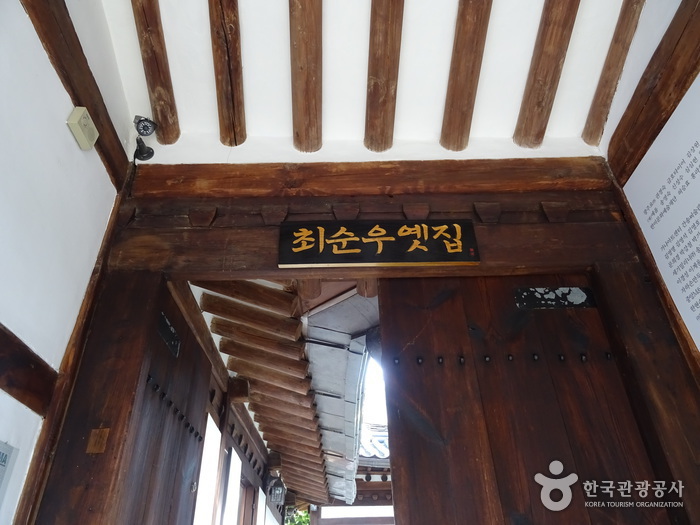
The Choi Sunu House is the old residence of Hyegok Choi Sunu (1916-1984), who lived in this house from 1976 until the day he passed away. The house is designated as Korea’s Registered Cultural Property. Choi Sunu was a leading art historian who served as the director of the National Museum of Korea. He devoted his life to rediscovering the beauty of Korean art and made many academic accomplishments in the areas of Korean ceramics, traditional woodcraft, and the history of painting.
The house has been open to the public as the Hyegok Choi Sunu Memorial Hall since 2004. The memorial hall displays Choi Sunu’s relics as a permanent exhibition and holds special exhibitions in the fall as well as cultural programs every spring and fall.
Whanki Art Museum (환기미술관)
4.4Km 2024-03-04
63, Jahamun-ro 40-gil, Jongno-gu, Seoul
+82-2-391-7701
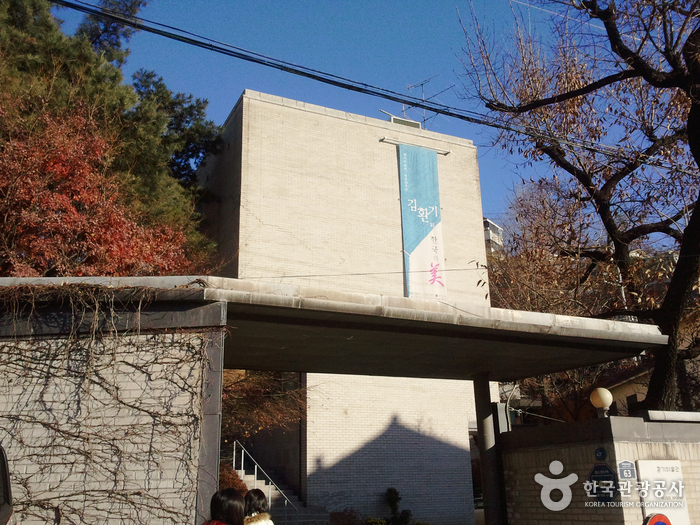
Whanki Art Museum exhibits the works of Kim Whanki (1913-1974), the pioneer of Korean abstract art. Kim was inspired by traditional features such as Korean mountains and streams, the sky, moons and clouds, the white porcelain and traditional patterns, and worked to express them in abstract forms through points, lines, and surfaces. The main collection features nearly 300 works by Kim. One can also find an art shop and a café.
Sooyeon Sanbang (수연산방)
4.4Km 2025-10-23
8 Seongbuk-ro 26-gil, Seongbuk-gu, Seoul
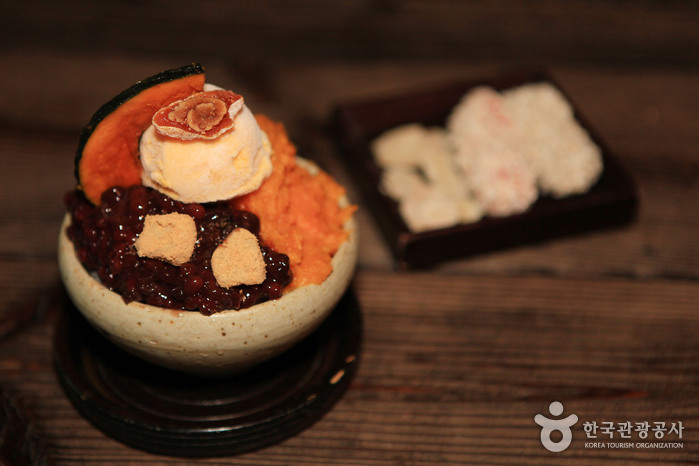
Sooyeon Sanbang is a traditional tea house located in Seongbuk-dong. It was originally built during the Japanese colonial period and was the hanok of the literary figure Lee Taejun. Today, it is operated as a tea house by the writer's granddaughter. The name Sooyeon Sanbang means "a house where literati gather in the mountains." Visitors can enjoy traditional teas such as daechucha (jujube tea) and ssanghwacha (medicinal herb tea), along with snacks like injeolmi (bean-powder-coated rice cake).
Ichon Hangang Park (이촌한강공원)
4.5Km 2025-10-23
62 Ichon-ro 72-gil, Yongsan-gu, Seoul
+82-2-3780-0551
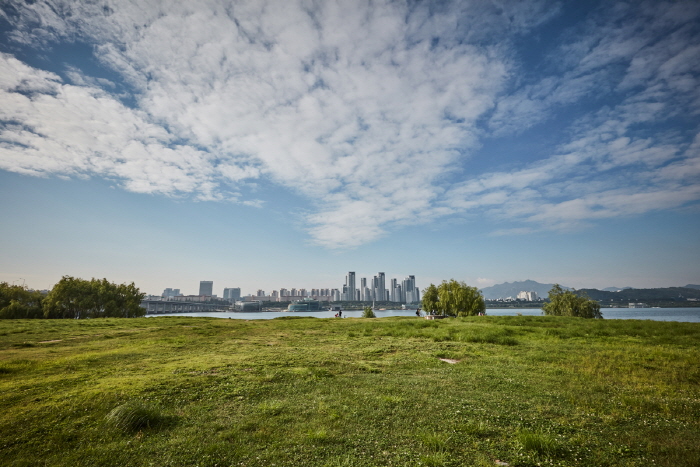
Ichon Hangang Park is built along the Hangang Park in Yongsan. From the park, one can see the Hangang River up close, and one can also find sports facilities like soccer fields, jokgu fields, inline skating rink, water sports facilities, bicycle paths, as well as a nature learning center built around a restored wetland and a lawn. One can follow the Hangangdaegyo Bridge to enter into the Nodeulseom Island, an island in the middle of the river.
◎ Travel information to meet Hallyu’s charm - TV series "Sisyphus: The Myth"
This park was featured in the TV series "Sisyphus: The Myth" as the setting where Seo Hae (played by Park Shin-hye) reflected on bittersweet memories with her father. Its expansive grounds make it an ideal spot for leisure activities such as walking, picnicking, and cultural events.
 English
 한국어
한국어 日本語
日本語 中文(简体)
 Deutsch
 Français
 Español
 Русский


