
Ewha Welcome Center (이화웰컴센터)
3.1Km 2022-09-13
52, Ewhayeodae-gil, Seodaemun-gu, Seoul
+82-2-3277-3277
Ewha Welcome Center opened in 2013 as the first promotional center and visitor center of its kind on a university campus in Korea, comprised of an information desk, exhibition lounge, and gift shop. The information desk offers useful information to help visitors get the most out of their Ewha campus experience. The exhibition lounge introduces the history, traditions, and vision of the present-day and future of the university year-round. Visitors can purchase university gear at the gift shop. Furthermore, foreign visitors can take part in a range of campus tour programs in English and Chinese for an enriching experience.
Bukjeong Village (북정마을)
3.2Km 2024-02-15
132-3 Seongbuk-ro 23-gil, Seongbuk-gu, Seoul
Bukjeong Village, situated along the slopes of Seongbuk-dong, offers a glimpse into Korea's old alleyways. The village expanded as refugees from the Korean War (1950–1953) and people from various regions settled, building houses under the collapsed walls of Hanyang doseong (Seoul City Wall). Presently, the village is home to young artists, and the broad street in front of the village bus stop hosts various community events.
Bongwonsa Temple (봉원사)
3.2Km 2023-03-13
120, Bongwonsa-gil, Seodaemun-gu, Seoul
+82-2-392-3007
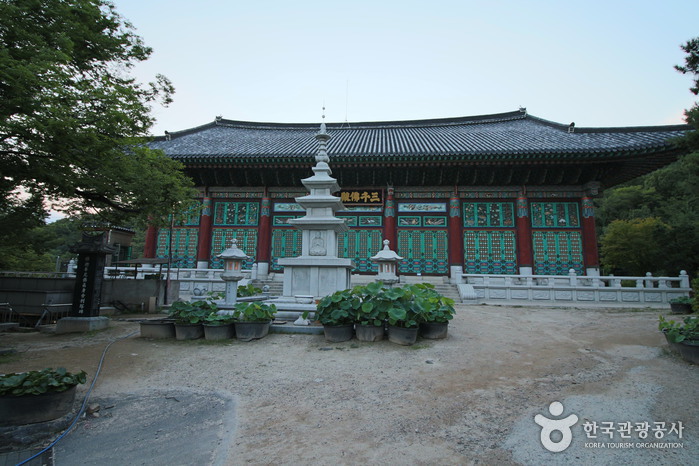
Located on the outskirts of Ansan Mountain in Bongwon-dong, Seodaemun-gu, Seoul, Bongwonsa Temple, as the center of Korean Buddhism Taego, is a thousand-year-old temple with a long history and tradition. In 889 (3rd year of Shilla Queen Jinseong’s reign), Monk Doseon founded it at the ground of Yeonhui Palace (now Yonsei Univ.) and named it Banyasa temple. It was destroyed during the Imjin War in 1592, and later in 1748 (the 24th year of Joseon King Yeongjo’s reign), it was rebuilt and renamed “Bongwonsa” by two Buddhist monks, Chanjeup and Jeungam.
“Yeongsanjae,” one of the Buddhist rituals and also a National Intangible Cultural Property, takes place at Bongwonsa on June 6 every year wishing for world peace and the reunification of North and South Korea. It was designated as one of the Intangible Cultural Heritage of Humanity by UNESCO in 2009. During Yeongsanjae, visitors can enjoy the Buddhist arts such as Beompae (Buddhist temple music for rituals) and dancing. Also, during summertime, Seoul Lotus Flower Culture Festival takes place, where visitors can enjoy the beautiful lotus flowers which are a symbol of Buddhism.
![KGC - Dongmyo Branch [Tax Refund Shop] (KGC 동묘점)](http://tong.visitkorea.or.kr/cms/resource/91/2878191_image2_1.jpg)

Grand Hyatt Seoul (그랜드 하얏트 서울)
3.2Km 2025-10-23
322, Sowol-ro, Yongsan-gu, Seoul
+82-2-797-1234
The Grand Hyatt Seoul is an international business hotel located 10 minutes away from the center of the city and 20 minutes away from Yeouido and Gangnam, boasting a view of the Hangang River to the south and the scenery of Namsan Mountain to the north. It is also located only 70 minutes and 50 minutes away from Incheon International Airport and Gimpo International Airport respecitvely, making the hotel a convenient option for international travelers.
Grand Hyatt Seoul has twelve restaurants and bars that serve authentic meals and develop menus that lead the culinery trend. The hotel is also equipped with conference rooms, sports facilities, and spa services.
Medical Avenue ((주)메디컬애비뉴)
3.2Km 2025-10-23
(#1433, Mapo T Town), 144 Mapo-daero, Mapo-gu, Seoul
Since its inception in 2014, Medical Avenue has been a leading medical agency, providing world-class healthcare services in Korea to patients from around the globe. Our deep understanding of patients' cultural backgrounds and the Korean medical system allows us to minimize language and cultural barriers through the support of professional interpreters and multicultural coordinators. This dedication has resulted in over 5,000 patients receiving stable treatment with a satisfaction rate that boasts over 98% returning patients. Medical Avenue is committed to ensuring that patients receive comfortable and trustworthy care, continually striving to deliver the best medical services available.
![Olive Young - Gongdeok Park Palace Branch [Tax Refund Shop] (올리브영 공덕파크팰리스)](http://tong.visitkorea.or.kr/cms/resource/66/2889666_image2_1.jpg)
Olive Young - Gongdeok Park Palace Branch [Tax Refund Shop] (올리브영 공덕파크팰리스)
3.2Km 2024-04-18
1F, 143, Mapo-daero, Mapo-gu, Seoul
-
![Moggoji [Korea Quality]모꼬지[한국관광 품질인증]](http://tong.visitkorea.or.kr/cms/resource/05/2991305_image2_1.jpg)
Moggoji [Korea Quality]모꼬지[한국관광 품질인증]
3.2Km 2023-08-31
13-6, Hyehwa-ro 16-gil, Jongno-gu, Seoul
+82-10-9389-2837
Moggoji is a hanok guesthouse in Hyehwa-dong, Daehak-ro, Jongno-gu, Seoul. Located just 10-minutes' walk from Hansung University Subway Station, it’s convenient for public transportation. There are four guestrooms, all equipped with air conditioning. Nearby are many must-visit Seoul attractions, including fashionable Daehangno, Changgyeonggung Palace, and Cheonggyecheon Stream.
Supsok Hanbang Land (숲속한방랜드)
3.2Km 2024-03-18
75-7 Bongwonsa-gil, Seodaemun-gu, Seoul
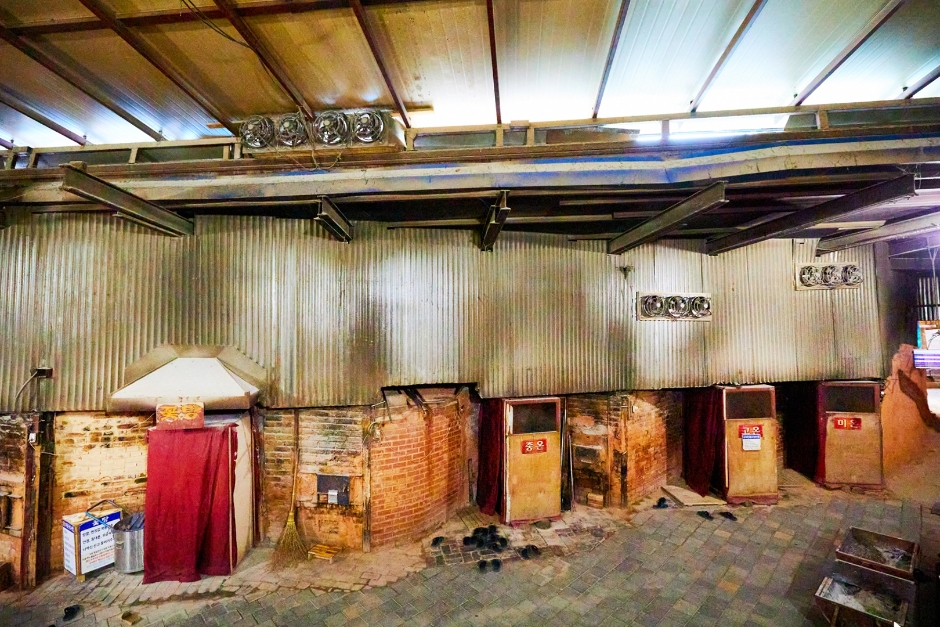
Jjimjjilbang, a Korean-style sauna that combines a traditional bathhouse with a hot steam room, is often ranked high among the unique experiences in Korea chosen by foreigners. Taking a steam bath in a charcoal kiln discharges waste products from the skin through sweat and eliminates accumulated fatigue. Supsok Hanbang Land has several charcoal kilns for different temperatures. Using them in order from low to high-temperature rooms is good, but the highest-temperature room, “Kkottang,” has a risk of causing skinburn, so visitors are advised to wear socks and cotton gloves to enter the room. Another unique experience is to grill sweet potatoes or rice cakes on the brazier in front of the charcoal kiln.
Zaha Museum (자하미술관)
3.3Km 2021-03-09
46, Changuimun-ro 5ga-gil, Jongno-gu, Seoul
+82-2-395-3222
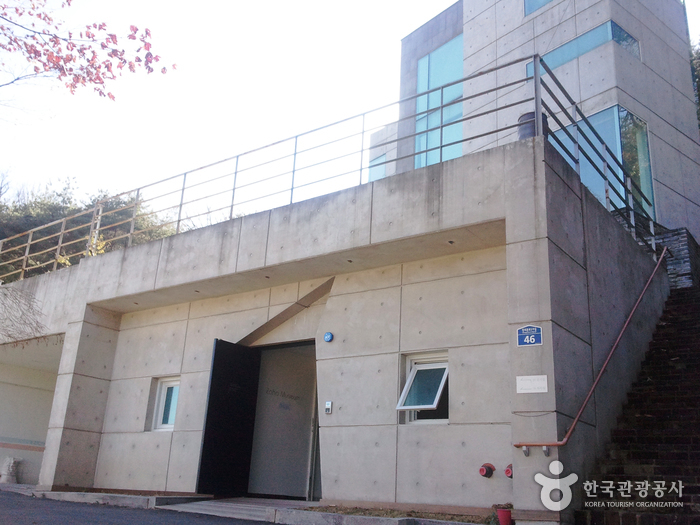
Located in Buam-dong, Jongno-gu, Zaha Museum is the highest art gallery in Seoul. Reaching
the museum involves a bit of an uphill walk, but the breathtaking scenery that includes Bugaksan Mountain and Inwangsan Mountain makes it worth the effort.
Opened on March 1, 2008, the two-story museum exhibits experimental works of young artists. There are two exhibition halls and a small garden on the second floor with a great view of the mountains.
 English
 한국어
한국어 日本語
日本語 中文(简体)
 Deutsch
 Français
 Español
 Русский


