Skylift (스카이리프트)
14.9Km 2025-11-11
102 Daegongwongwangjang-ro, Gwacheon-si, Gyeonggi-do
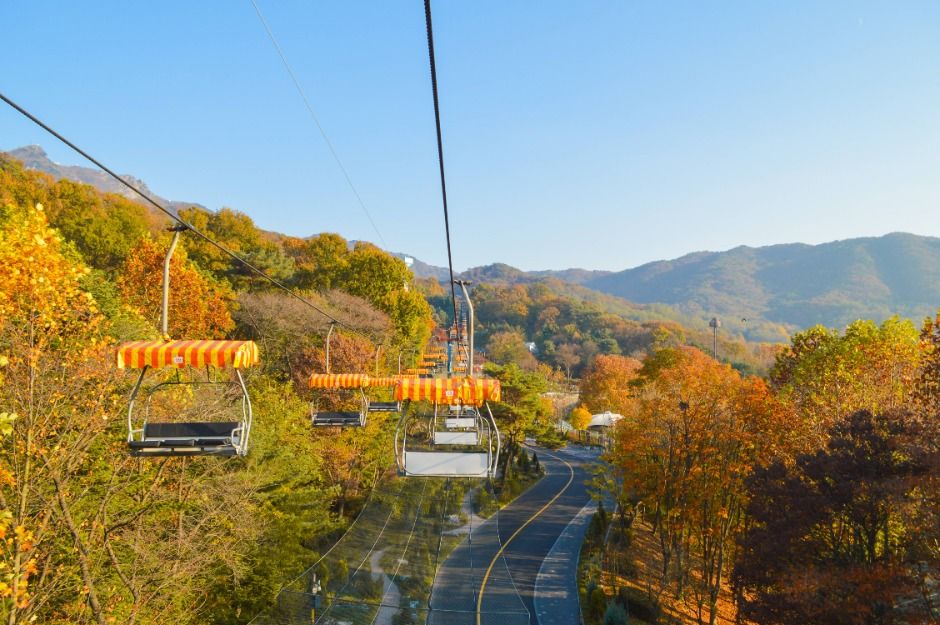
The Seoul Grand Park Skylift is an experiential transportation and tourist facility that operates within Seoul Grand Park. It consists of two lines, Line 1 and Line 2, and operates from the entrance of Seoul Grand Park to the north gate of the zoo, and from the north gate of the zoo to the top of the carnivore animals zone, respectively. It serves to connect major tourist destinations such as the zoo, themed gardens, and children's zoo, allowing visitors to move around efficiently. Visitors can also enjoy the natural scenery of Seoul Grand Park's lakes, forests, and flower paths while traveling on the lift. Available all year round, visitors can enjoy seasonal scenery such as cherry blossoms in spring, greenery in summer, autumn leaves in fall, and snowy landscapes in winter.

National Women's History Exhibition Hall (국립여성사전시관)
15.0Km 2021-09-23
50, Hwajung-ro 104beon-gil, Deogyang-gu, Goyang-si, Gyeonggi-do
+82-31-819-2288
The National Women’s History Exhibition Hall opened on December 9, 2002 in Daebang-dong, Seoul, but was moved to its current location in Goyang, Gyeonggi-do on September 1, 2014. The hall uses both traditional display techniques as well as creative media art to showcase the history and culture of women in Korea. The exhibition hall aims to give women their rightful place in Korean history, in addition to enhancing women’s sense of pride and expand gender equality through various activities, including public education programs and special exhibitions.
Buramsan Mountain (불암산)
15.1Km 2021-04-23
22, Deongneung-ro 130ga-gil, Nowon-gu, Seoul
+82-2-2116-3943
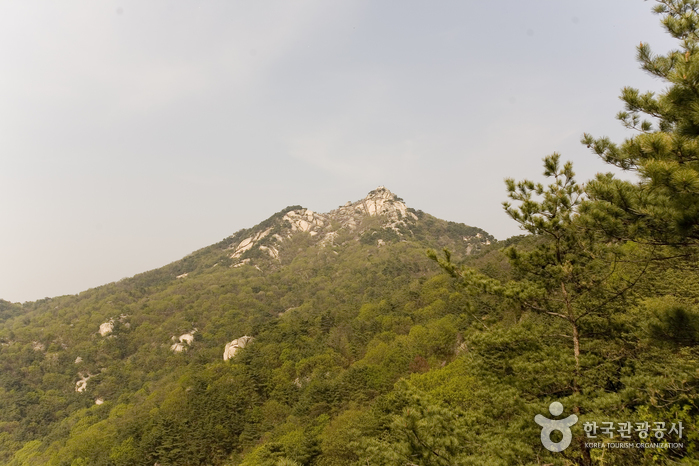
Buramsan Mountain is an 508-meter high rock mountain, drawing the border between Junggye-dong and Sanggye-dong in Nowon-gu and Byeolnae-myeon in Namyangju.
The total area is approximately 5,355,396 square meters and was designated as a city nature park in 1977. The mountain is named after its appearance that resembles Buddha wearing songnak (headgear) and is also referred to as Cheonbosan or Piramsan Mountain. The ridge stretches long enough to enjoy the scenery and it's an easy hike because it is not too steep. In particular, the stunning view of Seoul at night unfolds at the top of the mountain.
Buramsanseong Fortress is located 420 meters above sea level and the rock cliffs are often used as rock climbing spots. There are also various hiking trails and about ten springs to get fresh mineral water. Burampokpo Falls is popular in winter among ice climbing enthusiasts.
Godeok-dong Ecological Landscape Conservation Area (고덕동 생태경관 보전지역)
15.1Km 2021-06-10
Area of 396beon-ji, Godeok-dong, Gangdong-gu, Seoul
+82-3780-0848
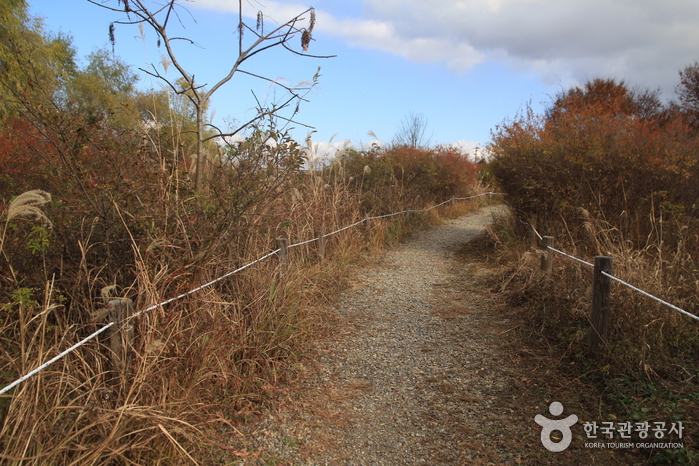
Located next to the Godeok Riverside Restoration Area, the Godeok-dong Ecological Landscape Conservation Area is one of the most well-maintained ecological preservation sites in Seoul. The area includes Amsa Sluice Gate, Hoan, and Hangang River Reservoir. The area offers educational facilities for visitors to learn more about the ecosystem.

Seoulland Sledding Hills (서울랜드 눈썰매장)
15.1Km 2022-11-22
Makgye-dong, Gwacheon-si, Gyeonggi-do
+82-2-509-6000
Seoulland Sledding Hills offers two slopes, one for children (50 meters long) and another for adults (120 meters long). Amenities include food stands that sell various foods, including eomuk (fish cake) soup, resting lounge and medical office. Various performances are also prepared to entertain visitors at the main stage nearby the sledding hill.
Gwangmyeong Indoor Gymnasium (광명시민체육관)
15.2Km 2024-02-20
703 Ori-ro, Gwangmyeong-si, Gyeonggi-do
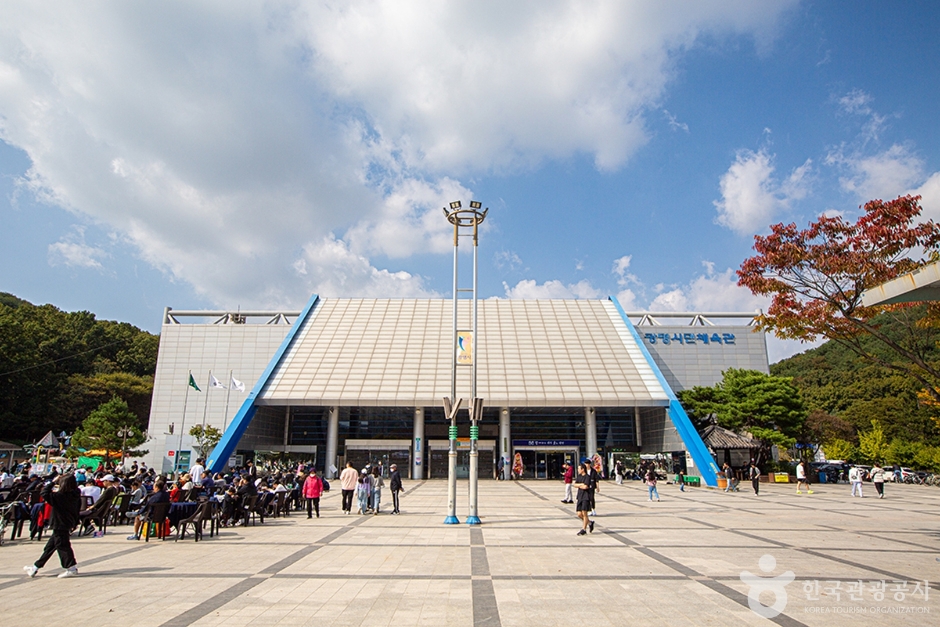
Gwangmyeong Indoor Gymnasium is a stadium equipped with seating for 3,000 spectators. It houses facilities for physical training, including golf, fitness, and table tennis. The spacious and vibrant lawn plaza immediately draws attention. This complex includes an open art hall for performances, sports facilities like an inline bicycle track and basketball courts, and amenities such as a children's playground and an outdoor water play area. Additionally, it features a 16-meter-high artificial rock-climbing wall.
Ogeum Park (오금공원)
15.2Km 2025-01-17
363 Ogeum-ro, Songpa-gu, Seoul
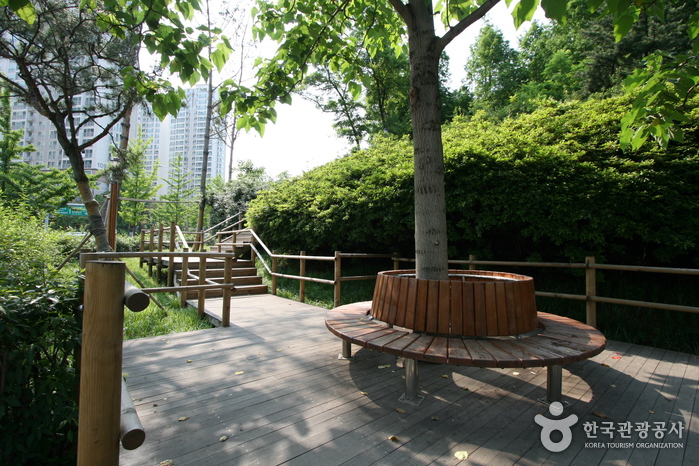
Ogeum Park is a park created by cultivating a mountain with an altitude of 200 meters, providing a panoramic view of Seoul's Songpa district. The park features walking trail, various exercise equipment, and facilities such as badminton and tennis courts. The lawn bowling court is available for use by reservation. There is a toddler forest experience ground and an adventure playground for children, offering activities like rope climbing, rock climbing, net climbing, slides, and spider web climbing.
Sammaksa Temple (삼막사)
15.3Km 2024-02-07
478 Sammak-ro, Manan-gu, Anyang-si, Gyeonggi-do,
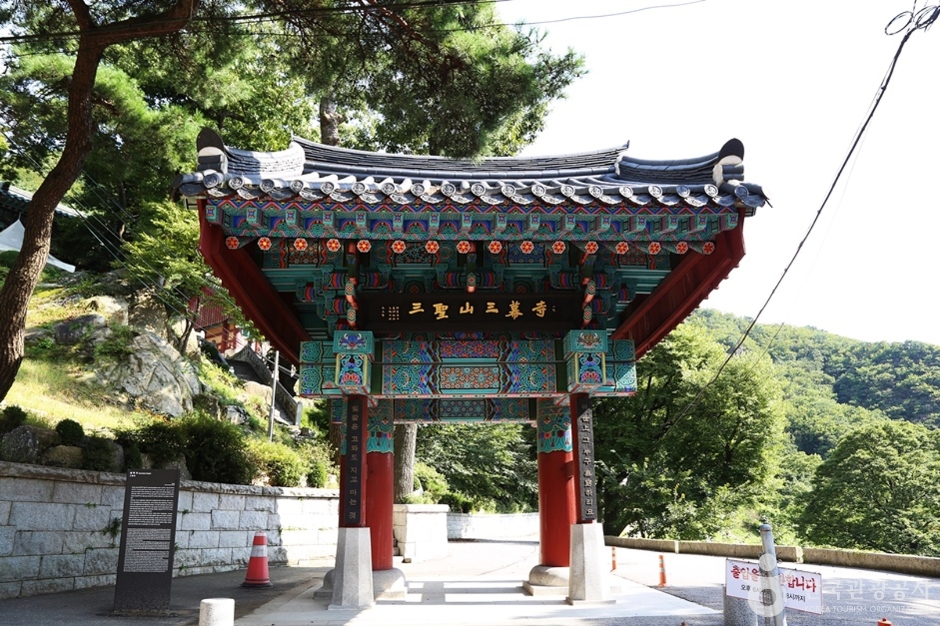
Sammaksa Temple is a Buddhist temple located in Samseongsan Mountain. Legend has it that the temple was established in 667 by Wonhyo, a Buddhist philosopher from the Silla era. Within the temple grounds are Cheonbuljeon Hall, Yukgwaneumjeon Hall, Myeongbujeon Hall, Manghaeru Pavilion, Chilbogak House, among others. The temple holds heritages like the Rock-carved Buddha Triad and the Fertility Stones. These artifacts, symbolizing the fusion of Buddhism and folk religion, highlights the ancient nature of the place.
Iryeong Station (일영역)
15.4Km 2025-12-16
25 Iryeong-ro 647beon-gil, Jangheung-myeon, Yangju-si, Gyeonggi-do
Iryeong Station is a train station that once served the Gyooe Line north of Seoul.
Passenger services ceased in 2004, and after the station master retired in 2013, it saw only occasional freight traffic before closing. In 2025, plans to reopen the line led to the restoration and reopening of the original station building, which now also houses a tourist information center displaying artifacts that showcase the railway line's past.
With its weathered signs and grass growing along the tracks, Iryeong Station has become a memorable tourist destination accessible from Seoul and a filming location for many movies, commercials, and music videos. One notable example is the 2001 film "My Sassy Girl (2001)," in which The Girl (Jun Ji-hyun) and Gyeon-woo (Cha Tae-hyun) bury a time capsule together at the station before going their separate ways.
Dodeoksan Suspension Bridge (도덕산 출렁다리)
15.4Km 2025-11-06
317-80 Gwangmyeong-dong, Gwangmyeong-si, Gyeonggi-do
Dodeoksan Suspension Bridge is located in Dodeoksan Park, which serves as a resting place and a light hiking course for citizens of Gwangmyeong. Dodeoksan Park has a well-maintained wooden walkway, and the slope is not too steep, so anyone can walk safely there. It is about 400 meters from Dodeoksan Park parking lot to Dodeoksan Suspension Bridge, allowing one to reach the bridge at a leisurely pace on foot. The bridge is in a Y-shape and 82 meters long in total and has an artificial waterfall under the midpoint of the bridge, giving a thrilling yet refreshing experience.
 English
 한국어
한국어 日本語
日本語 中文(简体)
 Deutsch
 Français
 Español
 Русский


