Sejong-ro Park (세종로공원)
665.4M 2022-08-31
jiha 189, Sejong-daero, Jongno-gu, Seoul
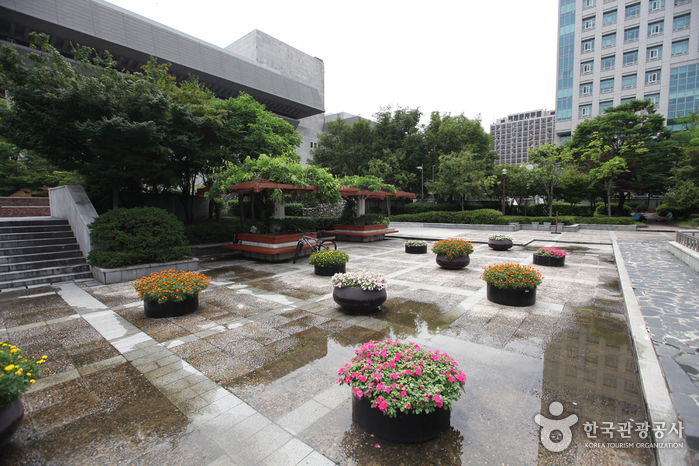
Sejong-ro Park is located next to Sejong Center for the Performing Arts in central Seoul. Inside the park, there are wooden benches and shaded areas where people can sit and relax. Also available are water fountains, a round outdoor stage, and various sculptures. The lunch crowd from the nearby office buildings often come to the park during weekdays. On the weekends, the park is also used as a venue for outdoor weddings.
Seoul's anthem and the poem "Bulnori" by Ju Yo-han are written on a memorial stone that can be found inside the park.

Jogyesa Temple (조계사(서울))
667.7M 2024-10-25
55 Ujeongguk-ro, Jongno-gu, Seoul
As the main temple as well as the district head temple of the Jogye order in Seoul, Jogyesa Temple is the center of Korean Buddhism. The temple was built in the late 14th century during the Goryeo period but was completely destroyed in a fire. It was rebuilt under the name of Gakwangsa Temple in 1910 with the effort of many respectful monks, namely Han Yong-un and Lee Hee-gwang. The temple was given a role as the head temple of Korea’s Buddhism and renamed to Tegosa Temple in 1936. In 1954, a purification drive took place to eliminate Japanese influence and revive traditional Buddhism, which established the present day Jogyesa Temple as a result.
Jogyesa Temple plays an important role in Korean Buddhism as the head temple of the Jogye order. Jogyesa Temple’s Dharma Hall serves as the main venue for several Buddhist events, holding rituals, lectures, ceremonies, and other events all year long. The annual lantern festival in celebration of Buddha's birthday also takes place at this temple.
Bank of Korea Money Museum (화폐박물관)
676.9M 2024-03-18
39 Namdaemun-ro, Jung-gu, Seoul
This Renaissance-style three-story stone building is the museum of the Bank of Korea. The older Bank of Korea was established as the central bank of the Korean Empire in 1909 and has been designated as a National Historical Site. During the Japanese colonial period, the bank was renamed the Bank of Joseon, and the building was used as the main and head office of the Bank of Korea until 2001. The building has been used as the nation’s Money Museum since June 2001 in celebration of the 50th anniversary of the Bank of Korea. The museum has 13 exhibition rooms on two floors, with one basement floor and two above-ground floors. It holds special exhibitions of various currency and art collections to provide domestic and foreign visitors with the opportunity to enjoy the history and culture of currency. Visitors can learn about the Bank of Korea and the central banking system, as well as how to identify counterfeit notes and how money is produced and circulated. It is also a good place for children to learn about currencies from around the world. Advance reservations are required, and parking is not available. The museum can easily be reached via subway by getting off at Hoehyeon Station (Seoul Subway Line 4) and exiting through Exit 7.
Seoul Museum of Art (서울시립미술관(서소문본관))
680.0M 2024-06-19
61 Deoksugung-gil, Jung-gu, Seoul
The Seoul Museum of Art (SeMA) is a space for all to meet and experience the joy of art. Located in the center of Jeong-dong, a district that retains traces of Seoul’s modern and contemporary history, the museum integrates the historical facade of the former Supreme Court with modern architecture. In addition to various programs―encompassing exhibitions, educational outreach initiatives, screenings, workshops, performances, and talks, communal spaces including SeMA Cafe, the artbook store, the open space lobby, and the outdoor sculpture park SeMA WALK provide a rich range of ways for visitors to experience art.
YallaKOREA (얄라코리아)
692.5M 2025-10-23
#700, The Salvation Army Building, 69 Saemunan-ro, Jongno-gu, Seoul
YallaKOREA is a medical tourism agency specialized in serving Arab patients, providing medical services since 2016 for those wishing to visit plastic surgery and dermatology clinics in Korea. For patients undergoing surgery, it offers customized services including medical interpretation, private transportation, hotel reservations, airport pick-up and drop-off services, and daily tours. With years of experience and a deep understanding of Arab culture, it ensures safe and convenient medical tourism.
Seoul International Writers' Festival (서울국제작가축제)
696.0M 2025-07-30
26 Insadong 9-gil, Jongno-gu, Seoul
+82-70-8826-5207
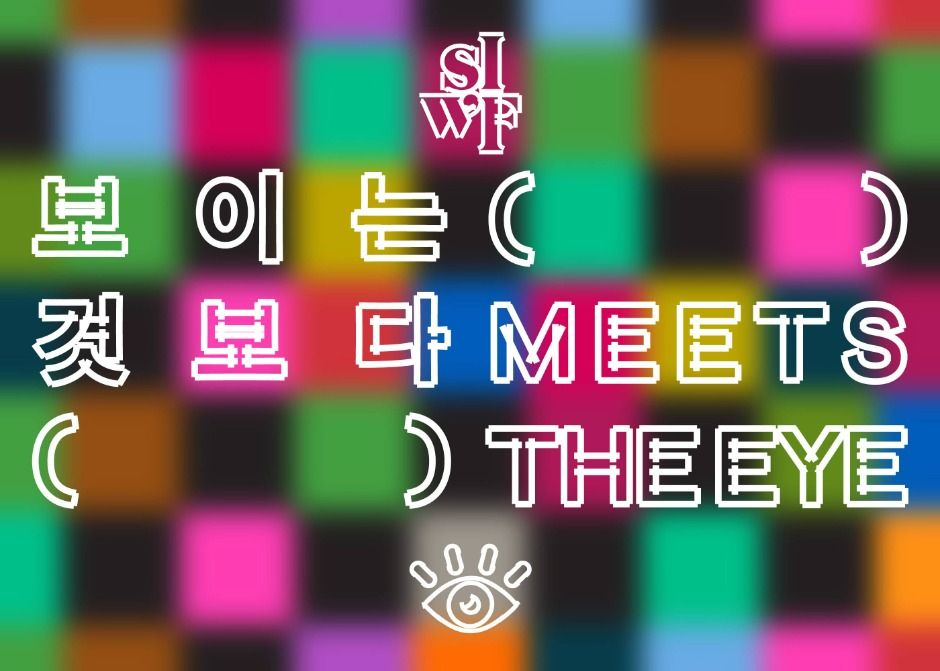
Seoul International Writers' Festival was founded in 2006 with aims to lay a foundation for connecting Korean literature and international literature. This year's theme is "() Meets the Eye," inviting attendees to explore the beauty of literature that is much more than meets the eye.
Gwanghwamun Hanokjip (광화문한옥집)
707.0M 2024-10-15
7, Saemunanro5ga-gil, Jongro-gu, Seoul
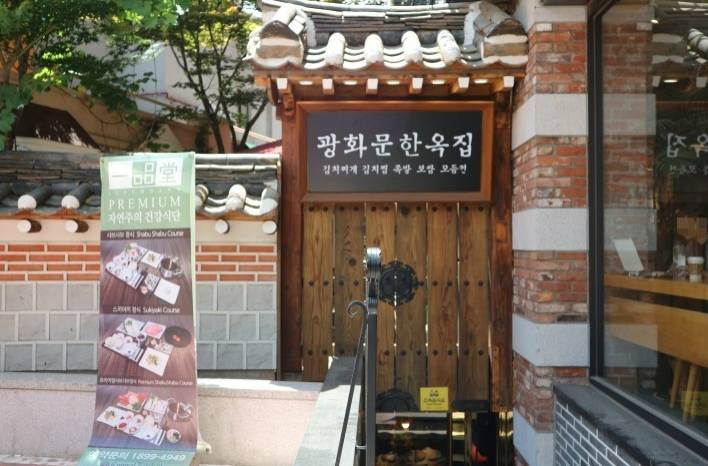
A store with rooms reproducing a traditional kitchen. The best menu at this restaurant is napa wraps with pork. This is a Korean cuisine located in Gwanghwamun Gate, Seoul.
Templestay Information Center (템플스테이 홍보관)
720.1M 2022-10-17
56, Ujeongguk-ro, Jongno-gu, Seoul
Templestay Information Center offers various information and services regarding templestays and temple meals for domestic and international visitors. The center also operates traditional cultural experiences, such as tea time with a Buddhist monk, traditional culture activities and more.
NKDB North Korean Human Rights Exhibition Hall (북한인권전시실)
724.6M 2025-11-13
393 Samil-daero, Jongno-gu, Seoul
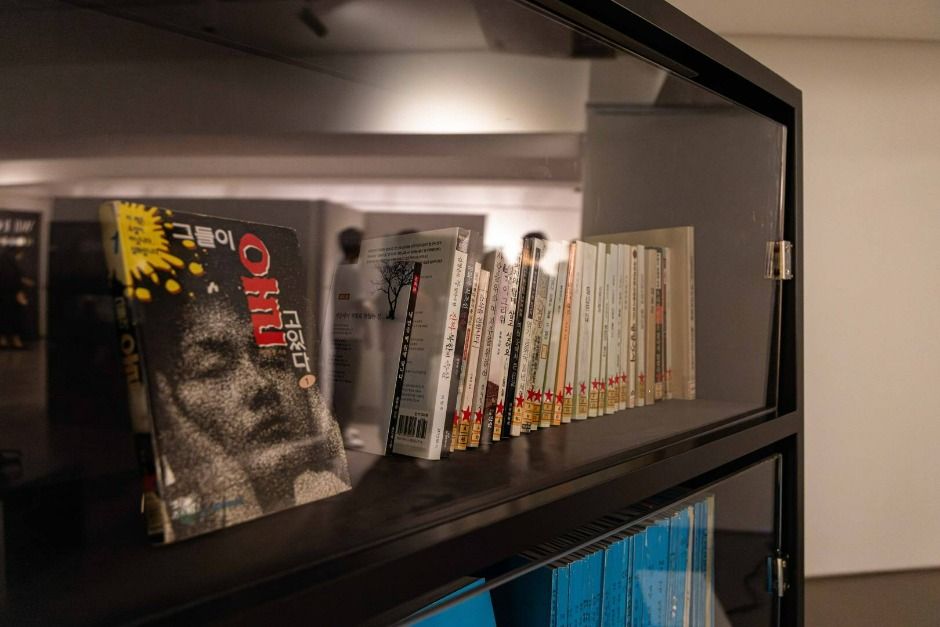
The NKDB North Korean Human Rights Exhibition Hall is a permanent exhibition space dedicated to North Korean human rights. Although it is a small space, it resonates deeply and serves as a "dark tourism" site that records and testifies to the ongoing reality of human rights violations in North Korea. The North Korean Human Rights Information Center (NKDB), which operates this exhibition hall, is the organization that collects and archives the most extensive records of human rights concerning North Korean residents in the world. The testimonies and records presented here represent a living history, a story unfolding in the present, unavailable elsewhere. Through donated North Korean artifacts, including these records, visitors can glimpse the present-day North Korea and encounter artwork by North Korean defectors.
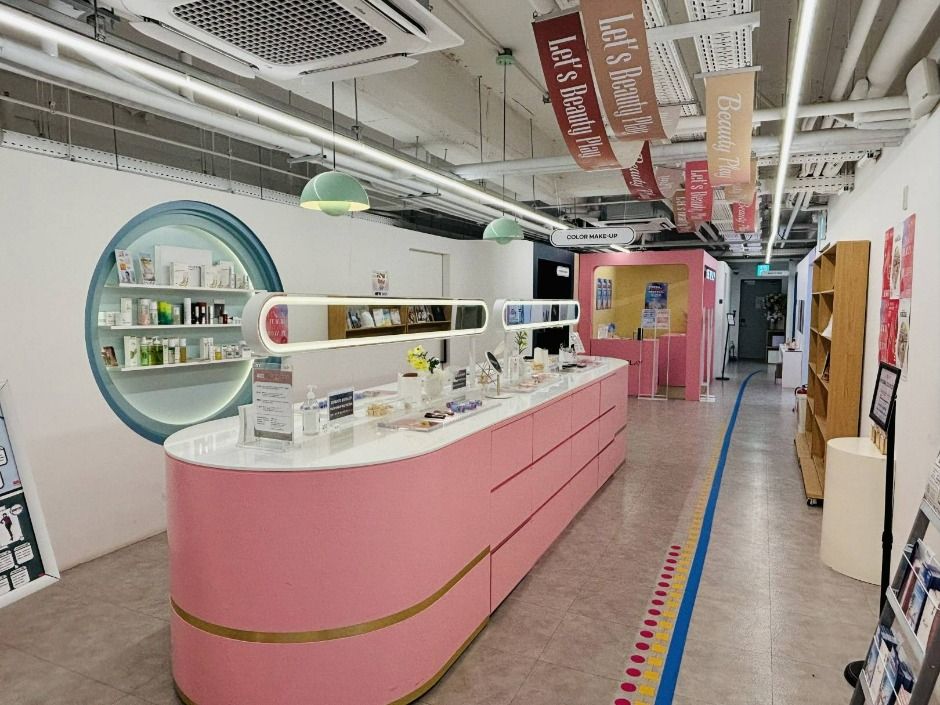
Beauty Play (뷰티플레이)
741.0M 2025-11-14
73 Myeongdong-gil, Jung-gu, Seoul
Beauty Play is a K-beauty experience center operated by the Korea Cosmetics Industry Institute and supported by the Ministry of Health and Welfare. It offers a wide variety of sample Korean beauty products for testing as well as diverse beauty experience programs such as makeup touch-up service (choice of base, eyes, or lips), personal color test, and skin evaluation. Visitors can also ask for product recommendation based on their skin type or skincare concerns. Beauty Play also frequently hosts free one-day classes, which are announced online via its official website. It also hosts a variety of sample product giveaway events and the exhibited products get changed every two months, allowing visitors to get familiarized with lesser known quality products as well.
 English
 한국어
한국어 日本語
日本語 中文(简体)
 Deutsch
 Français
 Español
 Русский


