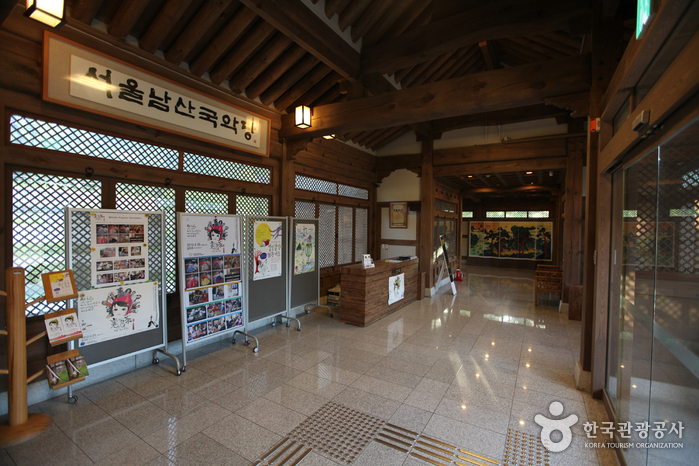
Seoul Namsan Gugakdang (서울 남산국악당)
1.5Km 2021-08-02
28, Toegye-ro 34-gil, Jung-gu, Seoul
Seoul Namsan Gukakdang was established by Seoul Metropolitan Government as a representative traditional art-centered performance hall in 2007. It is comprised of one ground and two basement levels. The performance hall is located on the basement floor with 300 seats, equipped with facilities that deliver pansori sounds and gayageum music to every seat. Visitors can make a reservation at the Namsangol Hanok Village website.

GONGGAM HL MANAGEMENT Co., Ltd. ((주)공감에이치엘 매니지먼트)
1.5Km 2025-11-06
#B119, 59 Donhwamun-ro 11ga-gil, Jongno-gu, Seoul
JDI International is a company engaged in international patient attraction business.
We welcome patients from the United States, Europe, China, Russia, and Southeast Asia.
We provide foreign patients with reliable medical care in Korea and provide information on medical products that combine personalized care and tourism.
We specialize in providing customized medical services to foreign patients through partnership with various hospitals in Korea.
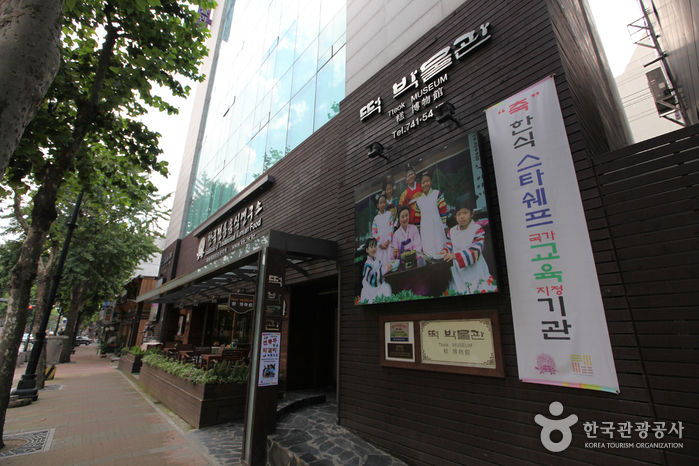
Tteok Museum (떡박물관)
1.5Km 2021-09-29
71, Donhwamun-ro, Jongno-gu, Seoul
The Tteok Museum displays over 2,000 Korean kitchen utensils and tteok (rice cake) related items, arranged by various themes. The displayed utensils are handmade household necessities that are ingenuous, yet reveal the lifestyle of the working class. The elderly may relive fond childhood memories and the younger generation can experience the wisdom of ancestors through the rare kitchen utensils.
Sewoon Plaza (세운상가)
1.5Km 2025-12-16
159 Cheonggyecheon-ro, Jongno-gu, Seoul
Makercity Sewoon is Korea's first comprehensive electronics market, established in 1968 and has a 40-year history. As a mecca in the urban electronics industry area located in Jongno, the center of Seoul, you can purchase various electronic products here.
Since 2014, Seoul's urban regeneration project has been underway, and a pedestrian overpass, rooftop observatory, plaza, and Makers Cube, where you can experience the 4th industrial revolution, have been created to provide unique attractions.
◎ Travel Information to Discover Hallyu’s Charm - K-Drama "Vincenzo (2021)"
"Vincenzo" depicts the story of Vincenzo (Song Joong-ki), an Italian mafia lawyer who teams up with the tenants of “Geumga Plaza” to protect a hidden stash of gold in the building from a powerful force. The building appearing as “Geumga Plaza” in the drama is none other than Seoul's Sewoon Plaza. Its retro-style aesthetic adds a unique ambience to the show and makes its scenes even more memorable.
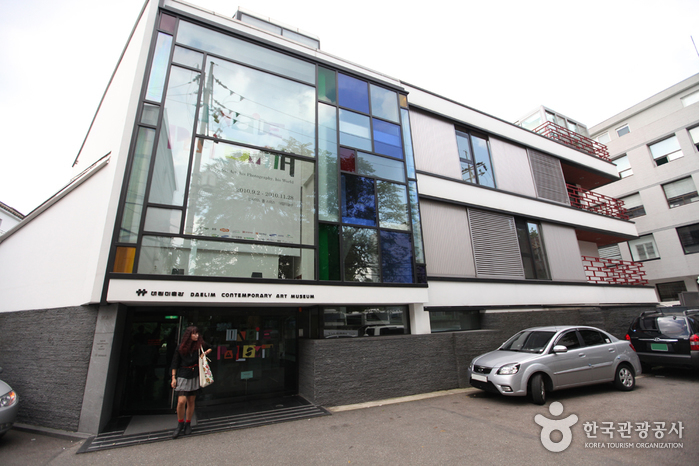
Daelim Museum (대림미술관)
1.5Km 2022-07-29
21, Jahamun-ro 4-gil, Jongno-gu, Seoul
The Daelim Museum, built by the Daelim Group, was first established in Daejeon in 1996 and later moved to Jongno, Seoul in 2002. The art gallery studies, analyzes, and presents modern art through the lens of photography and holds exhibitions centered around photo media.
The museum is located in the residential area of Tongui-dong, near the time-honored Gyeongbokgung Palace. The museum, which was designed by French architect, Vincent Cornu, and built by the Daelim Corporation, opened its door to the public in late May 2002.
On the first floor, there is a garden, parking lot, reception desk, storage area, and conference room. On the second and third floor are offices and exhibition hall approximately 595 m² in size, consisting of small and large rooms, a long gallery, and a special high-ceilinged exhibition space. On the fourth floor, there is a seminar room that can seat up to 120 guests and a balcony with a beautiful view. From the balcony of the seminar room, Visitors can also enjoy a wide open view of Inwangsan Mountain and Bukhansan Mountain. The stained glass panels (designed to reflect the beauty of traditional Korean wrapping cloth) and the scenic lounges on the 2nd and 3rd floors of the building add to the overall charm.
Above all else, the museum was designed with consideration of the photos, which are very sensitive to humidity, light, and temperature.
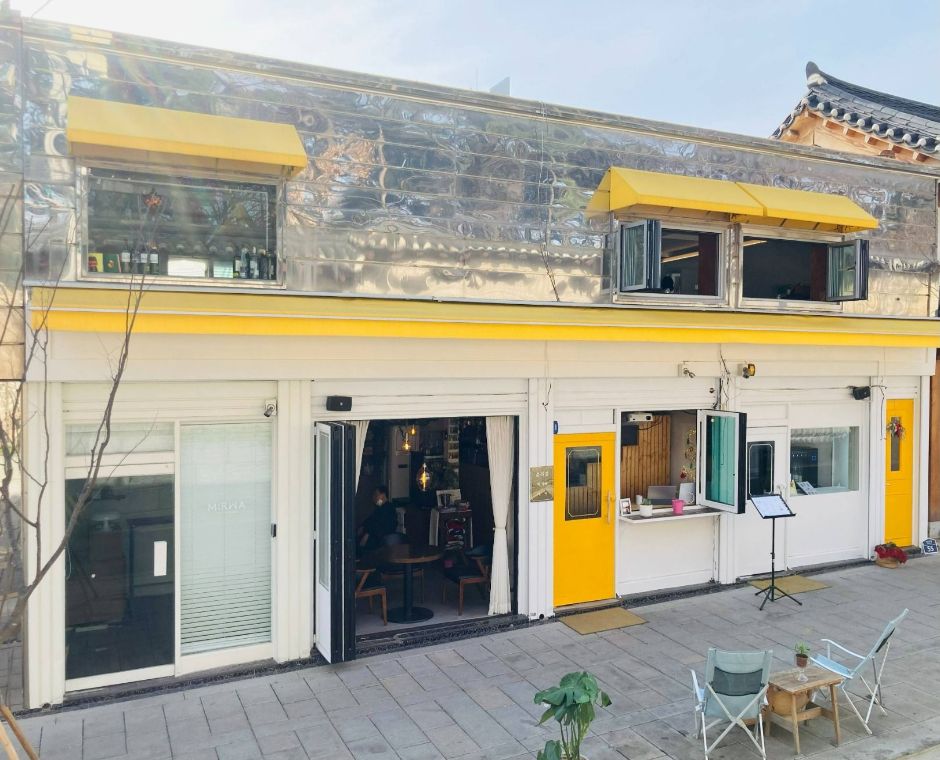
Sulla-gil Yeah Café & Bibi (순라길 예 & 비비)
1.5Km 2025-01-23
55 Seosulla-gil, Jongno-gu, Seoul
Situated in Sulla-gil, the Sulla-gil Yeah Café & Bibi is a roaster café where each bean is handpicked. It also offers a range of wine selections. The café is a perfect place to relax after exploring downtown Seoul. The cozy atmosphere of the café with the added charm of the stone wall visible from café, makes visitors feel at ease and relaxed. The evenings here turn into a music and movie session, adding a lively atmosphere to the space.
Seoul Hanok Stay (JNP Stay) (서울한옥스테이(jnpstay))
1.5Km 2024-10-30
7-28 , Jahamun-ro 1na-gil, Jongno-gu, Seoul
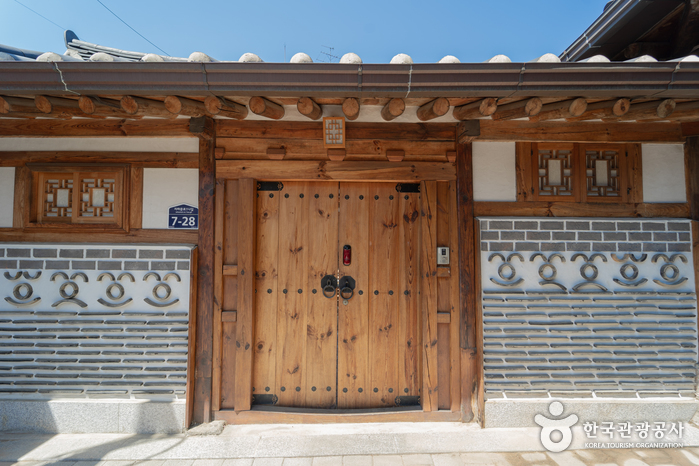
Seoul Hanok Stay (JNP Stay) is a private hanok stay located 3 minutes' walking distance from Gyeongbokgung Station. You can play traditional Korean games such as jejichagi (hacky sack), yut nori (board game), and tuho (arrow-throwing) in the yard, and cooking barbecue adds to the charm of the hanok. From the yard, you can enjoy the sky view, feel the gentle breeze, and observe raindrops falling from the eaves.
Haepungbuwongun Yun Taekyeong's Jaesil (해풍부원군윤택영댁재실)
1.5Km 2021-11-10
28, Toegye-ro 34-gil, Jung-gu, Seoul
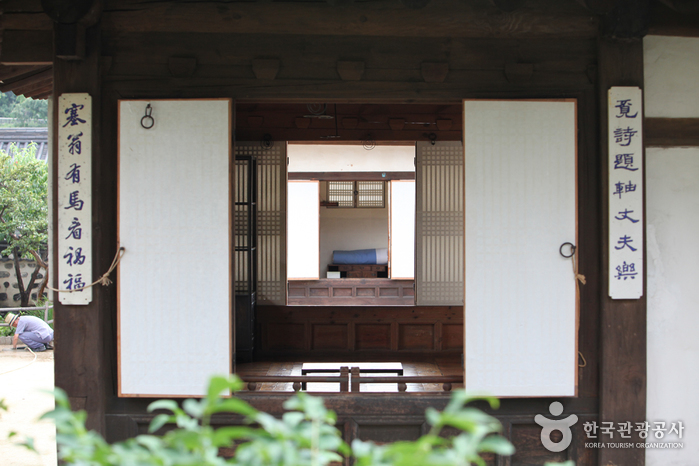
Haepungbuwongun Yun Taekyeong's Jaesil is a shrine house built by the father-in-law of King Sunjong of Joseon dynasty in 1906 when his daughter was proclaimed the crowned princess of Joseon and entered Changdeokgung Palace to later become Queen Sunjeong. Red pine trees salvaged from the demolition of Gyeongungung Palace were used to construct the house. It was originally located in Jegi-dong, Dongdaemun-gu, but was later restored and moved to its present location. The shrine of the house that was destroyed in 1960 was also restored.
Because the house is more of a shrine rather than residential living quarters, it has many unique features. For example, unlike other houses, it has the anchae (women’s quarters) located across from sarangbang (men’s quarters) with daecheong (living room) positioned between them.
Ground Seesaw Seochon (그라운드시소 서촌)
1.5Km 2023-01-17
18-8, Jahamun-ro 6-gil, Jongno-gu, Seoul
Ground Seesaw is a cultural complex located in Seochon, Jongno presented by Media & Art, an exhibition production company, and designed by SoA, an architecture firm, and Loci Studio, a landscaping studio. Visitors are able to check out a variety of exhibits at Ground Seesaw Seochon.
K-Royal Culture Festival (궁중문화축전)
1.5Km 2025-07-29
161 Sajik-ro, Jongno-gu, Seoul
+82-1522-2295
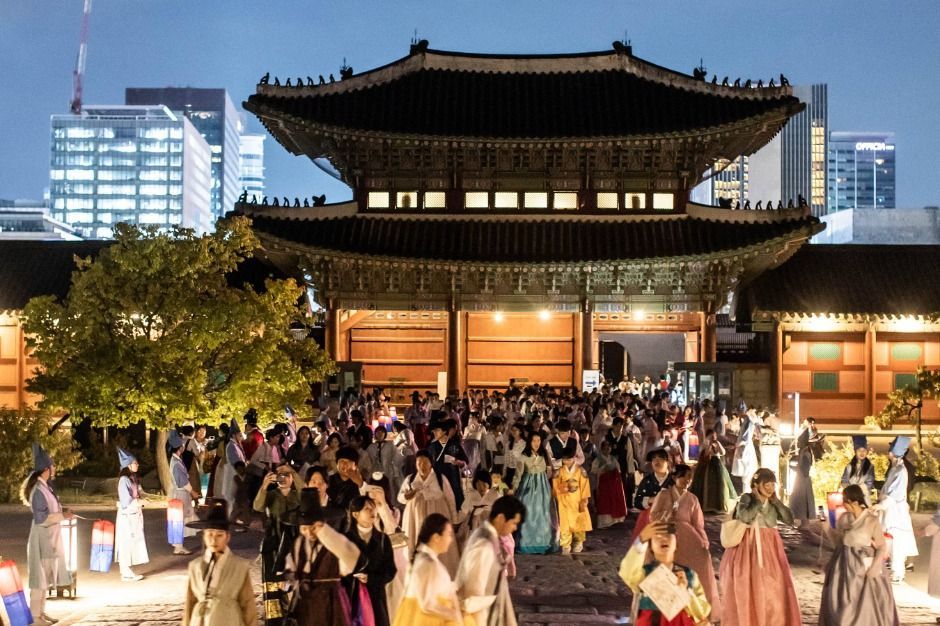
The K-Royal Culture Festival is held at the five Royal Palaces and Jongmyo Shrine. The festival first began in 2014 and provides visitors with first-hand knowledge of these important cultural heritages through unique performances, exhibitions, experiences and programs. The festival expanded in 2021 to be hosted twice a year, in spring and in fall.
 English
 한국어
한국어 日本語
日本語 中文(简体)
 Deutsch
 Français
 Español
 Русский


