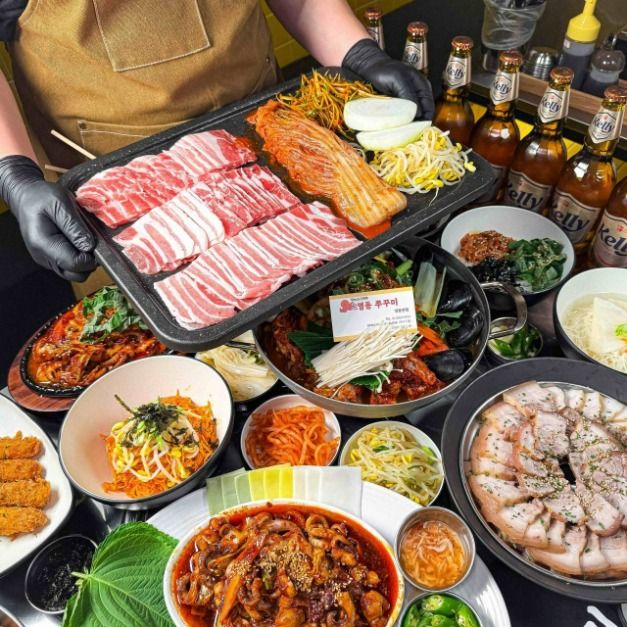
Myeongdong Jjukkumi (명동쭈꾸미)
762.4M 2025-07-23
3-28 Toegye-ro 6-gil, Jung-gu, Seoul
Myeondong Jjukkumi is a jjukkumi (ocellerated octopus) restaurant located in Jung-gu, Seoul. It only takes about a 1-minute walk from Hoehyeon Station (Seoul Subway Line 4), Exit 2, a convenient location for both tourists and people who work in the area. Main menu items consist of jjukkumi and samgyeopsal (grilled pork belly), pork galbi (rib meat), bossam (cabbage wraps with pork), among other set menus. All dishes are cooked in the kitchen, and are known for their spicy kick and savory taste. The restaurant can accommodate group guests as it has a spacious hall as well as outdoor tables. Customers dining at the restaurant can help themselves to more side dishes at the self-service side dish bar and enjoy a hearty meal at a reasonable price.
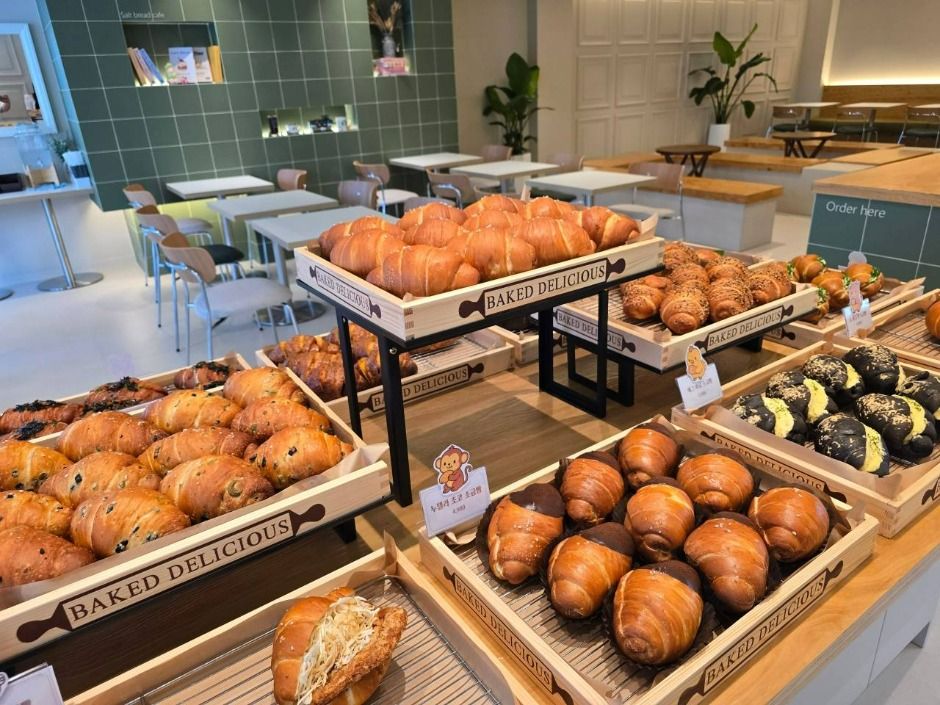
Bokidang (복이당)
762.4M 2025-09-15
3-28 Toegye-ro 6-gil, Jung-gu, Seoul
Bokidang is a handmade salt buns specialty bakery cafe located in Jung-gu, Seoul. It is conveniently located just a 30-second walk from Exit 2 of Hoehyeon Station, situated in an area with high foot traffic from office workers and tourists. Bokidang presents handmade salt bread and beverages made with carefully selected fresh ingredients, with the hope that "everyone who eats will be blessed." The signature menu features a lineup of salt breads inspired by the 12 zodiac animal characters, each embodying health, wishes, and small happiness in a single bite. The store has a clean and warm atmosphere with an indoor seating area and outdoor seating, accommodating group guests and offering takeout for added convenience.
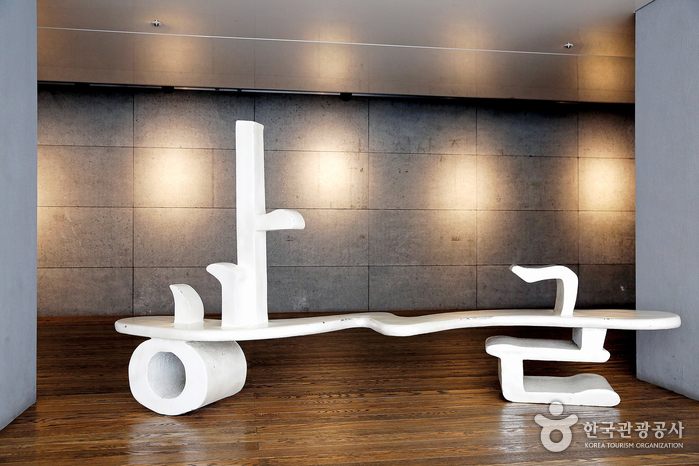
The Story of King Sejong (세종이야기)
767.8M 2022-09-13
jiha 175, Sejong-daero, Jongno-gu, Seoul
+82-2-399-1000
The Story of King Sejong comprises six different sections with a total area of 3,200 square meters. The museum consists of exhibition zones, an event space, video room, shop and more to display King Sejong’s scientific, artistic, military, and political contributions, including the theory of Minbon, which recognized the people as the base of politics. King Sejong, the 4th king of the Joseon dynasty (1397-1450, reigning from 1418-1450) was responsible for some of the most brilliant achievements in the history of Korea, including the creation of Hangeul (Korean alphabet) and great advancements in the areas of science, culture, art and politics.
![Gentle Monster - Zeus Eyewear Myeong-dong Branch [Tax Refund Shop] (젠틀몬스터 제우스안경 명동(위탁))](http://tong.visitkorea.or.kr/cms/resource/15/2878615_image2_1.jpg)
Gentle Monster - Zeus Eyewear Myeong-dong Branch [Tax Refund Shop] (젠틀몬스터 제우스안경 명동(위탁))
767.9M 2024-04-18
2F, 105, Toegye-ro, Jung-gu, Seoul
-
![Zeus Eyewear - Myeong-dong Branch [Tax Refund Shop] (제우스안경 명동)](http://tong.visitkorea.or.kr/cms/resource/35/2878635_image2_1.jpg)
Zeus Eyewear - Myeong-dong Branch [Tax Refund Shop] (제우스안경 명동)
767.9M 2024-04-22
2F, 105, Toegye-ro, Jung-gu, Seoul
-
![Olive Young - Myeong-dong Main Branch [Tax Refund Shop] (올리브영 명동본점)](http://tong.visitkorea.or.kr/cms/resource/81/2888381_image2_1.jpg)
Olive Young - Myeong-dong Main Branch [Tax Refund Shop] (올리브영 명동본점)
771.9M 2024-04-23
53, Myeongdong-gil, Jung-gu, Seoul
-
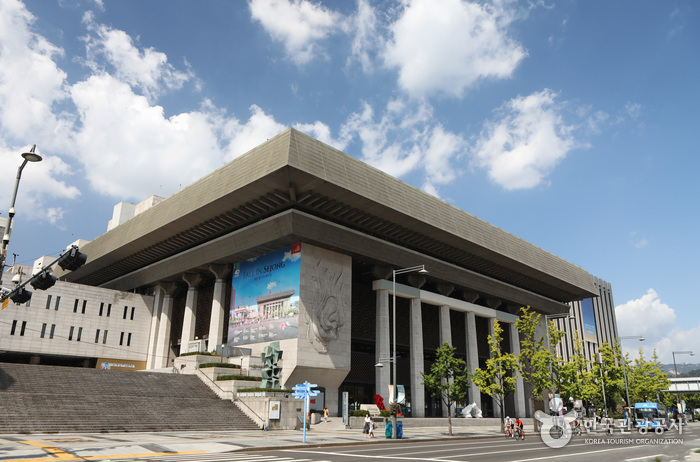
Sejong Center (세종문화회관)
773.8M 2023-06-14
175, Sejong-daero, Jongno-gu, Seoul
+82-2-399-1000
Sejong Center, officially known as Sejong Center for the Performing Arts, opened on July 1, 1999 to provide citizens with a cultural art space. Having completed a grand remodeling project in 2007, Sejong Center offers customer-friendly programs aimed at improving the quality of art performances in a comfortable resting area. Comprising the Grand Theater of Sejong Center, Sejong M Theater, Sejong Chamber Hall, Exhibition Hall, and other subsidiary facilities, Sejong Center is a multicultural art center.
Various genres of performances including traditional, classic, and crossover have taken place in the center, giving many opportunities for cultural nostalgia.
* Opened April 14, 1978
![Hanaro Optics [Tax Refund Shop] (하나로안경원)](http://tong.visitkorea.or.kr/cms/resource/80/2878580_image2_1.jpg)
Hanaro Optics [Tax Refund Shop] (하나로안경원)
774.8M 2024-04-19
48, Namdaemunsijang 4-gil, Jung-gu, Seoul
-
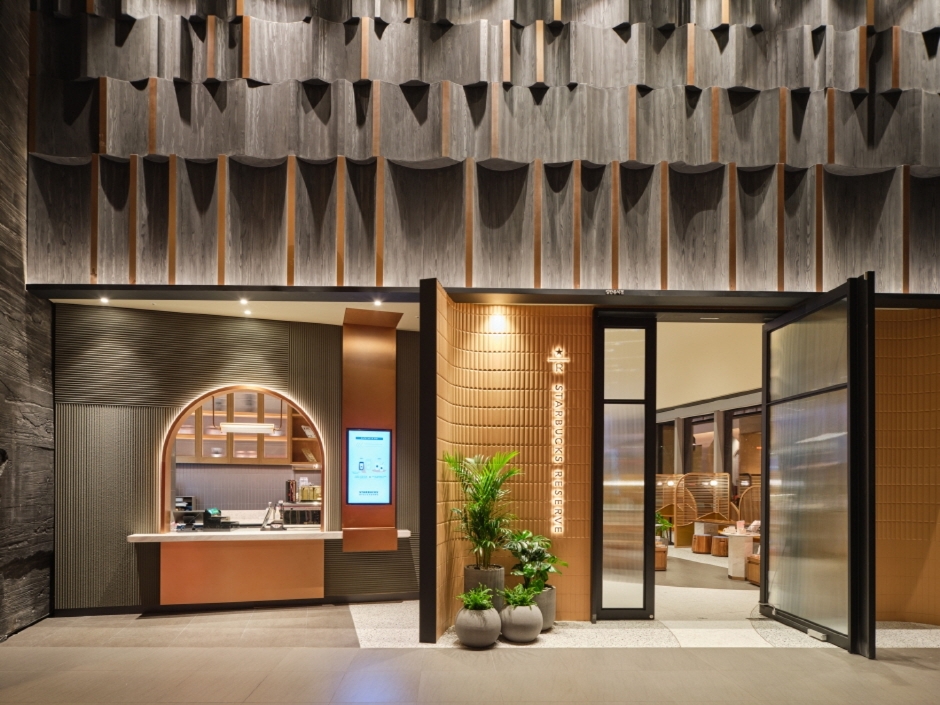
Starbucks Byuldabang (스타벅스 별다방)
781.5M 2024-12-27
100 Toegye-ro, Jung-gu, Seoul
Byuldabang is a cozy space in the city, where the present and future of Starbucks coexist
Byuldabang is a special name. It combines the Korean words byul, which means stars, and dabang, which means a traditional space where people gather and talk over tea or drink. Byuldabang is the nickname Koreans generally use for Starbucks. Starbucks Byuldabang store opened in appreciation of customers of Starbucks Korea, celebrating its 22nd anniversary. This particular store is a Starbucks Reserve store with new concept food items, and is the first among Starbucks stores worldwide to have digital art wall decorations. The images projected to the art wall are “The Journey of Siren.” It is a surreal journey of Siren, who delivers coffee messages around the ocean, day and night. Customers love the story.
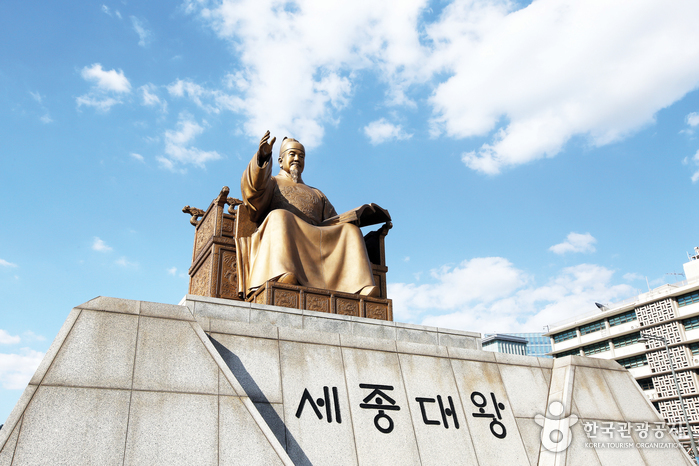
King Sejong Statue (세종대왕 동상)
784.9M 2024-03-04
175, Sejong-daero, Jongno-gu, Seoul
+82-2-2133-7713
King Sejong Statue can be found at Seoul’s Gwanghawmun Square. The statue commemorates King Sejong the Great (1397-1450, reign 1418-1450), the fourth king of Joseon (1392-1897). He is thought to be the greatest king in Korean history, for he is credited with great developments in science and technology, expansion of Joseon’s territory, and the creation of the Korean script, [Hangeul]. King Sejong’s likeness can be found on the 10,000 won bill as well.
 English
 한국어
한국어 日本語
日本語 中文(简体)
 Deutsch
 Français
 Español
 Русский


