
Lee Ri-Ja Hanbok Museum (이리자 한복전시관)
1.3Km 2022-08-08
20, Samcheong-ro, Jongno-gu, Seoul
+82-2-734-9477
The Lee Ri-Ja Hanbok Museum displays the traditional clothing worn in Korea from birth to death. All hanbok displayed at the museum are created by the hanbok designer Lee Ri-Ja herself, who has over 40 years of experience.
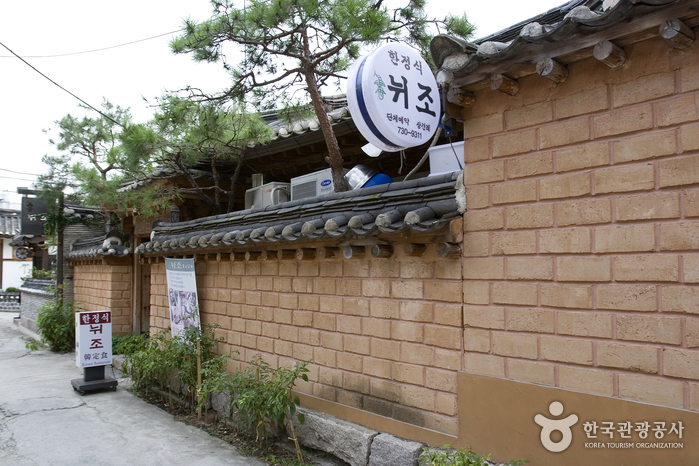
Nwijo (뉘조)
1.4Km 2024-03-06
27 Insadong 14-gil, Jongno-gu, Seoul
+82-2-730-9311
Nwijo is a Korean table d'hote restaurant located in Insa-dong where you can enjoy course meals made from hundreds of wild herbs. Starting with pumpkin porridge and water kimchi, basic dishes such as wild herb salads, pancakes, kimchi with boiled pork slices, and mixed roots are served along with set menu and wild herb enzymes as a standard part of the meal.
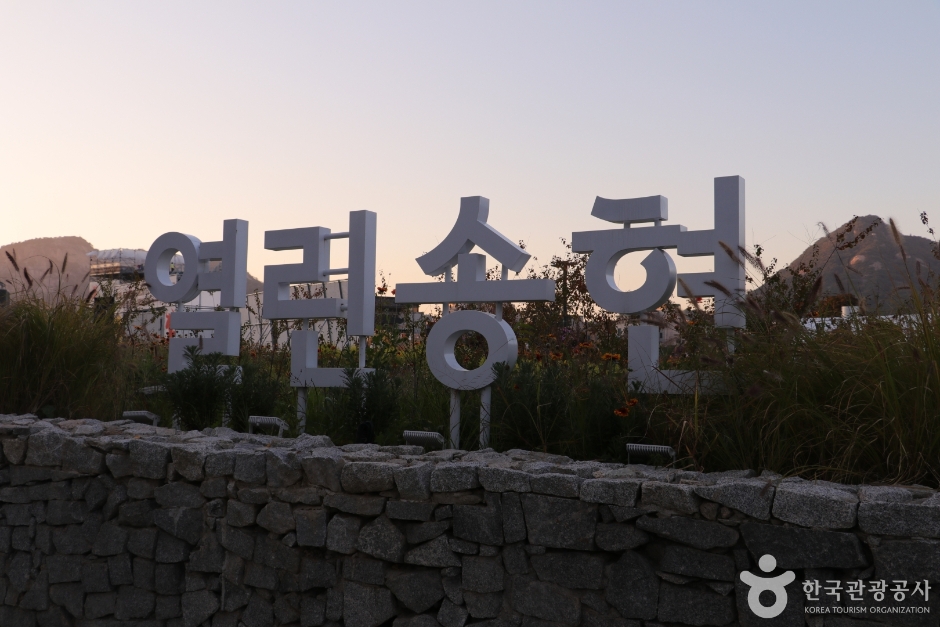
Songhyeon Green Plaza (열린송현 녹지광장)
1.4Km 2025-11-11
Songhyeon-dong, Jongno-gu, Seoul
Songhyeon Green Plaza, located between Gyeongbokgung Palace and Jongno, is a space for culture and rest. The site was formerly used as housing for Shiksan Bank during Japanese rule. After Korea’s liberation, it served as a residence for the US Embassy and military personnel. Later in 1997, it was returned to the Korean government but remained unused for years. In 2022, the ownership was transferred to the Korean House and Land Corporation and then to the Seoul Metropolitan Government, which redeveloped it into a green plaza and opened it to the public. Upon entering the plaza, visitors are greeted by a spacious lawn adorned with flowers during the blooming season. The plaza is connected to the nearby tourist attractions through shortcuts cutting through it, including Cheong Wa Dae (Blue House), Gwanghwamun Plaza, Insa-dong, and Bukchon Hanok Village.
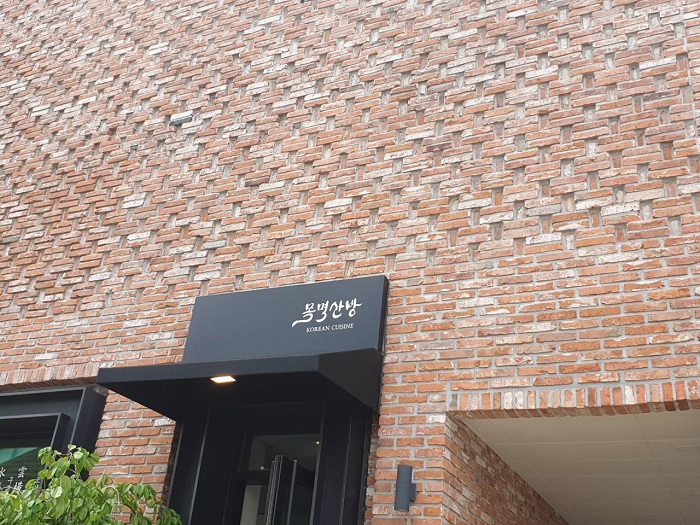
Mongmyeoksanbang (목멱산방)
1.4Km 2024-03-07
71, Toegye-ro, 20-gil, Jung-gu, Seoul
+82-2-318-4790
Situated near Namsan Mountain, Mongmyeoksanbang specializes in bibimbap. Mongmyeok is the ancient name of Namsan Mountain. Bibimbap is a bowl of rice tossed with various vegetables, meat, sesame oil, and red chili paste, making it a nutritionally balanced dish. Their dishes are made with natural seasonings and seasonal herbs gathered from Jirisan Mountain. The soybean pasete and soy sauce are also handmade, and perilla oil and sesame oil are 99.9% natural, without artificial ingredients.
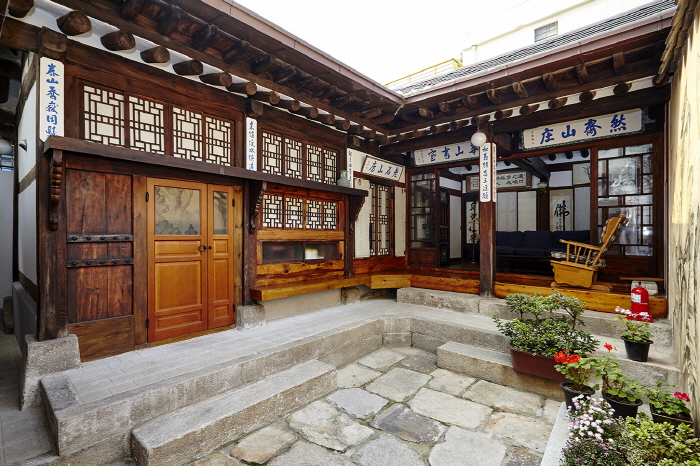
Sieunjae (시은재)
1.4Km 2024-12-23
439 , Samil-daero, Jongno-gu, Seoul
+82-10-5355-3029
Sieunjae is a hanok stay that has stood in the midst of busy Gyeongun-dong, Jongno-gu, Seoul, for generations. The guestrooms comprise an anbang (bedroom plus living room), three smaller rooms, and a byeolchae or detached house. All rooms have a toilet, and there’s a well-equipped shared kitchen and a washing machine. Guests can either rent individual rooms or the whole hanok. Jongno is convenient for travel to all the historic sites of Seoul, and there’s a public carpark nearby.
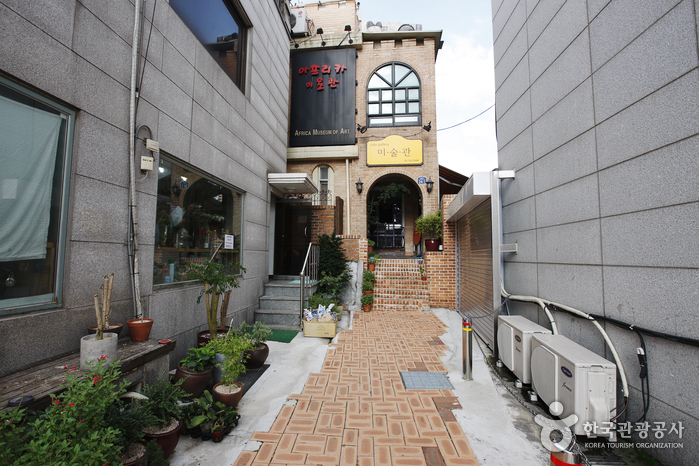
Africa Museum of Art (아프리카미술관)
1.4Km 2022-10-26
24-1, Samcheong-ro, Jongno-gu, Seoul
+82-2-730-2430
The Africa Museum of Art was established with the purpose of hosting various art festivals and providing the grounds for researching various art themes. A major principle of the gallery is to promote works of art that actively attempt to explore the human mind.
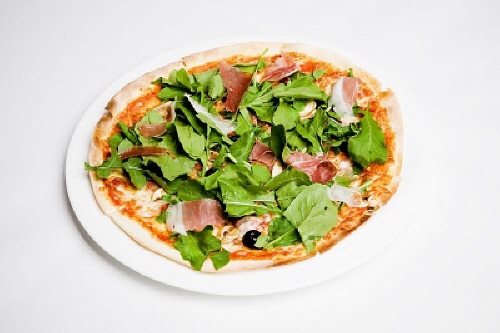
The Hanok Smith Likes (스미스가 좋아하는 한옥)
1.4Km 2024-03-11
22-7 Samcheong-ro, Jongno-gu, Seoul
+82-2-722-7003
The Hanok Smith Likes is a restaurant located near Gyeongbokgung Palace, housed in a renovated hanok. It offers a fusion of Korea's traditional beauty with Italian cuisine. Specializing in oven-baked pizza and pasta, it also features a variety of Italian dishes. The oven-baked pizzas are particularly popular, known for their chewy crusts and generous toppings. In 2023, it was selected for the Michelin Guide Seoul.
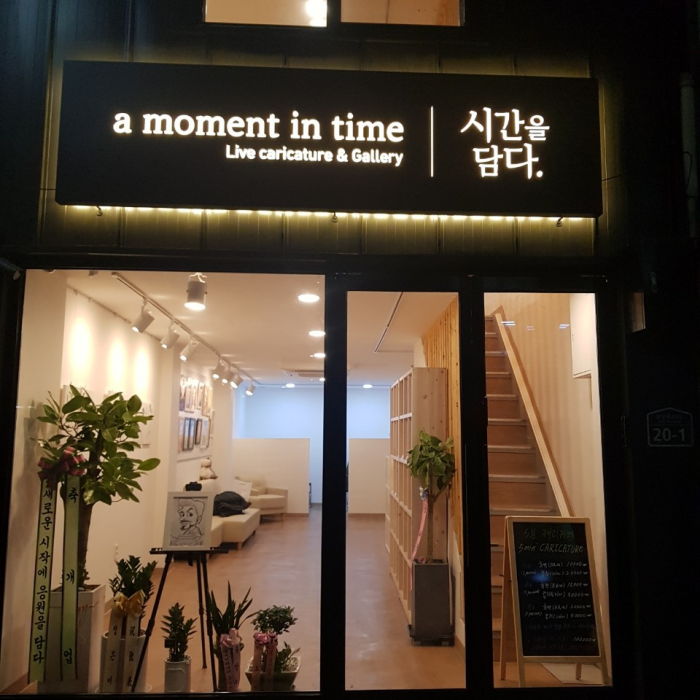
A Moment in Time - Live Caricature & Gallery (시간을 담다)
1.4Km 2021-03-25
20-1, Samil-daero 8-gil, Jung-gu, Seoul
+82-10-8895-3368
A Moment in Time adds in aspects of Korean traditions, customs, and landmarks like hanbok, Gwanghwamun Gate, and Korean mystical animals into caricature artworks, serving as an excellent souvenir for both locals and travelers. The gallery also offers hands-on programs like coloring caricature and traditional folk art. In addition, original design products from A Moment in Time are also available, making great gifts.
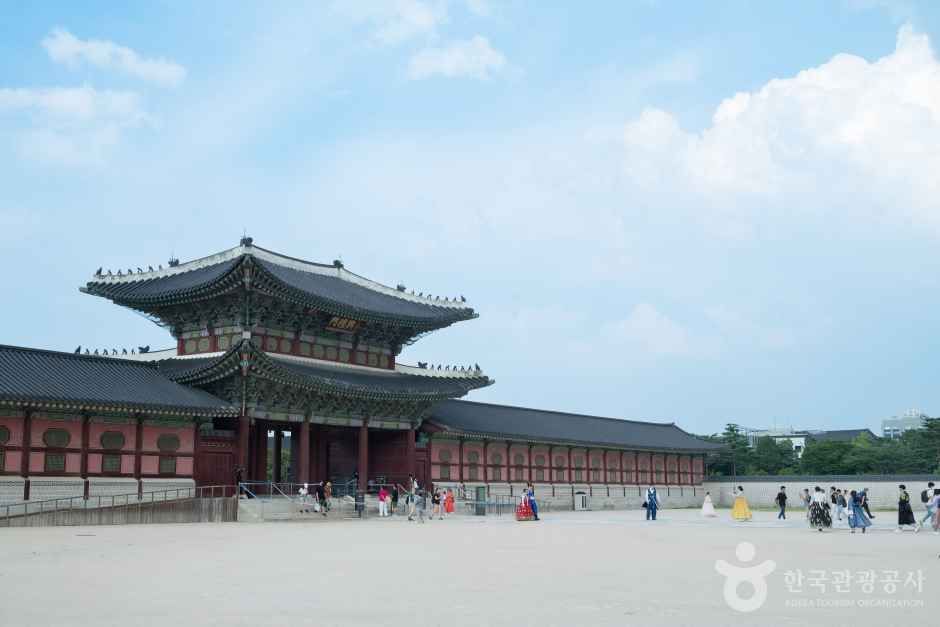
Gyeongbokgung Palace (경복궁)
1.4Km 2025-10-23
161 Sajik-ro, Jongno-gu, Seoul
+82-2-3700-3900
Gyeongbokgung Palace was built in 1395 as the official palace of the Joseon dynasty by Yi Seong-gye, the future King Taejo and founder of the new regime. Gyeongbokgung Palace is commonly referred to as the Northern Palace because of its location to the north, comparied to Changdeokgung Palace in the east and Gyeonghuigung Palace in the west. Gyeongbokgung Palace is arguably the most beautiful and is the largest of all five palaces. Many Joseon kings were crowned here. The premises were once destroyed by fire during the Imjin War (1592-1598). However, all of the palace buildings were later restored under the leadership of Heungseondaewongun during the reign of King Gojong. The assassination of Empress Myeongseong, however, resulted in Gyeongbokgung Palace losing its function as a royal palace, eventually witnessing the downfall of the Joseon dynasty. Gyeongbokgung Palace retains the original Gyeonghoeru Pavilion, a prime example of Joseon architecture, and the Hyangwonjeong Pavilion and pond. The sculptures in the Geunjeongjeon Hall exemplify Joseon-era sculpture techniques. The west side of the area outside Heungnyemun Gate is occupied by the National Palace Museum of Korea, while the eastern side of Hyangwonjeong Pavilion within the Gyeongbokgung Palace is occupied by the National Folk Museum of Korea.
 English
 한국어
한국어 日本語
日本語 中文(简体)
 Deutsch
 Français
 Español
 Русский


