Maeheon Citizen's Forest (매헌시민의 숲)
11.4Km 2022-12-21
99, Maeheon-ro, Seocho-gu, Seoul
+82-2-575-3895
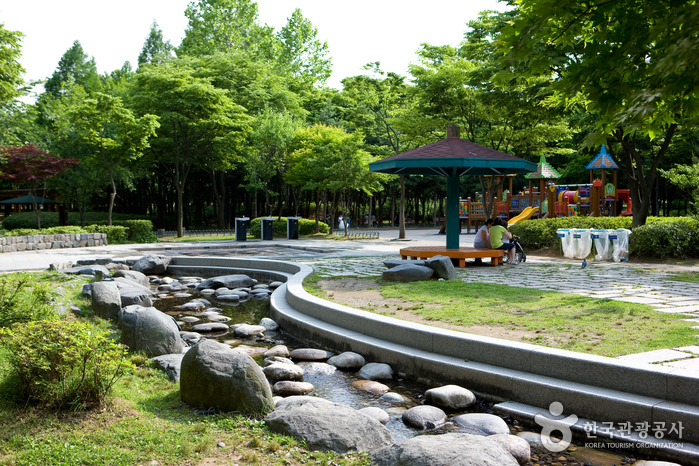
Maeheon Citizen's Forest, located near Yangjae Tollgate, was created in anticipation of the Seoul Asian Games in 1986 and the 24th Olympic Games in 1988. The forest provides a scenic habitat for 94,800 trees of 43 different species including pine, zelkova, purple bloom maple, horse chestnut, and nut pine. These trees are rarely seen in cities and the park is a popular date spot for couples. In the fall, the trees in the park bear an abundance of persimmons and quinces.
Amenities and facilities include an outdoor wedding hall, walking course, basketball court, volleyball court (also used for foot volleyball), tennis court, barefoot walking path, and outdoor workout equipment. Memorial sites and monuments like the memorial of Patriot Yun Bong-Gil can also be found scattered throughout the park grounds.
Heidi Haus (하이디하우스)
11.4Km 2025-09-24
11, Seongchon 4-gil, Seocho-gu, Seoul
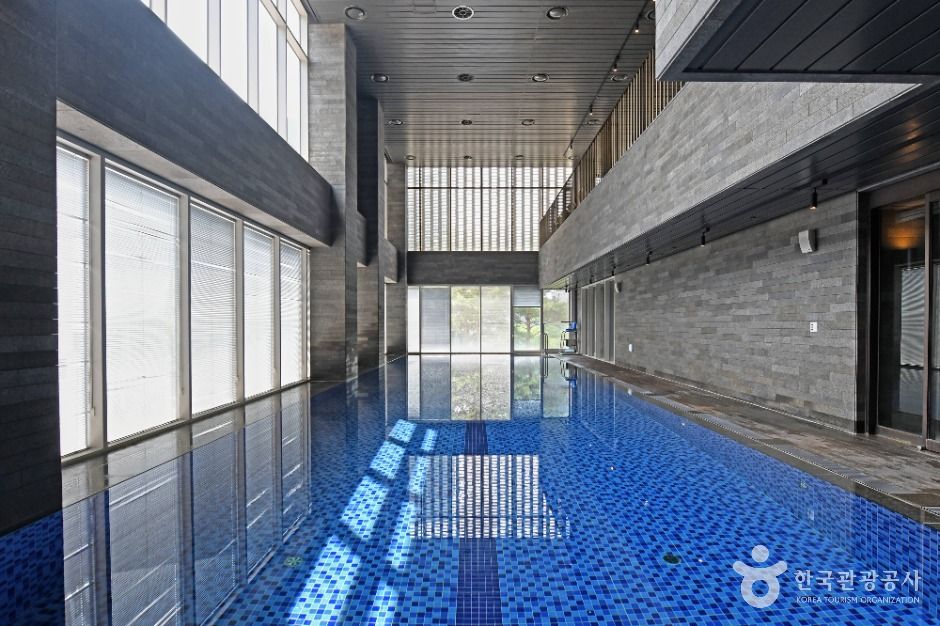
Heidi Haus is a private club that offers a premium wellness and lifestyle in the heart of the city. Its customized programs are designed not only for restoring health but also for achieving peace of mind. With a spa using natural bedrock water, a state-of-the-art fitness center, and restaurants and cafés that guarantee comfortable relaxation, Heidi Haus provides everything for a well-balanced life. The highlight is its spa, themed around 12 motifs such as rose, lavender, and beauty. It uses mineral-rich bedrock water drawn from 1,000 meters underground, which is known to help with skin hydration, blood circulation, fatigue recovery, and immunity strengthening. The spa also features a sauna zone with five distinct styles, including far-infrared, steam, and Finnish saunas.
Achasan Ecological Park (아차산생태공원)
11.4Km 2021-05-14
127, Walkerhill-ro, Gwangjin-gu, Seoul
+82-2-450-1655
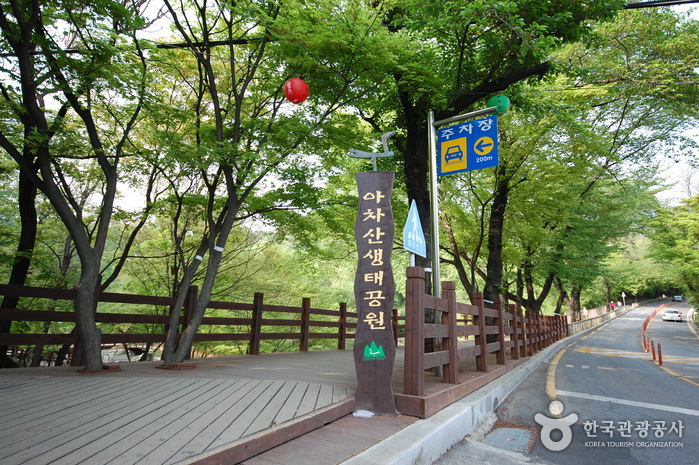
Achasan Ecological Park was established under the Seoul Metropolitan Government's Five Year Plan for Urban Green Expansion. Through various events and activities, the park provides opportunities to experience and learn about nature and its ecology. Major facilities include Eco Park, Rendezvous Square, Red Clay Road, Barefoot Path, Pine Forest, Mineral Spring, Eco Trail and pergolas.
Netmarble Game Museum (넷마블게임박물관)
11.4Km 2025-05-14
38 Digital-ro 26-gil, Guro-gu, Seoul
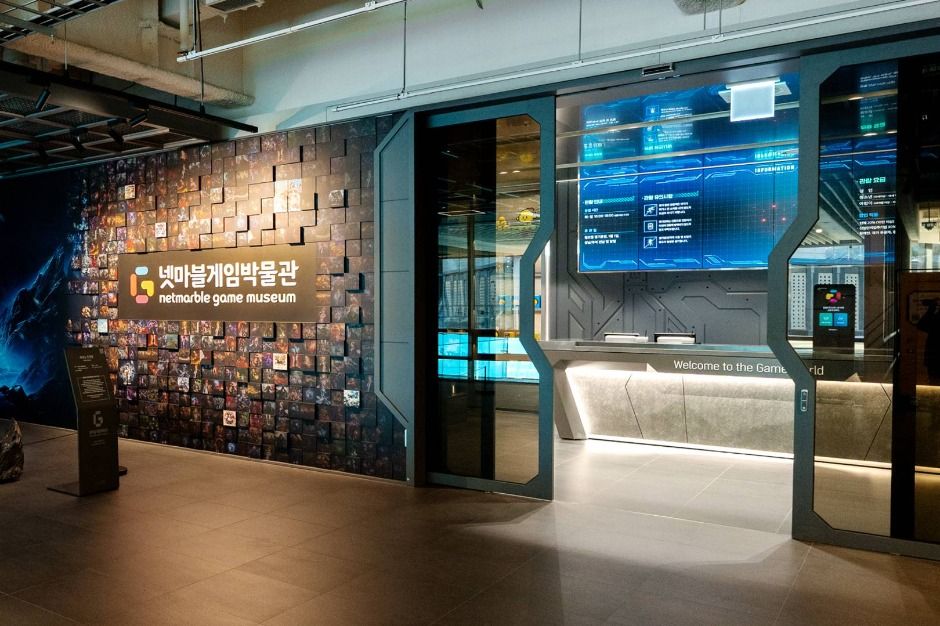
The Netmarble Game Museum offers visitors an opportunity to explore the history and culture of games and discover their social and cultural values. The museum features an exhibition space showcasing a diverse collection of domestic and international, a learning space with various gaming education materials, and a gaming space where visitors can enjoy playing different types of games. The exhibition space is organized around three main themes: game history, game world, and gaming culture. In particular, the Play Collection zone includes classic arcade games, console games, and PC games, allowing children to have fun and adults to reminisce about their memories.
![Olive Young - Guil Station Branch [Tax Refund Shop] (올리브영 구일역)](http://tong.visitkorea.or.kr/cms/resource/27/2880227_image2_1.jpg)
Olive Young - Guil Station Branch [Tax Refund Shop] (올리브영 구일역)
11.4Km 2024-04-18
Store #101-2, #102-1, 1F, 49, Guil-ro 10-gil, Guro-gu, Seoul
-
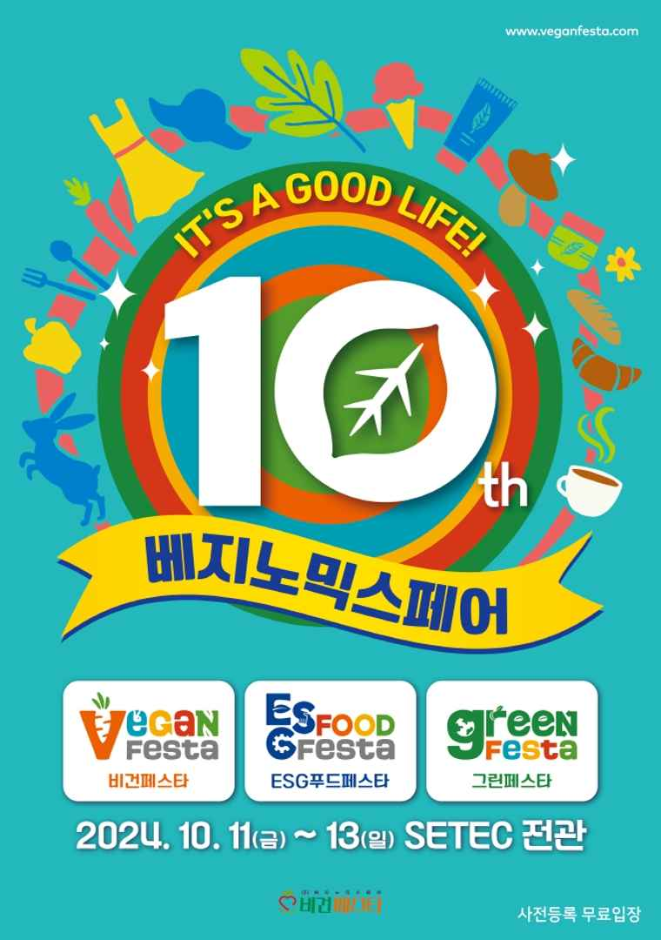
Vegenomics Fair (제10회 베지노믹스페어 (비건페스타ㅣ그린페스타ㅣESG푸드페스타))
11.5Km 2025-01-21
3104 Nambusunhwan-ro, Gangnam-gu, Seoul
+82-2-2223-1851
Vegenomics, or veganomics, which focuses on vegan and vegetarian businesses, is a fast-growing economy. The Vegenomics Fair is the largest event of its kind in Asia, and offers the chance for different businesses to network as well as consumers to get to know more about them.
![Golfzon Market - Magok Branch [Tax Refund Shop] (골프존마켓 마곡 [사후면세점])](http://tong.visitkorea.or.kr/cms/resource/01/2880101_image2_1.jpg)
Golfzon Market - Magok Branch [Tax Refund Shop] (골프존마켓 마곡 [사후면세점])
11.5Km 2024-04-22
1-2F, 376, Yangcheon-ro, Gangseo-gu, Seoul
-

Seoul Hiking Tourism Center - Bukhansan Branch (서울도심등산관광센터(북한산))
11.6Km 2024-03-05
5F, 181-7 Ui-dong, Gangbuk-gu, Seoul
+82-1533-2608
The Seoul Hiking Tourism Center is located 5 minutes on foot from Exit 2 of Bukhansan Ui Station and provides various services to hikers. It provides hiking course guidance and information (available in Korean, English, Chinese, and Japanese) about the mountains of Seoul, including Bukhansan, Bugaksan, and Inwangsan Mountains, as well as promotional materials such as Seoul hiking tourism guidebooks and maps. Also, it operates hiking tour programs with various themes every week for foreigners and offers hiking gear rental services such as hiking boots, hiking attire, trekking poles, gloves, and crampons for foreigners. (Koreans accompanied by foreigners can also rent the gear.) In addition, there is a storage locker and lounge for visitors, so they can pack up and rest before hiking.
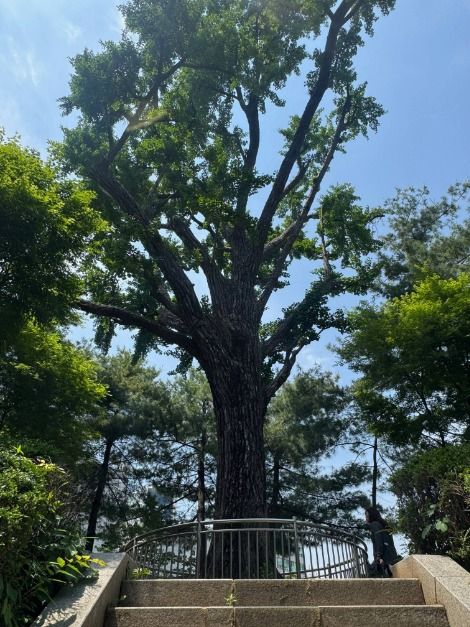
Ginkgo Tree at the Fortress Well Site (성주우물터 은행나무)
11.6Km 2025-09-15
Gayang-dong, Gangseo-gu, Seoul
Ginkgo Tree at the Fortress Well Site refers to the old ginkgo tree, which have been designated as a protected tree in 1988, located in Gayang-dong, Gangseo-gu in Seoul. Until the Gayang apartment complex was built, the area where the ginkgo tree is located was a historic place with a beautiful landscape and many anecdotes and legends. Before the Goryeo dynasty, its location served as an important strategic point along the lower part of the Hangang River, where it had a ferry dock with boats that bypassed Haengju and Paju as a shortcut for commuting between Kaeseong and Pyongyang, and is associated with many legends of historical figures who had used the dock. The ginkgo tree also appears in a painting drawn by Gyeomjae Jeongseon, a historic painter of the Joseon dynasty.
Seoul Doseonsa Temple (도선사(서울))
11.7Km 2025-06-25
504 Samyang-ro 173-gil, Gangbuk-gu, Seoul
Doseonsa Temple was established 1,100 years ago during the latter part of the Silla Kingdom when the renowned Buddhist priest Doseonguksa was traveling through the mountains. After visiting the site, Doseonguksa made a prophecy that led to the construction of the temple. According to legend, he used only his walking stick to carve the large Bodhisattva that sits at the temple. Interestingly enough, the statue does not show any evidence of chisel marks, further adding to the mystery of how the statue was made.
During the 7th year of King Gwangmu of the Joseon dynasty, Doseonsa Temple was officially named the representative temple of Korea with the purpose of promoting Cheongdamdaejongsa's Korean Buddhism movement, aiming at a religious revival. Due to these special circumstances Deseonsa Temple gained a high reputation and much recognition, which have held strong to this day.
Inside the temple, visitors can view the remains and written works of Cheongdamdaejongsa in the Cheongdamdaejongsa Memorial Hall. Next to the road leading to Cheonbuljeon Hall is a pond where you can toss a coin and make a wish and just past Yongammun Gate is a hiking path connecting Baegundae Cliff and Insubong Peak. Inside the Ksitigarbha Hall are portraits of President Park Chung-hee, Yuk Yeong-su, and Hyundai Chairman Chung Ju-yung. In front of the hall is a tree that is said to have been planted by a Buddhist priest who brought it from India 200 years ago. Historical artifacts can be found throughout the temple.
 English
 한국어
한국어 日本語
日本語 中文(简体)
 Deutsch
 Français
 Español
 Русский


