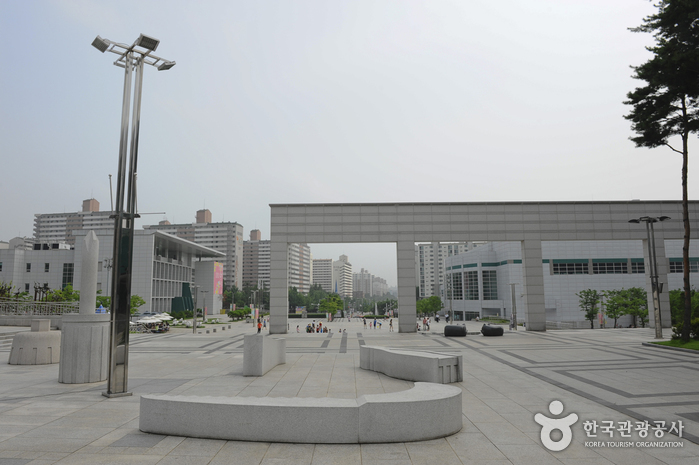
Goyang Oulim Nuri Arts Center (고양 어울림누리)
14.6Km 2021-07-08
33, Eoullim-ro, Deogyang-gu, Goyang-si, Gyeonggi-do
Goyang Oulim Nuri Arts Center is a multi-complex that ties culture and arts facilities with sports facilities. Oulim Theater provides 1,218 seats for various events from classical music to K-pop, plays, musicals and more, while Star and Sand Theater provides 362 seats for more family-oriented shows. The Oulim Art Gallery offers experience programs and exhibitions. The Flower Hill outdoor stage is suitable for plays and concerts.

Seoul Miz Hospital (서울미즈병원)
14.6Km 2025-10-23
1041 Cheonho-daero, Gangdong-gu, Seoul
Seoul Miz Hospital is a women’s specialized hospital located in Gangdong-gu, Seoul. It provides medical services in obstetrics and gynecology, breast and thyroid surgery, internal medicine, dermatology and plastic surgery, and pediatrics, while also operating a health promotion center. With its newly expanded building, the hospital has established an International Medical Center to support the treatment of foreign patients.
Gwacheon Chusa Museum (추사박물관(과천))
14.8Km 2023-07-14
78, Chusa-ro, Gwacheon-si, Gyeonggi-do
Gwacheon was where Chusa Gim Jeong-hui immersed himself in studies and arts to ignite his final artistic spirit in the twilight of his life. The city of Gwacheon opened Chusa Museum in order to promulgate the essence of the learning and arts that Chusa flowered. The museum features the life exhibit of Chusa, an art and science exhibit, a planned exhibit hall, an experience room, lounges, a museum shop and an education room for thoroughly researching, exhibiting and experiencing Chusa.
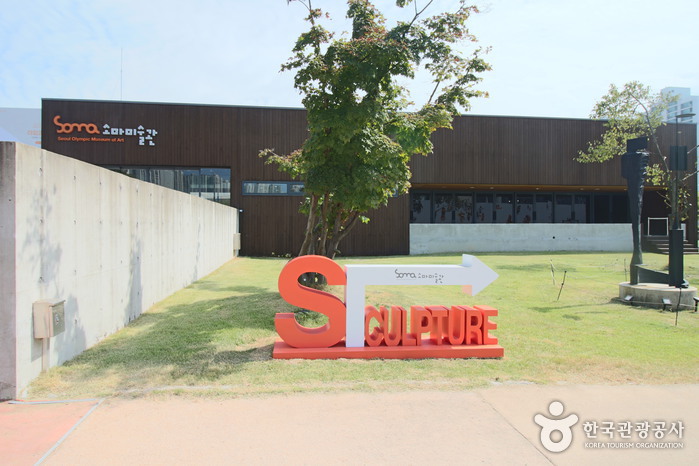
Soma Museum of Art (소마미술관)
14.9Km 2023-04-13
424, Olympic-ro, Songpa-gu, Seoul
Soma Museum of Art was opened in September 2004 as a cultural space amid the nature of Seoul Olympic Park. The museum displays over 222 sculptures, and offers a variety of cultural and educational programs, including the nation's first drawing center and archive.
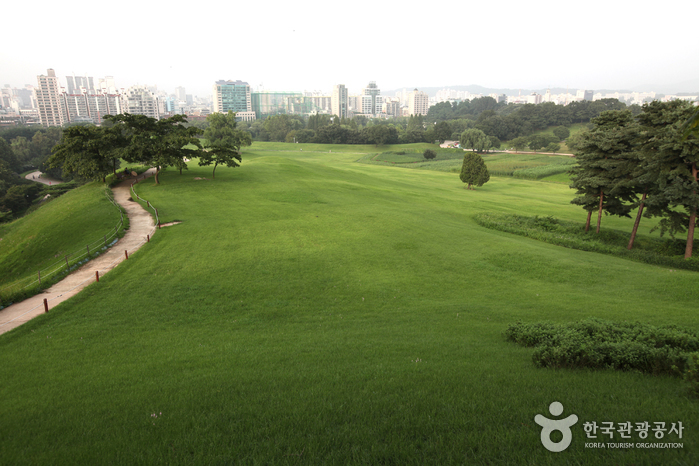
Seoul Mongchontoseong Earthen Fortification (서울 몽촌토성)
14.9Km 2024-03-12
424, Olympic-ro, Songpa-gu, Seoul
Mongchontoseong Earthen Fortification is an ancient earthen fortress built during the Hanseong period of the ancient Korean kingdom of Baekje (BC 18-AD 660). It is believed to have been constructed in the 3rd to 4th centuries. Utilizing the natural advantages of the Hangang River, it served defensive purposes with its trench and log barrier. Excavated relics from the Baekje era are on display at the Seoul Baekje Museum. The site is situated within the Olympic Park in Songpa, Seoul.
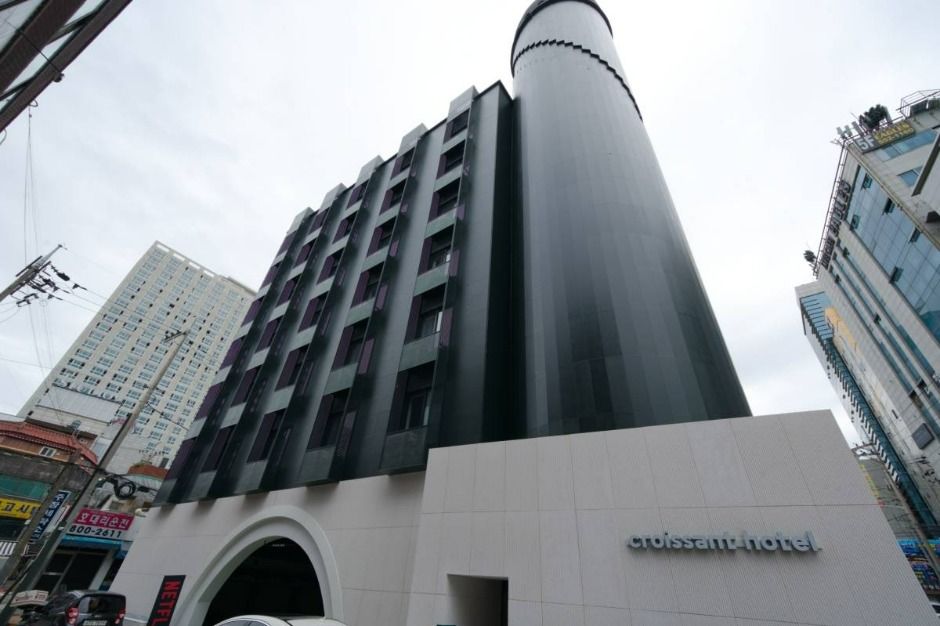
The Hyoosik Croissant Hotel Guri (더휴식 크로와상호텔 구리점)
14.9Km 2025-04-08
148 Cheyukgwan-ro, Guri-si, Gyeonggi-do
The Hyoosik Croissant Hotel Guri offers a variety of theme-based room types for both leisure and relaxation, such as a standard music room with blutooth speakers, a deluxe home-training room with yoga equipment, a deluxe couple room with high-end gaming PC, a deluxe healing room with a lounge chair, a twin bedroom, a game suite room with Playstation 4 Pro, a movie suite room with a beam projector, a sing suite room with noraebang equipment and soundproof walls, and a party suite room with a kitchenette. The hotel also has a parking lot, guest lounge, rooftop area, and coin laundry.

Olympic Park (올림픽공원)
14.9Km 2023-10-19
424 Olympic-ro, Songpa-gu, Seoul
Olympic Park is an impressive leisure facility in which historic remains from the Baekje era share space with modern, state-of-the-art sports stadiums, an eco-friendly forest, and spacious grass fields. The legacy of the 1988 Seoul Olympics, the park not only houses the country’s largest sports arena, but has also become a place where Seoul residents come to relax and unwind.
Spread across approximately 1.45 million square meters, Olympic Park encompasses the land that was once Mongchontoseong Fortress and Mongchonhaeja (manmade lake) from the early Baekje period. The park is divided into several zones, including a leisure sports park, a cultural art park, an eco-park, and the History Experience Park dedicated to the area’s rich historic heritage.
Because Olympic Park is so large and takes over three hours to explore, visitors are advised to familiarize themselves with entrances and exits and travel routes before they start. To further save time, visitors can ride the Road Train (“Hodori Train”) located next to Peace Square.
Mongchon Museum of History (몽촌역사관)
14.9Km 2021-08-13
424, Olympic-ro, Songpa-gu, Seoul
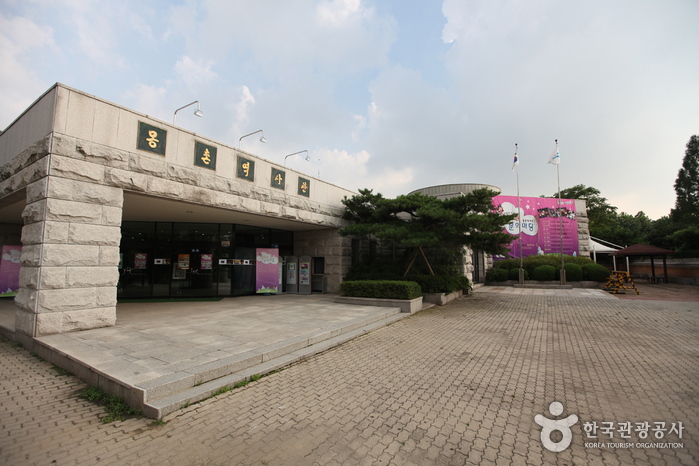
The Mongchon Museum of History, located within Olympic Park, displays artifacts from the excavations of Mongchontoseong Fortress, such as earthen fortifications as well as other artifacts of the Baekje Kingdom period, offering a glimpse into Baekje culture. A model of a Baekje dugout hut site reveals ancient dwelling patterns. Also, the facility displays a perfectly preserved model of ancient houses and tombs, giving visitors the feel of traveling back to prehistoric ages.
Memorial to the Loyal Dead (호국충혼위령비)
14.9Km 2025-01-13
56-33, Gaehwadong-ro 13-gil, Gangseo-gu, Seoul
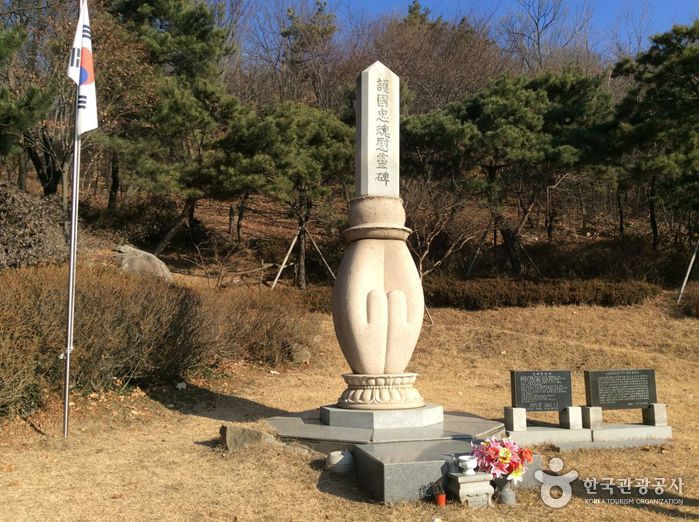
When the fate of the nation was hanging by a thread as the North Korean Army launched an invasion of the South on June 25, 1950, about 1,100 officers and men from
the South Korean First Division's 11th, 12th, and 15th regiment retreated to Gimpo and built the last line of defense on Gaehwasan Mountain from June 26 to 30 to fight against a large army
of North Korean soldiers disguised as South Korean men.
Unfortunately, their communication with the headquarters was
cut off and their supply of ammunition and food ran out. As a result, the entire South Korean force was killed by the much larger North Korean army
in a valley around Gaehwasan Mountain. In order to commemorate those who died for the country, the government established the
Memorial to the Loyal Dead on Gaehwasan Mountain in 1994. A memorial service is
also held here annualy on June 28th.
x_height: 4.7 meters high
Built by the First Division of the ROK Army, Mitasa Temple
East Nine Royal Tombs [UNESCO World Heritage] (구리 동구릉 [유네스코 세계문화유산])
15.0Km 2024-03-20
197 Donggureung-ro, Guri-si, Gyeonggi-do
The East Nine Royal Tombs, situated on the eastern outskirts of Hanyang (the Joseon dynasty capital), represent a significant collection of nine royal burial sites. This area serves as the final resting place for seven kings and ten queens from the Joseon era. The surrounding forest paths are accessible to the public during the spring and fall seasons. Additionally, the East Nine Royal Tombs Healing Culture and Arts Festival takes place here every autumn, offering a blend of cultural and artistic experiences.
 English
 한국어
한국어 日本語
日本語 中文(简体)
 Deutsch
 Français
 Español
 Русский


