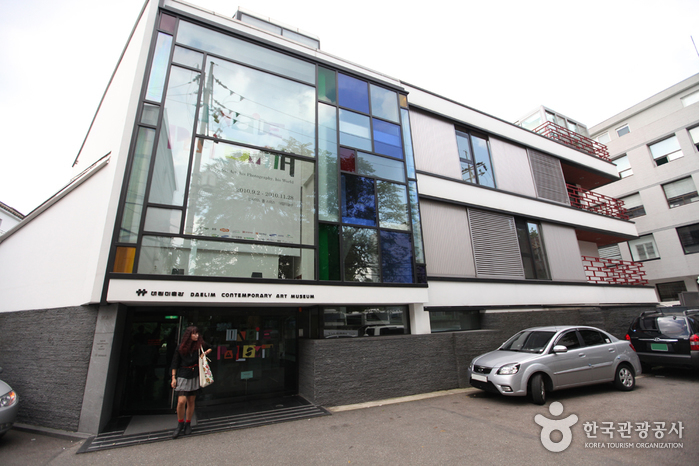
Daelim Museum (대림미술관)
230.9M 2022-07-29
21, Jahamun-ro 4-gil, Jongno-gu, Seoul
+82-2-720-0667
The Daelim Museum, built by the Daelim Group, was first established in Daejeon in 1996 and later moved to Jongno, Seoul in 2002. The art gallery studies, analyzes, and presents modern art through the lens of photography and holds exhibitions centered around photo media.
The museum is located in the residential area of Tongui-dong, near the time-honored Gyeongbokgung Palace. The museum, which was designed by French architect, Vincent Cornu, and built by the Daelim Corporation, opened its door to the public in late May 2002.
On the first floor, there is a garden, parking lot, reception desk, storage area, and conference room. On the second and third floor are offices and exhibition hall approximately 595 m² in size, consisting of small and large rooms, a long gallery, and a special high-ceilinged exhibition space. On the fourth floor, there is a seminar room that can seat up to 120 guests and a balcony with a beautiful view. From the balcony of the seminar room, Visitors can also enjoy a wide open view of Inwangsan Mountain and Bukhansan Mountain. The stained glass panels (designed to reflect the beauty of traditional Korean wrapping cloth) and the scenic lounges on the 2nd and 3rd floors of the building add to the overall charm.
Above all else, the museum was designed with consideration of the photos, which are very sensitive to humidity, light, and temperature.
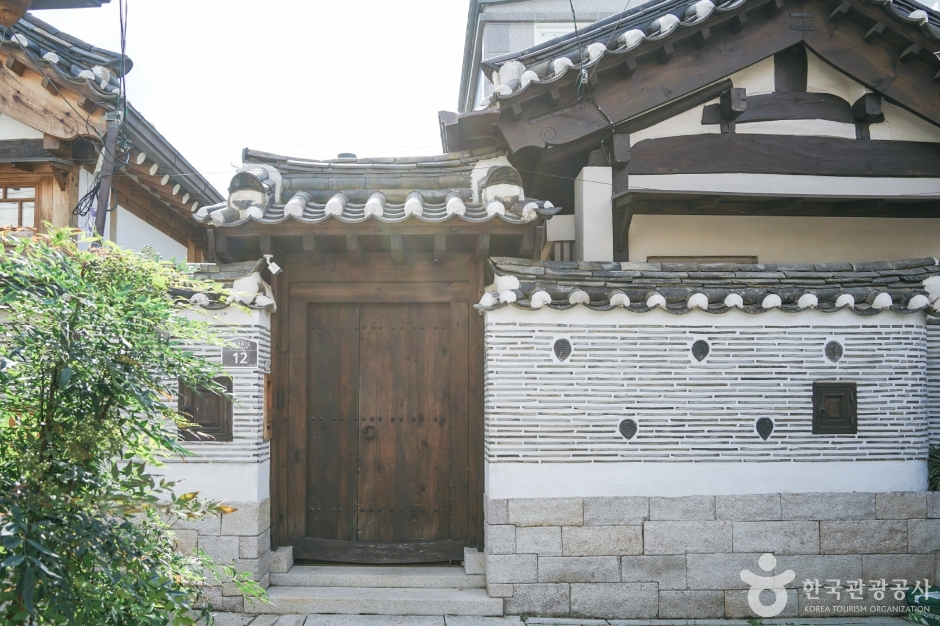
Hanok Essay Seochon (한옥에세이 서촌)
232.5M 2024-06-04
12 Pirundae-ro 3-gil, Jongno-gu, Seoul
The area of Seochon features both traditional elements as well modern, showing the changes over time. A stay in one of the hanok houses here is the perfect way to feel this unique ambiance. Hanok Essay Seochon provides this experience, open to visitors of all ages.

Boan1942 (보안1942)
253.1M 2023-08-17
33 , Hyoja-ro, Jongno-gu, Seoul
Prior to becoming an art space in 2007, Tongui-dong Boan served as a place for rest for travelers from 1942 to 2005. After a short suspension, the place was renovated into a cultural space in 2017 to carry on the historical legacy and provide creative inspiration under the concept of "Boanstay."
Boan1942 is divided into a cultural space consisting of a cafe, project workshop, book shop, and exhibition area, and Boanstay on the 3rd and 4th floors that offer temporary lodging services to the cultural nomads. Located in Seochon, the center of culture, history, and convenient traffic in Seoul, Boanstay offers a splendid view of Seoul's historical and cultural assets such as Gyeongbokgung Palace, Cheong Wa Dae, and Seochon Hanok Village.
<Credit: Boanstay>
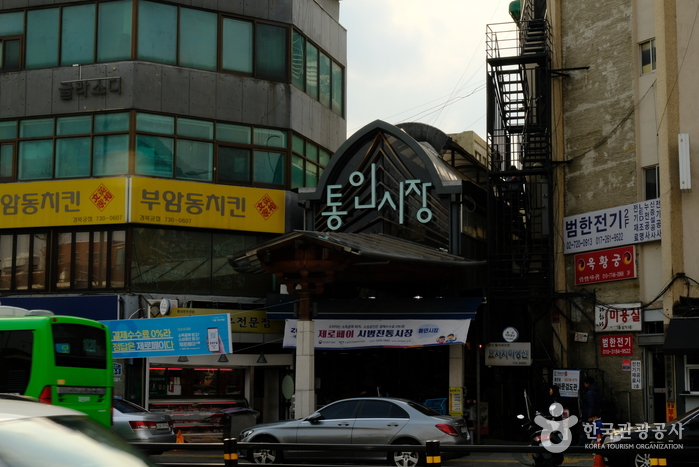
Tongin Market (통인시장)
280.0M 2025-06-19
18 Jahamun-ro 15-gil, Jongno-gu, Seoul
Tongin Market dates back to June 1941, as a public market set up for Japanese residents near the Hyoja-dong neighborhood when Korea was still under Japanese rule. After the Korean War, the nation experienced a swift rise in population, which led to a natural increase in consumption and demand. As a result the area’s street vendors and stores used the former Tongin Market area as their marketplace. Now, Tongin Market consists of 75 stores, most of which are restaurants and grocery stores. There are also some shops selling manufactured goods like underwear and shoes.
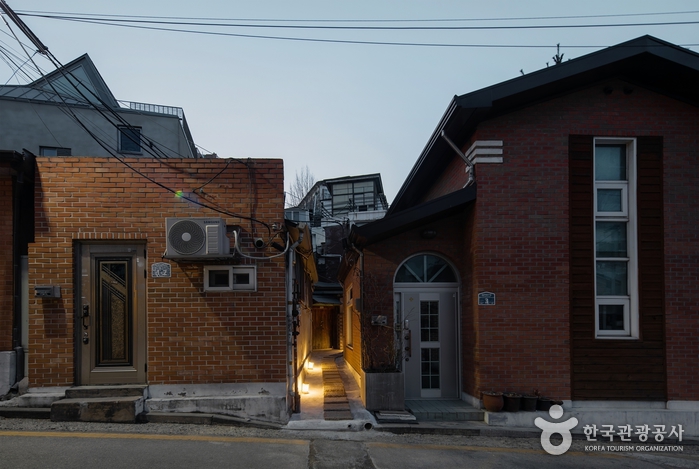
Nuwa (누와)
315.6M 2024-12-23
3-1 , Pirundae-ro 5na-gil, Jongno-gu, Seoul
+82-504-0904-2313
Nuwa is a small, tastefully-renovated private hanok in the Seochon Village residential area to the west of Gyeongbokgung Palace in Seoul. It gets the light through a window wall in the living room, which contains a walnut table where guests can take tea, and a bathtub: weary travellers will feel better after taking a foot bath or half-body bath. High-quality tea and bath salts are provided. The sleeping space has an unusual round window, like a full moon, facing the bed, through which guests can see the top of Inwangsan Mountain as they fall asleep.
SOSO House (소소하우스)
331.1M 2024-12-13
16-5 , Pirundae-ro 5ga-gil, Jongno-gu, Seoul
+82-10-5286-0704
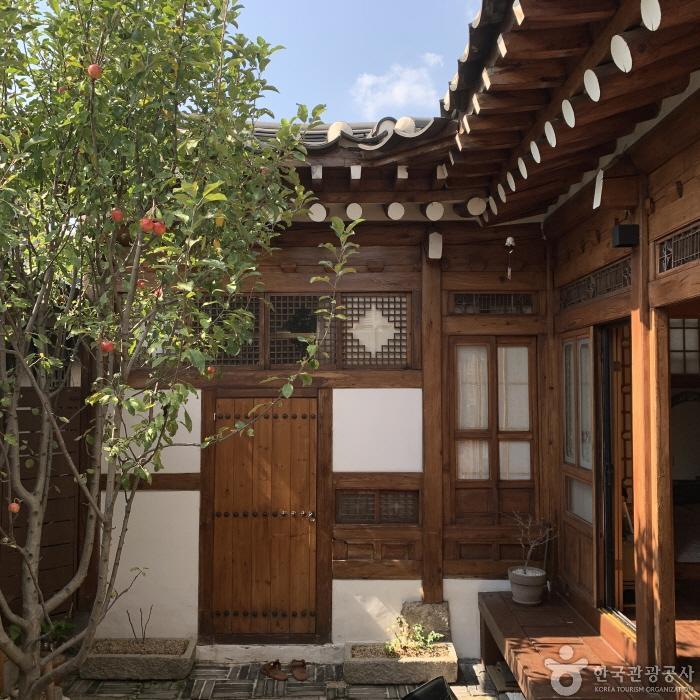
Soso House is a private hanok stay located in Seochon, Jongno-gu, Seoul. Once you enter the gate, you are greeted by a small yard paved with stones and an alpine apple tree. There is a stool on one side of the yard where you can enjoy a cup of tea on a sunny day. In the daecheong maru (wooden-floored hall, there is a master bedroom on one side and a kitchen on the other, and the master bedroom has an attic. Cooking is allowed, and complimentary breakfast includes toast, salad, and coffee, as well as complimentary homemade fruit syrup and tea bags. Gyeongbokgung Palace, Seoul Museum of History, and Park No-Soo Art Museum are all within walking distance.
NUHADANG(누하당)
335.6M 2024-06-20
49-7 , Pirundae-ro, Jongno-gu, Seoul
+82-2-3391-0010, +82-10-4347-5768
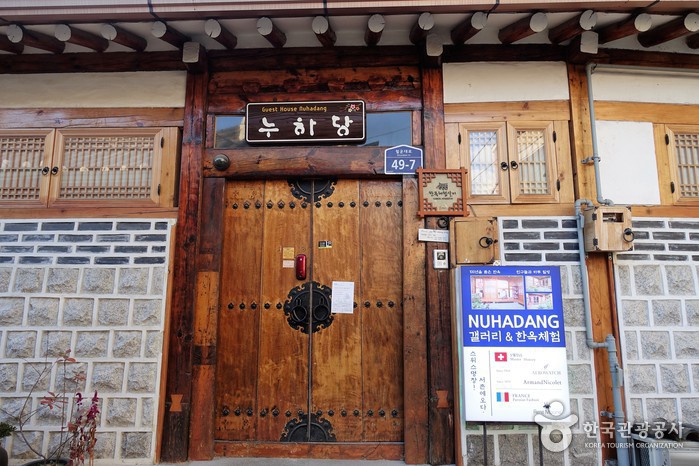
Nuhadang is a traditional hanok with over 100 years of history. It is located in a quiet spot in Seochon, Jongno-gu, Seoul, where many scholars and artists have lived since Joseon times. Rooms are wallpapered with eco-friendly Korean paper, and thick cotton blankets and cypress pillows will sooth travelers' fatigue. In the yard and small garden you can experience traditional Korean culture: janggu drumming, the game of yunnori, and Hanbok clothing. Walking the streets of Seochon - past Yun Dong-ju's hostel, Park No-su's art museum, and Lee Sang's house - you can still feel the atmosphere of old Seoul.
Haeunjae (하은재)
394.5M 2024-12-23
68-10 , Jahamun-ro, Jongno-gu, Seoul
+82-504-0904-2414
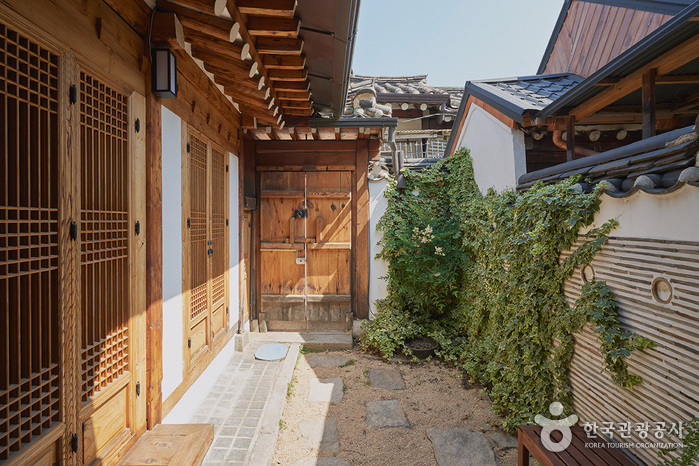
Ha Eunjae is a private hanok stay in Seochon Village, just west of Gyeongbokgung Palace in Seoul. The accommodation comprises a bedroom with queen-size bed, a kitchen, a movie room, and two bathrooms. The movie room is fitted out with a Bose sound system, a beam projector, and a large screen, with a movable footbath as a bonus. The kitchen is equipped for simple cooking. Guests staying 2 nights or more during the week receive a 10% discount, and towel replacement and cleaning services are provided for stays of 3 nights or more. Ha Eunjae is close to major tourist attractions such as Gyeongbokgung Palace and Samcheong-dong.
Sangchonjae House (상촌재)
409.5M 2025-11-06
12-11 , Jahamun-ro 17-gil, Jongno-gu, Seoul
Sangchonjae House, run by the Jongno Cultural Foundation, is a traditional hanok cultural space located in Sejong Village, Ogin-dong, Jongno-gu, and operates various cultural Korean programs such as exhibitions, educational experiences, and events to fully experience Korea's four seasons. The name Sangchonjae was conceived from the old name of Sejong Village, the western part of Gyeongbokgung Palace and the birthplace of King Sejong. The house reflects the lifestyle of an ordinary peasant during the Joseon dynasty. It consists of three buildings: the main building, the guesthouse known as sarangchae, and the annex. There is an experience center indoors offering tea ceremonies and traditional game experiences.
Seoul Sajik Park (사직공원(서울))
418.3M 2021-11-12
89, Sajik-ro, Jongno-gu, Seoul
+82-2-2148-4149
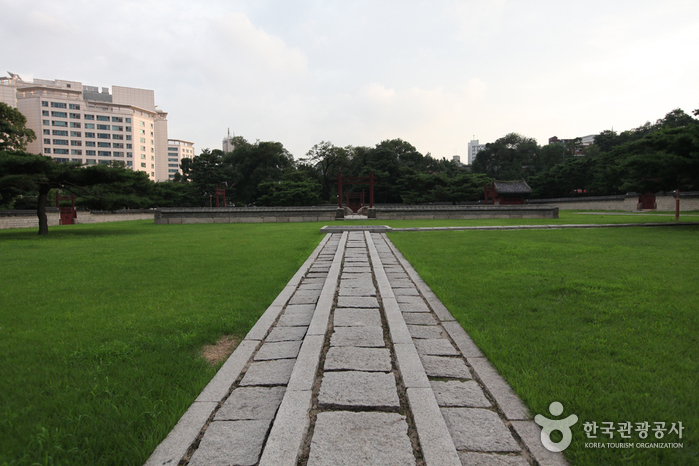
Sajik Park is one of the three most popular parks in Jongno-gu along with Tapgol Park and Samcheong Park. Located west of the Government Complex-Seoul on the southeastern foothills of Inwangsan Mountain, the park measures an impressive 188,710 m².
The name of the park dates back to 1395 when Taejo Yi Sung-gye made Sajik Altar (altar to the State deities) at the center of the park. "Sa" refers to the deity of the earth while "jik" refers to the deity of the five grains. Rites wishing for a good harvest were held regularly at Sajik Altar.
In the park are several playgrounds, statues of Sin Saimdang, Hwanghakjeong, and Yulkog Yi I, and the Municipal Children's Library. Dangun Shrine and Jongno Library are situated nearby. By following the path next to Sajik Park for approximately 5 minutes, travelers can reach the Inwangsan hiking path with relative ease.
 English
 한국어
한국어 日本語
日本語 中文(简体)
 Deutsch
 Français
 Español
 Русский


