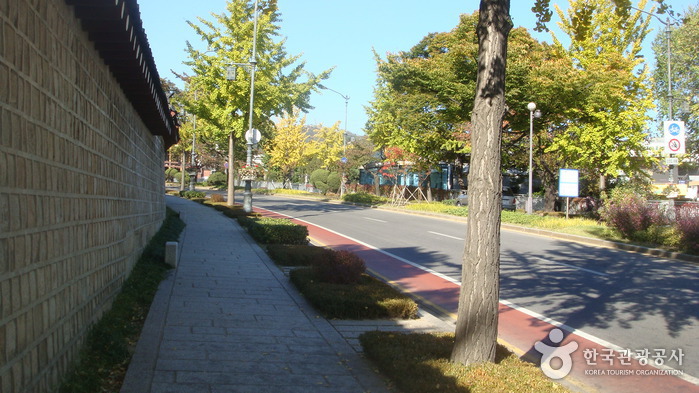
The Street in front of Cheongwadae (The Blue House) (청와대 앞길)
820.2M 2025-08-20
Gungjeong-dong, Jongno-gu, Seoul
+82-2-120
The street in front of Cheongwadae (the Blue House) is open to the public and includes both Hyoja Samgeori (Hyoja three-way intersection) in Hyoja-dong and Palpan Samgeori (Palpan three-way inetersection) in Palpan-dong. When walking along Hyoja-ro Road from Gyeongbokgung Station, sights include a fountain, Mugunghwa Garden, Yeonmugwan Hall, and Daegogak & Yeongbingwan Hall.
Cheongwadae Sarangchae consists of one basement level and two above-ground levels, including Korean Culture Exhibition Hall, Planned Exhibition Hall, a gift shop, and rest area (Korean Food Promotion Hall, Café) on the first floor and Cheongwadae Hall and Haengboknuri Hall on the second floor. Daegogak Hall houses a book donated to former president, Kim Young-sam for expressing the past spirit of Sinmungo (Petitioner's drum from Korean History). Yeonmugwan Hall is a martial art and fitness center for guards. Mugunghwa Dongsan, formed after the ansa (Safe House) was demolished in 1993, includes a well, mock fortress, and rest area. Located behind Mugunghwa Dongsan is Apostolic Nunciature in Korea and Chilgung (Seven Palaces).
At the beginning of the street in front of Cheongwadae, dense trees and beautiful flower gardens decorating both sides of the road make it a nice place for taking a walk. The area from the north gate of Gyeongbokgung Palace, Chunchumun, to the main gate of Gyeongbokgung Palace, Geonchunmun, is Samcheongdong-gil Road. This road is home to many art galleries, including Kukje Gallery, Growrich Gallery, Gallery Hyundai, and Jin Art gallery, in the area of Hyoja-ro.
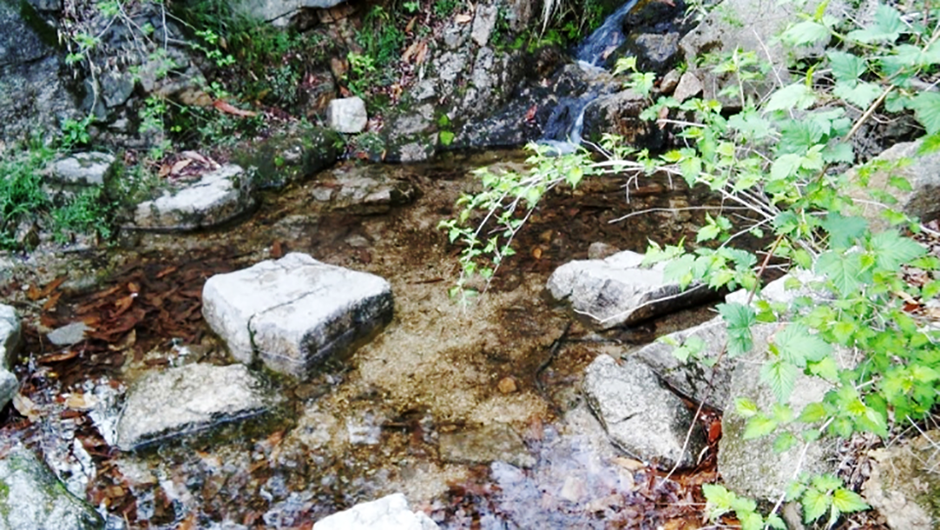
Suseongdonggyegok Valley (수성동계곡)
820.6M 2023-08-17
185-3, Ogin-dong, Jongno-gu, Seoul 서울특별시 종로구 옥인동
Suseong-dong Valley's stream runs down from Inwangsan Mountain and joins Cheonggyecheon Stream, and it is said that the name of the village was called Suseong-dong during the Joseon dynasty due to the loud and clear sound of the flowing water. It appears in the painting "Jangdong Palgyeongcheop," which is Jangdong Eight Scenic Views, that depicts the eight scenic views of Bugaksan Mountain and Inwangsan Mountain as well as in other historical books of the Joseon dynasty as a place of scenic beauty. The valley was so famous for its beauty, that Prince Anpyeong of the Joseon dynasty built his house "Bihaedang" to fully enjoy the view, and the valley and its stone bridge were designated as a cultural property of Seoul in 2010.
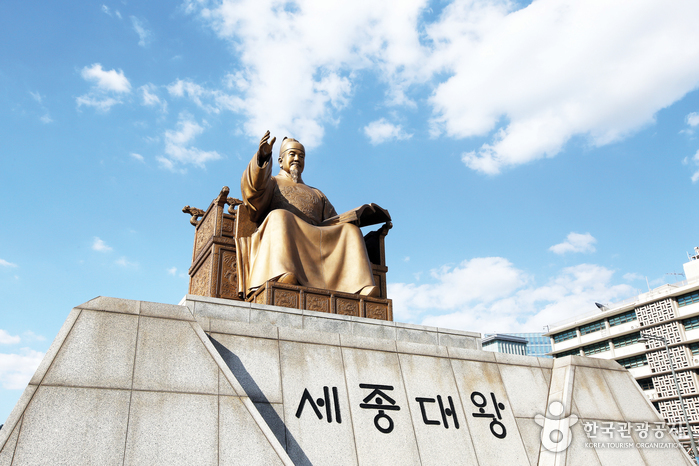
King Sejong Statue (세종대왕 동상)
833.8M 2024-03-04
175, Sejong-daero, Jongno-gu, Seoul
+82-2-2133-7713
King Sejong Statue can be found at Seoul’s Gwanghawmun Square. The statue commemorates King Sejong the Great (1397-1450, reign 1418-1450), the fourth king of Joseon (1392-1897). He is thought to be the greatest king in Korean history, for he is credited with great developments in science and technology, expansion of Joseon’s territory, and the creation of the Korean script, [Hangeul]. King Sejong’s likeness can be found on the 10,000 won bill as well.
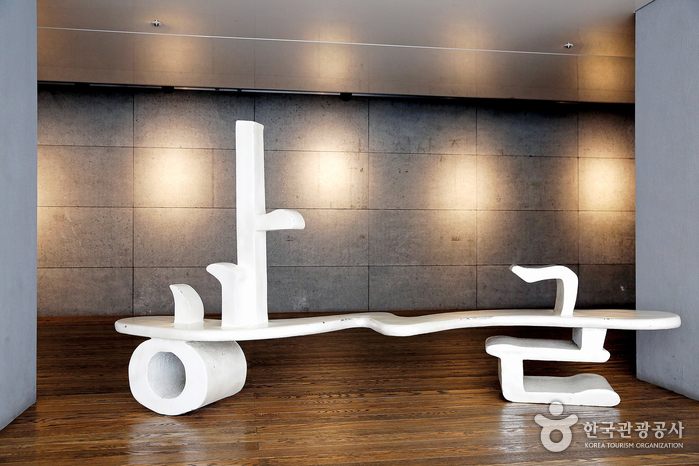
The Story of King Sejong (세종이야기)
848.3M 2022-09-13
jiha 175, Sejong-daero, Jongno-gu, Seoul
+82-2-399-1000
The Story of King Sejong comprises six different sections with a total area of 3,200 square meters. The museum consists of exhibition zones, an event space, video room, shop and more to display King Sejong’s scientific, artistic, military, and political contributions, including the theory of Minbon, which recognized the people as the base of politics. King Sejong, the 4th king of the Joseon dynasty (1397-1450, reigning from 1418-1450) was responsible for some of the most brilliant achievements in the history of Korea, including the creation of Hangeul (Korean alphabet) and great advancements in the areas of science, culture, art and politics.
Kumho Art Hall (금호아트홀)
853.9M 2021-05-28
76, Saemunan-ro, Jongno-gu, Seoul
+82-2-6303-1977
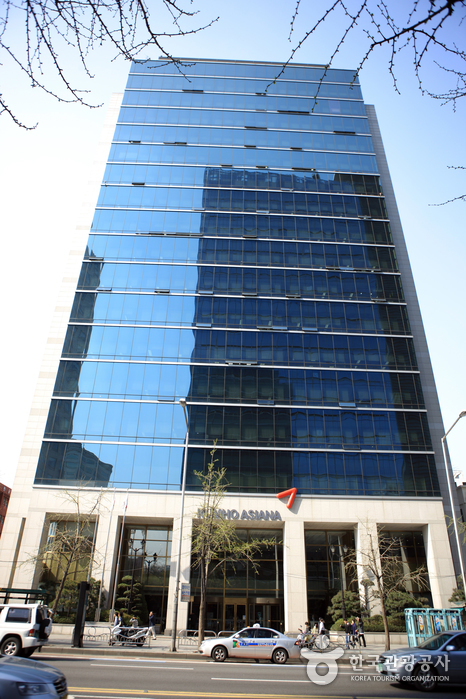
Kumho Art Hall was built in 2000 exclusively for classical music concerts, with 390 seats, the perfect structure for chamber concerts. All seats are recital hall chairs and the wide spacing between rows of chairs helps the audience to have a pleasant time. Upon entering the theater, all cell phones will turn off automatically. This helps all visitors to enjoy the concert without being interrupted by ringing cell phones. The interior is cozy and luxurious, and the stage is made of maple.
National Meteorological Museum of Korea (국립기상박물관)
855.3M 2024-03-26
52 Songwol-gil, Jongno-gu, Seoul
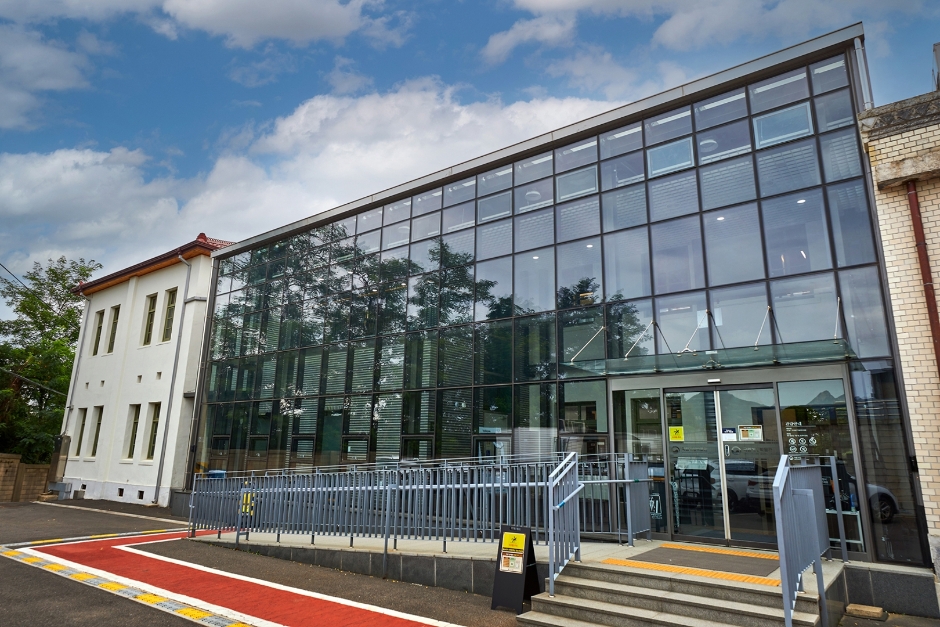
A museum where one can look at Korea's meteorological observation history and technological development through exhibitions. The museum has the world's first rain gauge, invented in 1441, in the early Joseon dynasty. The museum operates approximately 350 meteorological observatories across Korea and focuses on promoting the uniqueness and excellence of Korea's meteorological science. There are permanent collections and special exhibitions. The permanent collections focus on the history of meteorological science in Korea. At the same time, the special exhibitions take a closer look at the history and information about meteorological science and natural disasters (e.g., earthquakes) that occurred in various regions of Korea. There are experience programs related to meteorological science, such as making a rain gauge or learning about rain gauges.
Gwanghwamun Market (광화문 마켓)
866.3M 2025-12-05
B172 Sejong-daero, Jongno-gu, Seoul
+82-2-337-3692
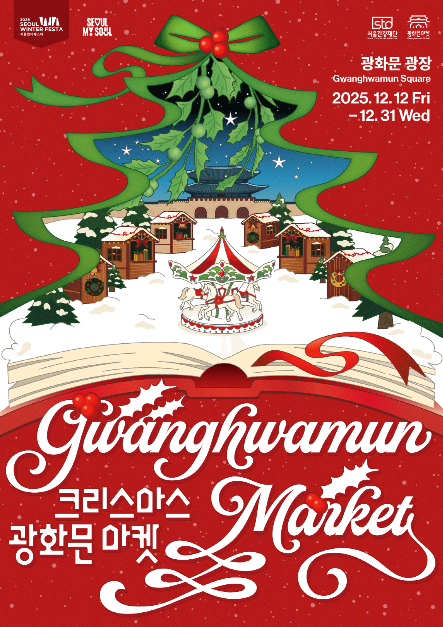
Gwanghwamun Market takes place along with the Seoul Lantern Festival to support local small businesses and promote Seoul night tourism. The market features local store owners and businesses that exhibit and sell seasonal decor, handcrafted items, and winter snacks.
Korean National Police Heritage Museum (경찰박물관)
881.1M 2021-12-21
41, Saemunan-ro, Jongno-gu, Seoul
+82-2-3150-3681
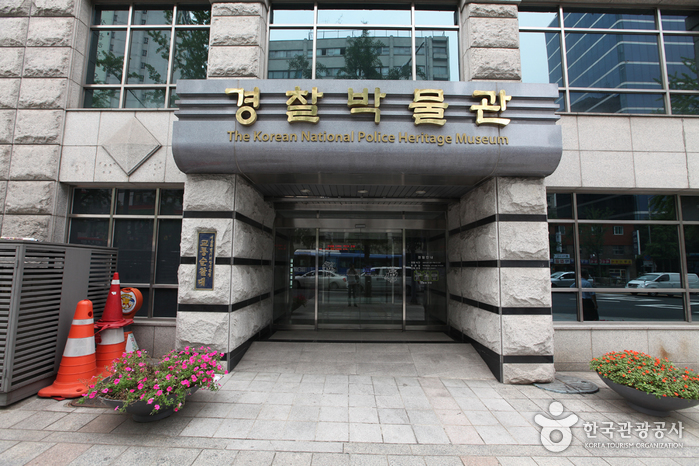
The police museum opened on October 14, 2005 to give a better understanding of the job of the police and to offer a formal education to children who wish to become police officers in the future. The history hall of the museum is designed for visitors to learn about the history of Korean police at a glance, exhibiting information on the police force from the Joseon dynasty up until current times.
Visitors to the museum can pretend to be police officers by touching actual equipment and learning about an officer's daily tasks. Visitors can also get in patrol cars, wear a police uniform, experience shooting a gun through a simulation, and learn self-defense martial arts and arrest techniques. Visitors can also go to the museum jail.
Cheong Wa Dae Media Display (청와대 국민과 함께 영상전시)
901.7M 2025-08-20
1 Cheongwadae-ro, Jongno-gu, Seoul
박주원 학예연구사 02-3771-8636
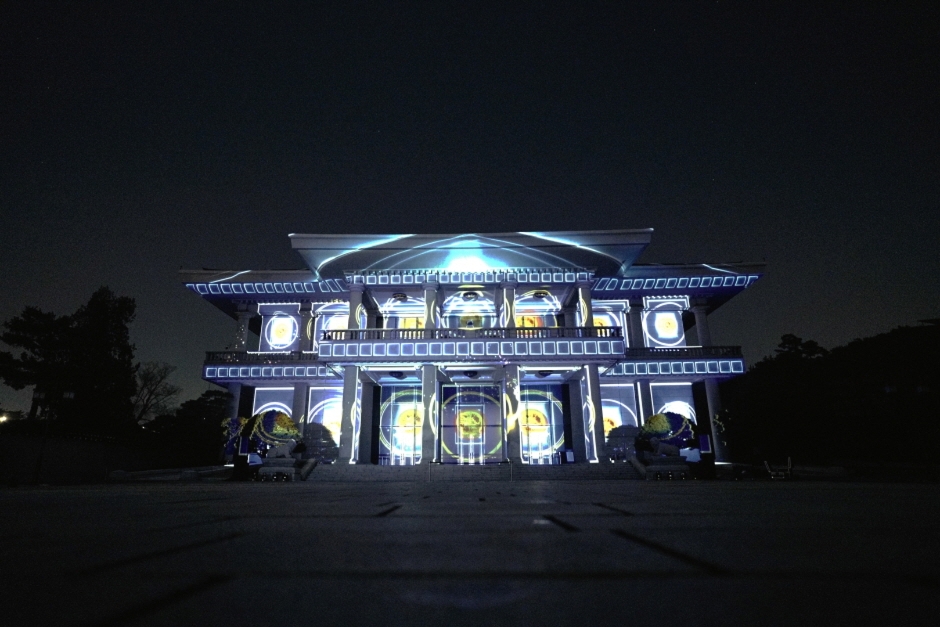
Cheong Wa Dae Media Display brightens the night through a media facade display on Yeongbingwan Hall. The display shows the history of Cheong Wa Dae through the theme "Twelve Lights".
KT Square (KT스퀘어)
906.4M 2021-07-08
178, Sejong-daero, Jongno-gu, Seoul
+82-1577-5599
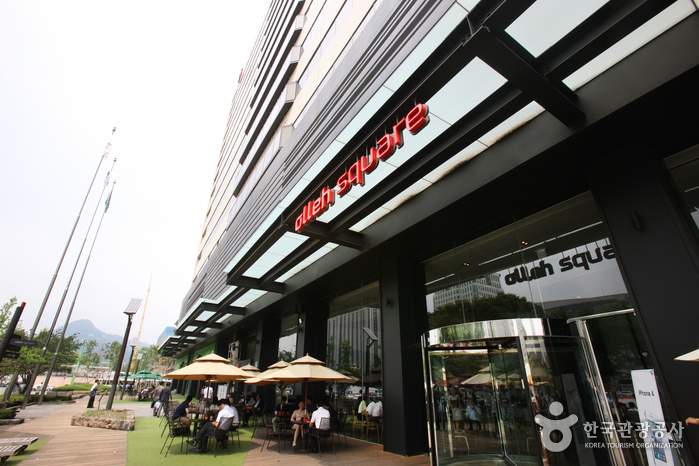
KT Square is a multi-complex that offers various cultural performances as well as hands-on experiences of the latest in IT technology. Gallery 130 showcases the history of KT Corp.
 English
 한국어
한국어 日本語
日本語 中文(简体)
 Deutsch
 Français
 Español
 Русский


