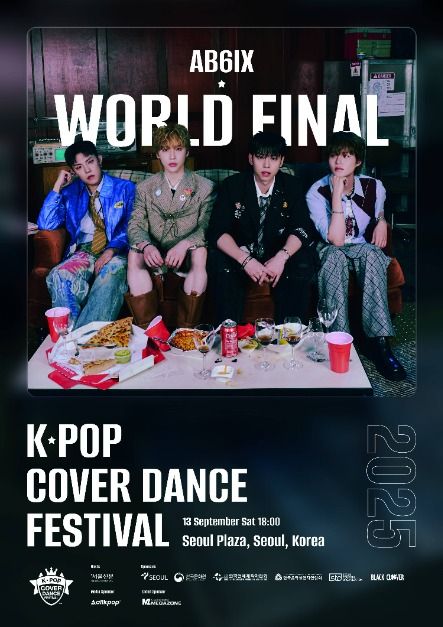
K-Pop Cover Dance Festival World Final (K-POP 커버댄스 페스티벌 월드 파이널)
767.6M 2025-10-23
110 Sejong-daero, Jung-gu, Seoul
+82-2-2000-9324
The K-Pop Cover Dance Festival World Final brings together K-pop fans from around the world, offering them a chance to become the main stars on stage. Going beyond just dance, the festival provides a platform where K-pop fans worldwide can share their culture, build a global network, express their passion through dance, and connect the entire world through Korean culture and K-pop.
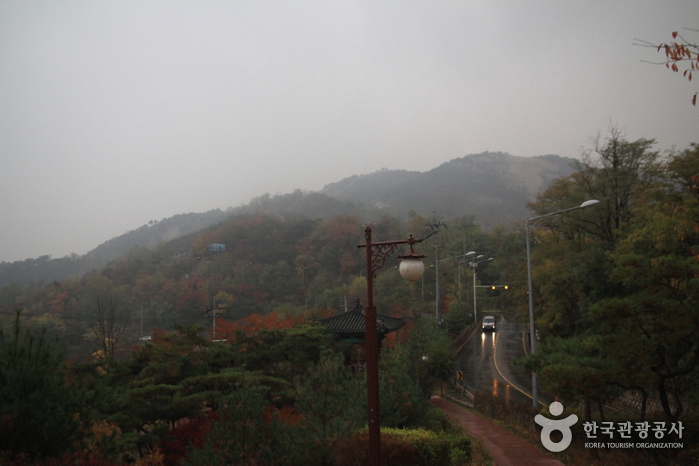
Inwangsan Mountain (인왕산)
774.9M 2024-03-04
San 2-1, Muak-dong, Jongno-gu, Seoul
+82-2-2148-2834
Inwangsan Mountain is a rocky mountain located to the northwestern side of Seoul. It stands 338m tall. The Seoul City Wall is built along its ridge, connecting to the Baegak Mountain Trail. From the summit, one can see the three mountains of Naksan Mountain, Namsan Mountain, and the Bugaksan Mountain surrounding the historical center of Hanyang, the historical name for Seoul in Joseon period, with the Gyeongbokgung Palace at the center. There are five hiking trails, all taking about two hours to complete. It takes about three hours if you want to visit all the peaks of the mountain.
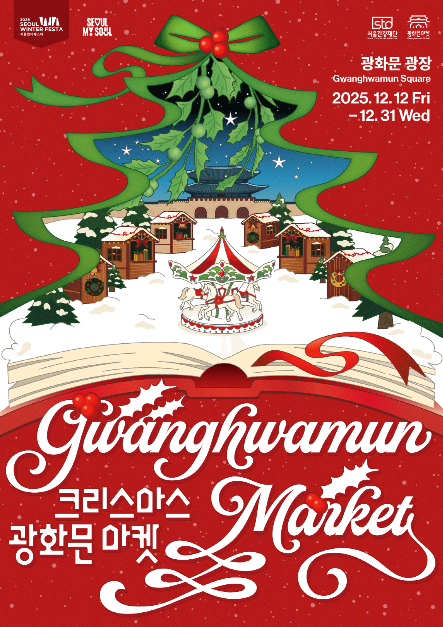
Gwanghwamun Market (광화문 마켓)
774.0M 2025-12-05
B172 Sejong-daero, Jongno-gu, Seoul
+82-2-337-3692
Gwanghwamun Market takes place along with the Seoul Lantern Festival to support local small businesses and promote Seoul night tourism. The market features local store owners and businesses that exhibit and sell seasonal decor, handcrafted items, and winter snacks.

Jinju Hoegwan (진주회관)
781.8M 2024-06-19
26 Sejong-daero 11-gil, Jung-gu, Seoul
+82-2-753-5388
Jinju Hoegwan is a renowned kongguksu (noodles in cold soybean soup) eatery near City Hall Station. Kongguksu is a traditional Korean summer dish made by boiling and grinding soybeans into a creamy broth, served with noodles, offering a refreshing and nutty flavor. Kongguksu is available from March to November. Their staff-recommended menu includes kimchi bokkeumbap (kimchi fried rice), freshly roasted by the staff, along with kimchi jjigae and samgyeopsal (pork belly).
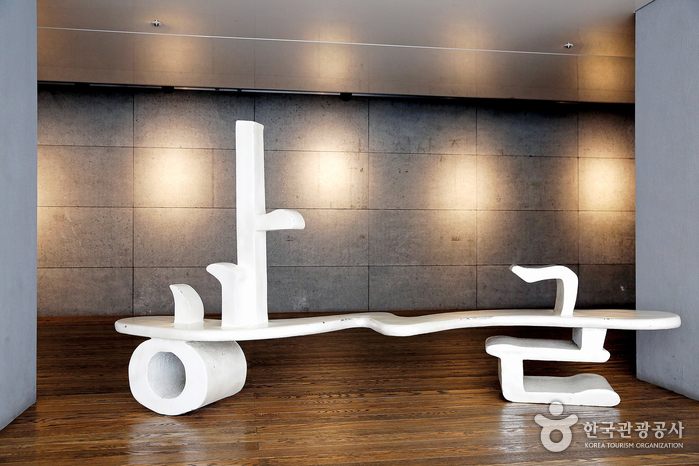
The Story of King Sejong (세종이야기)
802.4M 2022-09-13
jiha 175, Sejong-daero, Jongno-gu, Seoul
+82-2-399-1000
The Story of King Sejong comprises six different sections with a total area of 3,200 square meters. The museum consists of exhibition zones, an event space, video room, shop and more to display King Sejong’s scientific, artistic, military, and political contributions, including the theory of Minbon, which recognized the people as the base of politics. King Sejong, the 4th king of the Joseon dynasty (1397-1450, reigning from 1418-1450) was responsible for some of the most brilliant achievements in the history of Korea, including the creation of Hangeul (Korean alphabet) and great advancements in the areas of science, culture, art and politics.
King Sejong Statue (세종대왕 동상)
808.4M 2024-03-04
175, Sejong-daero, Jongno-gu, Seoul
+82-2-2133-7713
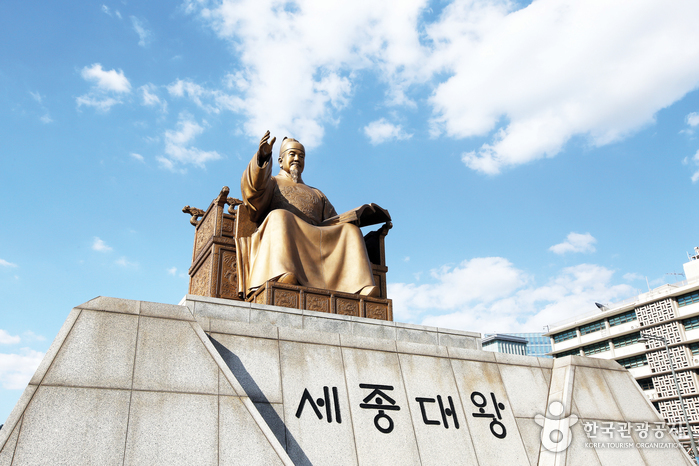
King Sejong Statue can be found at Seoul’s Gwanghawmun Square. The statue commemorates King Sejong the Great (1397-1450, reign 1418-1450), the fourth king of Joseon (1392-1897). He is thought to be the greatest king in Korean history, for he is credited with great developments in science and technology, expansion of Joseon’s territory, and the creation of the Korean script, [Hangeul]. King Sejong’s likeness can be found on the 10,000 won bill as well.
Seoul Plaza (서울광장)
810.0M 2024-06-19
110 Sejong-daero, Jung-gu, Seoul
+82-2-2133-5640
Seoul Plaza in front of Seoul City Hall is a historic site where the March 1, 1919 (Samil) Independence Movement and the pro-democracy movement in June 1987 were held. It is also a well-known place where tens of thousands of Korean soccer fans gathered together to watch the 2002 World Cup Games. Being located within the center of the city and surrounded by many historic attractions, including Deoksugung Palace, Seoul Plaza has become a representative attraction of Seoul.
Seosomun Historical Park (서소문역사공원)
811.2M 2023-08-11
5, Chilpae-ro, Jung-gu, Seoul
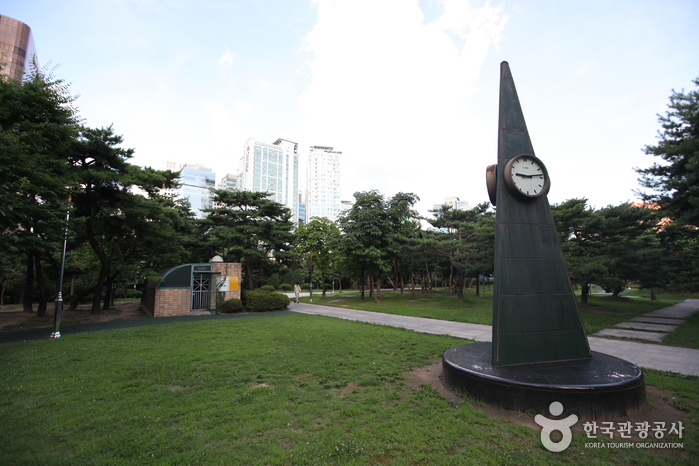
The Seosomun Gate area, which is located outside Seosomun Gate, was used as a persecution site in the 19th century before it turned into the local park of today. Many Catholics were suppressed and martyred here, making the area a holy site for Korean Catholics. Seosomun Gate was a gateway to Chilpae Market located near Namdaemun Gate. It was always busy with passerbys and the persecution site was established outside the gate to set an example of crime punishment to all the witnesses.
On May 15, 1999, a memorial tower was raised at the center of the park in honor of the martyrs. In 2013, Seoul's Jung-gu district also founded Seosumun Holy Shrine History Museum with a memorial exhibition hall in their honor.
Seoul Metropolitan Library (서울도서관)
815.4M 2022-12-14
110, Sejong-daero, Jung-gu, Seoul
+82-2-2133-0300
Seoul Library provides access to a wide range of documents and materials about Seoul Metropolitan City. Visitors will find diverse resources related to the city including history, culture, urban planning, transportation, environmental issues, administration, reports on outbound visitors, research documents, video clips, and e-data.
Kyobo Book Centre Gwanghwamun (교보문고)
832.9M 2024-12-04
1 Jong-ro, Jongno-gu, Seoul
02-3295-0312
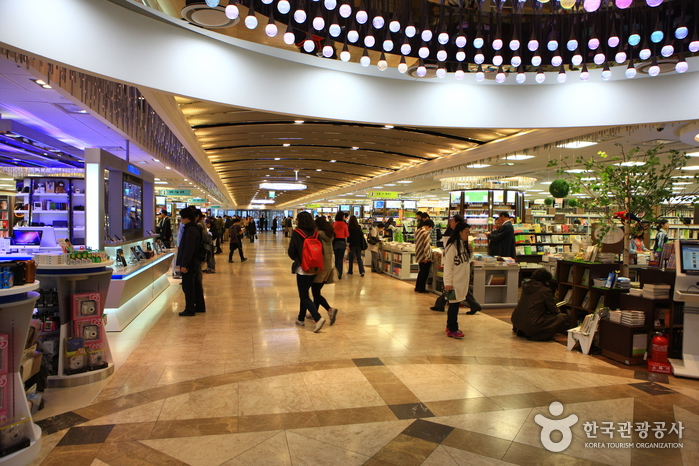
Kyobo Book Centre is the first large-scale bookstore in Korea, and this particular store can be found next to Gwanghwamun Square. Kyobo Book Centre Gwanghwamun divides its internal area into 11 sections and organizes them in a way that allows readers to find books easily. The store also has specialized shops for stationery, digital devices, and accessories, as well as exhibition spaces and cafés.
 English
 한국어
한국어 日本語
日本語 中文(简体)
 Deutsch
 Français
 Español
 Русский


