
Le Miel Plastic Surgery (르미엘성형외과의원)
4.2Km 2025-10-23
3rd Floor, 120 Jongno, Jongno-gu, Seoul
Valuable Beauty, Lemiel Plastic Surgery
A premium clinic where delicate technique and artistic sensibility come together. We provide not just external changes, but customized treatments that enhance each individual’s natural charm. Specialized in fast-recovery eyebag surgery using Encore Laser, customized eye surgery for facial balance, tailored lifting based on body type, and petite procedures that refine facial curves and volume.
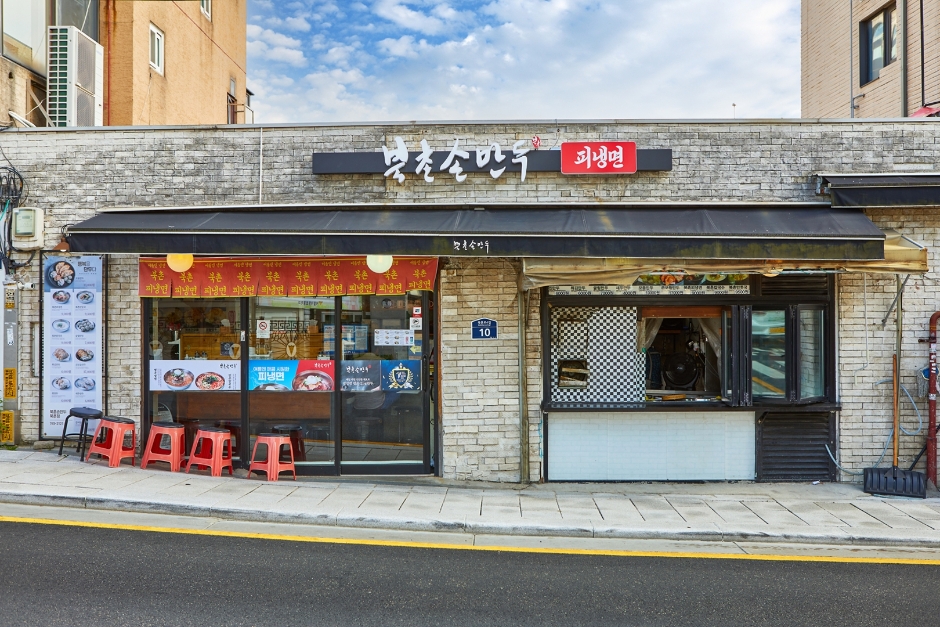
Bukchon Son Mandu Bukchon Branch (북촌손만두 북촌점)
4.2Km 2024-12-10
This third-generation family-owned handmade mandu restaurant has been in business since 1953. Its handmade mandu bears the tradition of nearly 70 years. This restaurant distinguishes itself above others with its unique expertise in the art of mandu-making and fresh ingredients, capturing deep flavors with care in each mandu. A full spread of mandu is available here, from steamed mandu to thin-skin mandu, deep-fried mandu, shrimp mandu, and galbi mandu, which can be ordered in individual pieces or as an assorted package. Mandu and noodles go perfectly together, and here, visitors can enjoy mandu with cold buckwheat noodles or noodle soup. The most recommended menu is the noodle soup, which serves thick, plump noodles in warm broth. But that does not mean that the cold buckwheat noodles are lacking: cold buckwheat noodles are served in a cool, red kimchi broth.
Jingogae (진고개)
4.2Km 2024-03-12
19-1 Chungmu-ro, Jung-gu, Seoul
+82-2-2267-0955
Jingogae is a standing store that opened its doors in 1963. Its signature dish is the eobok jaengban (boiled meat slices hot pot), where thick slices of meat are stacked along with vegetables, mandu, rice cakes, and eggs, all boiled together. In addition to this, they also serve dishes such as gejang jeongsik (marinated crab set menu), gopchang jeongol (small intestine hot pot), galbitang (galbi soup), and yukgaejang (spicy beef soup). The spicy and richly seasoned yangnyeom gejang (spicy marinated crab) is also a popular menu item, which when paired with rice, enhances its flavors even further.
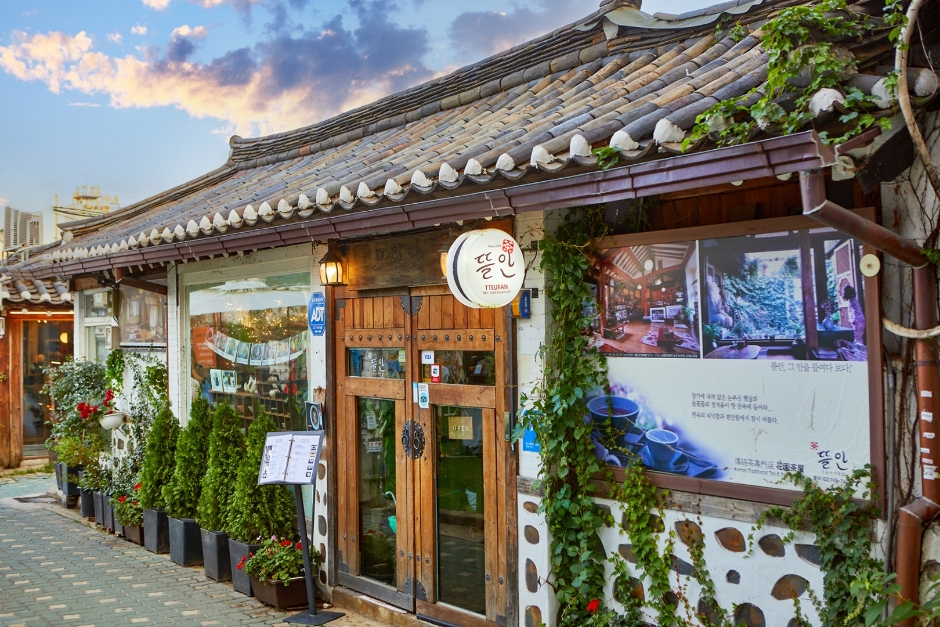
Tteulan Teahouse (뜰안)
4.2Km 2024-12-10
Tteulan Teahouse is a cafe that really allows one to feel the tradition and flair of Korea. Tteulan has two entrances: one facing the wide alley and the other facing the smaller one. The smaller entrance is decorated like a garden, so it feels as if one is stepping into a land of fairy-tales. The café has a floor seating tables with traditional items like gadari soban (a table with legs that curve like a dog's legs), and jogakbo (a textile woven from several pieces of scrap cloth), all of which add to the traditional Korean aesthetic. The menu features ssanghwacha (medicinal herb tea known to help the immune system), a favorite among middle-aged and elderly Koreans; omija tea (omija is a tart berry that grows in East Asia known to be good for lung and bronchial health and boosts immunity); citrus tea (usually made with yuzu which is rich in vitamin C and said to help mitigate fatigue); and pour-over coffee. Traditional desserts include mugwort rice cake (rice cake with mugwort added for herbal flavor, best enjoyed with malt syrup), pumpkin rice cake, and roasted grain powder (a nutritious beverage made with a variety of powdered grain). It can be hard to find seating in the afternoon, so visitors are advised to avoid these hours if they seek to enjoy their drink in peace.
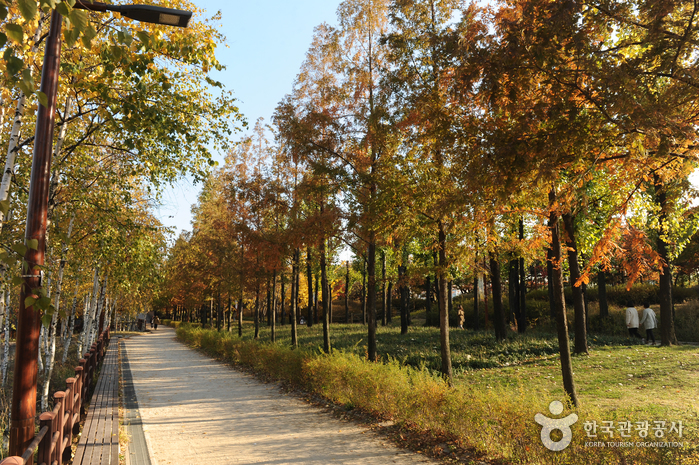
Seonyudo Park (선유도공원)
4.2Km 2025-10-27
343 Seonyu-ro, Yeongdeungpo-gu, Seoul
Seonyudo Park is Korea's first water-themed ecological park. The park was renewed from an old water treatment plant. Visitors can observe a water purification system, an aquatic plant garden, and an ecological forest, as well as exhibitions and other interesting facilities. The park also hosts diverse hands-on programs and exhibitions.
Korea Medical Institute KMI Yeouido Clinic ((재)한국의학연구소 케이엠아이여의도의원)
4.2Km 2025-10-23
13F-15F & 17F-18F, 24 Gukjegeumyung-ro 2-gil, Yeongdeungpo-gu, Seoul
Korea Medical Institute (KMI), a leader in 'K-health checkups,' operates health checkup centers across eight locations nationwide, from Seoul to Jeju. KMI has been striving to prevent and detect diseases early. It has led the popularization of comprehensive medical examinations in Korea. Based on 39 years of accumulated data and expertise, KMI has enhanced its capabilities in health checkups, services, and brand value.
By utilizing its diagnostic data accumulated over the years, KMI provides accurate test results and follow-up care promptly.
KMI will stay committed to becoming a lifetime health management partner and 'K-health checkup' leader by leveraging its excellence in Korean medicine, beyond health checkups for foreign patients.
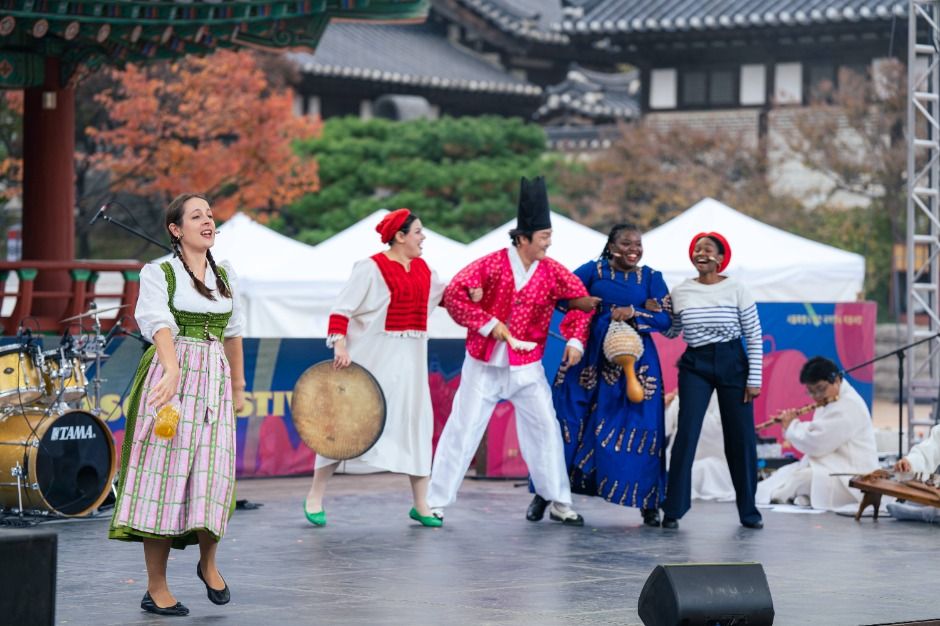
World Pansori Festival (월드판소리페스티벌)
4.2Km 2025-07-30
28 Toegye-ro 34-gil, Jung-gu, Seoul
+82-2-904-2835
World Pansori Festival is an international music festival that aims to promote pansori, the traditional Korean epic chant, and its values. The festival consists of a variety of performances and concert programs based on its yearly theme. In addition, the festival also has interactive activities for the attendees, such as a free pansori lesson and arts-and-crafts, to make pansori and traditional Korean music more accessible to the public.
![Semi Jewelry [Tax Refund Shop] (새미쥬얼리)](http://tong.visitkorea.or.kr/cms/resource/84/2887784_image2_1.jpg)
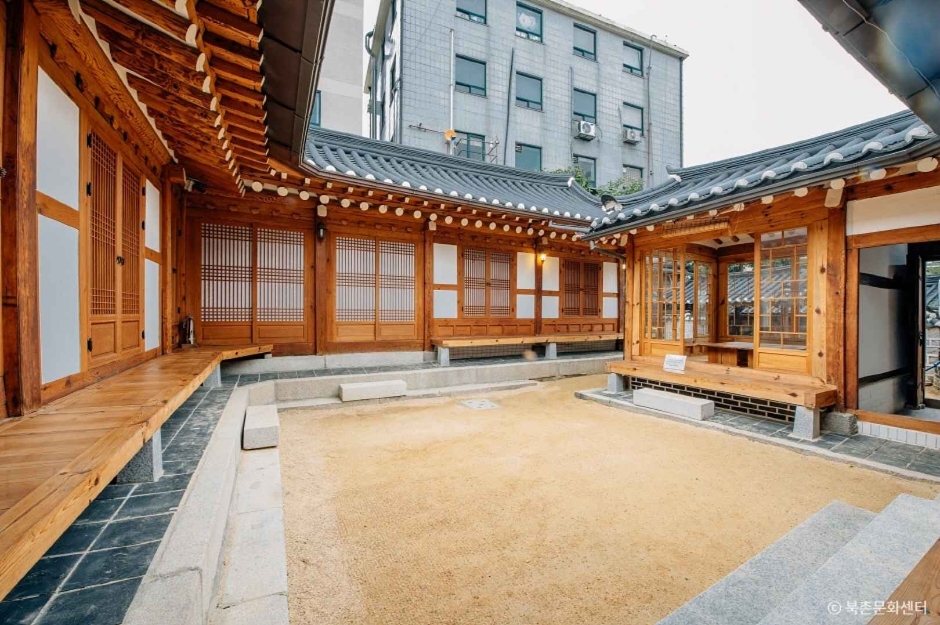
Bukchon Cultural Center (북촌문화센터)
4.3Km 2025-06-19
37 Gyedong-gil, Jongno-gu, Seoul
Bukchon Cultural Center, located in a hanok, was established to offer traditional cultural experience opportunities for visitors to the area. The programs include tea ceremony, handicraft, and gugak as well as a Public Relations Exhibition Hall introducing Bukchon culture and hanok. Also, the center houses a space and a pavilion for visitors to relax while traveling.
Eight Scenic Views of Bukchon (북촌 8경)
4.3Km 2024-03-18
37, Gyedong-gil, Jongno-gu, Seoul
+82-2-2148-4161
The Eight Scenic Views of Bukchon can be found at the Bukchon Hanok Village between Gyeongbokgung Palace and Changdeokgung Palace. Bukchon was historically a district where the aristocracy of Joseon had resided in, so it is still home to a large number of traditional dwellings, called hanok in Korean. The eight views are as follows: No. 1, view of Chengdeokgung Palace; No. 2, view of Wonseo-dong Handicraft Road; No. 3, view of the Gahoe-dong area; No. 4, view from the hill at Gahoe-dong (Bukchon Observatory); No. 5, the view of the road uphill at Gahoe-dong; No. 6, the view of the road downhill at Gahoe-dong; No. 7, the view at house number (beonji) 31, Gahoe-dong; No. 8, the view of the stone stairway at Samcheong-dong.
 English
 한국어
한국어 日本語
日本語 中文(简体)
 Deutsch
 Français
 Español
 Русский


