
Unhyeongung Royal Residence (서울 운현궁)
5.1Km 2024-03-04
464, Samil-daero, Jongno-gu, Seoul
+82-2-766-9090
Located near the Gyeongbokgung Palace, Unhyeongung Palace was a residence of royalty in Joseon period. It was the place where Gojong (1582-1919, reign 1864-1907), king of Joseon (1392-1897) and emperor of the Korean Empire (1897-1910), was born in, as well as the place where Heungseon Daewongun (1821-1898), his father, had resided in. Buildings include Noandang Hall, Norakdang Hall, and Irodang Hall. The Royal Residence offers programs like traditional weddings and traditional culture experiences, while the exhibition hall showcases Joseon-era artifacts.
Korea House (한국의집)
5.1Km 2025-10-23
10, Toegye-ro 36-gil, Jung-gu, Seoul
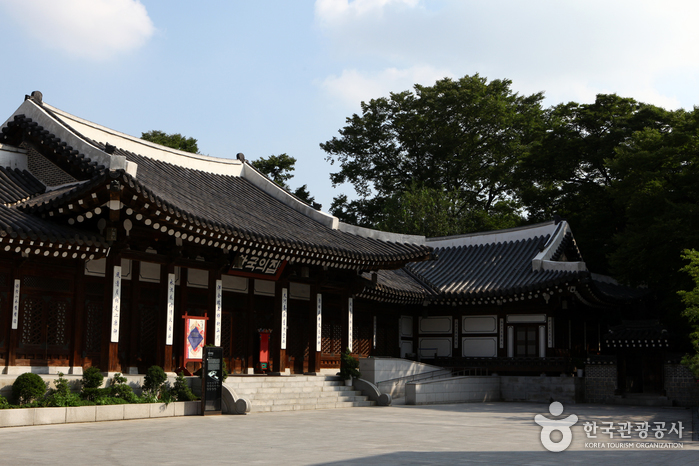
The Korea House was opened in 1981. It is a traditional Korean building that introduces the culture and lifestyle of Koreans, where you can experience traditional architecture and a classical atmosphere. The building was built in the style of the Joseon Dynasty's Jagyeong-jeon building at the Gyeongbok Palace. It is the only building built in the traditional architectural style. You will feel its antiquity as you enter the building.
It is divided into the Haerin-gwan (a space for people to get acquainted with each other), the Traditional Theater, and three annex buildings (Munhyang-ru, Nokeum-jeong and Cheongwu-jeong). At Haerin-gwan, you can enjoy traditional music at Garak-dang and try traditional food at Sohwa-dang. In the square of Garak-dang you can view a traditional wedding (on the weekends) or people playing folk games. Also, at the Traditional Theater, about 156 seats are available, and in the afternoons Human Cultural Assets or members of the National Center for Korean Traditional Performing Arts and the National Corps members present traditional music and dances. Sinayui, Salpuri, Pansori, the Drum Dance and the Bongsan Mask Dance are the most popular programs for foreigners. The programs are all explained in English and Japanese.
In the Cultural Gift Shop you can view various crafts made by traditional craftsmen. It is always open and the crafts are for sale as well. There are pottery, ceramics, golden crafts, knots and embroidery etc; approximately 500 pieces of artwork made by craftsmen from 20 different fields. Next to the House of Korea is the Namsan-gol Hanok Village where visitors can explore traditional houses.
Korea House (한국의집)
5.1Km 2024-03-05
10 Toegye-ro 36-gil, Jung-gu, Seoul
+82-2-2266-9101
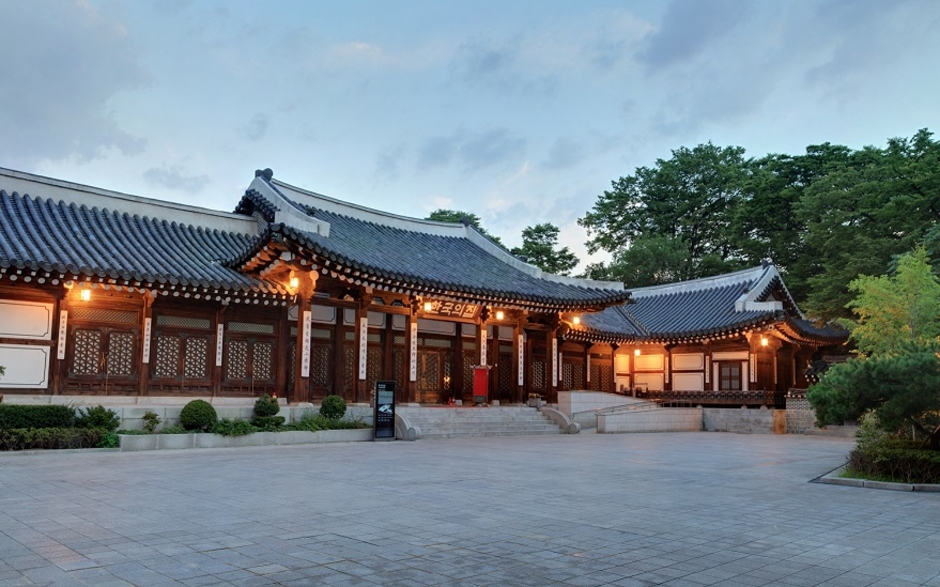
Located in the center of Seoul, Korea House is a must-visit tourism spot as a high-end cultural complex offering Hanjeongsik (Korean table d'hote), traditional refreshments, traditional performance arts, and traditional weddings, allowing visitors to feel the beauty of Korean culture and the taste of Korea. Guests can also enjoy the elegant beauty of hanok.
![Olens - Sangam DMC Branch [Tax Refund Shop] (오렌즈 상암 DMC)](http://tong.visitkorea.or.kr/cms/resource/02/2888302_image2_1.jpg)
Olens - Sangam DMC Branch [Tax Refund Shop] (오렌즈 상암 DMC)
5.1Km 2024-04-17
Store #R101 (Nuri Dream Square, Sangam-dong), 396, World Cup buk-ro, Mapo-gu, Seoul
-
Jaha Sonmandu (자하손만두)
5.1Km 2024-03-06
12 Baekseokdong-gil, Jongno-gu, Seoul
+82-2-379-2648
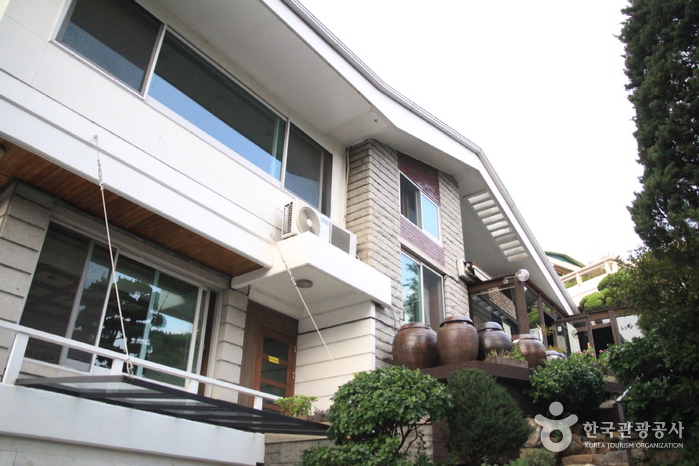
Jaha Sonmandu is a mandu specialty restaurant located in Buam-dong. Their signature dish is mandu guk (mandu soup), which features dumplings filled with beef, pork, mung beans, and bean curd, boiled in a clear broth. The chewy mandu skin and the clean-tasting broth, flavored with homemade soy sauce, are highlights of the dish. Housed in a renovated residential building, the restaurant offers a refined yet homey atmosphere for dining. Through the windows, diners can enjoy a refreshing view of Inwangsan Mountain.
Bugaksan Mountain (북악산)
5.1Km 2024-03-04
Cheongun-dong, Jongno-gu, Seoul
+82-2-765-0297
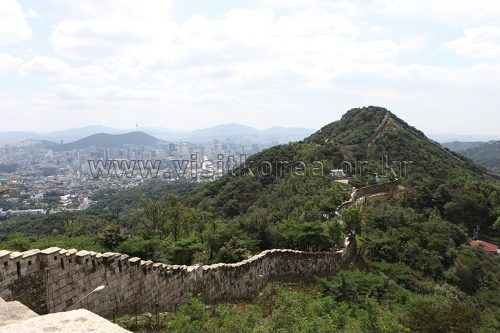
Bugaksan Mountain is the mountain that one can see behind the Gyeongbokgung Palace and the Cheong Wa Dae to the north. Hanyangdoseong, the city wall that surrounded the historic capital of Hanyang, was built by connecting the ridges of this mountain. These walls can still be found today, having been preserved quite well. Different trails weave through the area along the Hanyangdoseong, the Seoul City Wall, and one can visit these trails at night as well. Bugak Skyway is a road that connects Changuimun Gate to Jeongneung Royal Tomb, and one can get a great view of Seoul’s city center from the Palgakjeong Pavilion on Bugak Skyway.
PKM Gallery (PKM갤러리)
5.1Km 2024-03-18
40 Samcheong-ro 7-gil, Jongno-gu, Seoul
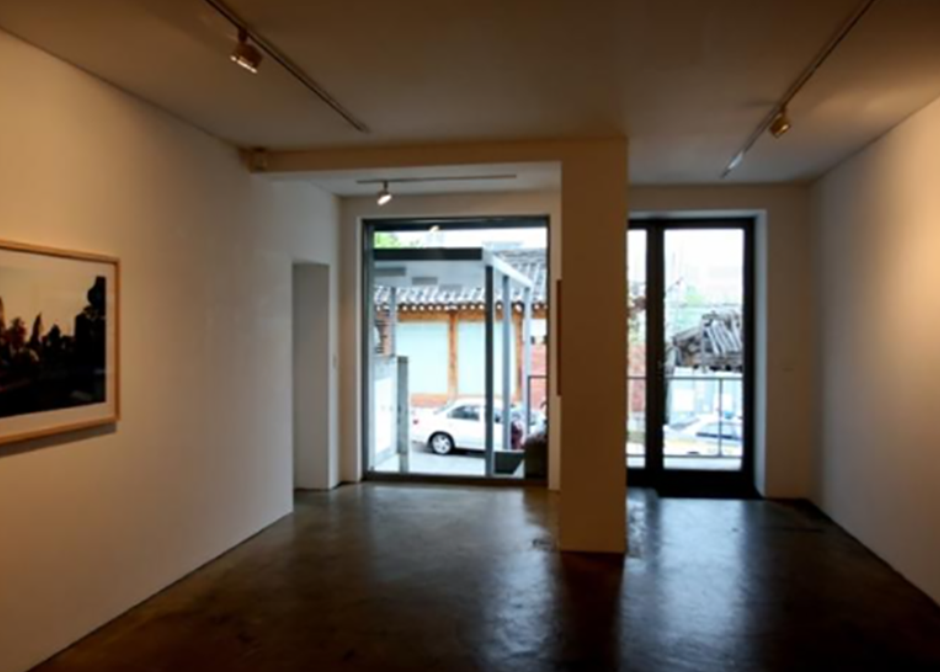
PKM Gallery, now providing 397 square meters of exhibition space, includes a main building with a maximum x_height of 5.5 meters comprising two upper stories and a two-story basement. PKM+, an annex built in 2018, has one upper story and a basement floor and is equipped with a boutique-like gallery space.
The gallery not only exhibits the works of leading figures in Korean contemporary art, but has also succeeded in introducing renowned international artists to the Korean audience. As an incubator for emerging young artists, PKM Gallery has been organizing exhibitions to encourage their growth as leading artists of the next generation. PKM gallery, the first among the Korean galleries invited to participate in the Frieze Art Fair in 2004, played a major role in advancing Korean contemporary art to the global art market.
Baek In-je House (백인제가옥)
5.1Km 2025-10-24
16 Bukchon-ro 7-gil, Jongno-gu, Seoul
+82-2-724-0200
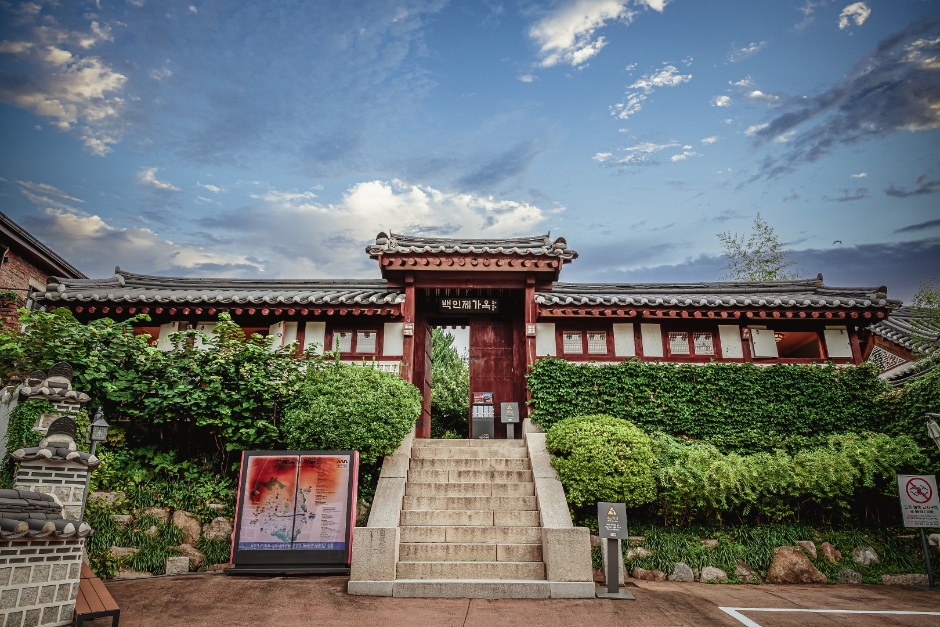
Baek In-je House, located in Bukchon Hanok Village, is a hanok built during the Japanese administration period that portrays modern hanok features. The structure consists of a main room offering a good view of the whole village, spacious bedrooms, a large garden, and annex buildings. As it maintains the beauty of a traditional hanok while incorporating the modern trend of its time, Baek In-je House is considered to be highly valuable in means of both architecture and history, representing the Bukchon Hanok Village together with Yun Bo-seon House.
Baek In-je House was built from black pine, which was first introduced in Seoul during the Gyeongseong Expo in 1907, distinguishing itself from other upper-class houses of its time. Unlike other traditional hanok designs that separate the main building from the other rooms, Baek In-je House connects the two with a hallway, allowing convenient access between the two structures. The house also consists of a Japanese-style hallway and floor mat rooms, reflecting the interior trends of that period. Baek In-je House is also unique in that the main room is partially built as a two-story structure, a style that was never seen in any traditional hanok built during the Joseon period.
![Semi Jewelry [Tax Refund Shop] (새미쥬얼리)](http://tong.visitkorea.or.kr/cms/resource/84/2887784_image2_1.jpg)
The Sool Gallery (전통주갤러리)
5.1Km 2025-06-19
18 Bukchon-ro, Jongno-gu, Seoul
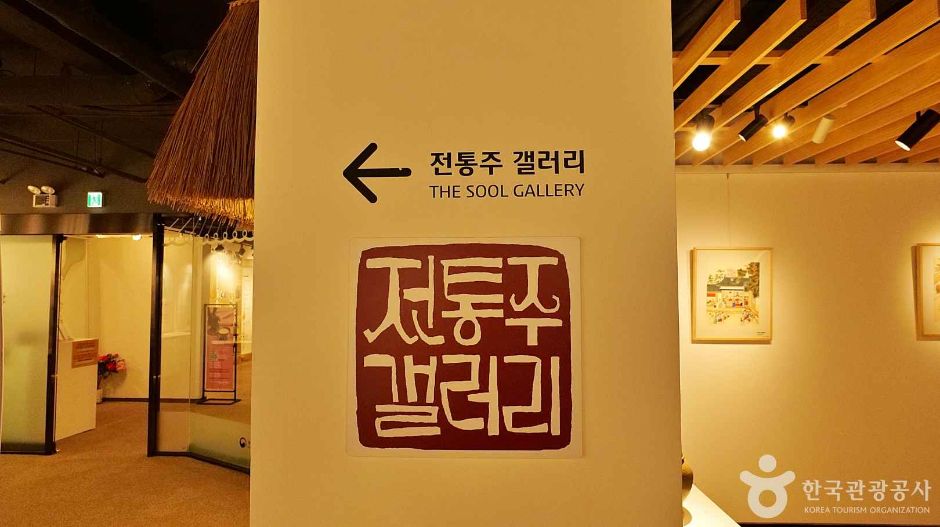
The Sool Gallery is an exhibition and experience space for traditional Korean liquor, established to promote the taste, style, and cultural values of the time-honored traditional Korean liquor. It provides various information about traditional Korean liquor for consumers or international tourists who can rarely obtain such information elsewhere. In addition, it provides traditional liquor education and business counseling to food service businesses and sales experts to continuously create demand for traditional liquor and expand the market. It is run by experts specializing in traditional liquor, including traditional liquor sommeliers, and it holds events to introduce various traditional liquors with different themes every month, as well as tasting events. Moreover, according to the monthly changing “Recommended Traditional Liquor by Month,” it displays a drinking glass and a bottle of the month recommended by the Korea Craft & Design Foundation.
 English
 한국어
한국어 日本語
日本語 中文(简体)
 Deutsch
 Français
 Español
 Русский


