
I'mdr. LLC. (아임닥터 유한책임회사)
3.2Km 2025-10-23
3F, 6-3 Bugahyeon-ro 2-gil, Seodaemun-gu, Seoul
I'mdr. LLC., leads the global medical tourism market with Korea's cutting-edge medical technology and world-class medical services.
With I'mdr, a health and beauty trip to Korea will be safer and more comfortable. It provides both aesthetic medical services and treatment for severely ill patients. Enjoy innovative, patient-centered medical tourism experience through I'mdr.'s customized medical concierge services.
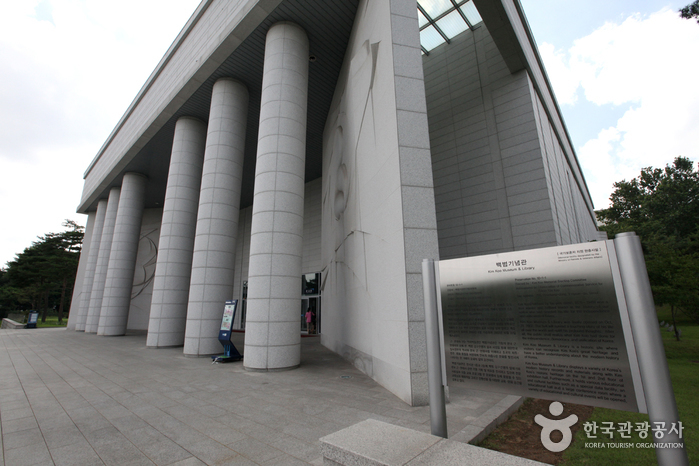
Kim Koo Museum & Library (백범김구기념관)
3.3Km 2022-08-30
26, Imjeong-ro, Yongsan-gu, Seoul
Kim Koo Museum & Library was built in Yongsan-gu, Seoul to commemorate Baekbeom Kim Koo (1876-1949), a highly respected Korean independence activist. It opened on October 22, 2002 to commemorate Kim Koo's efforts and achievements in Korean history. The main hall is comprised of two floors, exhibiting relics related to his entire life. A statue of a seated Kim Koo is situated in the central space of the first hall.
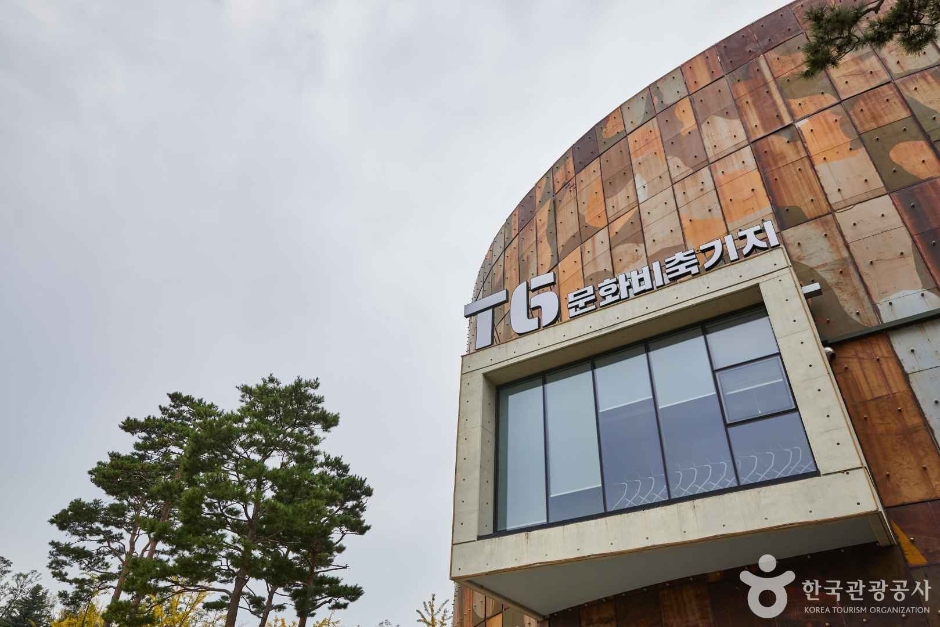
Oil Tank Culture Park (문화비축기지)
3.4Km 2024-11-01
87 Jeungsan-ro, Mapo-gu, Seoul
After being used as an oil tank for 41 years, the tanks were reborn into a culture space. The five tanks were transformed into performance halls, exhibition halls, and a multi-purpose pavilion, while one new tank was built to be used as an information center. In addition, the temporary parking lot turned into a culture yard where visitors can relax as well as enjoy activities or performances.
Seodaemun Museum of Natural History (서대문자연사박물관)
3.4Km 2021-07-02
51, Yeonhui-ro 32-gil, Seodaemun-gu, Seoul
Nestled at the foothills of Ansan Mountain, a natural resting area in the city, Seodaemun Museum of Natural History is the first natural history museum in the nation to be established by a government agency. Opened on July 10, 2003, the museum offers various opportunities to experience and learn about the environment. It also provides the chance to interact with animals and plants, teaching the value of life.
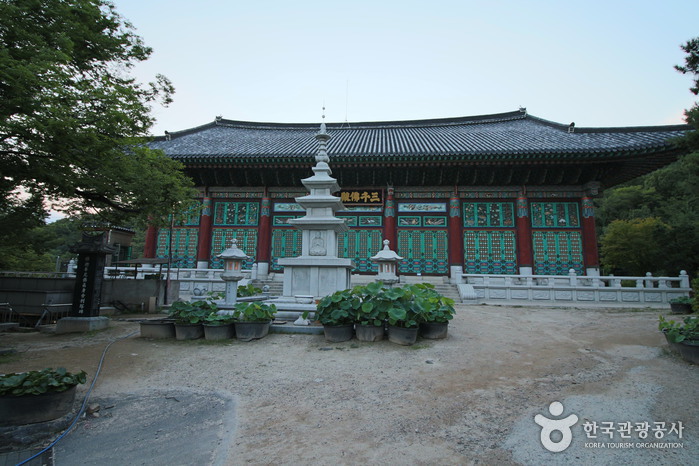
Bongwonsa Temple (봉원사)
3.4Km 2023-03-13
120, Bongwonsa-gil, Seodaemun-gu, Seoul
Located on the outskirts of Ansan Mountain in Bongwon-dong, Seodaemun-gu, Seoul, Bongwonsa Temple, as the center of Korean Buddhism Taego, is a thousand-year-old temple with a long history and tradition. In 889 (3rd year of Shilla Queen Jinseong’s reign), Monk Doseon founded it at the ground of Yeonhui Palace (now Yonsei Univ.) and named it Banyasa temple. It was destroyed during the Imjin War in 1592, and later in 1748 (the 24th year of Joseon King Yeongjo’s reign), it was rebuilt and renamed “Bongwonsa” by two Buddhist monks, Chanjeup and Jeungam.
“Yeongsanjae,” one of the Buddhist rituals and also a National Intangible Cultural Property, takes place at Bongwonsa on June 6 every year wishing for world peace and the reunification of North and South Korea. It was designated as one of the Intangible Cultural Heritage of Humanity by UNESCO in 2009. During Yeongsanjae, visitors can enjoy the Buddhist arts such as Beompae (Buddhist temple music for rituals) and dancing. Also, during summertime, Seoul Lotus Flower Culture Festival takes place, where visitors can enjoy the beautiful lotus flowers which are a symbol of Buddhism.
Ewha Womans University Mokdong Hospital (이화의대부속목동병원)
3.4Km 2025-10-23
1071 Anyangcheon-ro, Yangcheon-gu, Seoul
Ewha Womans University Mokdong Hospital, established in 1993, continues the legacy of Pogoonyogoan (1887), Korea’s first women’s hospital. As a 5th-stage tertiary hospital, it delivers advanced care through specialized centers, treating high-complexity diseases such as cancer, cardiovascular and cerebrovascular disorders, and organ transplantation, as well as chronic conditions like hypertension, diabetes, and joint diseases. With the opening of Cancer Center for Women (2009), Urology Institute (2022), and Blood Cancer Hospital (2025), the hospital has expanded its expertise and patient-centered environment, providing trusted, high-quality medical services.
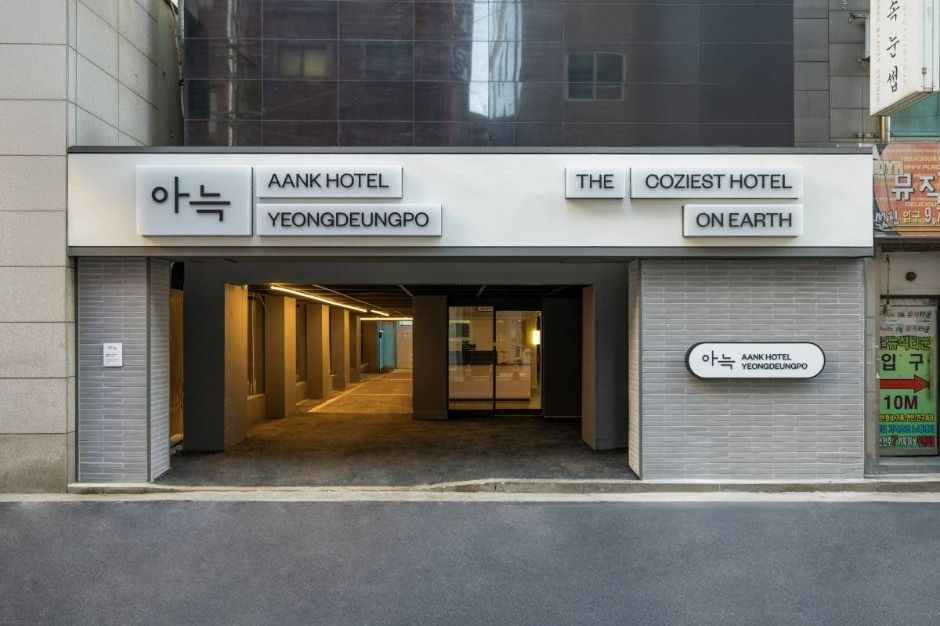
Aank Hotel Yeongdeungpo (아늑호텔 영등포점)
3.6Km 2025-04-24
10 Yeongjung-ro 10-gil, Yeongdeungpo-gu, Seoul
Located within 5 minute's walking distance from Yeongdeungpo Station, Aank Hotel Yeongdeungpo has major attractions like Times Square and Yeongdeungpo Market in the vicnity. The hotel lobby has a coffee machine, ice dispenser, and water dispenser for guests' convenience. Equipped with a variety of room types, guests can enjoy both comfort and entertainment at Aank Hotel Yeongdeungpo.
The Catholic University of Korea, Yeouido St. Mary's Hospital (가톨릭대학교 여의도성모병원)
3.6Km 2025-10-23
(Yeouido-dong), 10 63-ro, Yeongdeungpo-gu, Seoul
The Catholic University of Korea, Yeouido St. Mary's Hospital, established in 1936, is a hospital affiliated with a medical school and has a rich history of advancing the country's medical field through exceptional medical staff and pioneering research.
The hospital offers a convenient fast-track service for swift diagnosis and treatment, ranging from complex cancer care to minor conditions. As the first in Korea to open a dedicated lymphoma center, we have specialized expertise in treating various cancers, including lymphoma.
Our use of da Vinci robotic surgery allows for precise, minimally invasive procedures for complex conditions such as uterine fibroids, rectal cancer, prostate cancer, and thyroid cancer, promoting faster recovery. The hospital's one-stop service for breast and thyroid nodules ensures rapid diagnosis and treatment planning, completing biopsies within a single day.
At the Catholic University of Korea, Yeouido St. Mary's Hospital, we remain committed to providing top-tier medical services and advancing medical research while upholding the highest standards of bioethics.
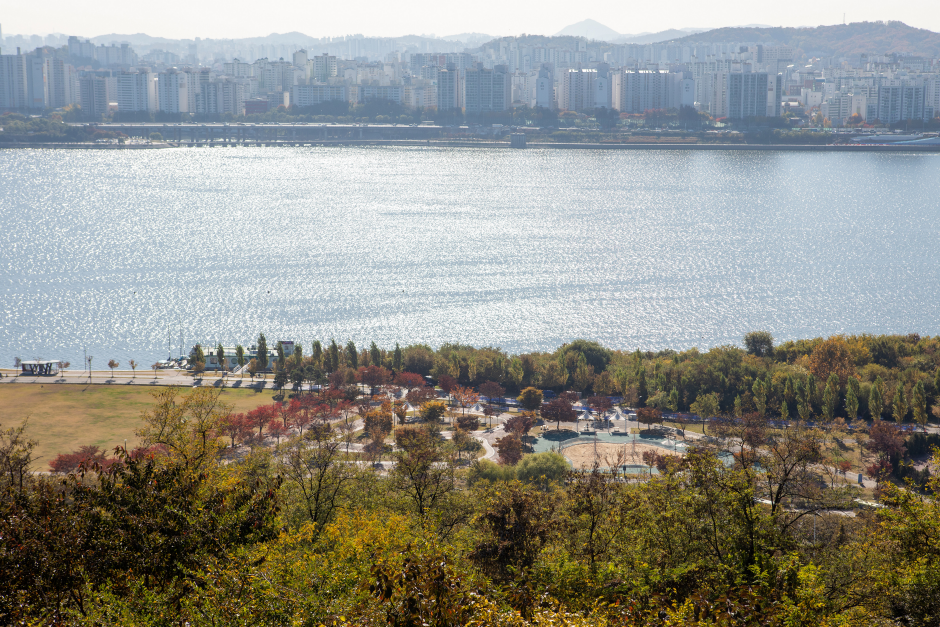
Nanji Hangang Park (난지한강공원)
3.6Km 2025-01-07
162 Hangangnanji-ro, Mapo-gu, Seoul
Nanji Hangang Park, situated north of the Hangang River near World Cup Park, provides a riverside space for leisure and recreation. The park offers Campgrounds, Water Leisure Sports Facilities, Bike Lane, Waterside Plaza, Mirror Fountain, Riverside Pool, a convenience store, and an information center. The Mirror Fountain emits a rainbow-like light with each water spray. The campgrounds are popular for their proximity to the city and affordable fees. Visitors can enjoy activities such as motorboating, water skiing, and wakeboarding on the Hangang River.
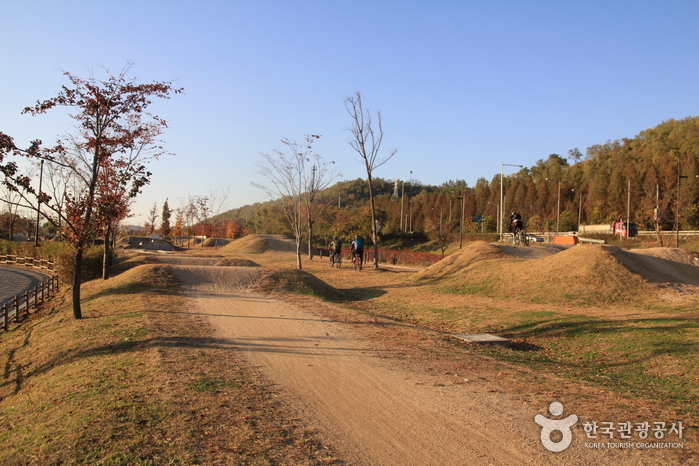
Nanji Hangang Park MTB Course Site (난지한강공원 MTB코스장)
3.7Km 2022-10-26
162, Hangangnanji-ro, Mapo-gu, Seoul
Situated in Nanji Hangang Park, the MTB Course Site is perfect for MTB lovers as well as beginners who wish to enter the world of extreme biking with safety. The MTB Course Site is the nation's first MTB course site, established on a flatland, reproducing perfectly realistic mountain ridges and slopes.
 English
 한국어
한국어 日本語
日本語 中文(简体)
 Deutsch
 Français
 Español
 Русский


