
Dongnimmun Gate (독립문)
3.8Km 2022-12-15
251, Tongil-ro, Seodaemun-gu, Seoul
Dongnimmun stands at the location originally known as Yeongeun, where envoys were once treated. When a Chinese envoy visited, the King would go out through this door to greet. In 1898, to announce the independence from Japan, Dongnimun was constructed with the fund collected by the citizens. The traces of the past still remain on Dongnimmun with two pillars in front of Dongnimmun being the remains of Yeongeunmun.
The Arc de Triomphe in France can be recalled in comparison to Dongnimmun. Dongnimmun was built using granite with a passageway x_height of 14.28 meters. On the top it is written ‘Dongnimmun’ in Korean with the national flag drawn on each side. On the inner-left side there are stone stairs leading to the attic. The national flower Mugunghwa are planted around Dongnimmun. Now it is surrounded by roads and it is eye-catching to view when passing by.
National Memorial of Korean Provisional Government (국립대한민국임시정부기념관)
3.8Km 2023-01-16
279-24, Tongil-ro, Seodaemun-gu, Seoul
The National Memorial of Korean Provisional Government was established to shine a light on the proud history of the Korean Provisional Government's independence and the spirit of a democratic republic and to pass it on to future generations. The four-story memorial building with three underground floors houses three permanent exhibits, one special exhibit, Larchiveum, Symbol Plaza, storage, multi-purpose hall, and rooftop garden over a total area of 3,656 square meters, a total floor area of 9,703 square meters and a total exhibition space of 2,240 square meters. The permanent exhibits consist of a series of historic events from the March 1st Movement, which served as a turning point for the formation of the Provisional Government, to the foundation of the Korean Government that succeeded the mantle of the provisional government, while the special exhibit on the 1st floor currently hosts a special opening exhibition under the title of 『The Return of the Provisional Government of the Republic of Korea』. Moreover, a symbolic wall installation under the theme of "Waves of History" is displayed in the outdoor plaza on the 1st floor of the memorial expressing the Provisional Government’s desire for independence and the dynamics of the past, present, and future of Korea.
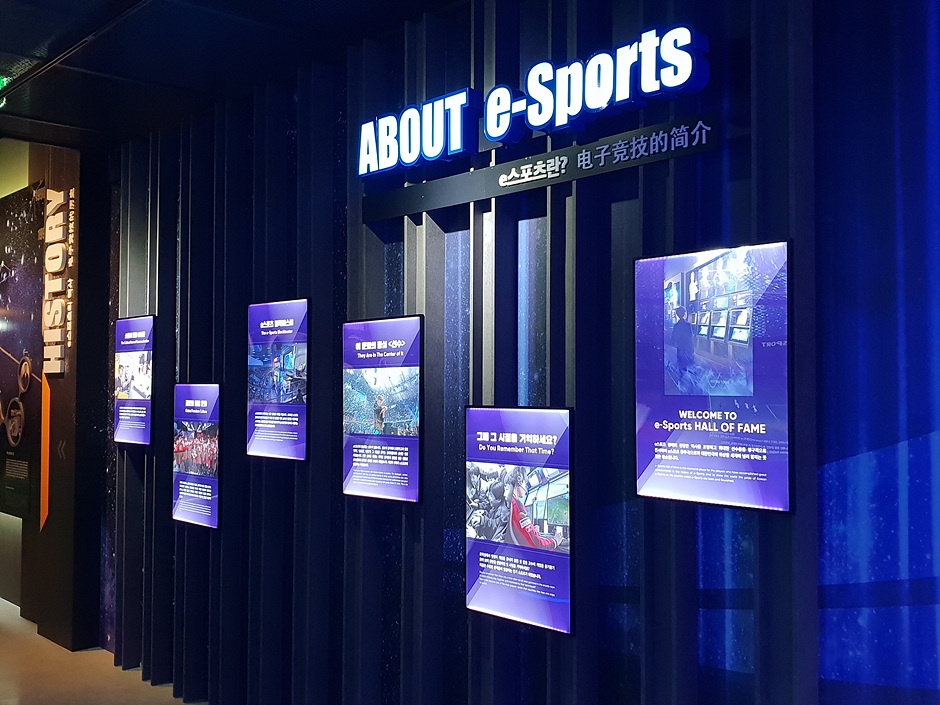
e-Sports Hall of Fame (e스포츠 명예의 전당)
3.8Km 2025-11-17
31 Maebongsan-ro, Mapo-gu, Seoul
The e-Sports Hall of Fame is operated by the Ministry of Culture, Sports and Tourism and the Korea e-Sports Association to exhibit and honor the esports athletes who have made history for their amazing skills, making Korea synonymous with esports. Visitors can see the athletes' uniforms, gaming materials, trophies, and more, as well as try their hand at playing famous esports games firsthand.
Seodaemun Independence Park (서대문독립공원)
4.0Km 2022-12-15
251, Tongil-ro, Seodaemun-gu, Seoul
Seodaemun Independence Park was built on the former Seoul Detention Camp. It was used to imprison thousands of Korean independence activists until the liberation from the Japanese occupation on August 15, 1945, as well as the political prisoners during the political turmoil in the 1960s. When the prison was moved to Uiwang-si, Gyeonggi-do in November 1987, the area was restored and turned into a memorial park in August 15, 1992 to honor the sacrifices of the martyrs. The park preserves seven prison buildings, an execution ground, underground women’s prison, and the March 1st Movement Monument that has been moved from Tapgol Park in Jongno.
One of the most significant monuments of the Seodaemun Independence Park is Dongnimmun Gate (Independence Gate), which has been designated a Historic Site. Nearby is Dongnipgwan (Independence Hall), originally called Mohwagwan, which was used to greet Chinese envoys during the Joseon dynasty. Today, the hall enshrines 2,327 tablets inscribed with the names of Koreans who died for the cause of national independence. Standing right next to Dongnimmun Gate are the remnants of Yeongeunmun Gate, another Historic Site. Other sights inside the park include the Patriotic Martyr Monument, Declaration of Independence Monument, and Statue of Dr. Seo Jae-pil, who was an independence activist and publisher of Korea’s first independent newspaper. The main highlight of the park is the Seodaemun Prison History Hall, a former prison building that was renovated into a history museum.
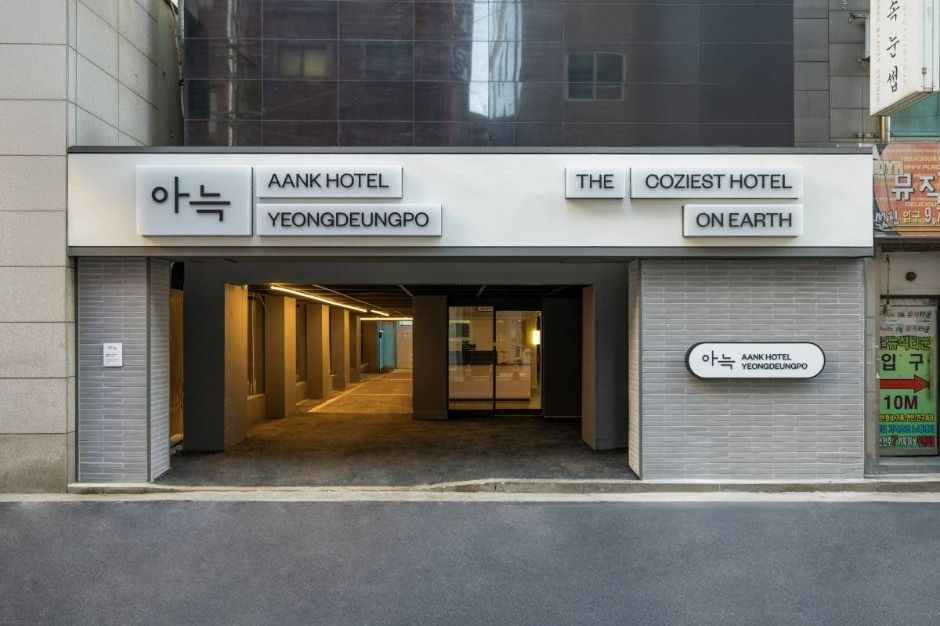
Aank Hotel Yeongdeungpo (아늑호텔 영등포점)
4.0Km 2025-04-24
10 Yeongjung-ro 10-gil, Yeongdeungpo-gu, Seoul
Located within 5 minute's walking distance from Yeongdeungpo Station, Aank Hotel Yeongdeungpo has major attractions like Times Square and Yeongdeungpo Market in the vicnity. The hotel lobby has a coffee machine, ice dispenser, and water dispenser for guests' convenience. Equipped with a variety of room types, guests can enjoy both comfort and entertainment at Aank Hotel Yeongdeungpo.

Sangam-dong MBC New Headquarters Media Center (상암동MBC신사옥미디어센터)
4.1Km 2025-11-05
255 Seongam-ro, Mapo-gu, Seoul
The Catholic University of Korea, Yeouido St. Mary's Hospital (가톨릭대학교 여의도성모병원)
4.1Km 2025-10-23
(Yeouido-dong), 10 63-ro, Yeongdeungpo-gu, Seoul
The Catholic University of Korea, Yeouido St. Mary's Hospital, established in 1936, is a hospital affiliated with a medical school and has a rich history of advancing the country's medical field through exceptional medical staff and pioneering research.
The hospital offers a convenient fast-track service for swift diagnosis and treatment, ranging from complex cancer care to minor conditions. As the first in Korea to open a dedicated lymphoma center, we have specialized expertise in treating various cancers, including lymphoma.
Our use of da Vinci robotic surgery allows for precise, minimally invasive procedures for complex conditions such as uterine fibroids, rectal cancer, prostate cancer, and thyroid cancer, promoting faster recovery. The hospital's one-stop service for breast and thyroid nodules ensures rapid diagnosis and treatment planning, completing biopsies within a single day.
At the Catholic University of Korea, Yeouido St. Mary's Hospital, we remain committed to providing top-tier medical services and advancing medical research while upholding the highest standards of bioethics.
CM Hospital (CM병원)
4.1Km 2026-01-02
CM Chungmu Hospital, 13 Yeongdeungpo-ro 36-gil, Yeongdeungpo-gu, Seoul
Founded in 1949, this general hospital specializes in orthopedics and joint care. It is a nationally certified general hospital and a government-designated joint specialty hospital. As a third-generation institution, it is now led by Director Lee Sang-hoon, who has been appointed as the Chairman of the Medical Committee of the Korean Sport & Olympic Committee (KSOC) and is recognized as a pioneer in sports medicine in Korea. He is also the first IOC-certified specialist in Korea and serves as a Vice Chairman of the Olympic Council of Asia (OCA).
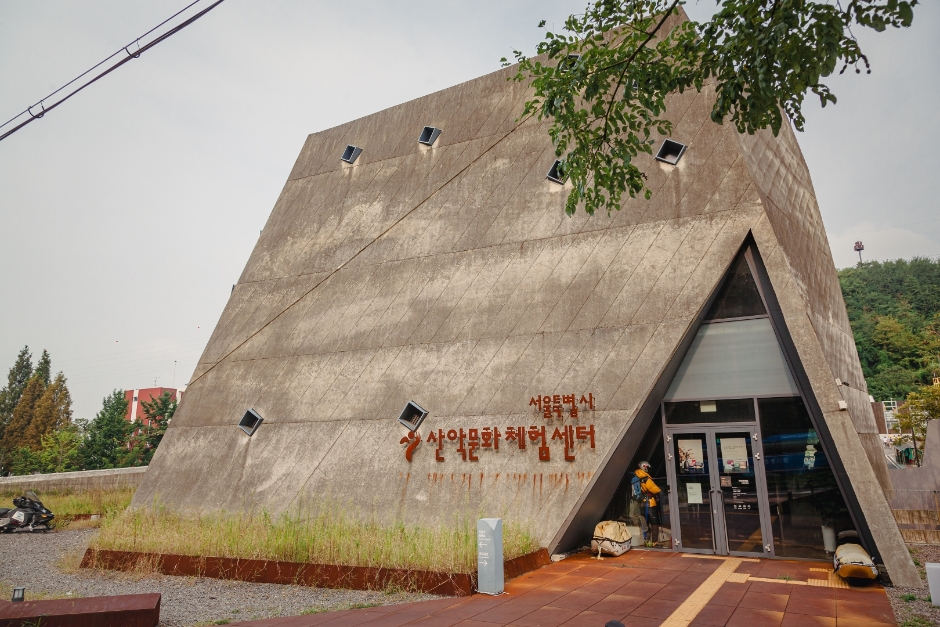
Seoul Mountain Climbing & culture center (산악문화체험센터)
4.2Km 2025-11-06
112 Haneulgongwon-ro, Mapo-gu, Seoul
In episode 4 of the drama "Numbers," the character Shim Hyeong-woo goes climbing at the Seoul Mountain Climbing & Culture Center. This center offers a climbing facility where you can enjoy mountain culture and sports together. It features exhibition facilities for experiencing mountain culture and both indoor and outdoor sports climbing.
Seosomun Historical Park (서소문역사공원)
4.3Km 2023-08-11
5, Chilpae-ro, Jung-gu, Seoul
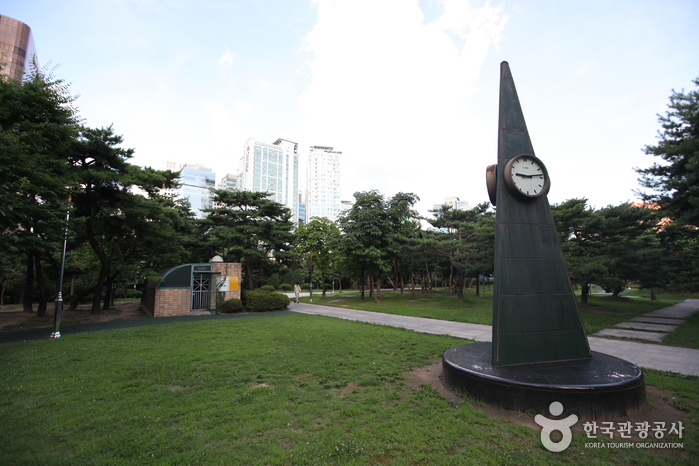
The Seosomun Gate area, which is located outside Seosomun Gate, was used as a persecution site in the 19th century before it turned into the local park of today. Many Catholics were suppressed and martyred here, making the area a holy site for Korean Catholics. Seosomun Gate was a gateway to Chilpae Market located near Namdaemun Gate. It was always busy with passerbys and the persecution site was established outside the gate to set an example of crime punishment to all the witnesses.
On May 15, 1999, a memorial tower was raised at the center of the park in honor of the martyrs. In 2013, Seoul's Jung-gu district also founded Seosumun Holy Shrine History Museum with a memorial exhibition hall in their honor.
 English
 한국어
한국어 日本語
日本語 中文(简体)
 Deutsch
 Français
 Español
 Русский


