
Daejanggeum (대장금)
16.8Km 2024-11-29
300, Olympic-ro, Songpa-gu, Seoul
Daejanggeum serves traditional Korea meals, reinterpreting royal dishes from the Joseon dynasty. Daejanggeum faithfully uses only the best local ingredients to make all their food, from the soybeans used for soy sauce and soybean paste, to kimchi. In addition to the food, guests can enjoy dining with lacquerware from Korea's Holder of Intangible Heritage, Mr. Yi Jin-ho, and forged works by 5th generation blacksmith, Cha Ingyu.
Lotte World Tower SEOUL SKY (롯데월드타워 서울스카이)
16.8Km 2024-11-28
300 Olympic-ro, Songpa-gu, Seoul
SEOUL SKY is located on floors 117-123 of Lotte World Tower, the nation's tallest and the world's fifth tallest building. The observatory offers a panoramic view of the entire capital city, beautiful both day and night. SEOUL SKY is comprised of an exhibition zone, observation deck, sky deck, dessert cafe, sky terrace, lounge, and more.
To get to Seoul Sky, visitors have to take the Sky Shuttle, a double-deck elevator that reaches a speed of 600 meters per minute. The one-minute ride feels quite short while watching the videos playing on the walls and ceiling. While waiting for the elevator up, visitors can enjoy art in the exhibition zone in basement levels 1-2. The exhibition includes artwork displaying the history, culture, and pride of Korea's foundation and success over the centuries. Visitors can also purchase Seoul Sky merchandise from the gift shop to remember their trip or give as a souvenir.
The observation deck has two story-high glass windows for an uninterrupted view. The Sky Deck, located at 478 meters, holds the Guinness World Record as the highest glass-floored observatory in the world. On days when visibility is limited, visitors can still enjoy a clear sky through the Sky Theater. The 120 floor holds the Sky Terrace, open to the elements.
Visitors looking for refreshments can enjoy the one-of-a-kind menu served at the dessert cafe Sky Friends Cafe on level 119, or refreshing wine sold at the premium lounge on floor 123. This cozy space is the highest lounge in Seoul and is perfect for taking in the view in a relaxing ambiance.
Asan Medical Center (서울아산병원)
16.8Km 2025-10-23
(Pungnap-dong), 88 Olympic-ro 43-gil, Songpa-gu, Seoul
Opened in June 1989, Asan Medical Center is the largest tertiary hospital in Korea with 2,764 beds. In 2023, we treated an average of 13,260 outpatients and 2,539 inpatients per day, and performed 70,892 surgeries throughout the year.
With three specialty hospitals–Cancer Institute, Heart Institute, and Children's Hospital–and more than 50 specialized centers, we lead the world in cancer, organ transplantation, and cardiac care. In recognition of our efforts, we have topped the list of Korea's Most Admired Hospitals for 18 consecutive years and ranked NO. 1 in Korea for six consecutive years in U.S. Newsweek's World's Best Hospitals.
As a "quarternary hospital" serving critically ill patients from Korea and abroad who come to us as their last hope, Asan Medical Center treats more than 20,000 international patients from around 100 countries, including the United States, United Arab Emirates, and Mongolia. Medical professionals from developed countries visit us to learn our advanced medicine. Over the past decade, more than 3,700 professionals from nearly 90 countries have visited us to learn the latest medical techniques.
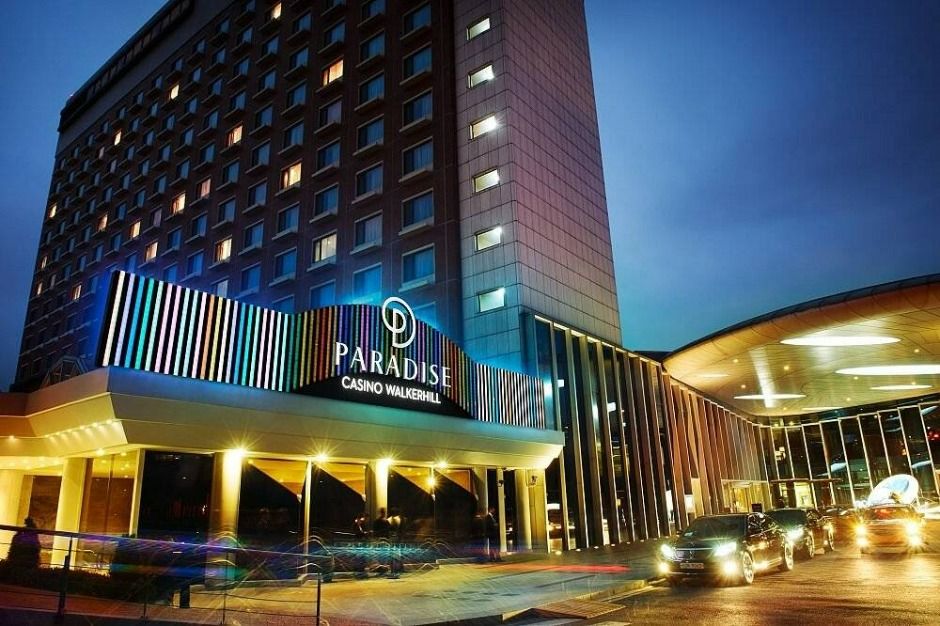
Paradise Casino Walker Hill (파라다이스 카지노 워커힐)
16.8Km 2025-05-16
177, Walkerhill-ro, Gwangjin-gu, Seoul
Paradise Casino Walker Hill is a foreigner-exclusive casino operating inside Walker Hill Hotel, from where guests can enjoy a fine view of the Hangang River nearby. The casino is open 24 hours a day, all year round, and offers baccarat, blackjack, roulette, and tai-sai tables among others, and a variety of slot machines as well. The game tables are run by expert dealers, and staff members are fluent in many languages to serve the customers’ needs.
Grand Walkerhill Riverpark (Outdoor swimming pool) (그랜드 워커힐 리버파크 수영장(야외수영장))
16.8Km 2022-12-21
177, Walkerhill-ro, Gwangjin-gu, Seoul
Grand Walker Hill Riverpark is a swimming pool using water comprised of alkali ingredients such as sodium and potassium from underground granite. Since it opened in 1994, the Riverpark is one of Seoul's most popular summer getaways to enjoy swimming. Located by the Hangang River and Achasan Mountain, it provides fresh air as well as the beautiful nature scenery. People can use any of the various facilities, including the main pool, lazy river, swimming pool for children, pool-side restaurant offering special summer lunch, and sun tanning beds.
Korea Institute of Radiological & Medical Sciences, Korea Cancer Center Hospital (한국원자력의학원 원자력병원)
16.9Km 2025-11-28
75 Nowon-ro, Nowon-gu, Seoul
KCCH (Korea Cancer Center Hospital) is a leading institution specializing in cancer diagnosis, treatment, and research using radiation. It has established an efficient collaborative care system and an integrated multidisciplinary approach to treatment. In addition to cancer care, the hospital operates a hospice palliative care center, offering holistic care to patients. As a government-funded organization, it actively conducts molecular cancer research and studies on the effects of radiation on the human body. With the introduction of PET/MRI diagnostics, KCCH develops more precise treatment plans and leads international clinical research, continuously improving cancer treatment outcomes through advanced research.
Ohkims Dermatology Clinic (오킴스피부과의원)
16.9Km 2025-10-23
(10th Floor, New Samchang Building), 123 Gangseok-ro, Ilsandong-gu, Goyang-si, Gyeonggi-do
Ohkims Dermatology Clinic is a hospital that continues to strive, study, and stay ahead of the curve with a constant touch of care so that you can enjoy every moment as the best time of your life.
We are staffed exclusively by dermatology specialists.
Dr. Cho Hang-rae is a board-certified dermatologist and doctor of dermatology with a specialty in hair transplantation surgery. During his international residency in cosmetic dermatology at Mount Sinai University Hospital in Manhattan, New York City, he studied hair transplantation under Dr. Unger, a world-renowned hair transplantation expert.
Ohkims Dermatology Clinic also winds back time.
Our “Secret Well Aging Program” is different.
With over 20 years of experience in the field of wellness aesthetic treatments, we are committed to achieving constant innovation based on our 20 years experience and delivering a sophisticated touch of skin science masters under the leadership of Dr. Cho Hang-rae.
Cheonggyesan Mountain (청계산)
16.9Km 2024-03-20
Makgye-dong, Gwacheon-si, Gyeonggi-do
Standing at 618 meters above sea level, Cheonggyesan Mountain boarders the area of Yangjae-dong, Seoul and Gwacheon-si, Seongnam-si, and Uiwang-si, Gyeonggi-do. From the top, visitors can enjoy panoramic views of Seoul's city center and Gyeonggi-do. The mountain is well-maintained with various hiking trails, making it easy to climb even for beginners. In the fall, the mountain is known for its stunning fall foliage, attracting numerous visitors.
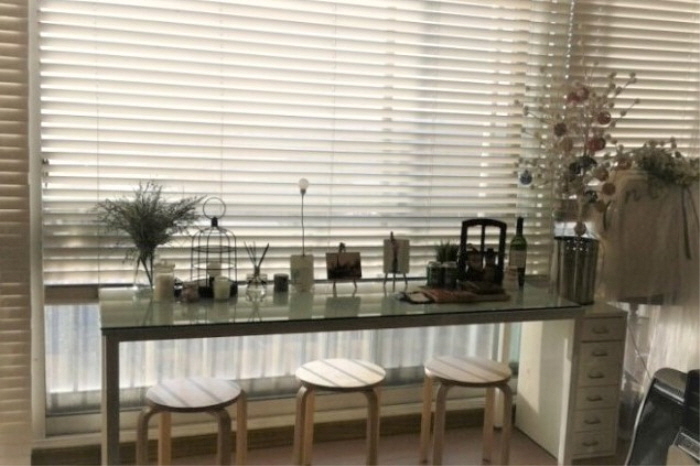
House of Flowers and Lake / 꽃과 호수의 집
17.0Km 2025-03-05
79 , Norumok-ro, Ilsandong-gu, Goyang-si, Gyeonggi-do
The House of Flowers and Lakes is a homestay in an apartment in Ilsan, Seoul Capital Area. There are two rooms: Narcissus has a double bed, private bathroom, and a terrace, while Moss Rose has two single beds and simpler furniture. The owner loves travelling, and souvenirs from around the world are on show in the shared kitchen and living room. A simple breakfast is provided free of charge. The apartment is close to Madu Station on Subway Line 3 and Baekma Station on the Gyeongui-Jungang Line. Nearby destinations such as KINTEX and Haengjusan Fortress are a 20-minute drive away.
Yongma Land (용마랜드)
17.0Km 2025-10-28
118 Mangu-ro 70-gil, Jungnang-gu, Seoul
Yongma Land, a private amusement park, was opened at the foot of Yongmasan Mountain in 1983, and closed its doors in 2011. Having spent some time as a derelict building, it has now been repurposed as a nostalgia-filled space. It was made famous as the filming location of Crayon Pop’s "Bar Bar Bar" music video. Since then, it has become a renowned destination for photography, thanks to its unique atmosphere created by the combination of lush greenery and derelict amusement rides. Entry may be restricted in the case of filming or space rentals, so make sure to check with the management before you head to the amusement park. Yongma Land is located next to Bonghwa Middle School, at Exit 1 of Mangu Station, Gyeongui–Jungang Line.
 English
 한국어
한국어 日本語
日本語 中文(简体)
 Deutsch
 Français
 Español
 Русский


