![Comme Des Garçons [Tax Refund Shop] (꼼데가르송)](http://tong.visitkorea.or.kr/cms/resource/81/2890181_image2_1.jpg)

Templestay Information Center (템플스테이 홍보관)
8.5Km 2022-10-17
56, Ujeongguk-ro, Jongno-gu, Seoul
+82-2-2031-2000
Templestay Information Center offers various information and services regarding templestays and temple meals for domestic and international visitors. The center also operates traditional cultural experiences, such as tea time with a Buddhist monk, traditional culture activities and more.
Haepungbuwongun Yun Taekyeong's Jaesil (해풍부원군윤택영댁재실)
8.5Km 2021-11-10
28, Toegye-ro 34-gil, Jung-gu, Seoul
+82-2-3396-5882
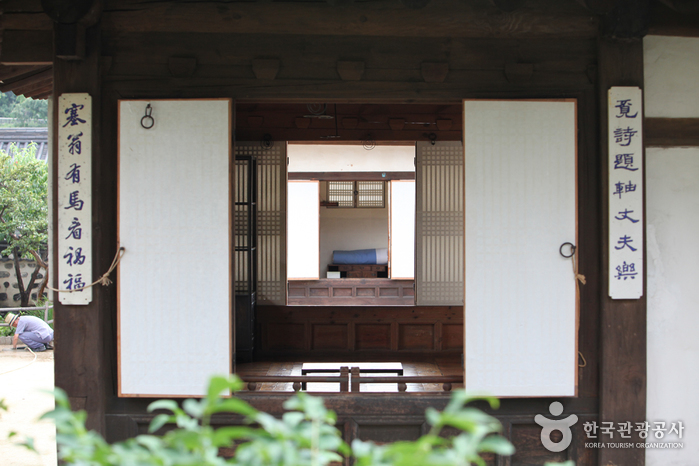
Haepungbuwongun Yun Taekyeong's Jaesil is a shrine house built by the father-in-law of King Sunjong of Joseon dynasty in 1906 when his daughter was proclaimed the crowned princess of Joseon and entered Changdeokgung Palace to later become Queen Sunjeong. Red pine trees salvaged from the demolition of Gyeongungung Palace were used to construct the house. It was originally located in Jegi-dong, Dongdaemun-gu, but was later restored and moved to its present location. The shrine of the house that was destroyed in 1960 was also restored.
Because the house is more of a shrine rather than residential living quarters, it has many unique features. For example, unlike other houses, it has the anchae (women’s quarters) located across from sarangbang (men’s quarters) with daecheong (living room) positioned between them.
![Homeplus Stores - Siheung Branch [Tax Refund Shop] (홈플러스스토어즈 시흥)](http://tong.visitkorea.or.kr/cms/resource/52/2880452_image2_1.jpg)
Homeplus Stores - Siheung Branch [Tax Refund Shop] (홈플러스스토어즈 시흥)
8.5Km 2024-04-22
201, Siheung-daero, Geumcheon-gu, Seoul
-
![Olive Young - Homeplus Siheung Branch [Tax Refund Shop] (올리브영 홈플러스시흥)](http://tong.visitkorea.or.kr/cms/resource/55/2880455_image2_1.jpg)
Olive Young - Homeplus Siheung Branch [Tax Refund Shop] (올리브영 홈플러스시흥)
8.5Km 2024-04-18
1F, 201, Siheung-daero, Geumcheon-gu, Seoul
-
Namsangol Hanok Village (남산골한옥마을)
8.5Km 2025-07-14
28 Toegye-ro 34-gil, Jung-gu, Seoul
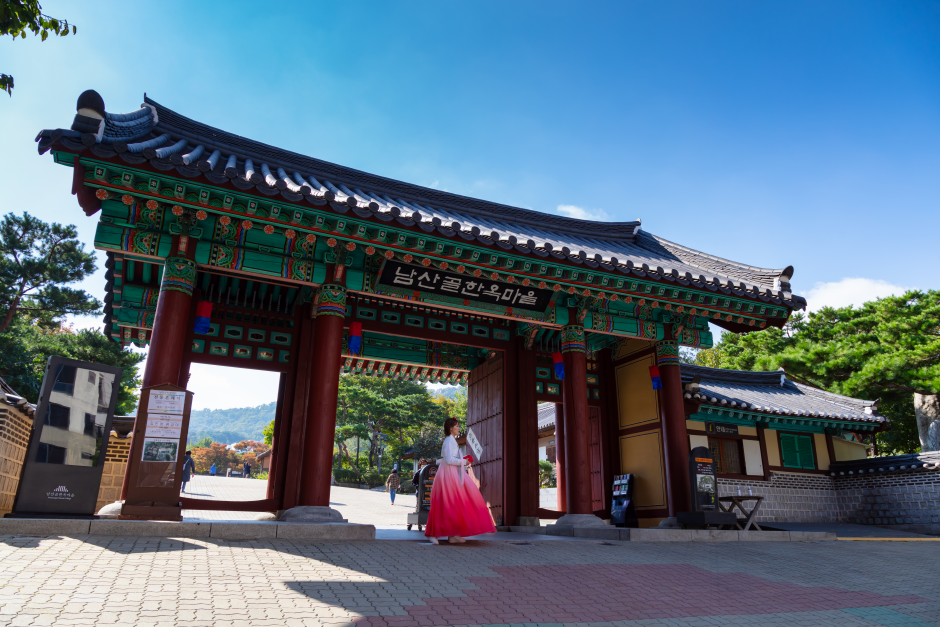
Namsangol Hanok Village opened in 1998 on the northern side of Namsan Mountain in the center of the capital. This village has five restored hanok (traditional Korean house) premises, a pavilion, a traditional garden, a performance art stage, and a time capsule plaza, making it a perfect spot for locals and tourists to take a leisure walk. Upon entering from the front gate, visitors will get a taste of Korea's traditional life while escaping from bustling city life. The traditional garden with its pavilion and old houses creates a peaceful ambiance before the forested Namsan Mountain. A time capsule commemorating Seoul’s 600th anniversary was buried in 1994 at the highest point of the village and is scheduled to be reopened 400 years later in 2394.
The five hanok premises at Namsangol Hanok Village once belonged to aristocrats and government officials of the Joseon dynasty. Each house was originally located in a different neighborhood, but they were all moved to this area and restored to their original form. The houses were rebuilt using their original materials, except for one house, where the materials were too old and deteriorated to be reused. The premises were carefully restored and replicated according to their original form to depict the owners’ social class and personality. These buildings are now used as an exhibit to portray the living environment during the Joseon dynasty and as a venue for educational and cultural programs for children and tourists.
Some of the unique programs and activities to participate in include wearing hanbok, folding hanji (traditional Korean paper), writing in Korean, traditional tea ceremony, traditional etiquette school, and herbal medicine experience. There are also taekwondo demonstrations and other various performances held around the village. Visitors can also try traditional games such as yunnori (traditional board game), or understand more about the area through a guided tour.
Palace Royal Guard Changing Ceremony (수문장 교대의식)
8.5Km 2025-07-11
161 Sajik-ro, Jongno-gu, Seoul
+82-2-3210-1645
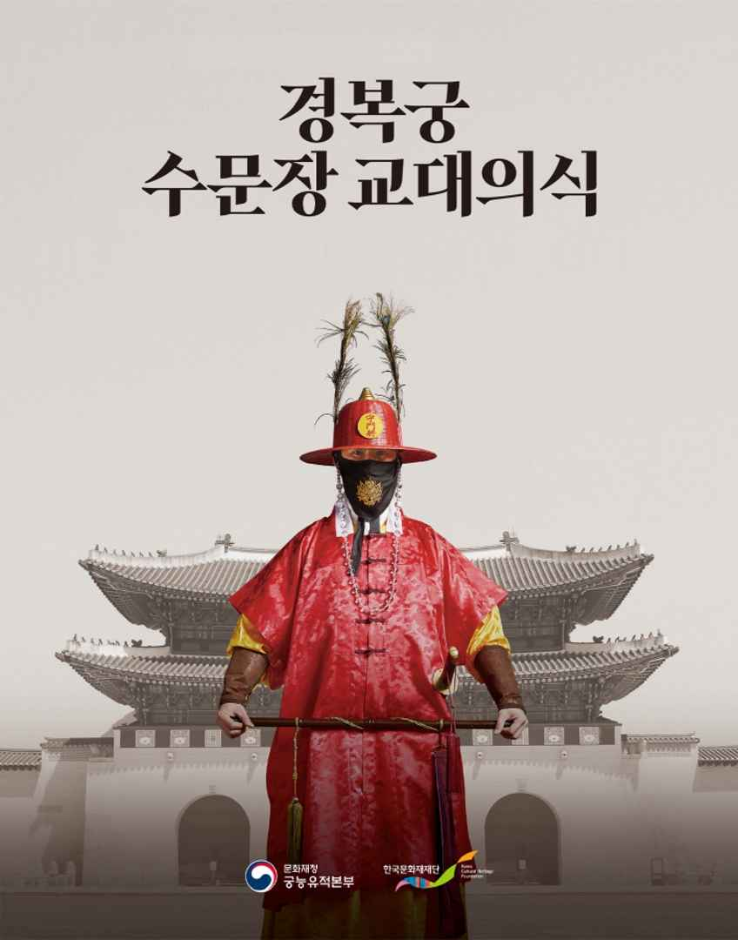
In the Joseon dynasty, the royal guards of the palace were gatekeepers who were responsible for guarding the the main gates of Gyeongbokgung Palace as well as the main gates of the city such as Heunginjimun Gate and Sungnyemun Gate. The royal guards worked in shift duties and were in charge of opening and closing Gwanghwamun Gate. Before the royal guard system was enforced in 1469, the palace gates were protected by soldiers of the central army. The Palace Royal Guard Changing Ceremony held at Gyeongbokgung Palace and the Gwanghwamun area reenacts the guard-changing procedure that took place during the Joseon dynasty, along with the reproduction of costumes and weapons, based on historical records.
Seoul International Writers' Festival (서울국제작가축제)
8.5Km 2025-07-30
26 Insadong 9-gil, Jongno-gu, Seoul
+82-70-8826-5207
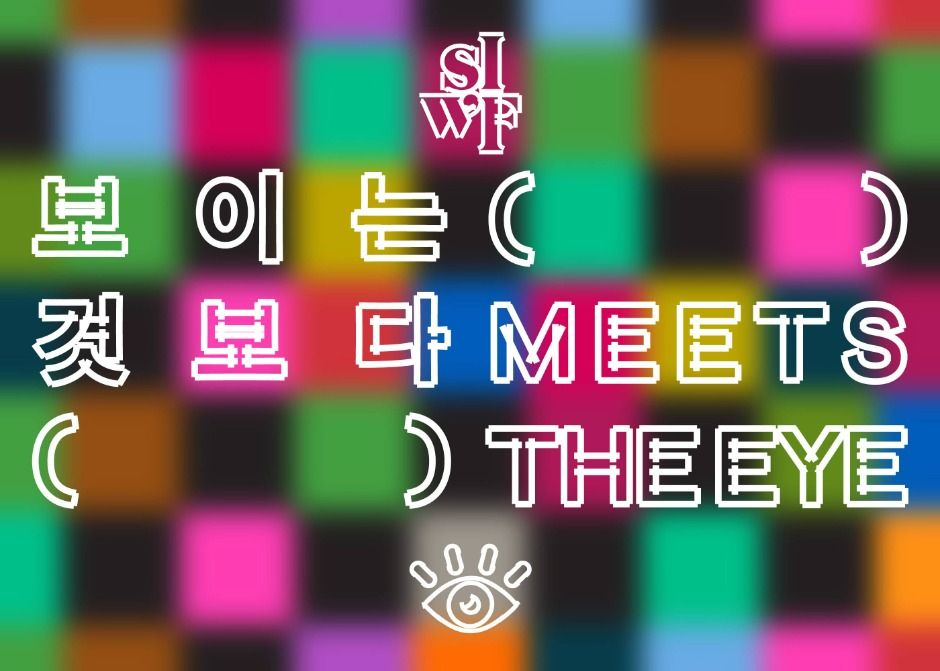
Seoul International Writers' Festival was founded in 2006 with aims to lay a foundation for connecting Korean literature and international literature. This year's theme is "() Meets the Eye," inviting attendees to explore the beauty of literature that is much more than meets the eye.
![CheongKwanJang - Euljiro Branch [Tax Refund Shop] (정관장 을지로)](http://tong.visitkorea.or.kr/cms/resource/59/2878659_image2_1.jpg)
CheongKwanJang - Euljiro Branch [Tax Refund Shop] (정관장 을지로)
8.5Km 2024-04-18
1F, 103, Eulji-ro, Jung-gu, Seoul
-
Sweet Park (Lotte Children's Food Experience Center) (스위트파크(롯데어린이식품체험관))
8.5Km 2024-02-15
201 Magokjungang-ro, Gangseo-gu, Seoul
Sweet Park is a children's food experience center, an educational and entertainment space featuring Lotte's food products. The park is designed as a village themed around Lotte's food items. It offers various tour programs such as Hot Air Balloon Theater, Sweet Park Tours, Lotte R&D Center Experience Zone, and Xylitol Dental Health Education Zone.
 English
 한국어
한국어 日本語
日本語 中文(简体)
 Deutsch
 Français
 Español
 Русский


