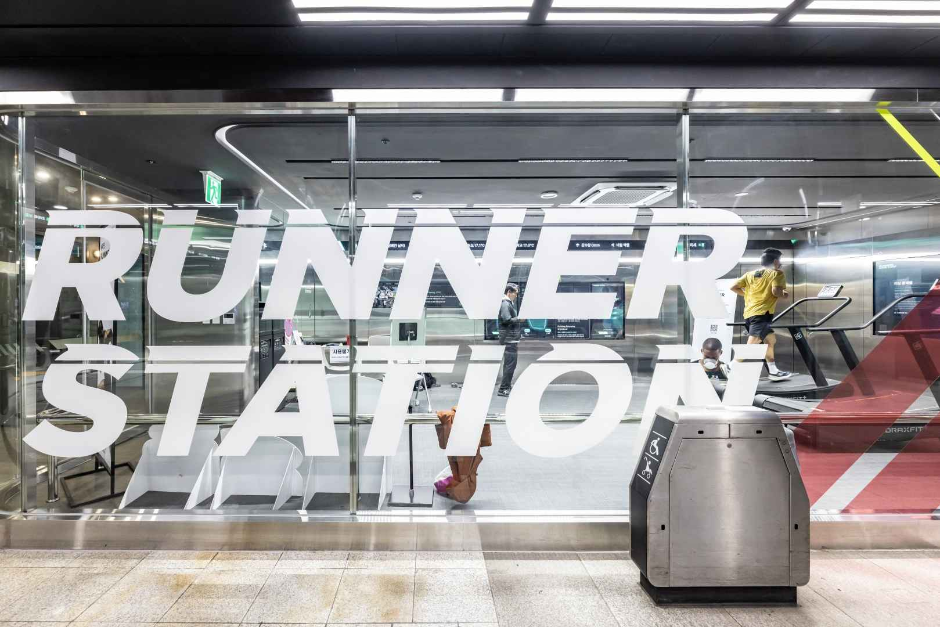
Runner Station at Yeouinaru Station (여의나루역 러너스테이션)
13.7Km 2025-11-06
343 Yeouidong-ro, Yeongdeungpo-gu, Seoul
With Seoul’s skyscrapers and the scenic Hangang River, Yeouido has become the top destination for Korean runners. In response to the growing popularity of running along the Hangang among the MZ generation, Yeouinaru Station introduced Runner Station, equipped with essentials like lockers and media boards displaying popular running routes. Wrap up your day with a refreshing run in Yeouido.
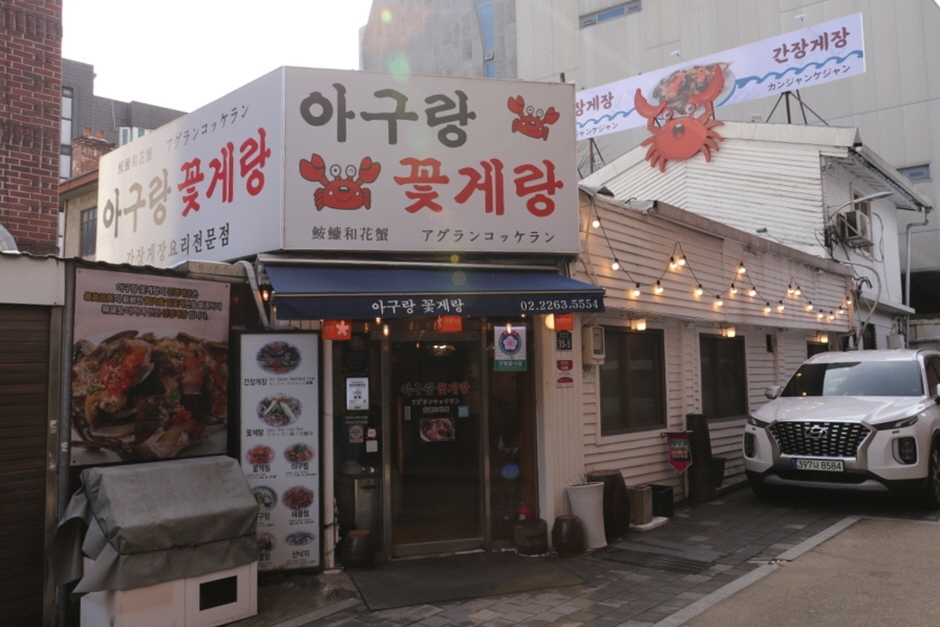
Agurang Kkotgerang (아구랑꽃게랑)
13.7Km 2024-03-08
35-7, Dongho-ro 24-gil, Jung-gu, Seoul
+82-2-2263-5554
This is a seafood restaurant specializing in Ganjanggejang (Soy sauce marinated crab). The crab is plump and seasoned to perfection, making it an excellent accompaniment to steamed rice. The restaurant’s Gulgukbap (Oyster and rice soup), a winter favorite, is enhanced with seaweed fulvescens, which is rich in vitamins and iron, making it beneficial for those suffering from anemia. Side dishes include Cheongpomukmuchim (Mung bean jelly salad), Kimchi, and Kongnamulmuchim (Bean sprout salad). Another popular item on the menu is the spicy Agutang (Monkfish soup), filled with springy monkfish.
Mosim (모심)
13.7Km 2025-05-20
8 Gaeunsa-gil, Seongbuk-gu, Seoul
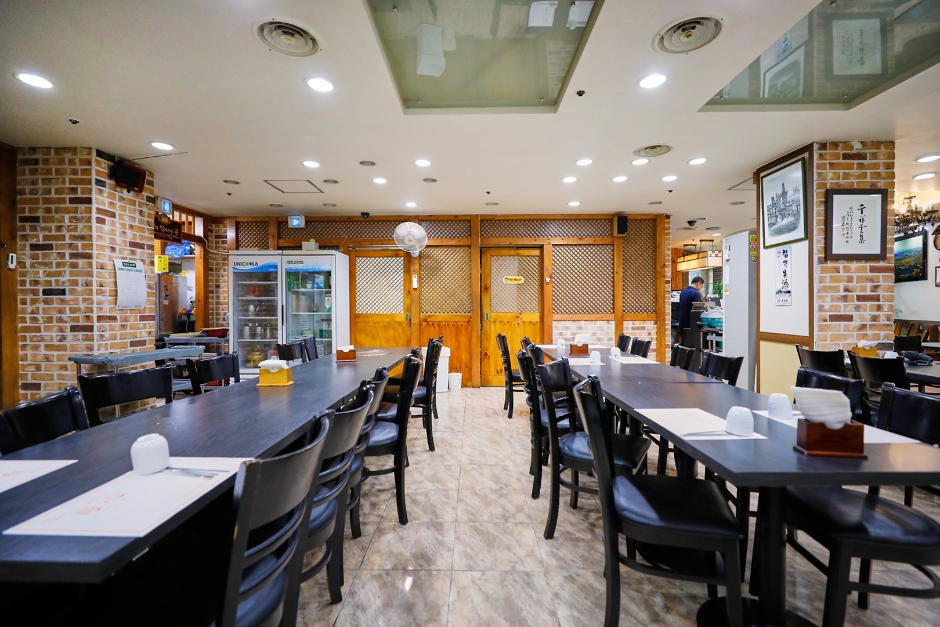
Mosim is a Korean table d’hote restaurant that offers a variety of menus to choose from depending on the kind of dishes and the number of side dishes. The set menu, which includes main dishes, such as hwangtae gui (grilled dried pollack) and galbitang (galbi soup), and side dishes, such as salad, japchae, and seasoned vegetables, is plentiful in amount and variety enough to fill the table. There are menu items that can be enjoyed individually, such as samgyetang, bibimbap, and yukgaejang (spicy beef soup). The restaurant’s menu comprises nutritious dishes that soothe one's tired mind and body. The restaurant has private rooms that can accommodate 4, 8, 12, 16, 20, 24, and 30 people, so it is a good option for guests seeking a quiet meal with the family or group gatherings.
![Olive Young - Mokdong Hyundai Hyperion Branch [Tax Refund Shop] (올리브영목동하이페리온점)](http://tong.visitkorea.or.kr/cms/resource/47/2880147_image2_1.jpg)
Olive Young - Mokdong Hyundai Hyperion Branch [Tax Refund Shop] (올리브영목동하이페리온점)
13.7Km 2024-04-19
300, Omok-ro, Yangcheon-gu, Seoul
-
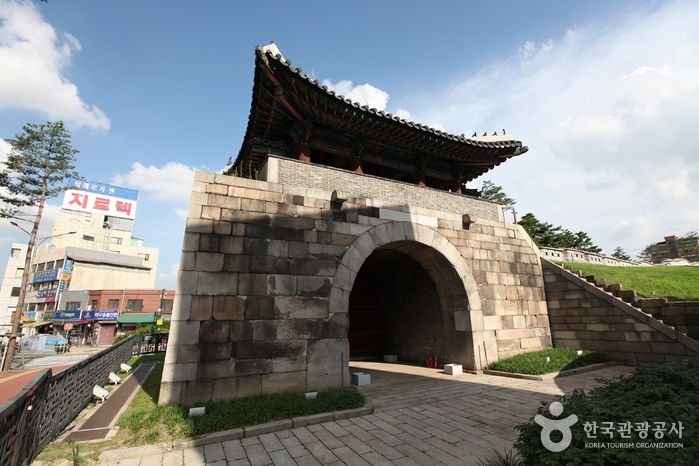
Gwanghuimun Gate (광희문)
13.7Km 2021-02-24
344, Toegye-ro, Jung-gu, Seoul
+82-2-3700-3900
Gwanghuimun Gate is said to have been originally constructed in 1396, the 5th year of King Taejo, at the southeast of the capital city. It was often referred to as Sugumun Gate (water channel gate) and was actually used as a Sigumun, literally meaning “corpse gate,” as funeral processions passed through this gate when exiting to the east.
During the Imjin War (1592-1598), the fortress gate was destroyed to such a degree that it made finding the original location close to impossible. Nevertheless, reconstruction efforts were started in 1711 (37th year of King Sukjong) and the gate was restored together with the gate's watchtower. Gwanghuimun Gate remained intact even when the fortress walls were demolished to build tram tracks during the Japanese occupation, but it was later damaged during the Korean War and left neglected. In 1975, restoration work was carried out to relocate Gwanghuimun Gate to a site 15 meters south of its original location since it stood in the middle of the road.

Olive Young - Omokgyo Station Branch [Tax Refund Shop] (올리브영 오목교역)
13.7Km 2024-04-18
344, Omok-ro, Yangcheon-gu, Seoul
-
Cos - IFC Mall Branch [Tax Refund Shop] (코스 아이에프씨몰)
13.7Km 2024-04-23
10, Gukjegeumyung-ro, Yeongdeungpo-gu, Seoul
-
Swatch - IFC Mall Branch [Tax Refund Shop] (스와치 IFC몰)
13.7Km 2024-04-18
Store #279, B2 (International Finance Center (IFC), Yeouido-dong), 10, Gukjegeumyung-ro, Yeongdeungpo-gu, Seoul
-
Adidas - IFC Mall Branch [Tax Refund Shop] (아디다스 아이에프씨몰)
13.7Km 2024-04-18
2F, 10, Gukjegeumyung-ro, Yeongdeungpo-gu, Seoul
-
Zara Home - IFC Mall Branch [Tax Refund Shop] (자라홈 아이에프씨몰)
13.7Km 2024-04-18
10, Gukjegeumyung-ro, Yeongdeungpo-gu, Seoul
-
 English
 한국어
한국어 日本語
日本語 中文(简体)
 Deutsch
 Français
 Español
 Русский


