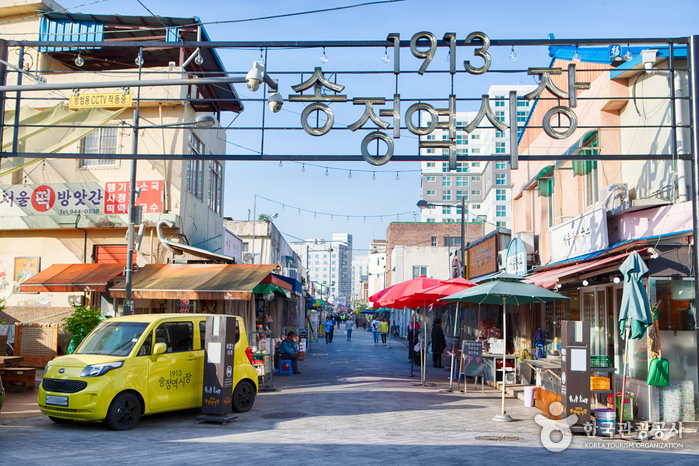
1913 Songjeong Station Market (1913송정역시장)
10.1Km 2025-08-12
13 Songjeong-ro 8beon-gil, Gwangsan-gu, Gwangju
Songjeong Station Market was opened in 1913 in connection with the opening of Gwangju-Songjeong Station. For many years, the market was the go-to-place for necessary items and produce, but with the increase of large supermarts in the 1990s, people began to visit traditional markets less and less. In order to increase the liveliness of Songjeong Station Market and showcase the difference between modern marts and a traditional market, the entire space was redesigned around the theme of time.
The newly redesigned 1913 Songjeong Station Market, located just across the street from Gwangju-Songjeong KTX Station, has a bright appearance with modern-styled architecture and signboards detailing the history of the various shops. Visitors can enjoy all the classic market foods here, such as hotteok (hot griddle cakes), gyeran bap (rice with egg), and eomuk (fish cake).
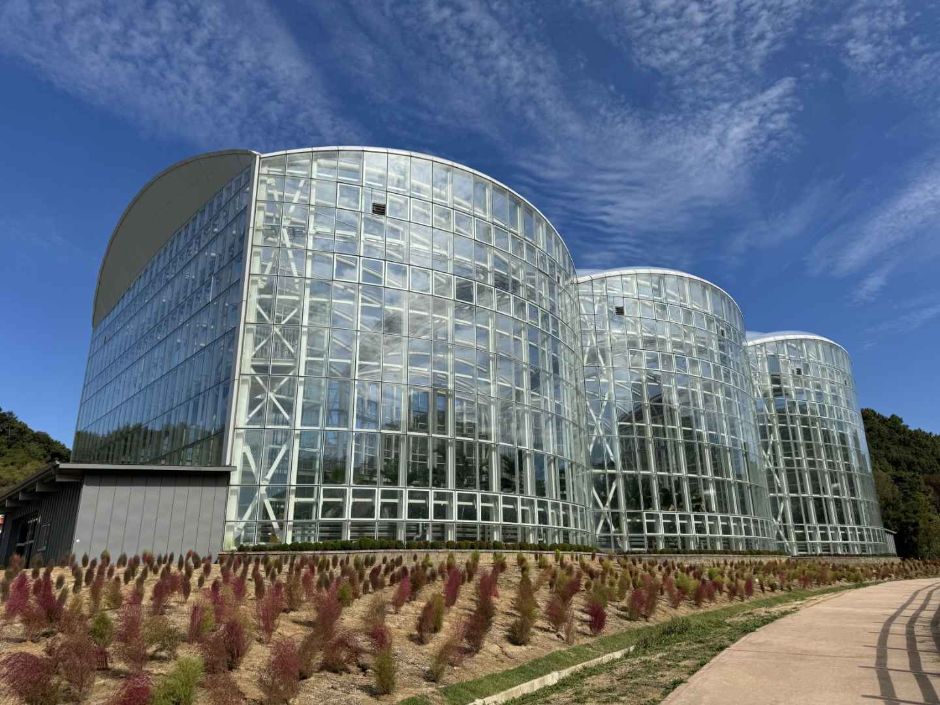
Gwangju Arboretum (광주시립수목원)
10.2Km 2024-11-18
142 Dodong-gil, Nam-gu, Gwangju
Gwangju Arboretum was built on a sanitary landfill to restore the natural ecological environment by planting trees and creating convenience facilities. The arboretum preserves, manages, researches, and exhibits the indigenous plants of the region and provides visitors with a space to relax and connect with nature. Visitors of all ages can enjoy educational programs and forest commentary tours, making it a great place for families.
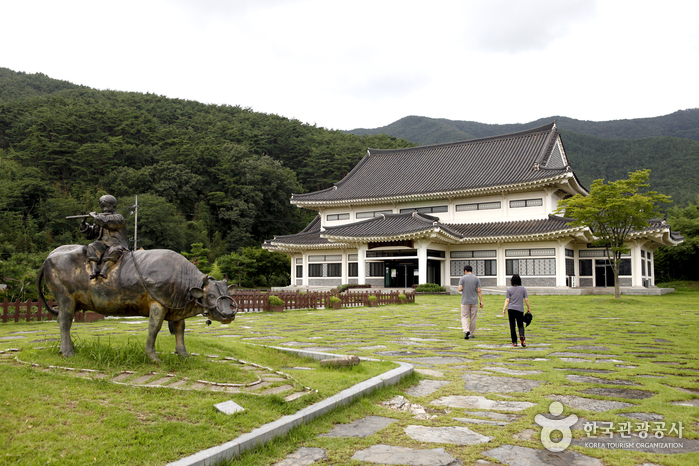
Korea Gasa Literature Collection (한국가사문학관)
10.3Km 2021-09-07
877, Gasamunhak-ro, Damyang-gun, Jeollanam-do
+82-61-380-2701
The Gasa Literature Collection was completed in October 2000 and is located in Damyang, Jeollanam-do, an area which is famous for its fertile land and rich historical heritage. Apart from the main building, additional buildings include a souvenir shop, and traditional tea house. In the museum, historical literature such as “Myeonangjip” (a collection of Gasa poems by Song Sun) and “Songgangjip,” (a collection of Gasa poems by Jeong Cheol) are on display. There are 11,461 artifacts and literature on Gasa culture, 18 Gasa works, and 15,000 books about Gasa.
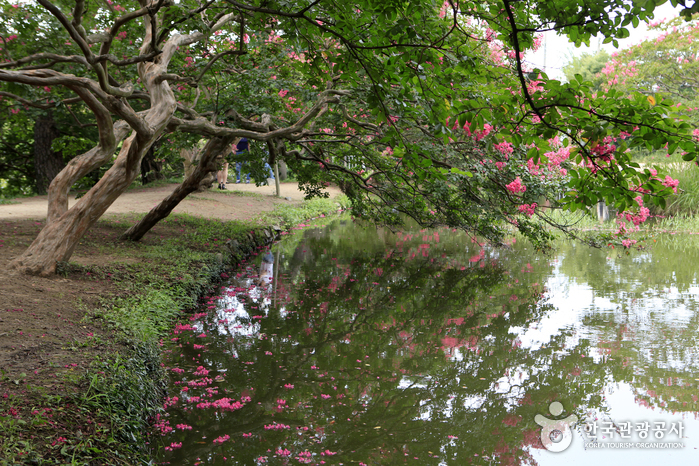
Myeongokheon Garden (담양 명옥헌 원림)
10.3Km 2025-10-23
103 Husan-gil, Goseo-myeon, Damyang-gun, Jeollanam-do
+82-61-380-3752
Located in the eco-village of Husan-ri, Myeongokheon Garden was the garden of Oh Hui-do (1583-1623) of the Joseon dynasty and served as a simple, countryside sanctuary where the scholar read and wrote many books. Main features of the garden are the Myeongokheon Pavilion, where the scholar held lectures, and the square-shaped pond in front of the pavilion that is surrounded with graceful flowering trees. The flowering trees around the pond include red pines and crape myrtles. On the right side of Myeongokheon Garden you’ll see a 300 year-old ginkgo tree, which is where King Injo (1623-1649) of the Joseon dynasty tied his horse when he went to visit Oh Hui-do.
Donggok Museum of Art (동곡미술관)
10.4Km 2024-12-17
37 Eodeung-daero 529beon-gil, Gwangsan-gu, Gwangju
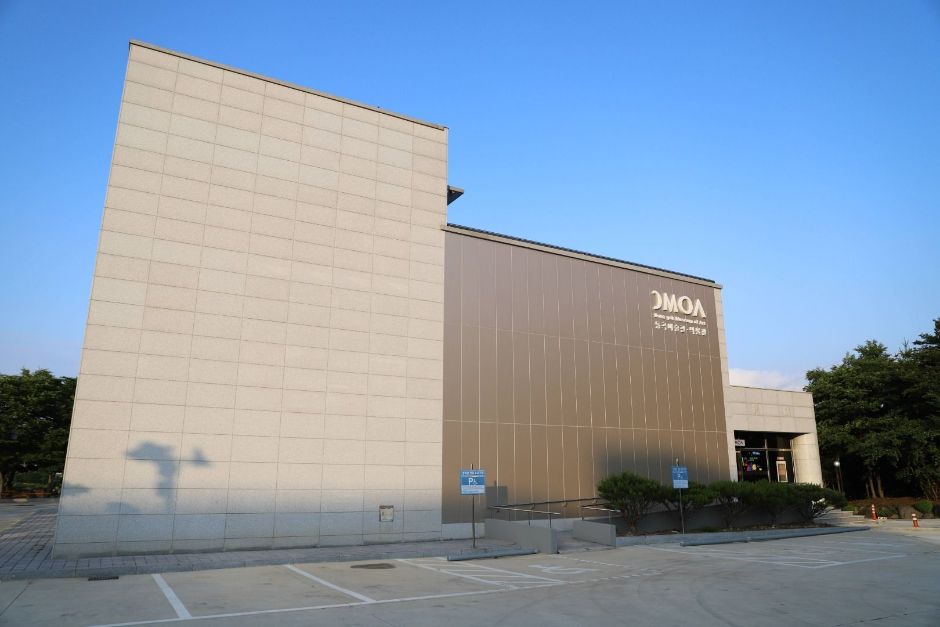
Donggok Museum of Art, opened in December 2020, a two-story building has exhibition halls, educational rooms, a sculpture park and more. There are rest areas to relax after enjoying arts, as well as spaces for visitors to find their creativity.
Pyeongchon Ceramics Workshop (평촌도예공방)
10.5Km 2024-11-14
77 Damanpyeongmu-gil, Buk-gu, Gwangju
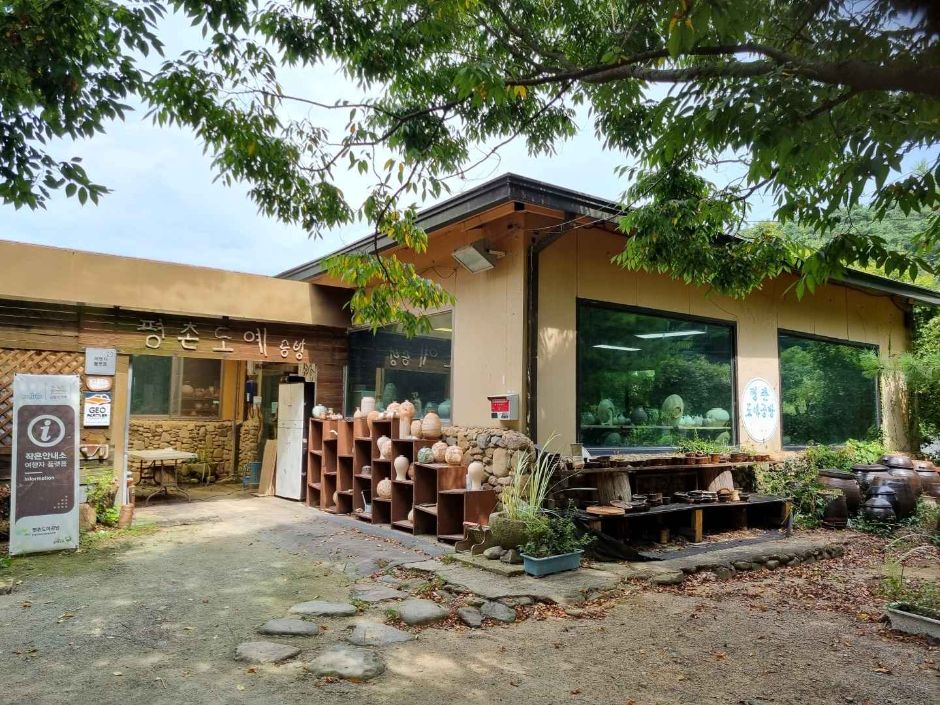
The Pyeongchon Ceramics Workshop keeps the spirit of traditional Korean Buncheong pottery alive by offering an experiential learning space and hands-on programs that blend classic Korean and contemporary styles. Visitors can create unique pieces that capture the rustic beauty of tradition while keeping the modern flair.
Gwangju Pyeongchon Village (광주 평촌마을)
10.7Km 2025-08-12
15 Pyeongchon-gil, Buk-gu, Gwangju
+82-62-266-2287
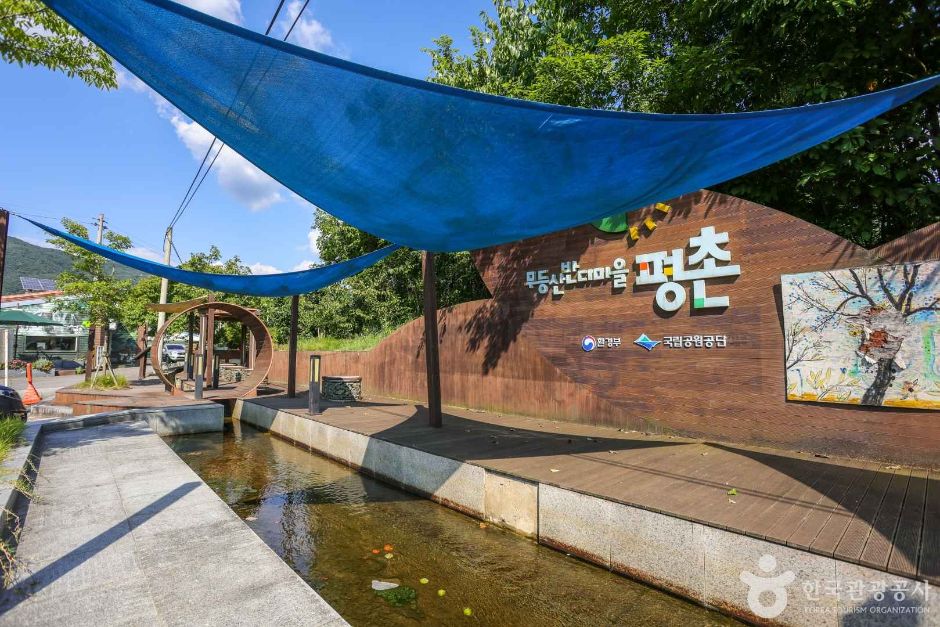
Gwangju Pyeongchon Village, located north of Mudeungsan Mountain, is a cozy farming village made up of four villages Dongrim, Daman, Woosung, and Dangmoe. The village still has an excellence natural preservation, growing environmental-friendly rice in the fields and Punamcheon stream that runs through the middle of the village is home to fireflies and otters. The village also keeps the tradition of making pottery as the village was the place that made grayish-blue-powdered celadon during the Joseon dynasty. The village street corner offers visitors to Mudeungsan Mountain a place to rest with Mudol-gil shelter and Bandi lodging.

Soswaewon Garden (담양 소쇄원)
10.8Km 2023-01-04
17, Soswaewon-gil, Damyang-gun, Jeollanam-do
+82-61-381-0115
Soswaewon Garden is a private garden from the Joseon period where Korea's traditional beauty is preserved. It was built by Yang San-Bo (1503-1557) after he gave up his success when his mentor Jo Gwang-Jo (1482-1519) was killed during political strife. Soswaewon Garden presents itself as a clean and transparent garden where the righteous enjoy the life of anbinnakdo (being comfortable amid poverty and taking pleasure in an honest lifestyle) surrounded by a bamboo grove.
Including peach trees, various kinds of trees and grass are planted on both sides of the stream while clear water flows down the foot of the garden walls. The log bridge above the valley adds to the charm of the scenery. The harmony between nature and the artificial waterfall is a sight to behold. Soswaewon Garden is 150 meters away from the main road. Passing through the thick bamboo forest, you will find the small valley and Soswaewon Garden on your left.
Damyang Changpyeong [Slow City] (담양군 창평면 [슬로시티])
12.8Km 2021-04-16
56-24, Doldam-gil, Damyang-gun, Jeollanam-do
+82-2-383-3807
Damyang Changpyeong Samjinae Village is a farming village that produces vegetables and fruits including tomatoes and strawberries. The name of the village goes all the way back to early Goryeo period. Changpyeong is home to many important historical figures and known for its regional foods and local produce.
Myeonangjeong Pavilion (면앙정)
13.0Km 2025-01-09
382-11 Myeonangjeong-ro, Damyang-gun, Jeollanam-do
+82-61-380-2811
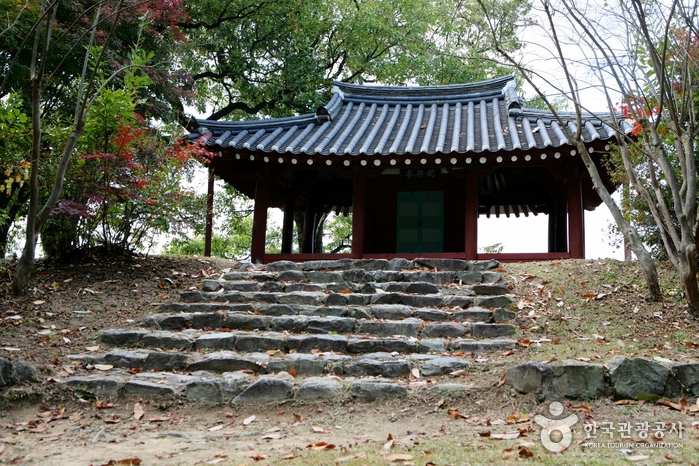
Myeonangjeong Pavilion is located on the slopes of Jebongsan Mountain in Damyang-gun. The pavilion was constructed in 1533 by Song Sun (1493-1583), who built it as a place for writing poems. After its construction, the pavilion served as a meeting place for scholars and intellectuals and was even frequented by Lee Hwang (1501-1570), a representative Confucian scholar who is pictured on the 1,000 won bill.
The roof of Myeonangjeong Pavilion was originally made of reeds, straw, grass and other materials which could not withstand the elements. After several repairs, the building was developed into the wooden structure that it is today.
From the back of the pavilion, you can see the mountain range and open wide fields; renowned scholars’ poems are engraved on the wooden panels that decorate the pavilion walls.
 English
 한국어
한국어 日本語
日本語 中文(简体)
 Deutsch
 Français
 Español
 Русский


